Nepal’s hill country, Bhutan, Sikkim and Ladakh sit on four sides of several borders and cook as one place. The logic is Tibetan, not Indic. Barley and buckwheat grow where the valleys below grow rice. Dairy goes into savoury food and stays out of the sweets. The spice hand is so light that a Bhutanese kitchen and a Lucknow one share almost nothing except the chilli, and Bhutan treats that as a vegetable.
Why it cooks as one zone
Altitude draws this border. Above roughly two thousand metres the rice stops and the barley starts, the growing season shortens to a few months, and whatever a household will eat in winter has to be dried, fermented or churned before the cold arrives. The same constraint produces the same answers in Thimphu, Mustang, Gangtok and Leh. That is why the zone crosses three countries and a disputed region and still reads as one kitchen.
Preservation runs through everything. Mustard greens go into a jar and sour into gundruk. Radish is buried and ferments into sinki. Milk is churned, the butter taken for tea and the buttermilk heated into chhurpi. Meat hangs until it dries into shakam and sukuti, then gets soaked back to life months later. This is how a kitchen gets from October to April, and it gives the zone its sour, funky, deeply savoury register.
Dairy goes savoury here, which is the sharpest break from the plains. Butter is salted and churned into tea until it drinks like a thin soup. Fresh cheese works as a sauce. Ema datshi is chillies bound in just enough melted cheese to coat them, and most of the Bhutanese table is that same recipe with the chillies swapped for potatoes, mushrooms or fern shoots. Dried cheese turns up again in the sweets, pressed with butter and brown sugar into thue and cut into squares for the New Year table.
What the zone does not have is a masala. The seasoning that defines it is timur, the wild Sichuan pepper that numbs more than it burns, usually with nothing beside it but garlic, ginger and salt. The dumpling runs the whole length of the zone: momo in Kathmandu and Darjeeling, hoentay in the Haa valley, chutagi in Ladakh.
The pantry
The ingredients that make a dish belong to the Tibetan Sphere:
- Timur. Nepali wild Sichuan pepper, ground in at the end so the tingle survives. The most characteristic flavour in the zone.
- Gundruk. Mustard or radish leaves fermented and sun-dried, then dry-roasted before any liquid touches them. Sour and nutty, nothing like fresh greens.
- Sinki. The same ferment applied to radish taproot, pale and fibrous where gundruk is leafy and dark.
- Chhurpi. Cheese at two stages: soft and crumbly for pickles and curries, rock-hard and aged for chewing and for the sweets.
- Buckwheat flour. The high-altitude grain. Gluten-free and prone to tearing, used for pancakes, noodles and the Haa valley dumpling.
- Barley flour. Dry-roasted before it meets water, which is where tsampa and paba start.
- Dried meat. Shakam in Bhutan, sukuti in Nepal. Air-dried and salt-cured, not smoked or sugared, and soaked back to life before it is cooked.
- Butter. Unsalted and used by the slab, churned into tea, folded through rice, and the structure of half the sweets.
Where to find it
This is the one zone where a mainstream South Asian grocer will not get you there and the online Nepali shops will.
In the UK, order online instead of hunting shelves. Nepalese Centre, Nepal Foods Online, Your Kathmandu and 977 Grocery all deliver nationwide and carry the items nobody else does. Gundruk is reliably stocked and cheap. Sinki is harder and not always in. Where it is out, cook gundruk instead and call it what it is. Timur comes from the same shops, and Sichuan peppercorns from any Chinese grocer are the same berry. Buckwheat flour is in every health food shop and most large supermarkets. Buy it plain, not self-raising. Mooli, sold as daikon or white radish, is at any East or South Asian grocer. For the cheese, rinsed feta plus a slice of processed cheese for the melt is the substitution Bhutanese and Darjeeling cooks recommend themselves, and it is a good one.
In the US, a Himalayan or Nepali grocer online covers gundruk, sinki, chhurpi and timur. H Mart and the larger Asian groceries carry daikon, soba and Sichuan peppercorns. Barley and buckwheat flours come from any natural foods store. Yak butter does not exist outside the region, and unsalted cow butter is what diaspora kitchens use.
Two things are worth knowing before you start. Dried chhurpi is not interchangeable with hard cheese. Parmesan is the documented stand-in for the sweets, but nothing substitutes for chhurpi in a pickle. And fiddlehead ferns must be boiled and the water discarded before they go near a pan, every time, without exception. A few other items are easier to order online: [→ where to buy].
The recipes
Forty-one Tibetan Sphere recipes are live: the everyday cooking of the hills, the dishes that mark Losar and a wedding, the street food of Kathmandu and Thimphu, the sweets built on butter and cheese, and the salted tea that goes with all of it.
Everyday & Weeknight
-
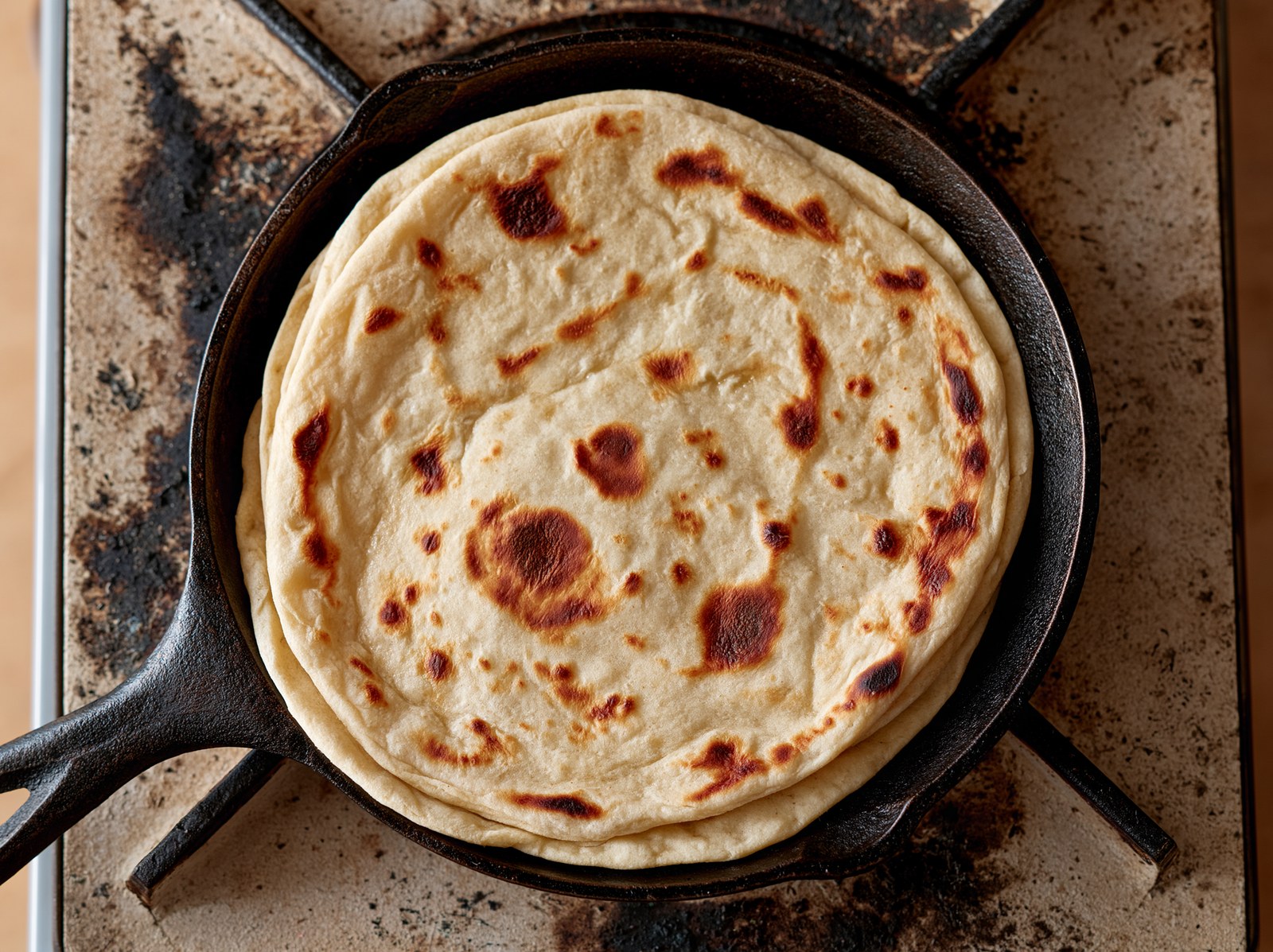
Balep Korkun
Balep korkun, the ovenless flatbread of central Tibet. Flour, water and baking powder cooked in a skillet, eaten at breakfast with butter or butter tea.
-
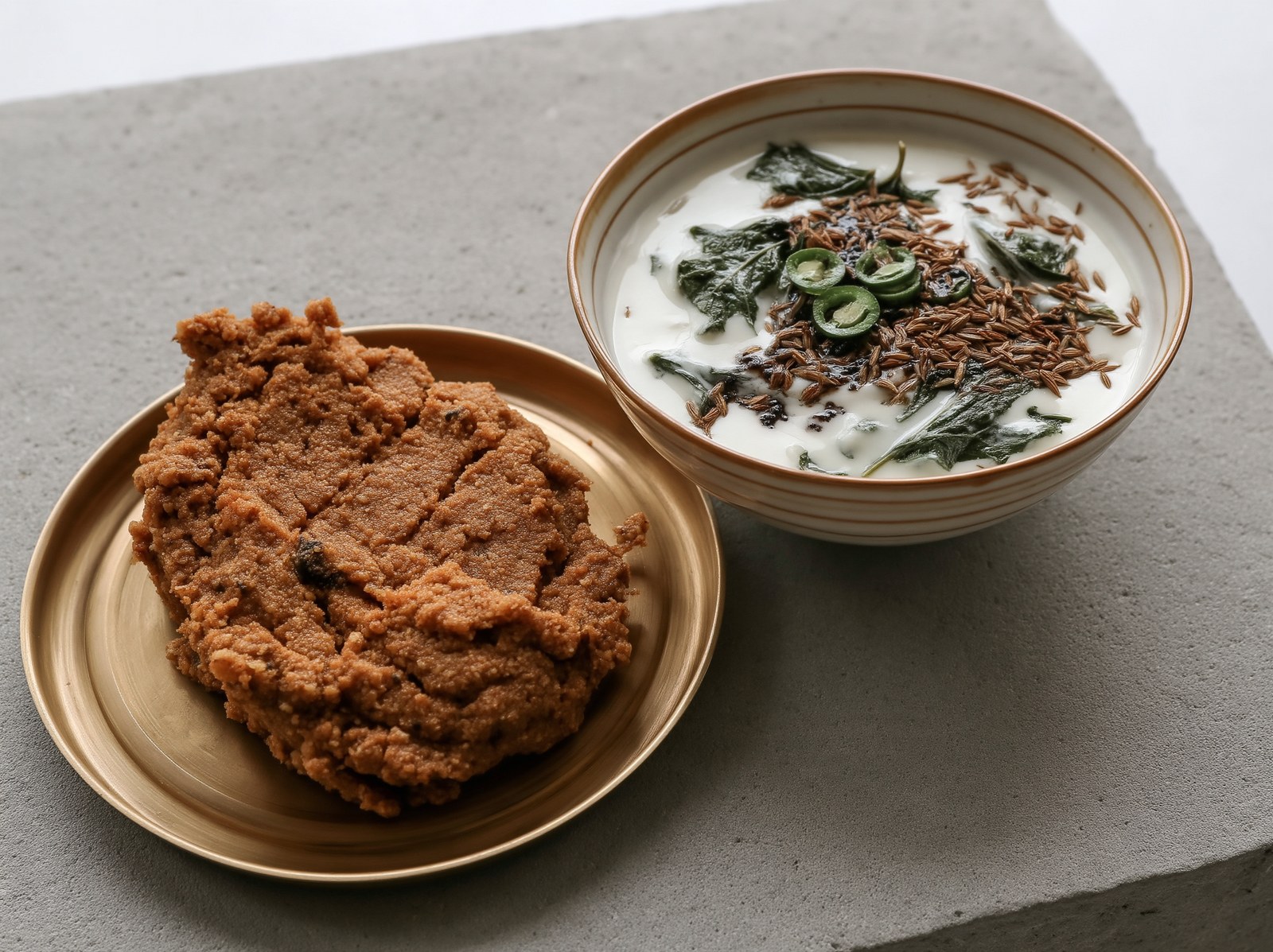
Paba and Tangtur
Paba, the roasted barley and pulse dough Ladakh once lived on, served with tangtur, cool whisked yoghurt stirred through with boiled mustard greens.
-
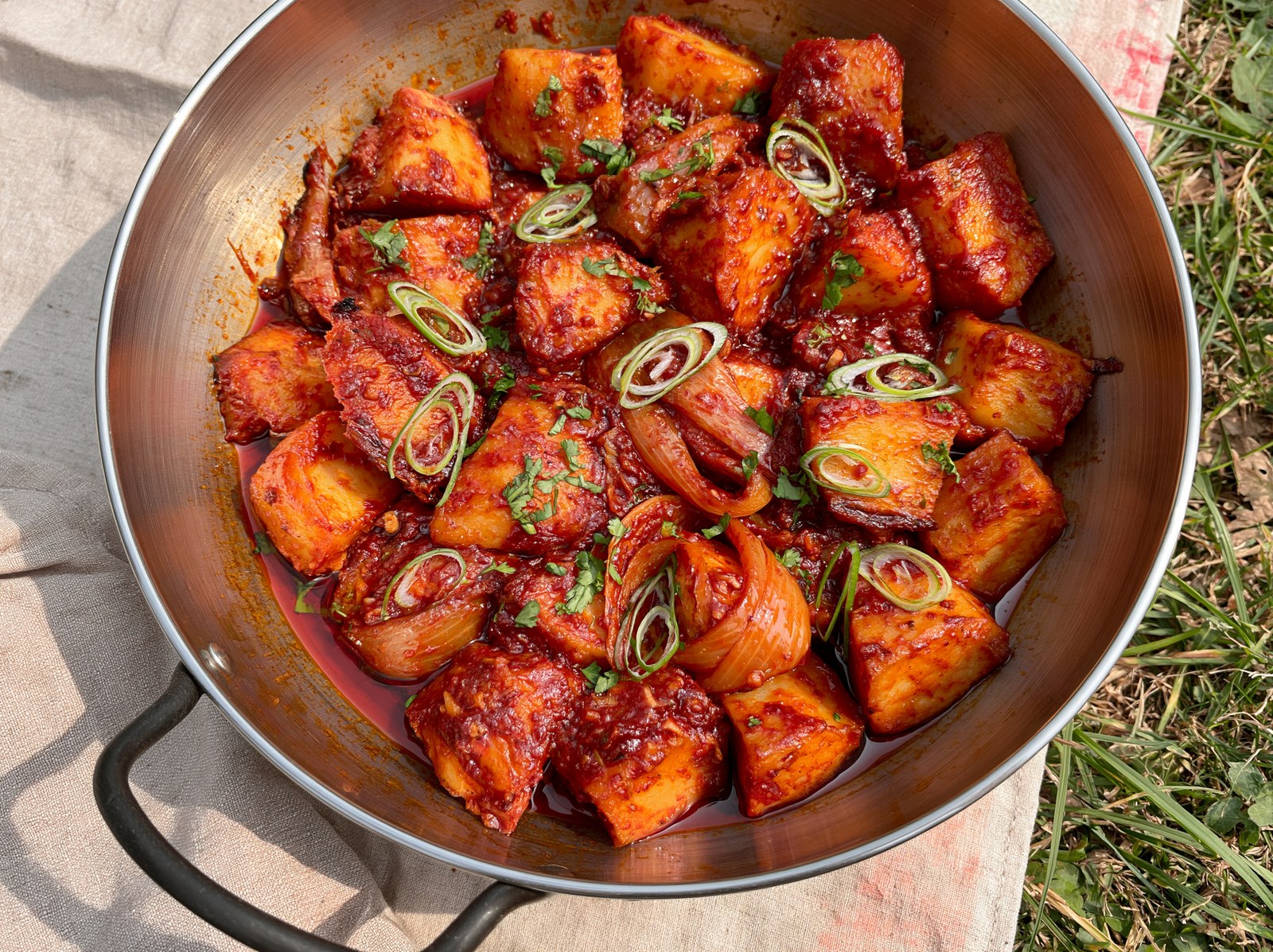
Shogo Khatsa
Shogo khatsa, the Tibetan spicy potato dish taken to every picnic and gathering, boiled potatoes folded through fried chilli and garlic sepen.
-
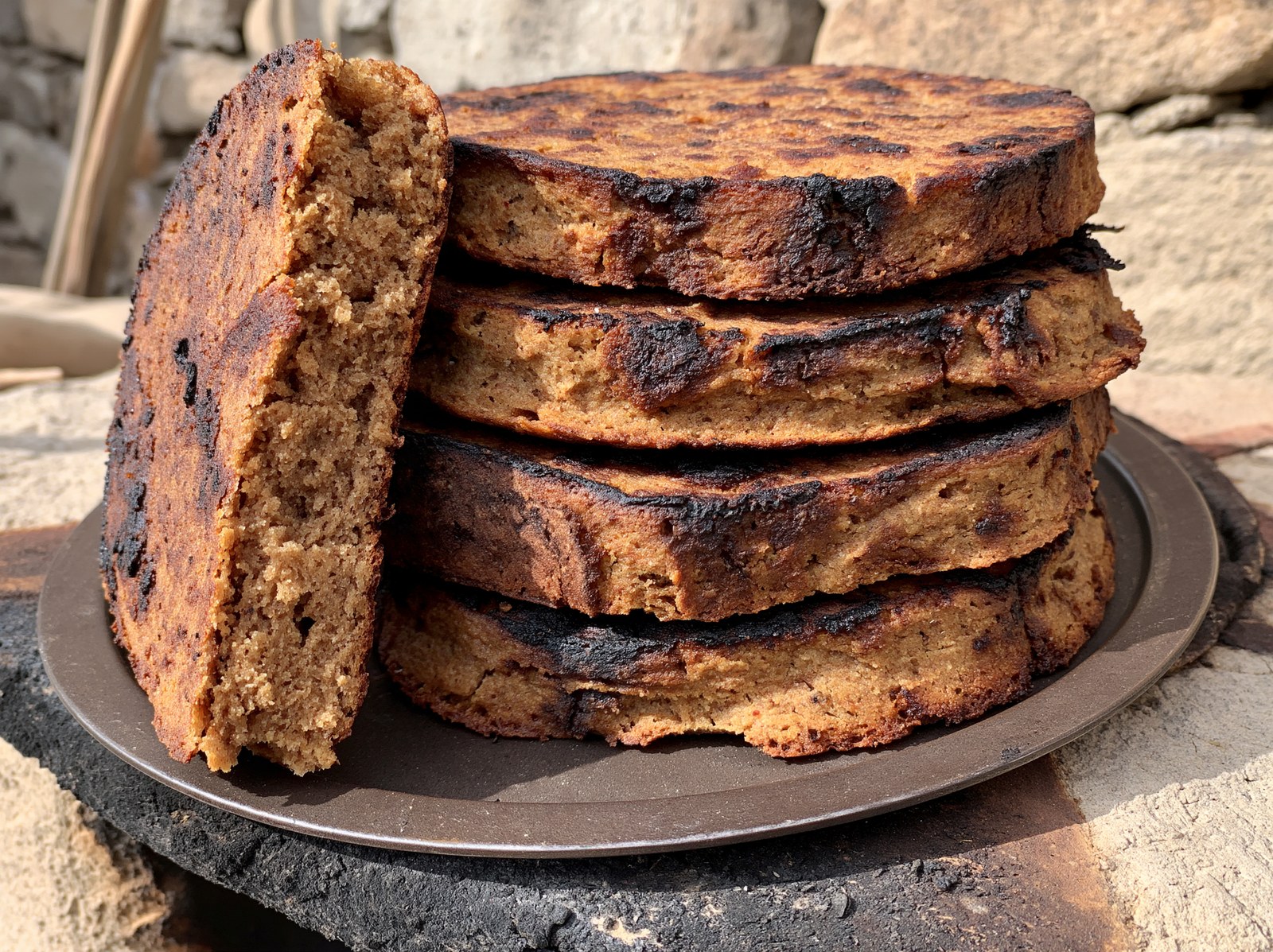
Khambir
Khambir, the thick fermented wholemeal bread of Ladakh. Proved overnight, pressed flat by hand and cooked slowly until the crust firms and browns.
-
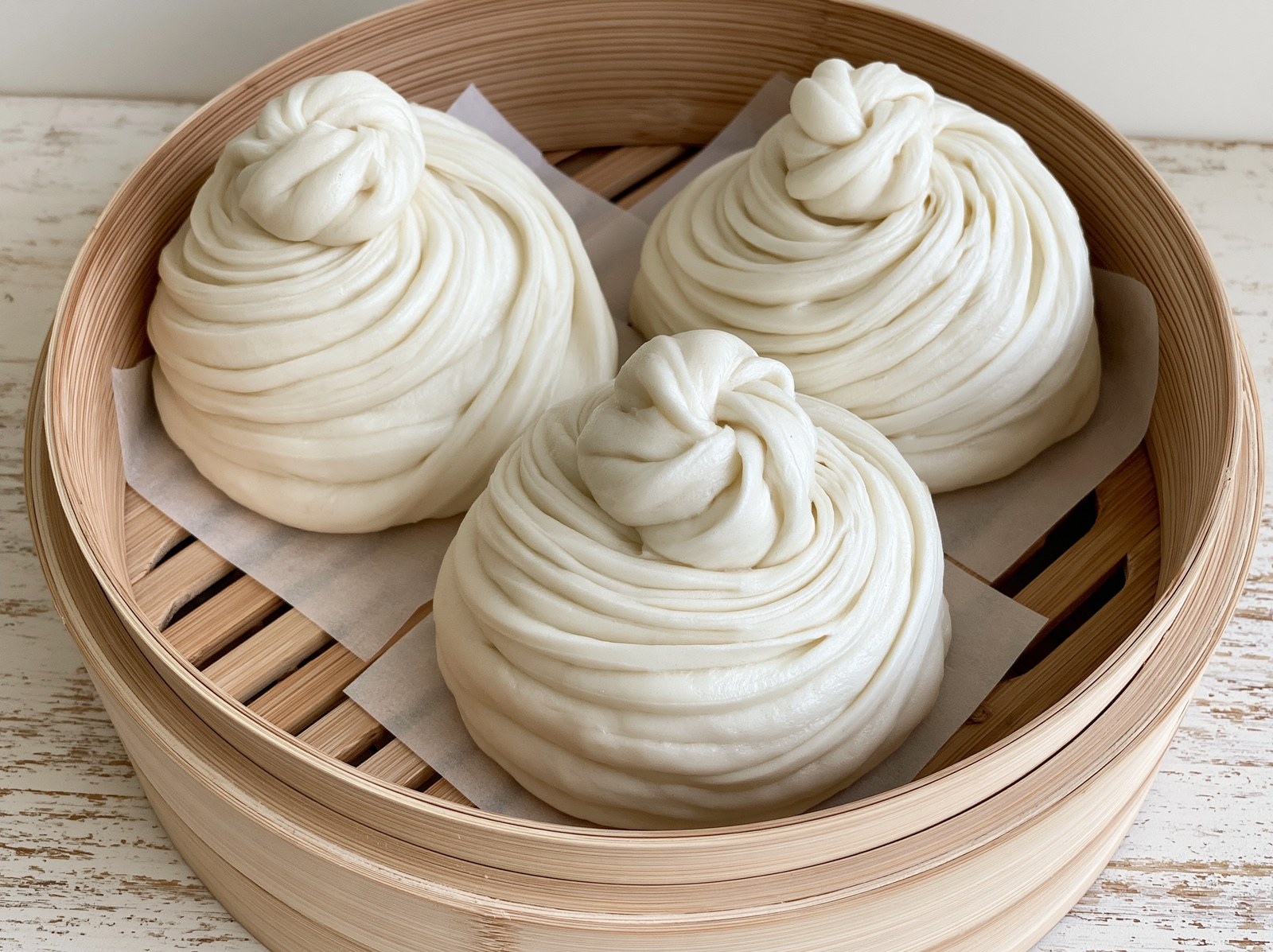
Tingmo
Tingmo, the layered Tibetan steamed bread. A yeasted dough folded, twisted and steamed until it opens out, made to be torn and dipped rather than filled.
-
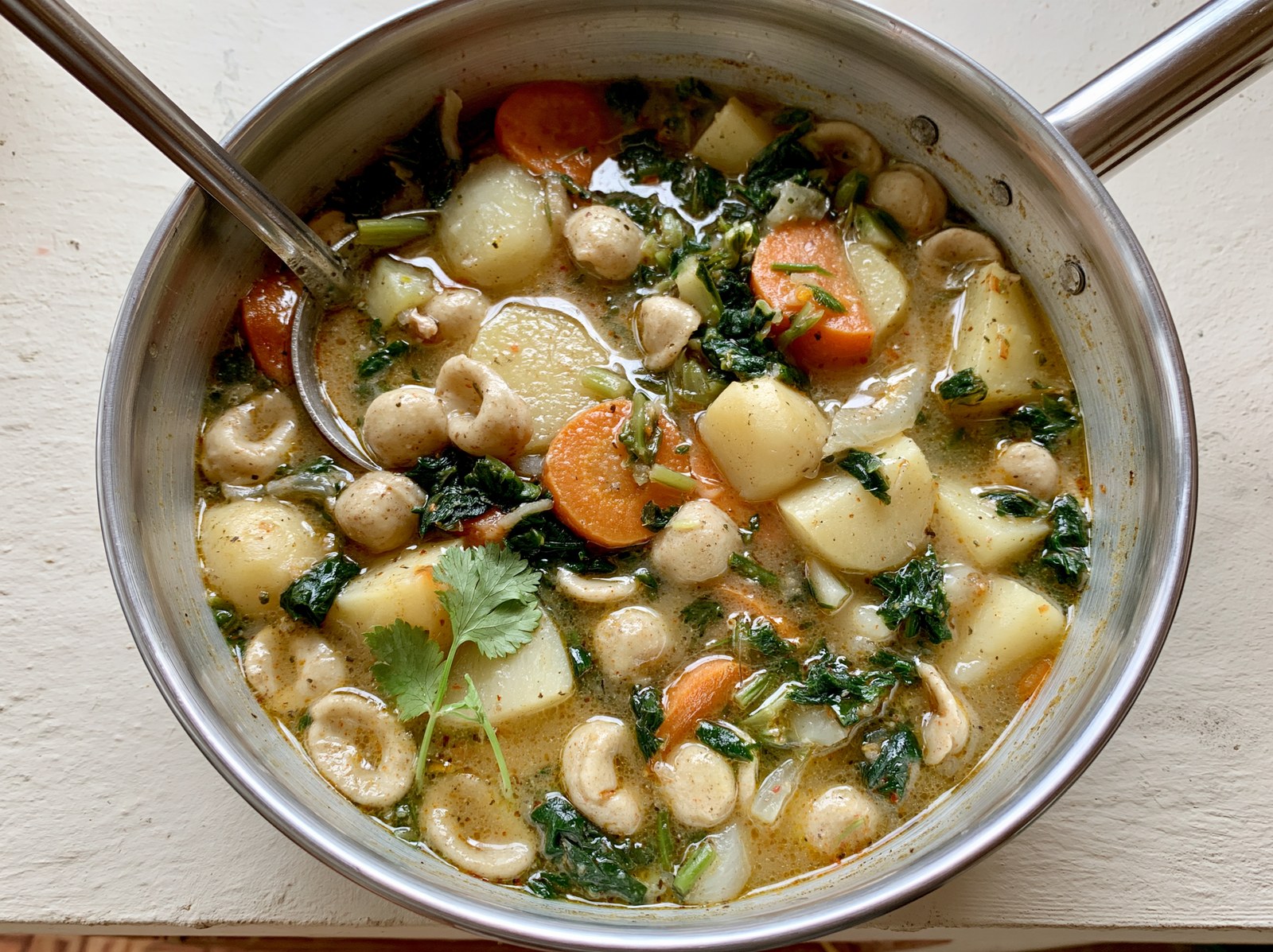
Skyu
Skyu, the Ladakhi one-pot of thumb-pressed wheat dough cooked with turnip, potato and carrot until the broth thickens around it.
-
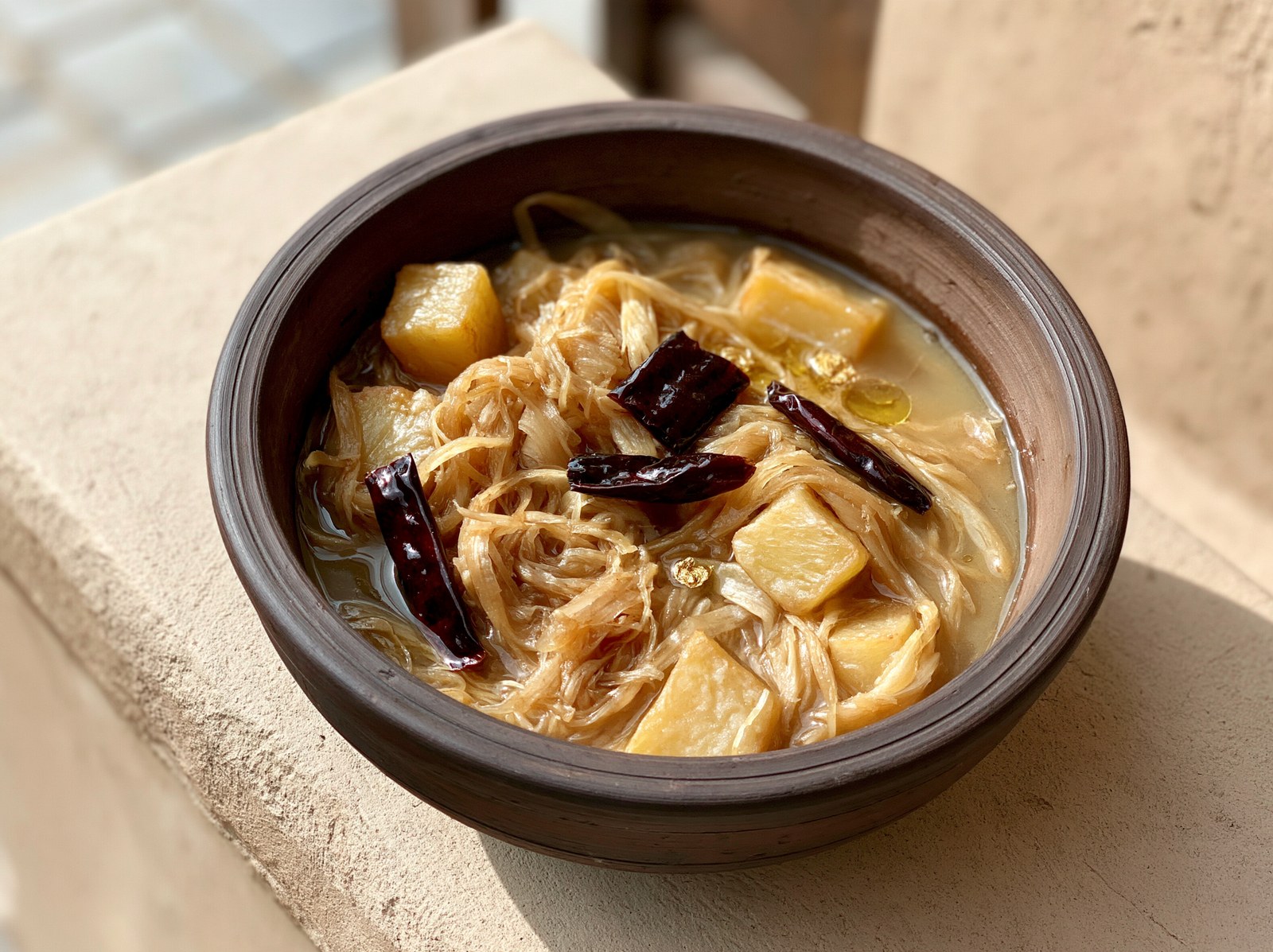
Sinki ko Jhol
Sinki ko jhol, the thin sour Nepali broth of saltless fermented radish taproot, tempered with timur and dried chilli and eaten with rice and ghee.
-
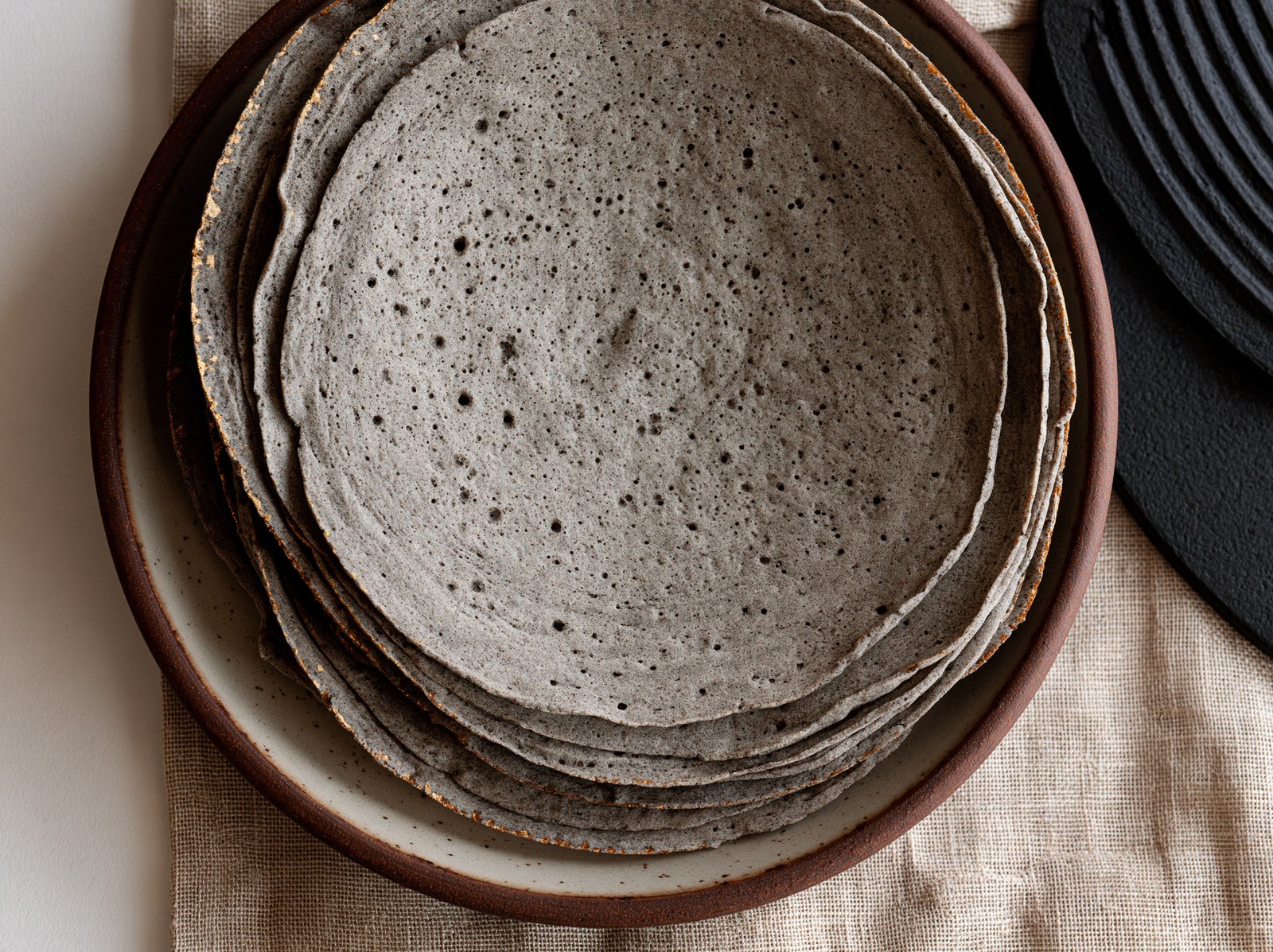
Phapar ko Roti
Phapar ko roti, the Thakali buckwheat crepe known as ghoken. A loose batter poured thin, earthy and faintly citrus, crisp at the edge and soft in the middle.
-
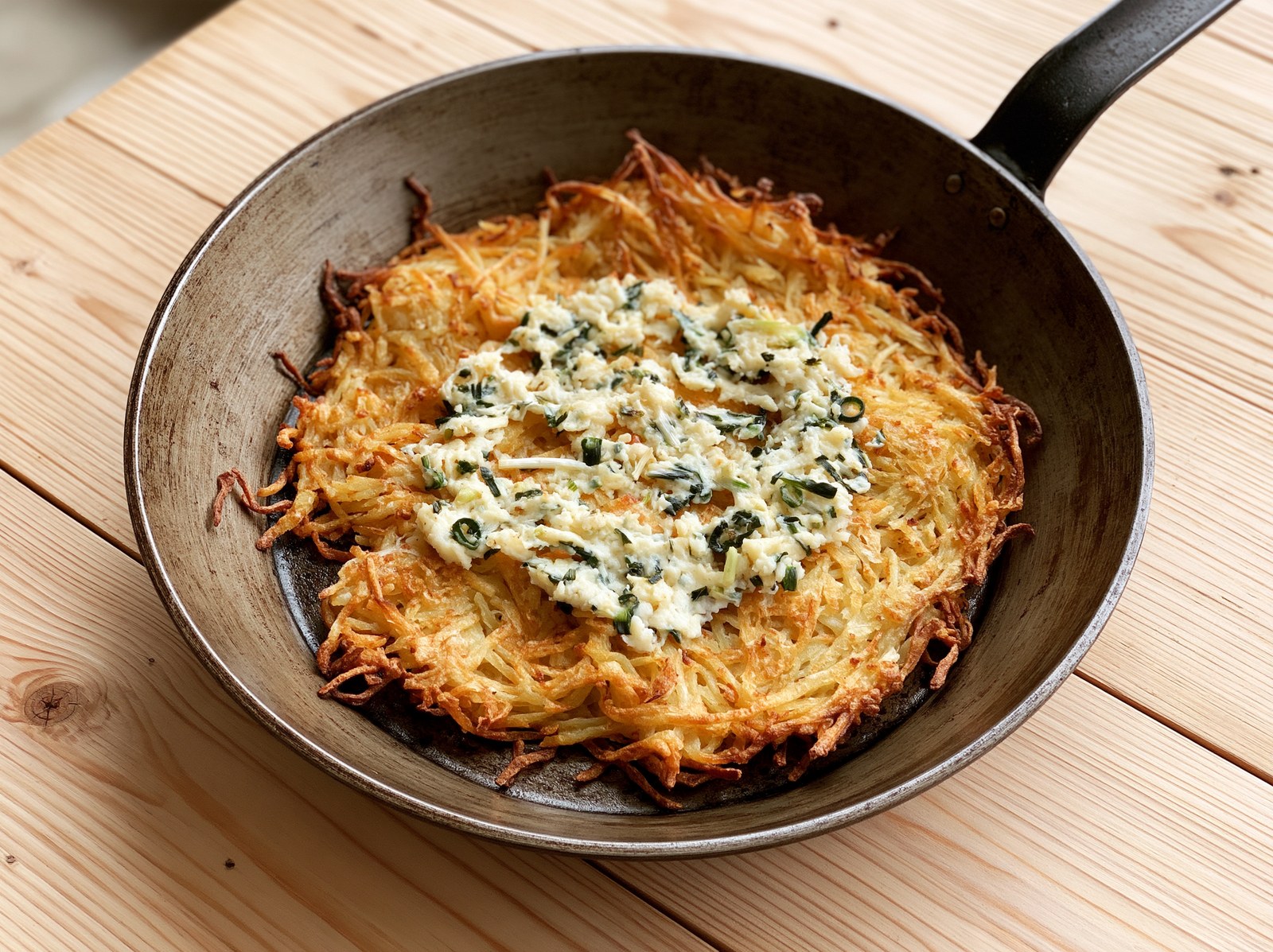
Rikikur
Rikikur, the Sherpa potato pancake. Finely grated potato bound with flour and fried in butter, served hot with a cheese, spring onion and chilli achar.
-
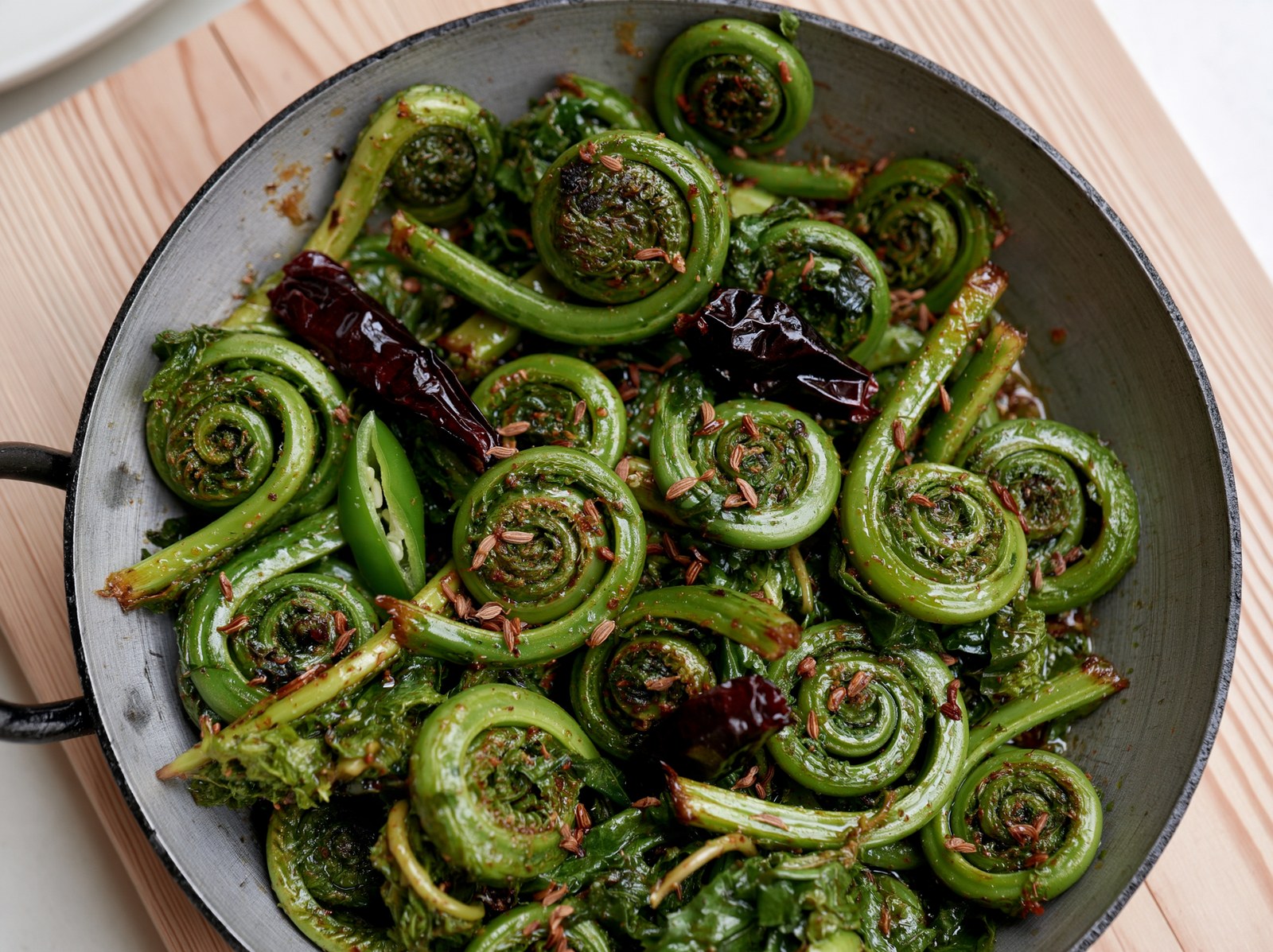
Niuro ko Tarkari
Niuro ko tarkari, the Nepali spring dish of wild fiddlehead fern shoots tempered with cumin, coriander seed and timur, cooked so they keep their crunch.
-
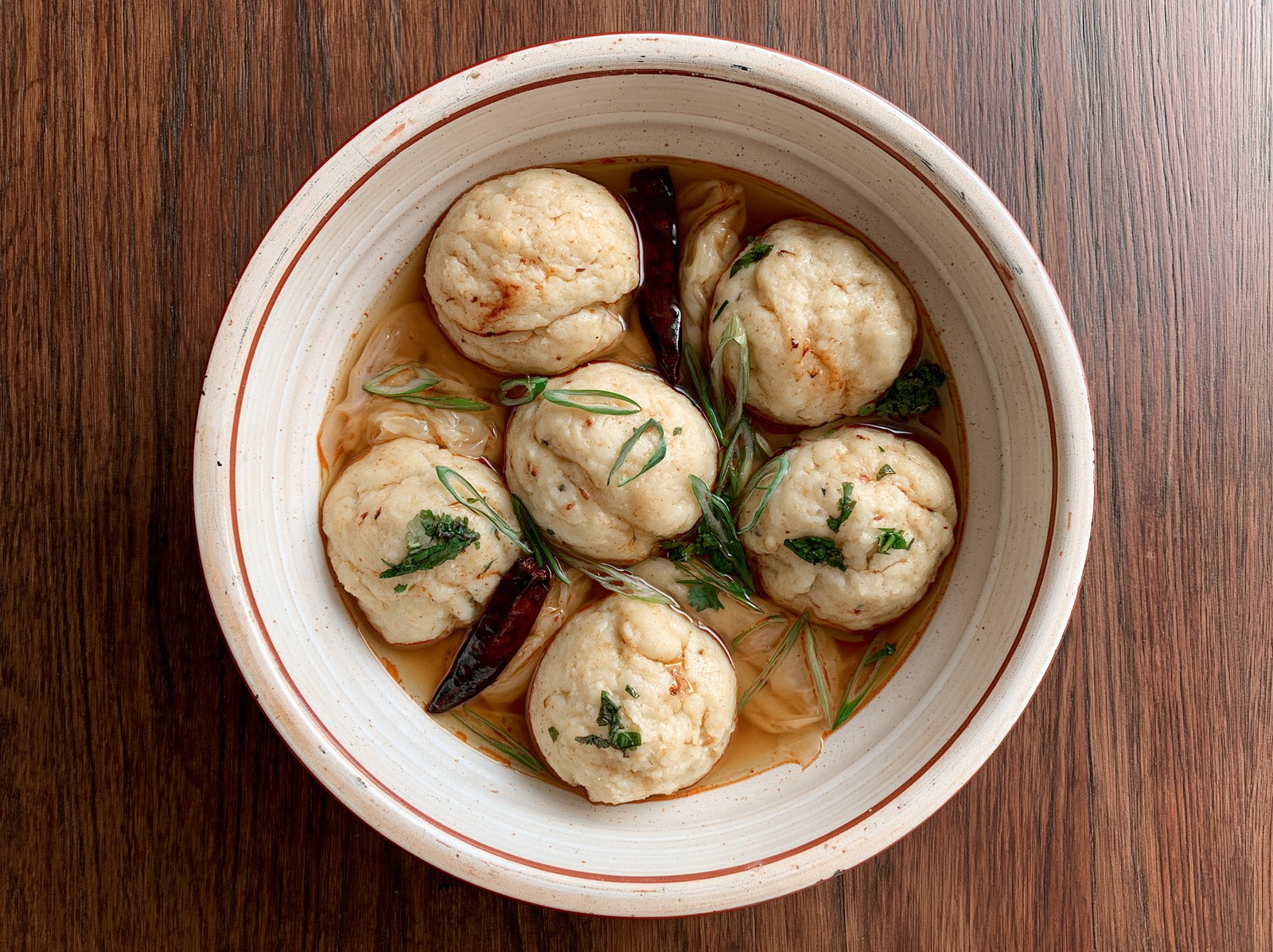
Rildok
Rildok, the Sherpa dish of boiled potatoes beaten to a sticky dough, rolled into balls and simmered in a buttered broth with timur.
-
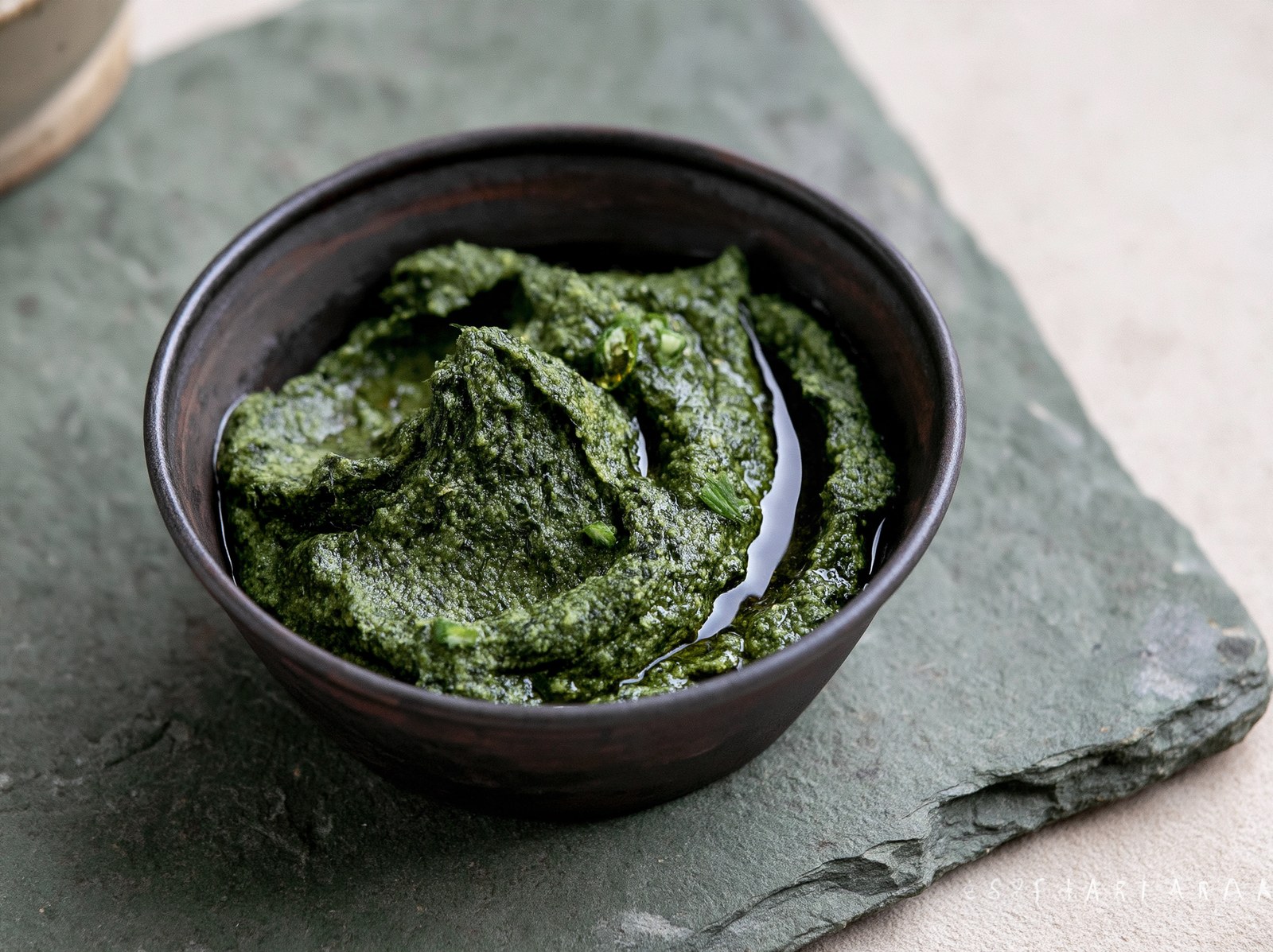
Sisnu
Sisnu, the Nepali hill nettle dish. Boiled until the sting goes, then beaten thick with maize flour and finished with ground timur and garlic.
-
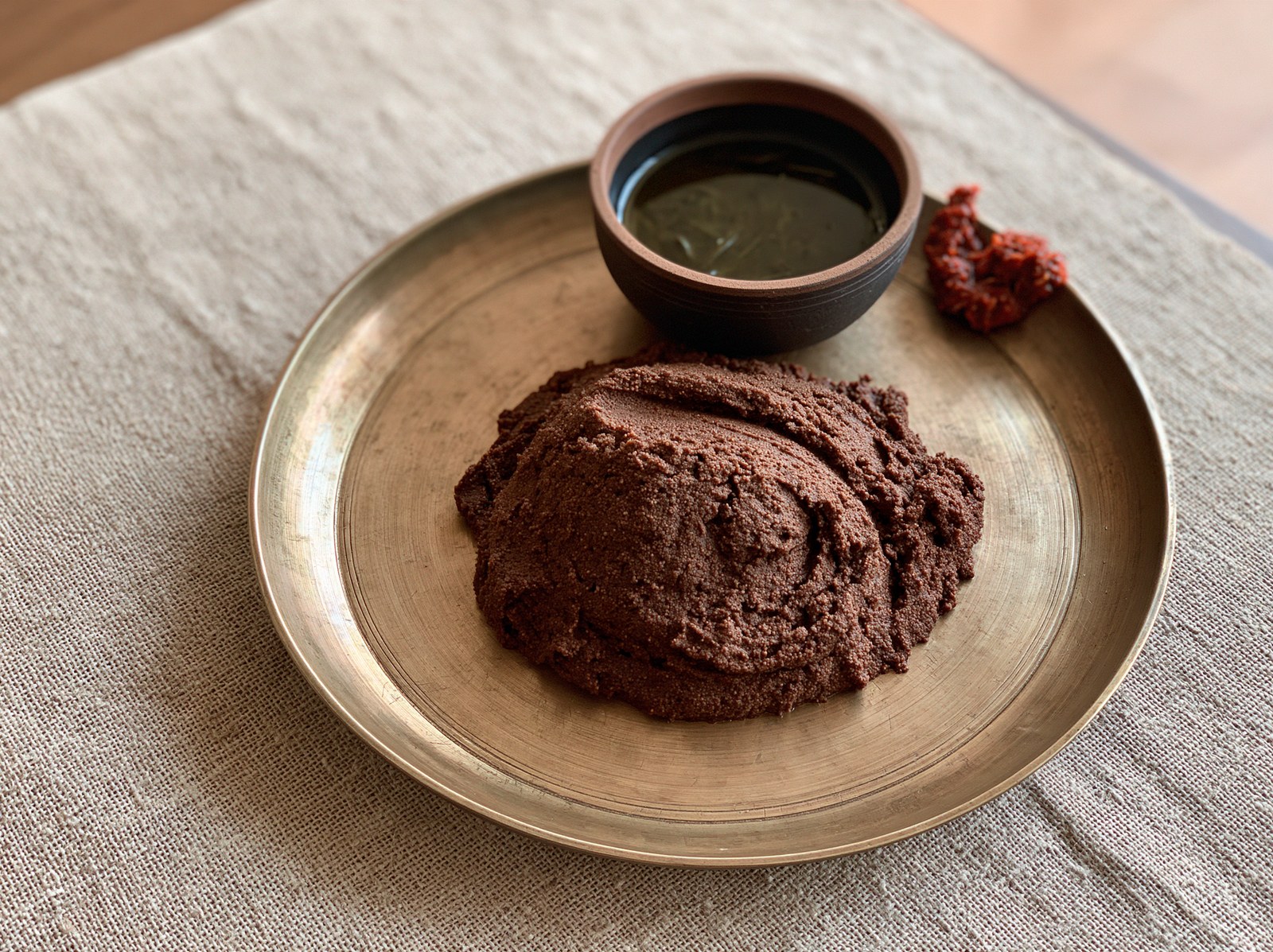
Dhido
Dhido, the hill staple of Nepal. Finger millet and maize flour beaten into boiling water until it forms a single stiff, glossy mass. Eaten with gundruk or sisnu.
-
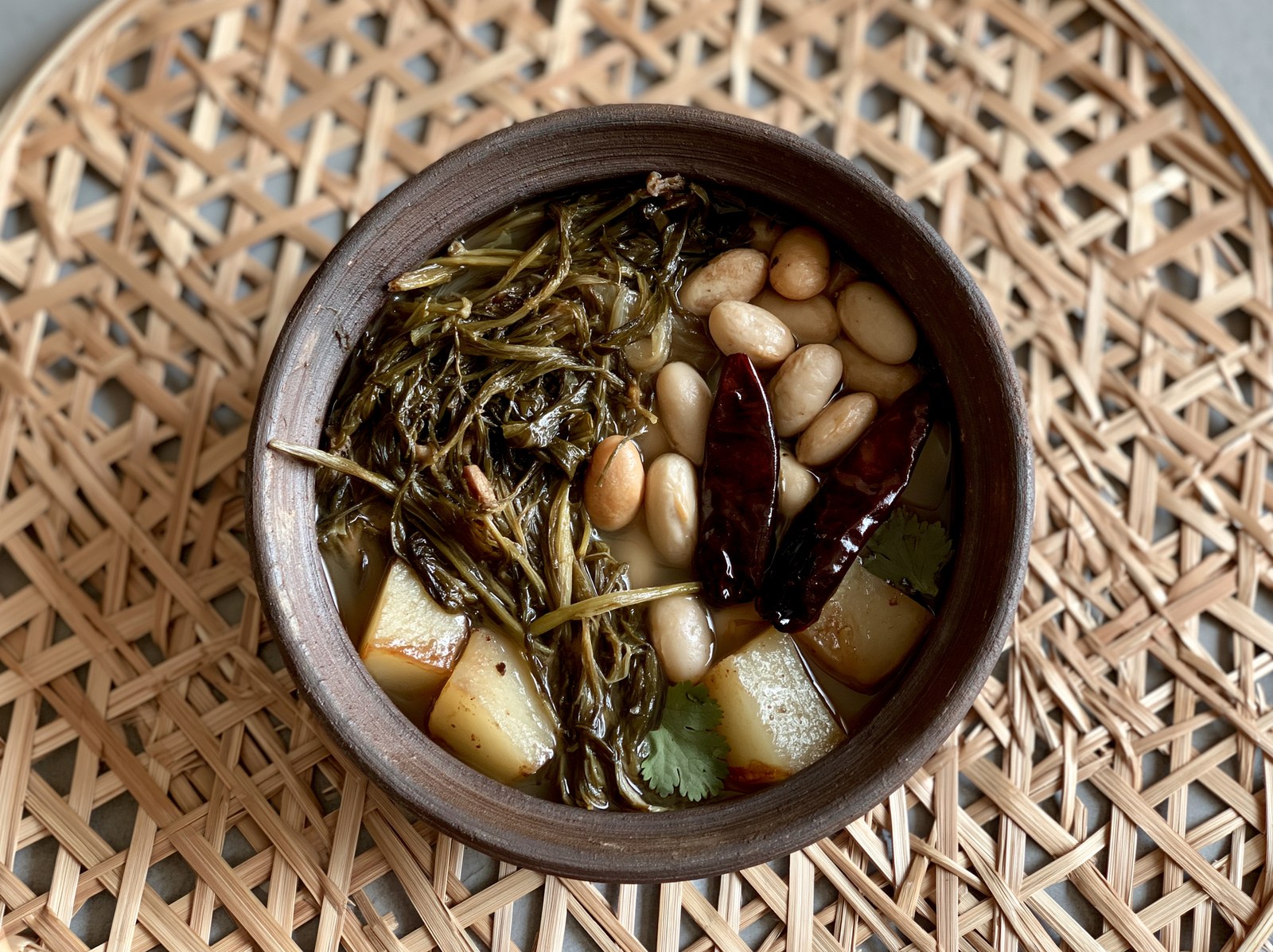
Gundruk ko Jhol
Gundruk ko jhol, the sour Nepali soup of sun-dried fermented greens, cooked with soaked soybeans, potato and timur. Eaten with dhido or rice.
-
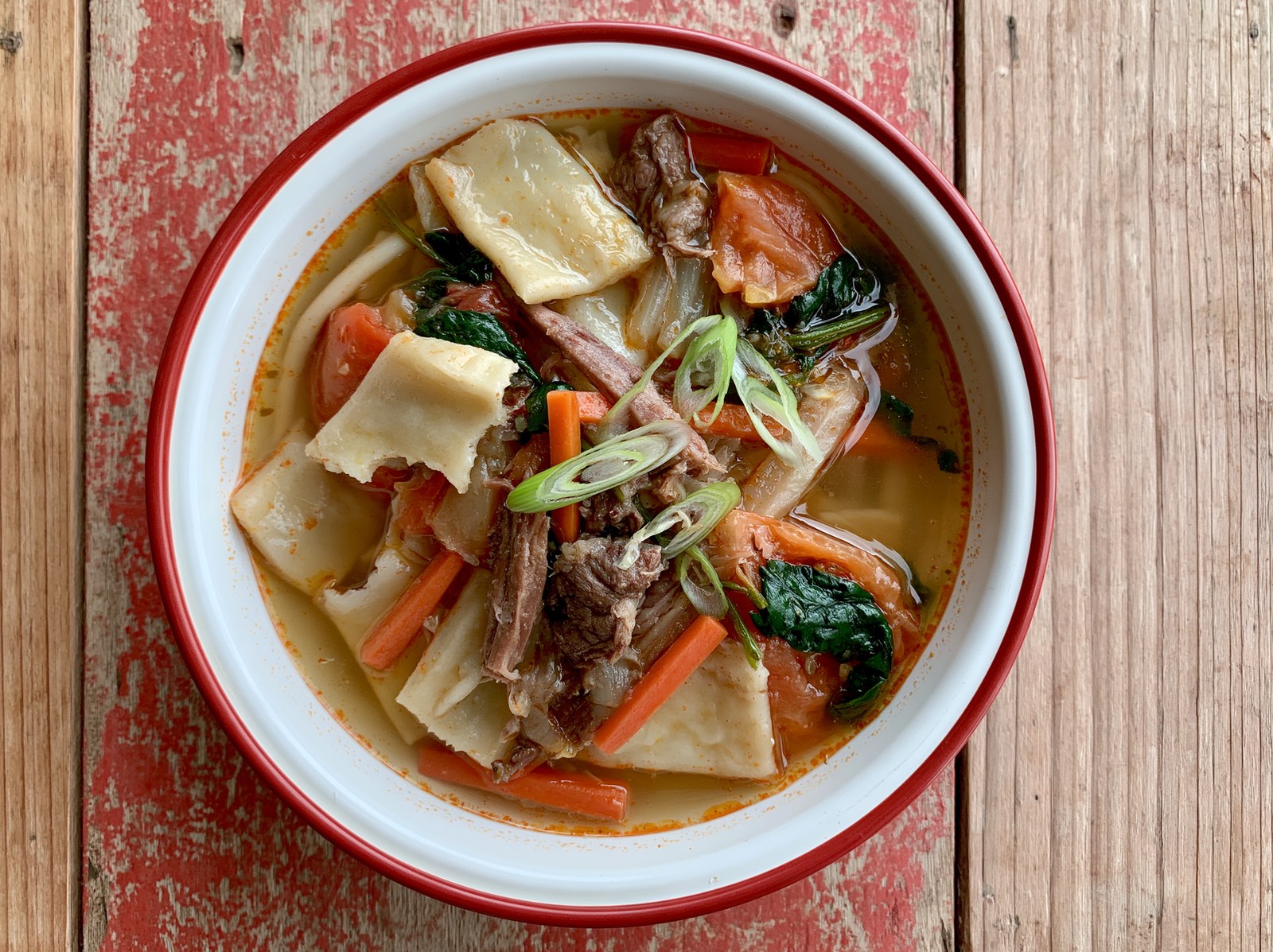
Thenthuk
Thenthuk, the Tibetan pulled noodle soup from Amdo. Soft dough rested until it stretches, then torn by hand straight into a thin, fast broth.
-
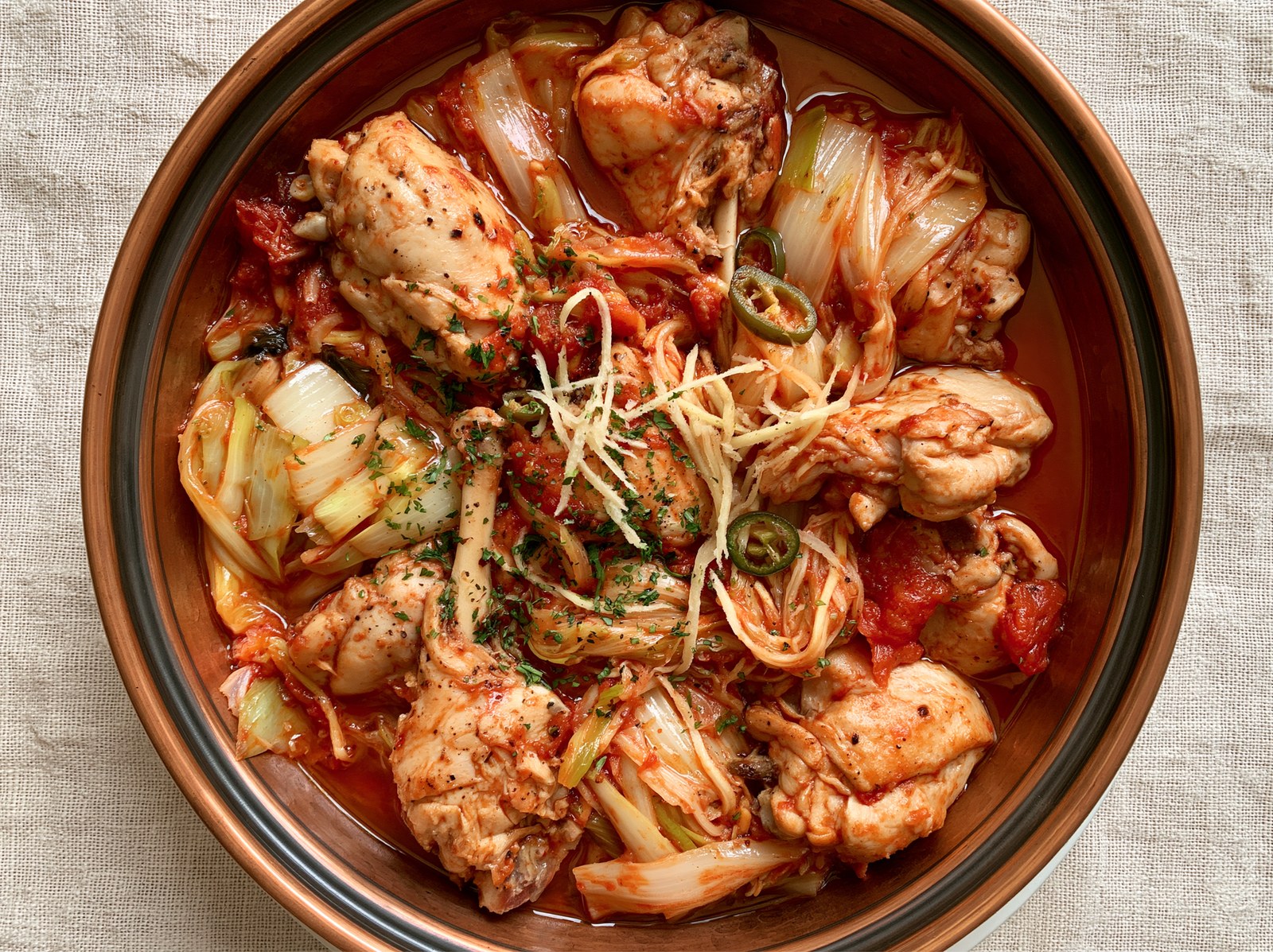
Jasha Maru
Jasha maru, the Bhutanese chicken stew. Bone-in chicken simmered with tomato, leek and a heavy hand of ginger, finished with coriander and Sichuan pepper.
-
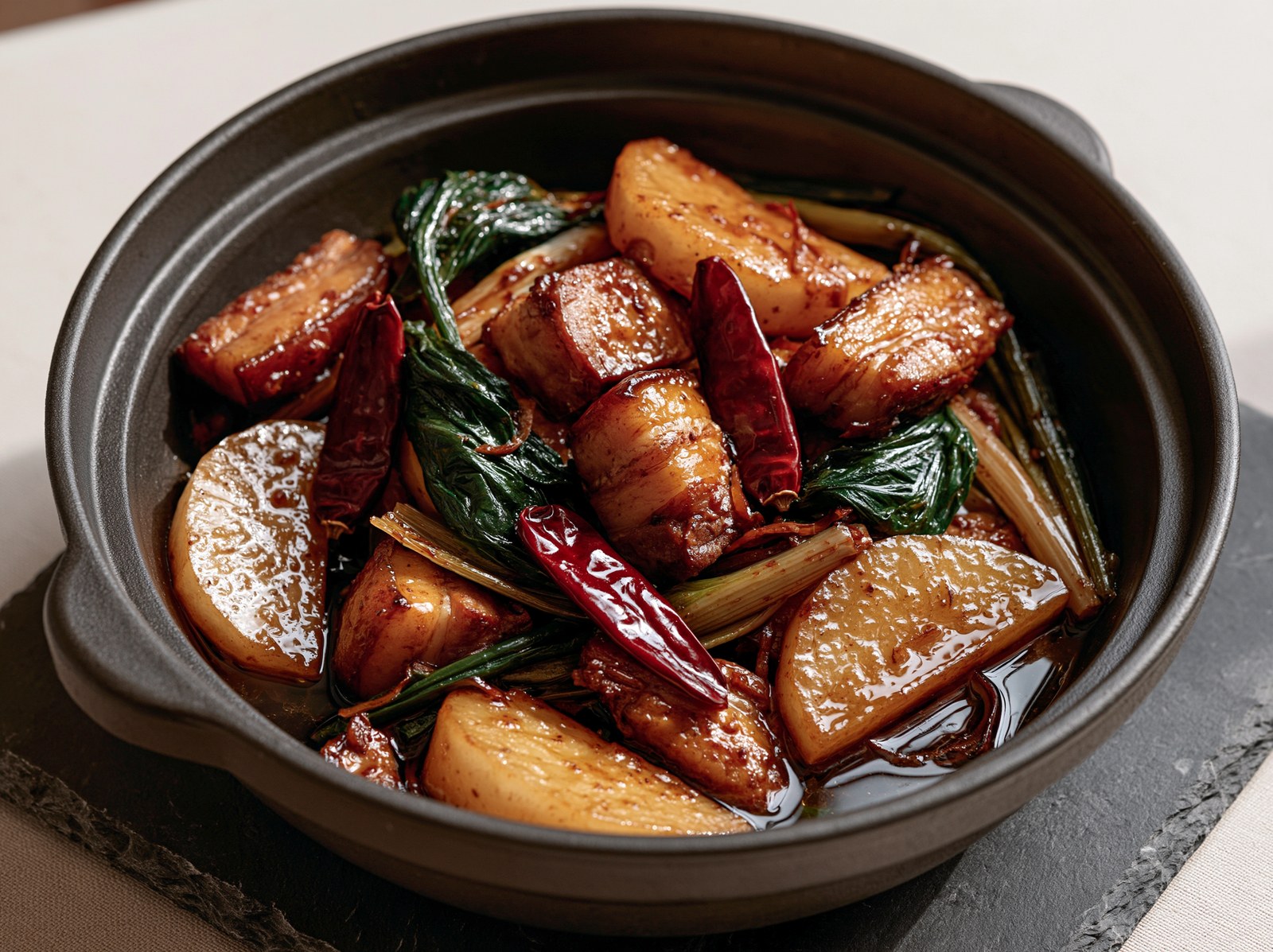
Phaksha Paa
Phaksha paa, the Bhutanese pork dish. Fatty belly strips simmered with daikon radish and whole dried red chillies until the radish turns translucent.
-
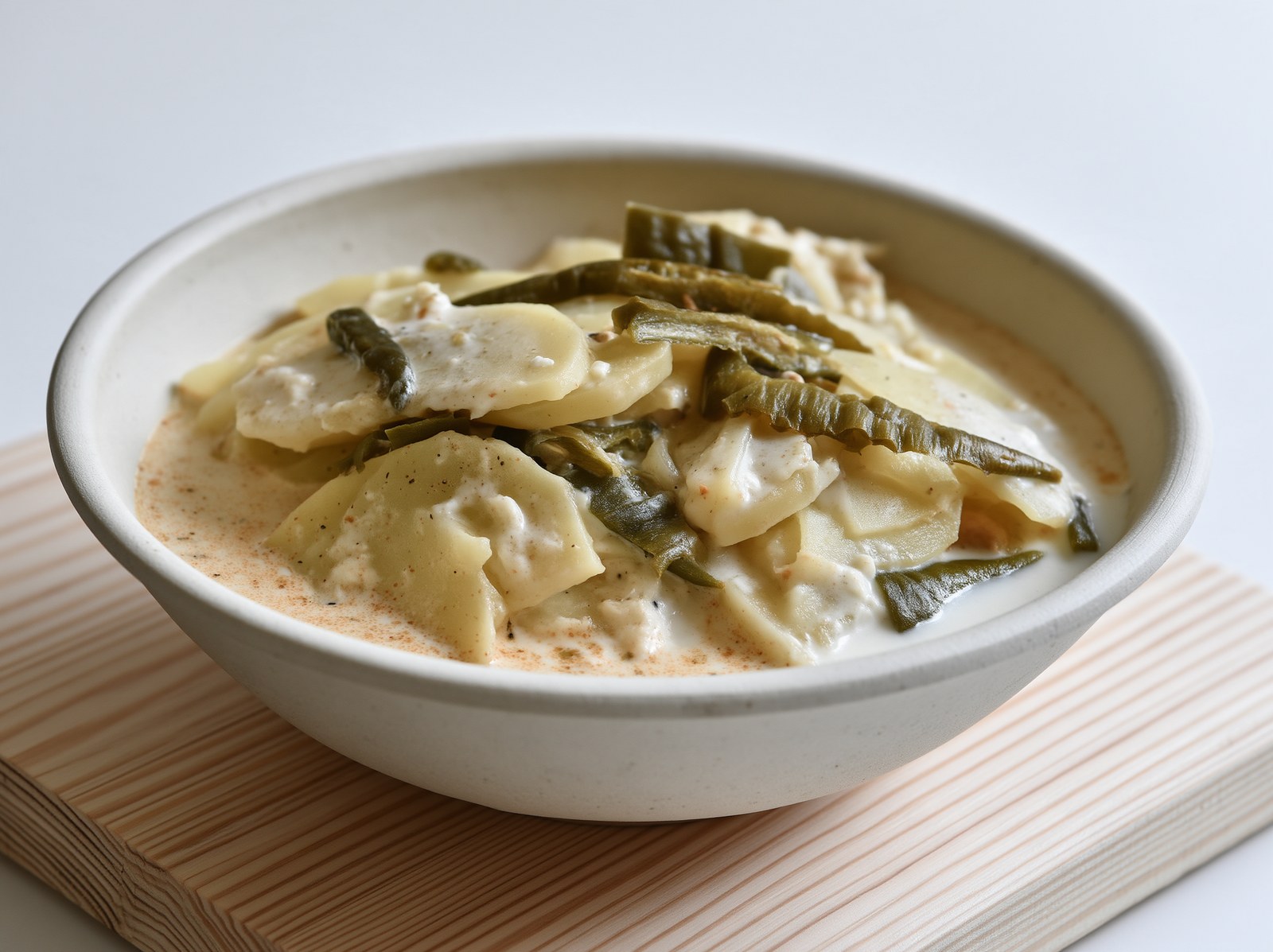
Kewa Datshi
Kewa datshi, the Bhutanese potato and cheese stew. Thin-sliced potatoes cooked down with green chillies until the sauce thickens around them.
-
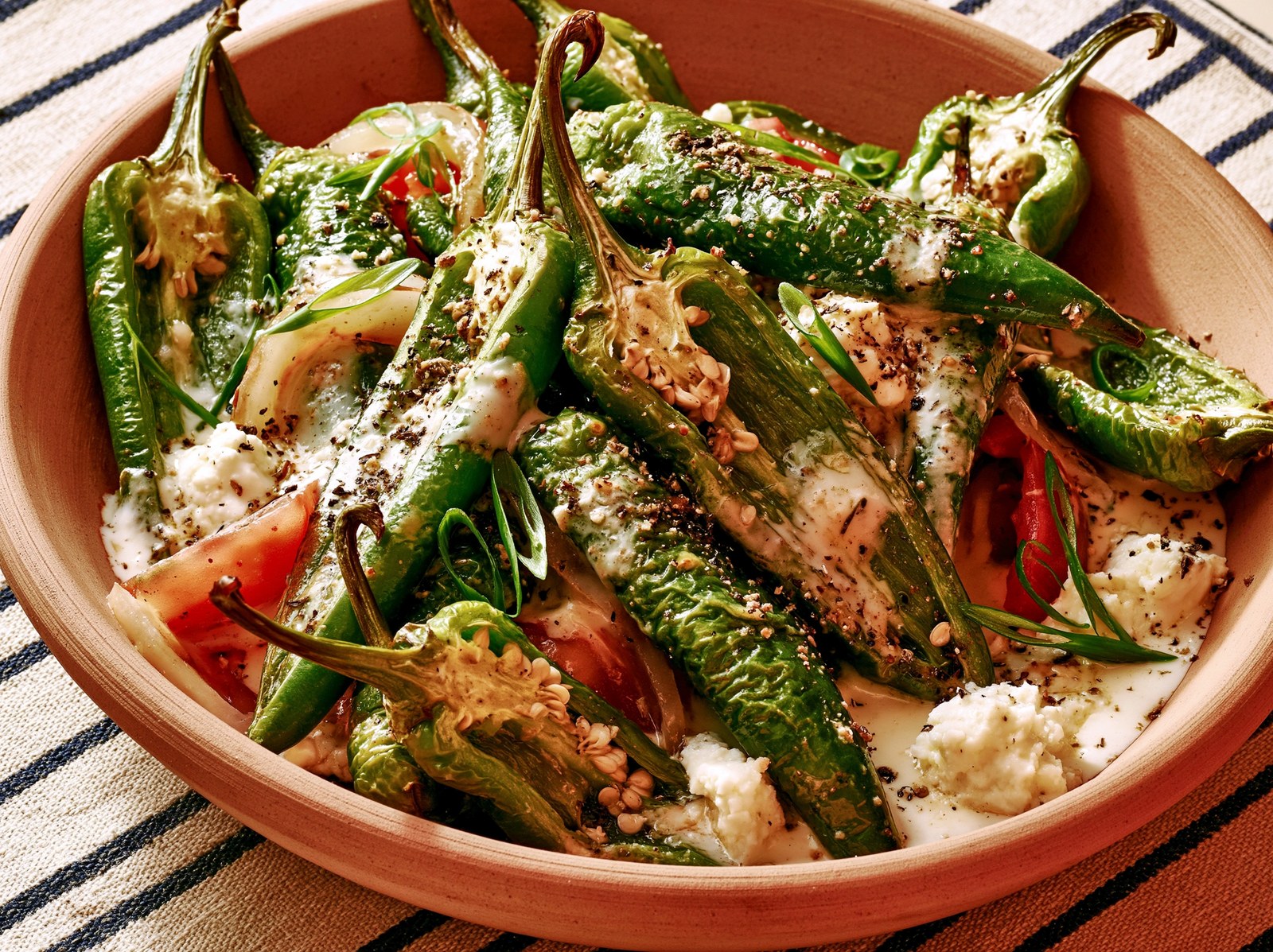
Ema Datshi
Ema datshi, the chilli and cheese dish eaten at every Bhutanese meal. Split green chillies softened with onion and garlic, then bound in melted cheese.
Celebration & Occasion
-
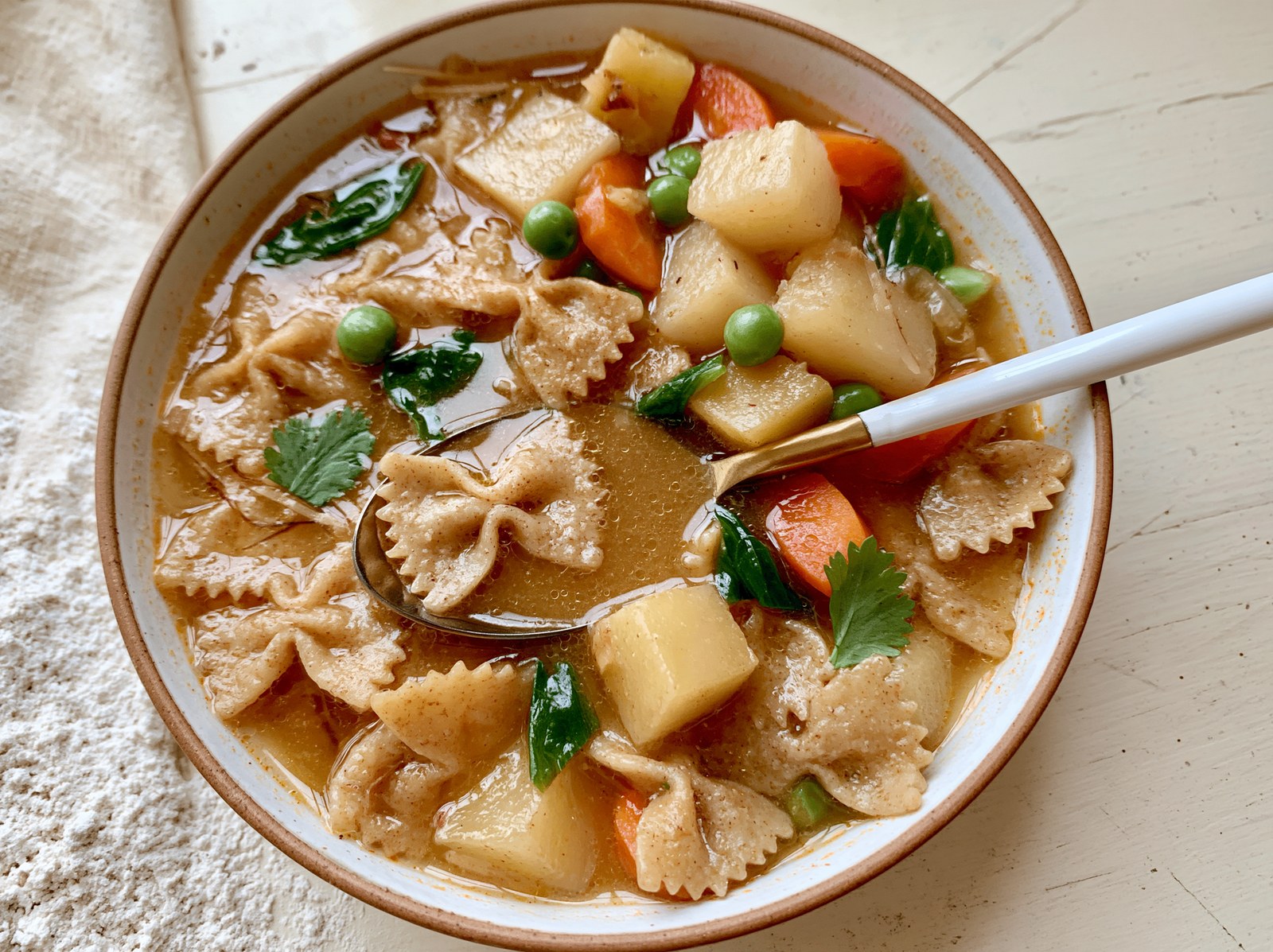
Chutagi
Chutagi, the Ladakhi water bread. Wholewheat dough pinched into bow ties and cooked in a thick soup of potato, carrot, peas and greens.
-
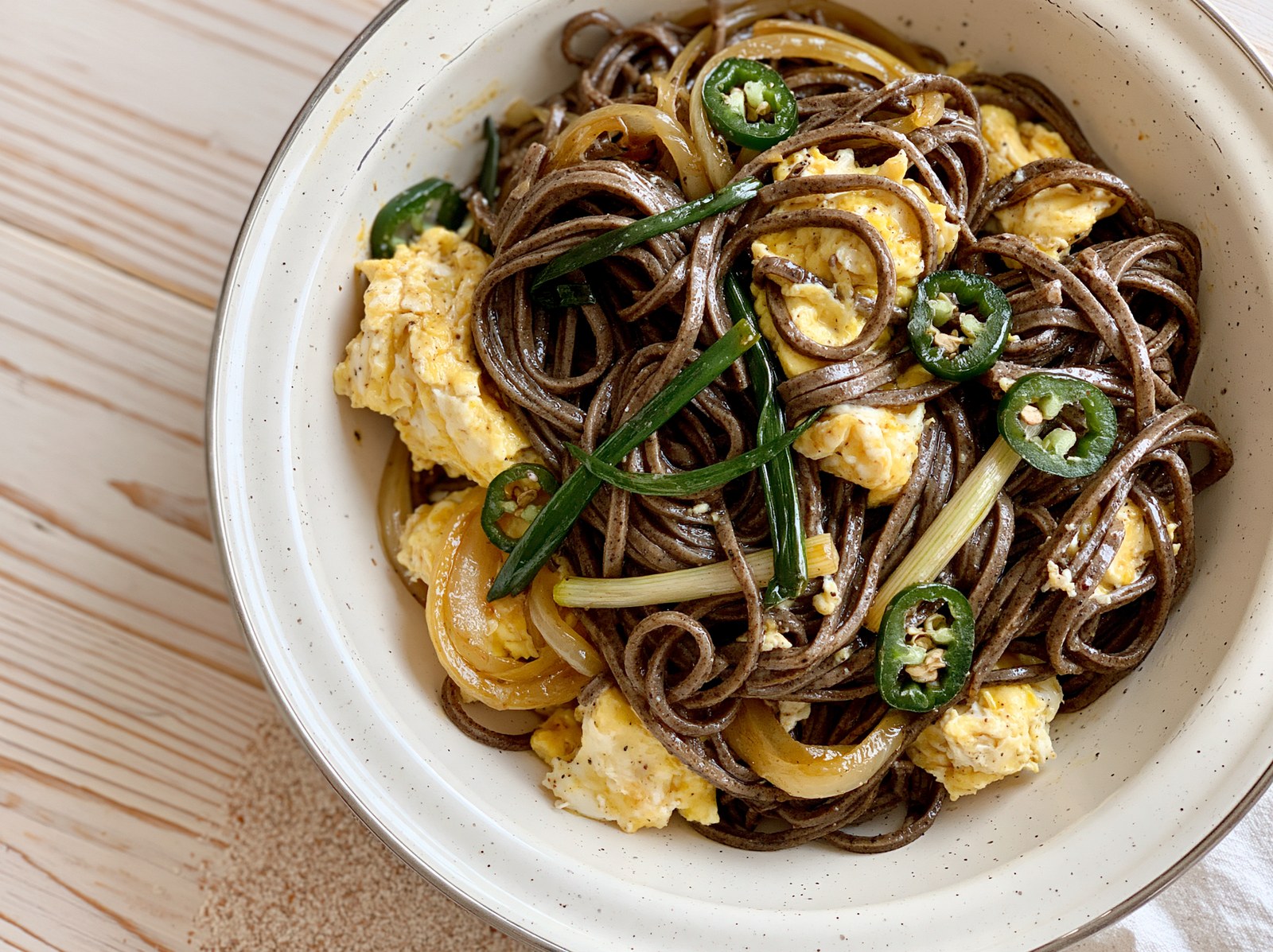
Puta
Puta, the buckwheat noodle dish of Bumthang in central Bhutan, tossed in oil with chilli, spring onion and egg and seasoned with Sichuan pepper.
-
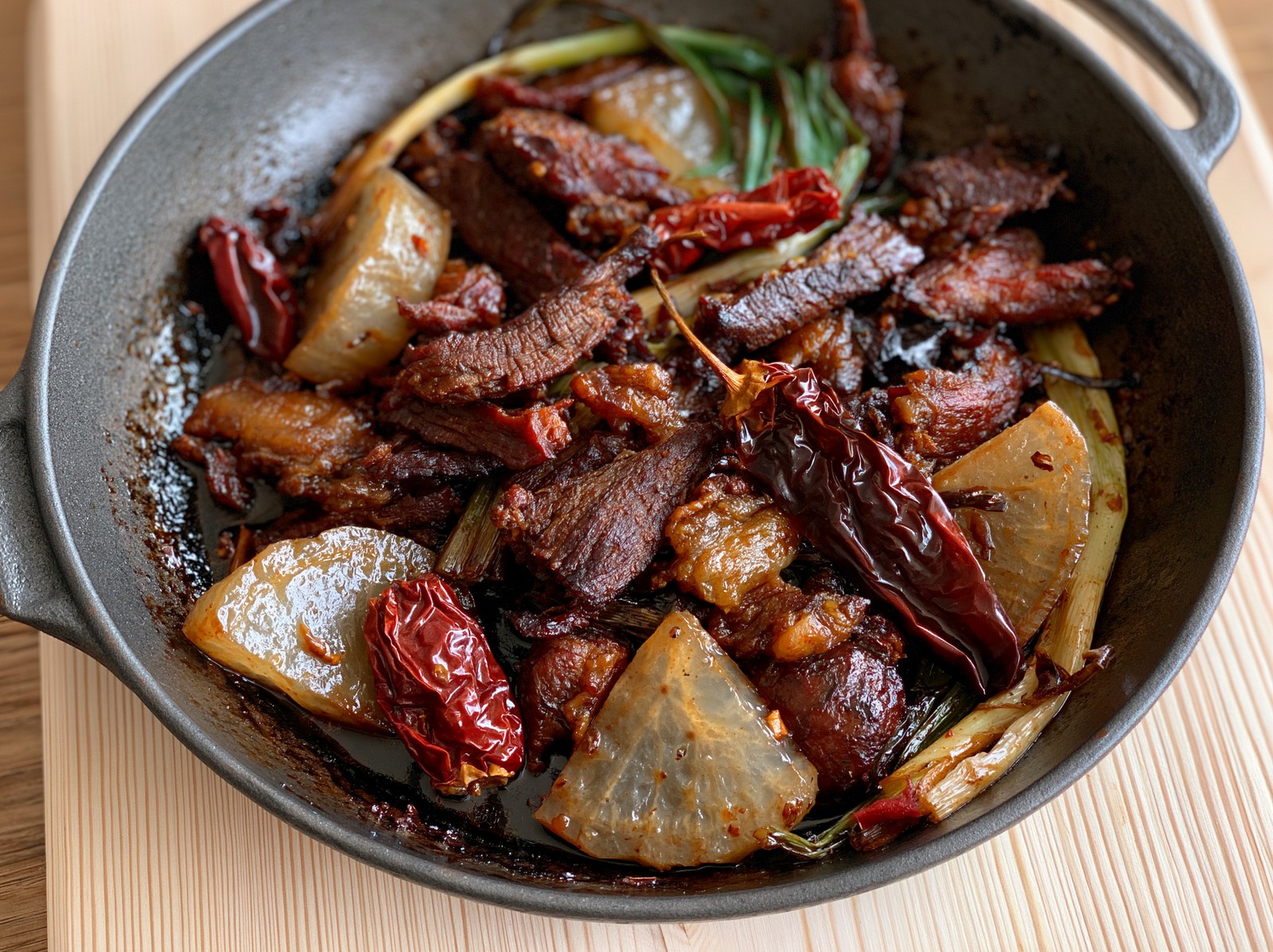
Shakam Paa
Shakam paa, the Bhutanese dish of air-dried beef soaked soft and cooked dry with whole red chillies and radish until the radish turns translucent.
-
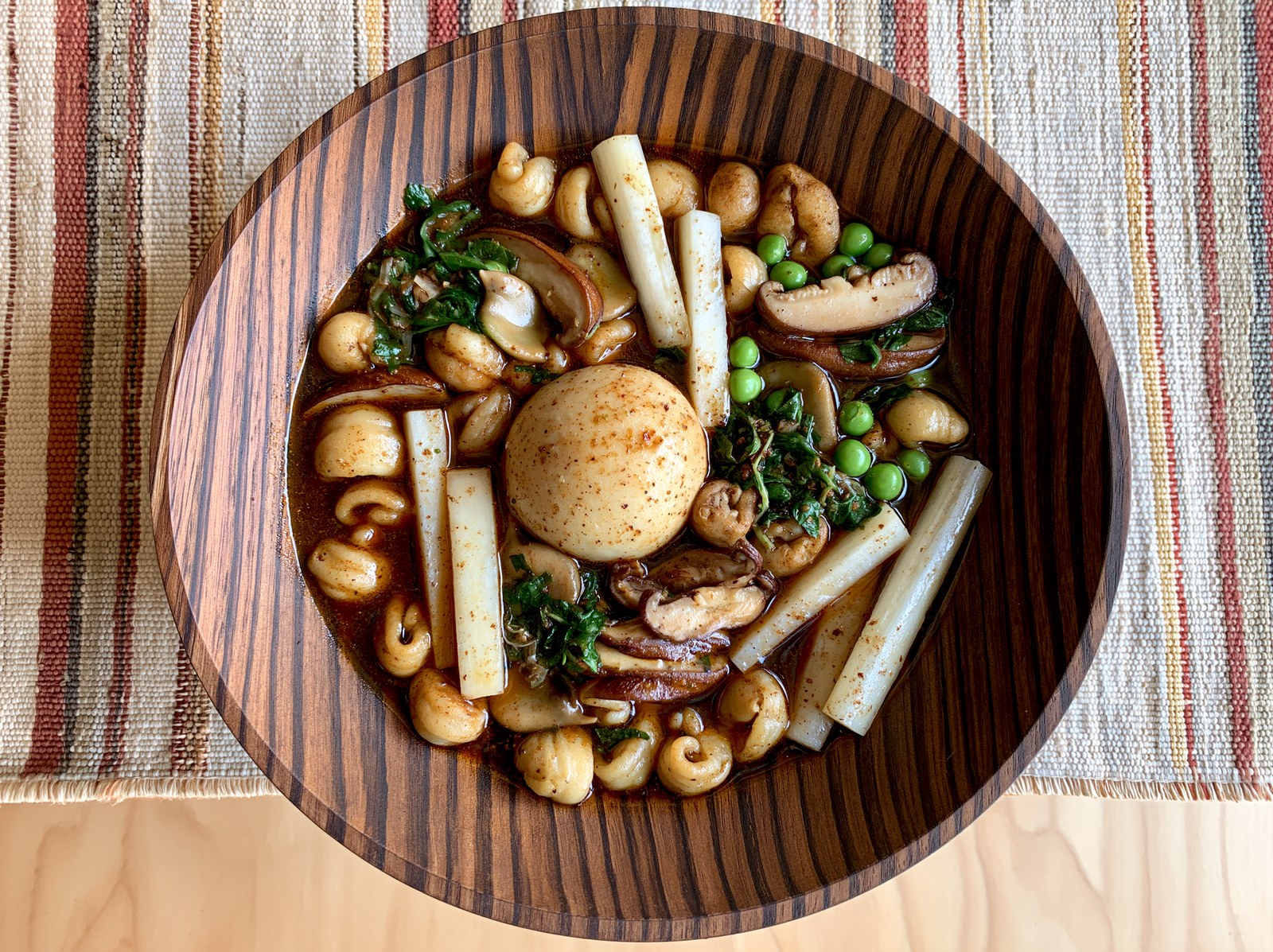
Guthuk
Guthuk, the Tibetan soup eaten once a year on Losar eve. Nine ingredients, pinched bhatsa noodles, and a fortune hidden in each diner’s dough ball.
-
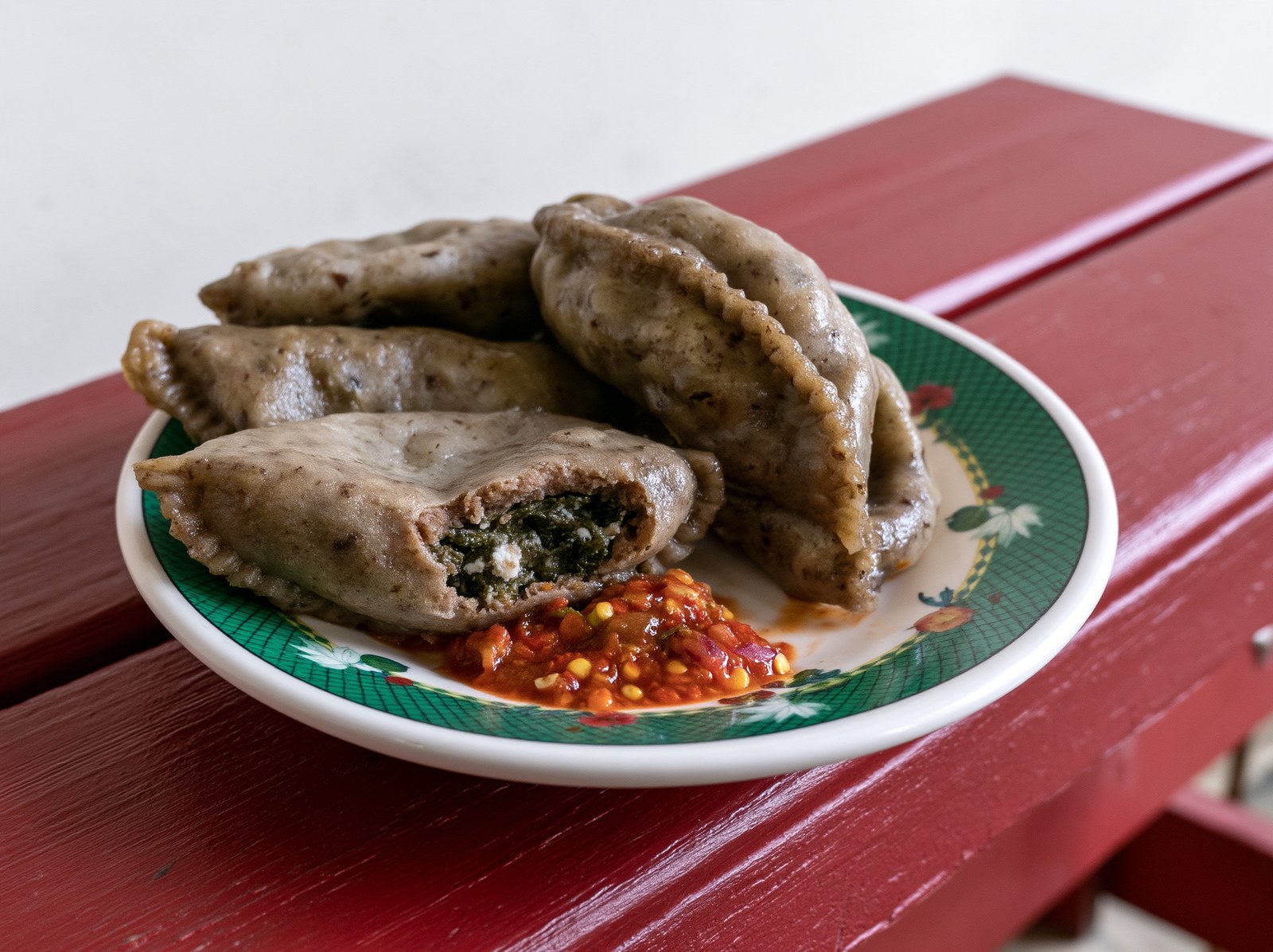
Hoentay
Hoentay, the buckwheat dumpling made once a year for Lomba in Bhutan’s Haa and Paro valleys, filled with turnip leaves, fresh cheese and amaranth seed.
Street Food & Snacks
-
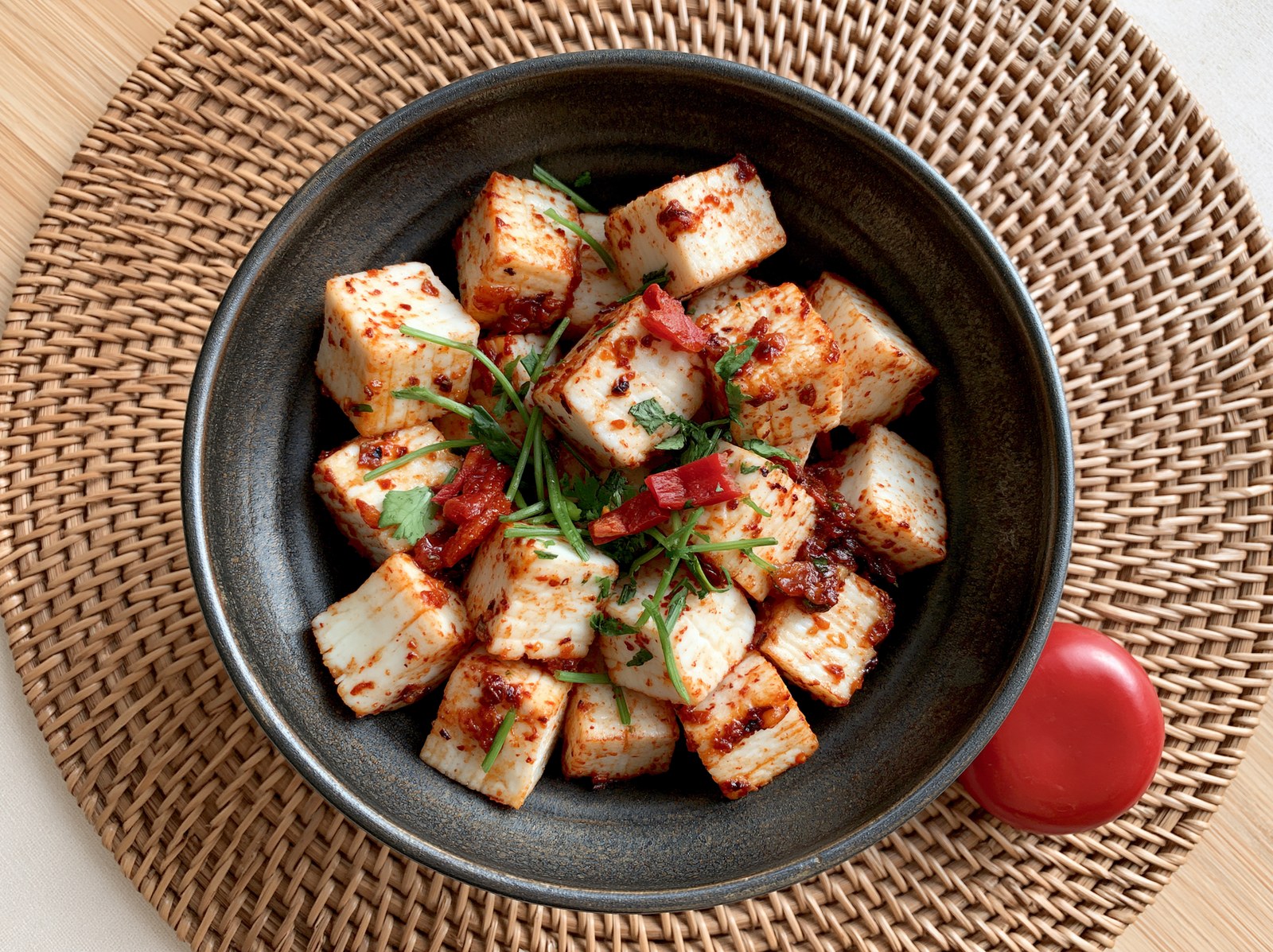
Chhurpi ko Achar
Chhurpi ko achar, the Himalayan side dish of soft yak or cow milk cheese cubed and turned through mustard oil, tomato, chilli and ginger.
-
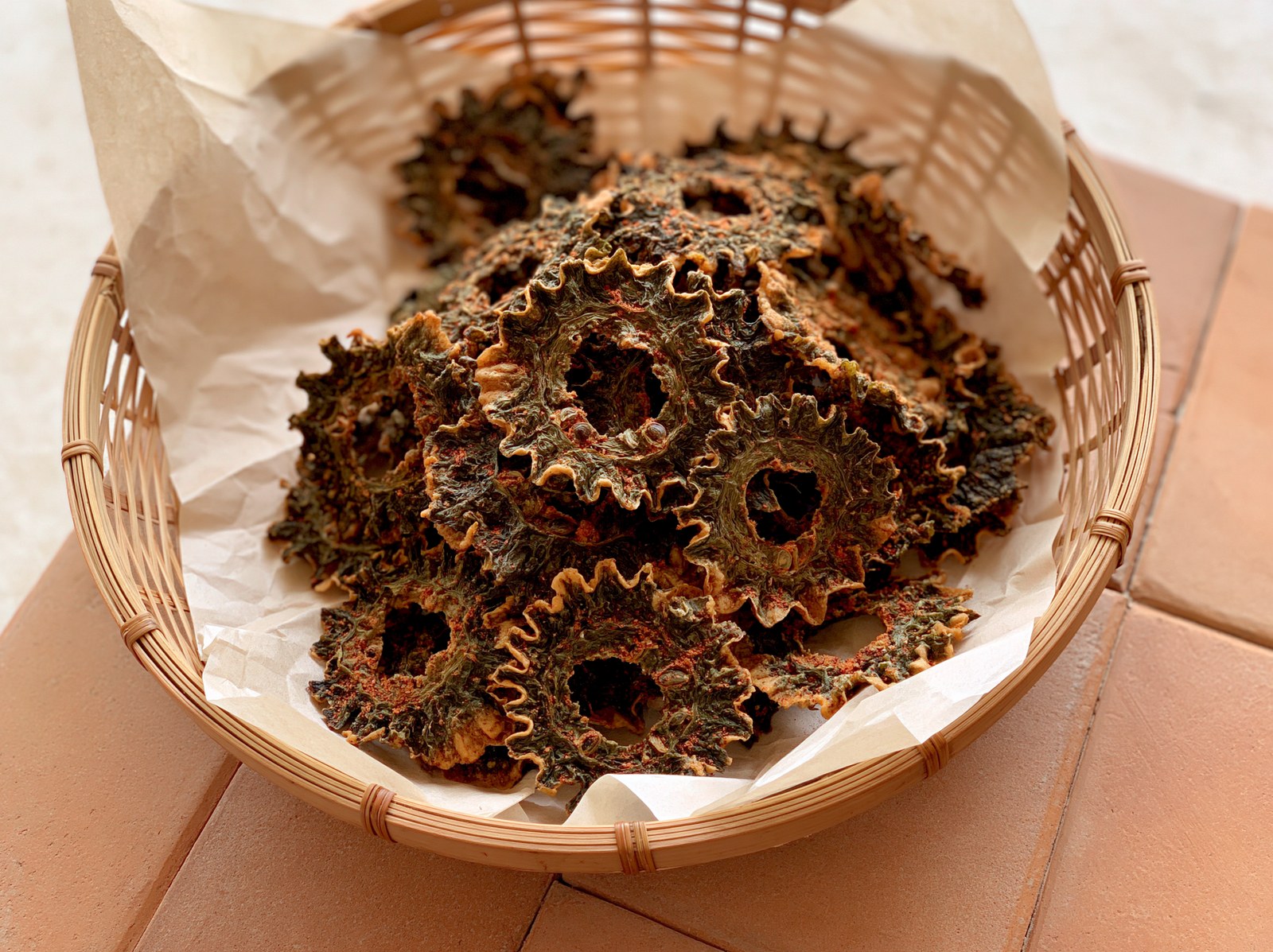
Khatem
Khatem, the Bhutanese snack of bitter gourd sliced paper thin and fried until it shatters, salted and eaten with tea or scattered over rice.
-
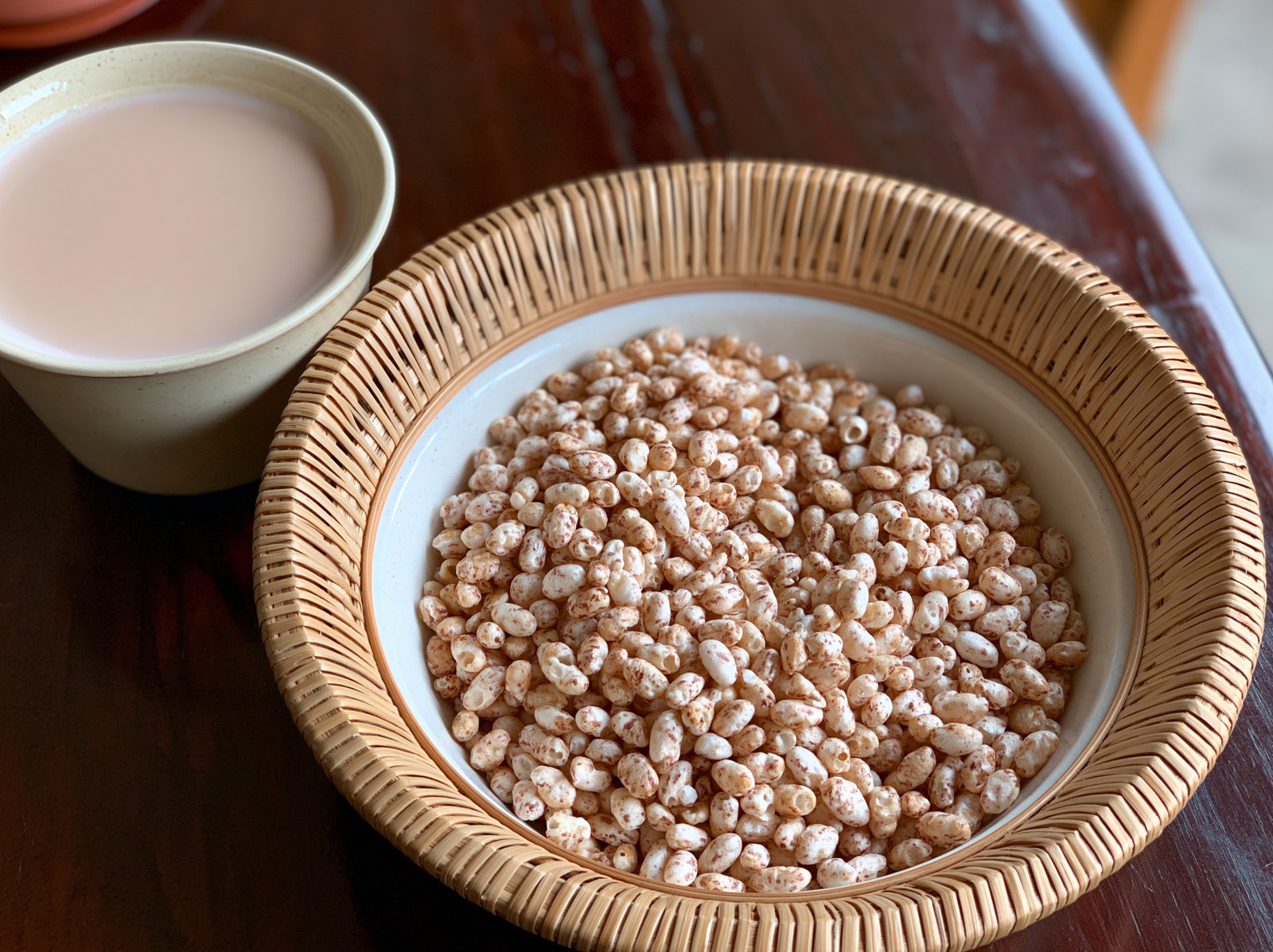
Zaw
Zaw, the roasted puffed red rice Bhutanese households keep for guests. Soaked, dried and dry-roasted until crisp, then tipped into butter tea.
-
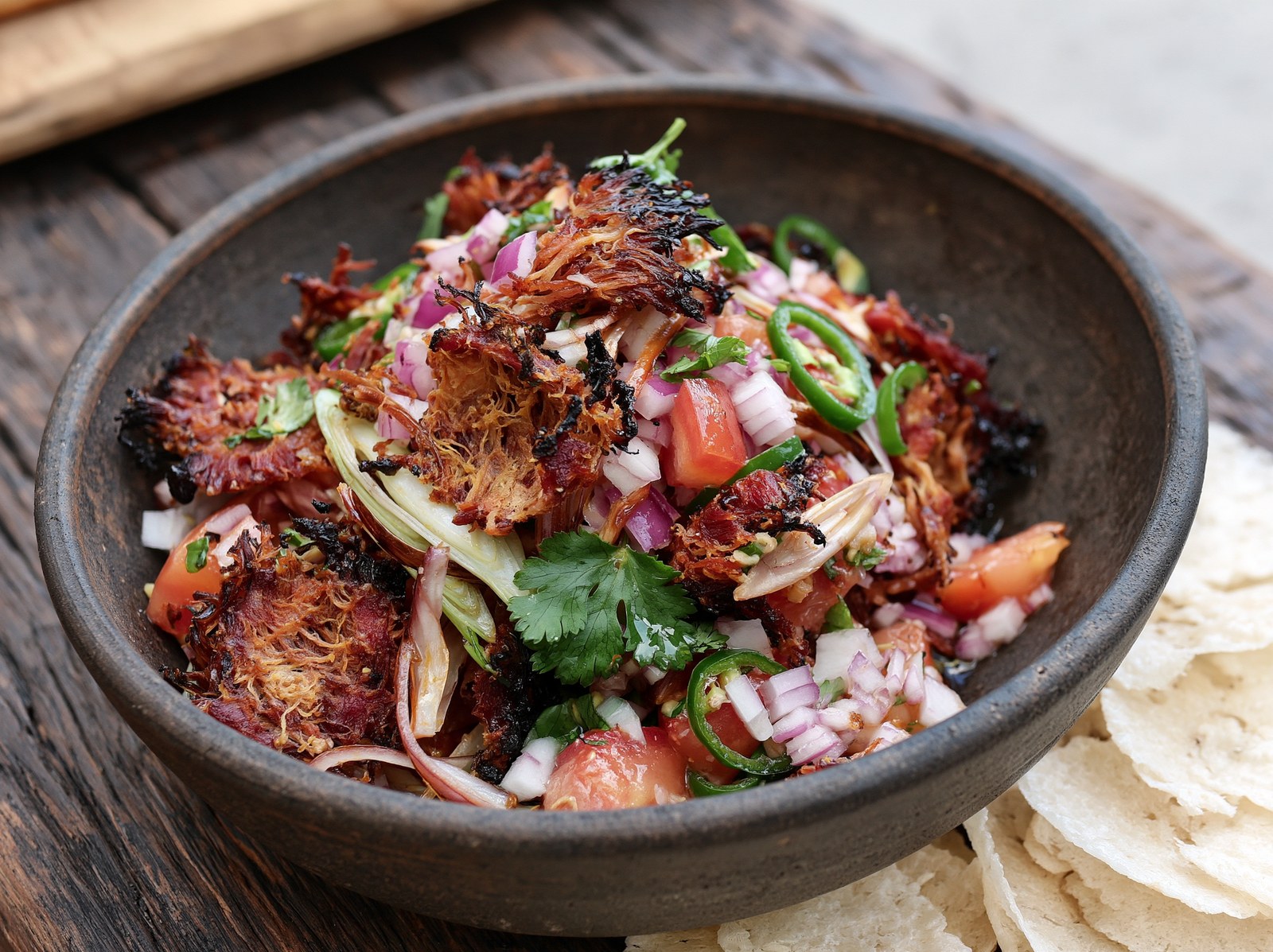
Sukuti Sadeko
Sukuti sadeko, the Nepali drinking plate of smoked dried buffalo soaked soft, pounded and tossed warm with onion, chilli, timur, lemon and mustard oil.
-
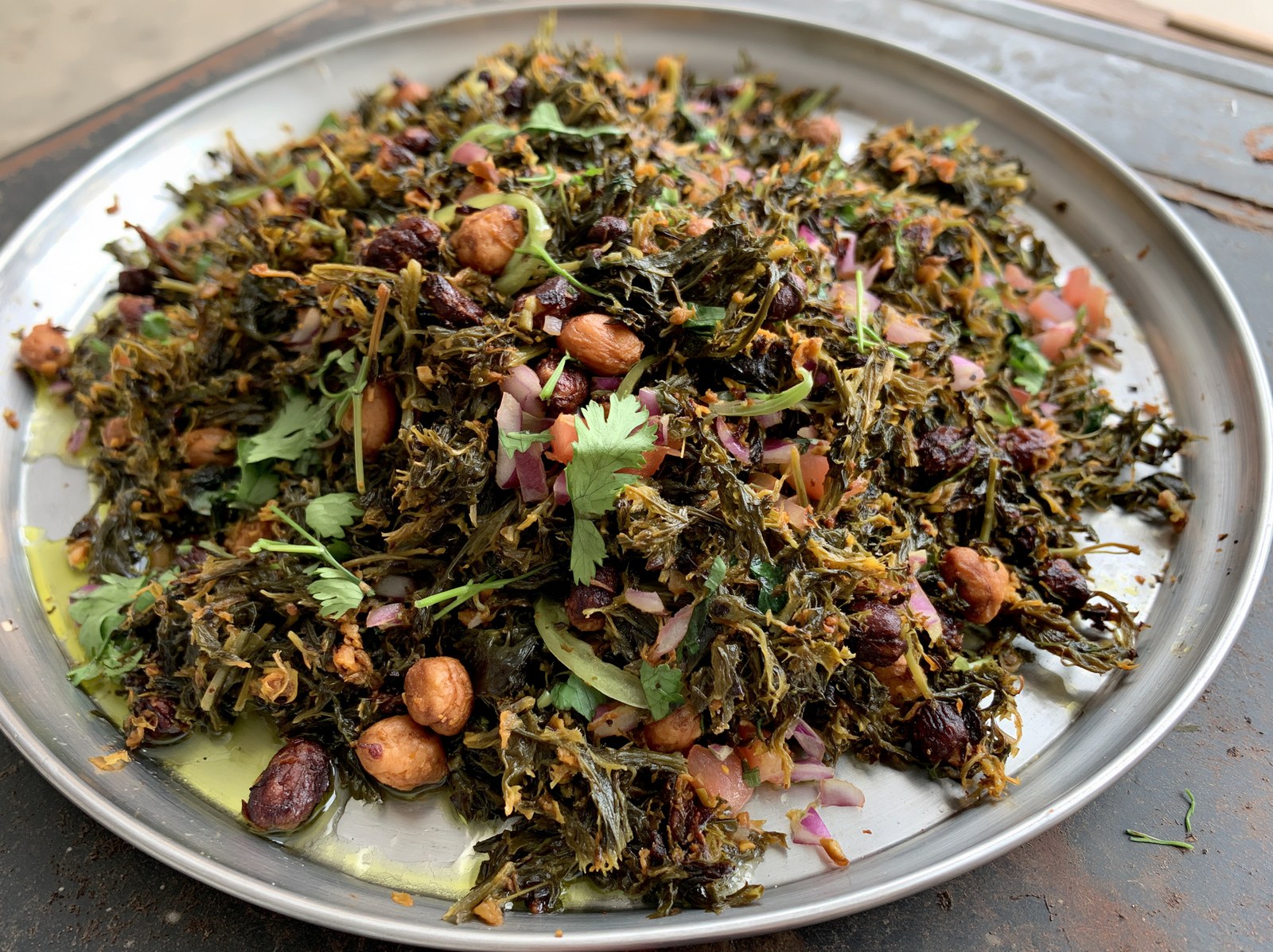
Gundruk Sadeko
Gundruk sadeko, the Nepali snack of fermented greens fried crisp and tossed warm with roasted black soybeans, raw onion, chilli, lemon and mustard oil.
-
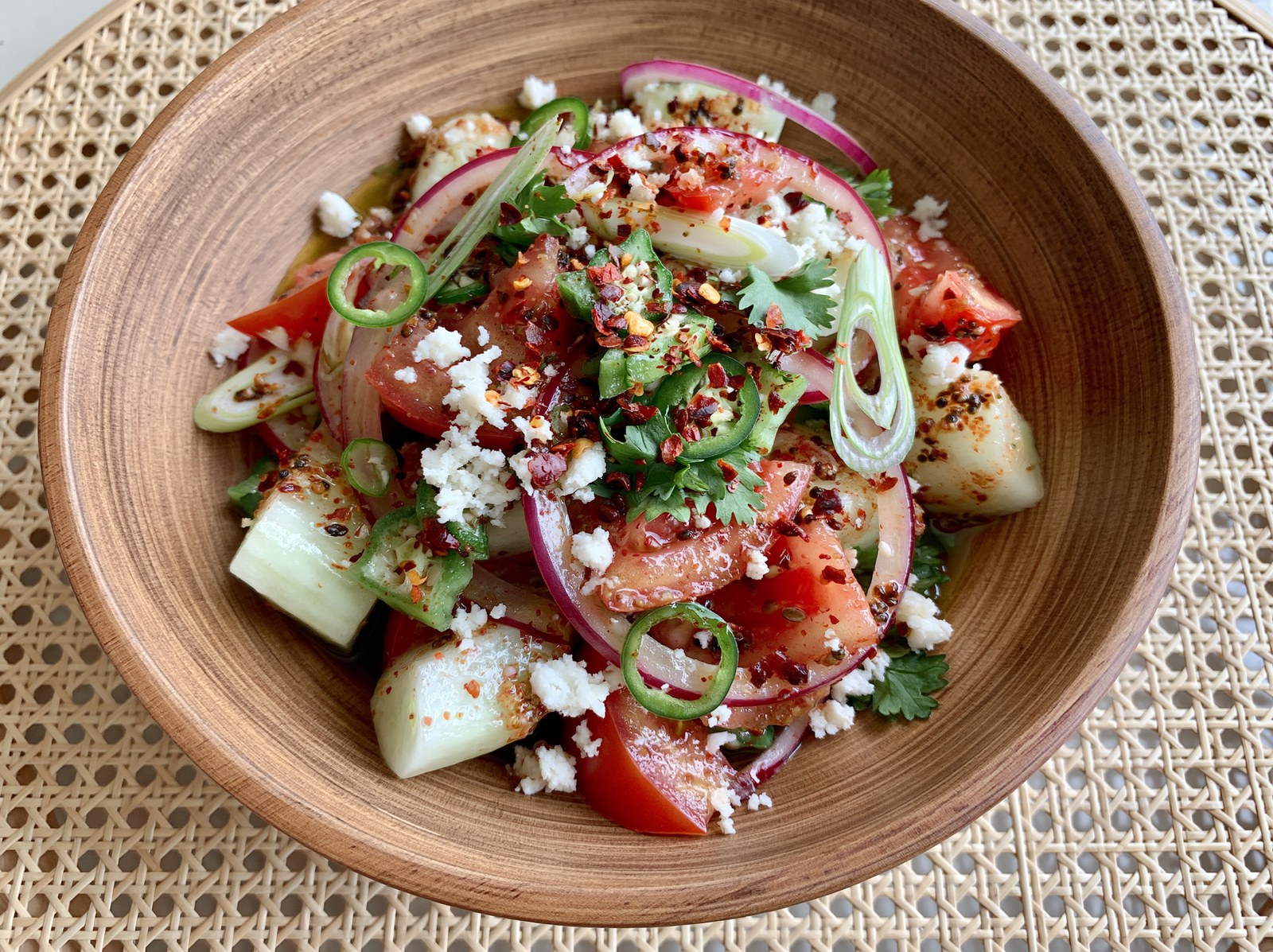
Goen Hogay
Goen hogay, the cold Bhutanese cucumber salad with tomato, onion and crumbled farm cheese, lifted by fresh chilli and ground Sichuan pepper.
-
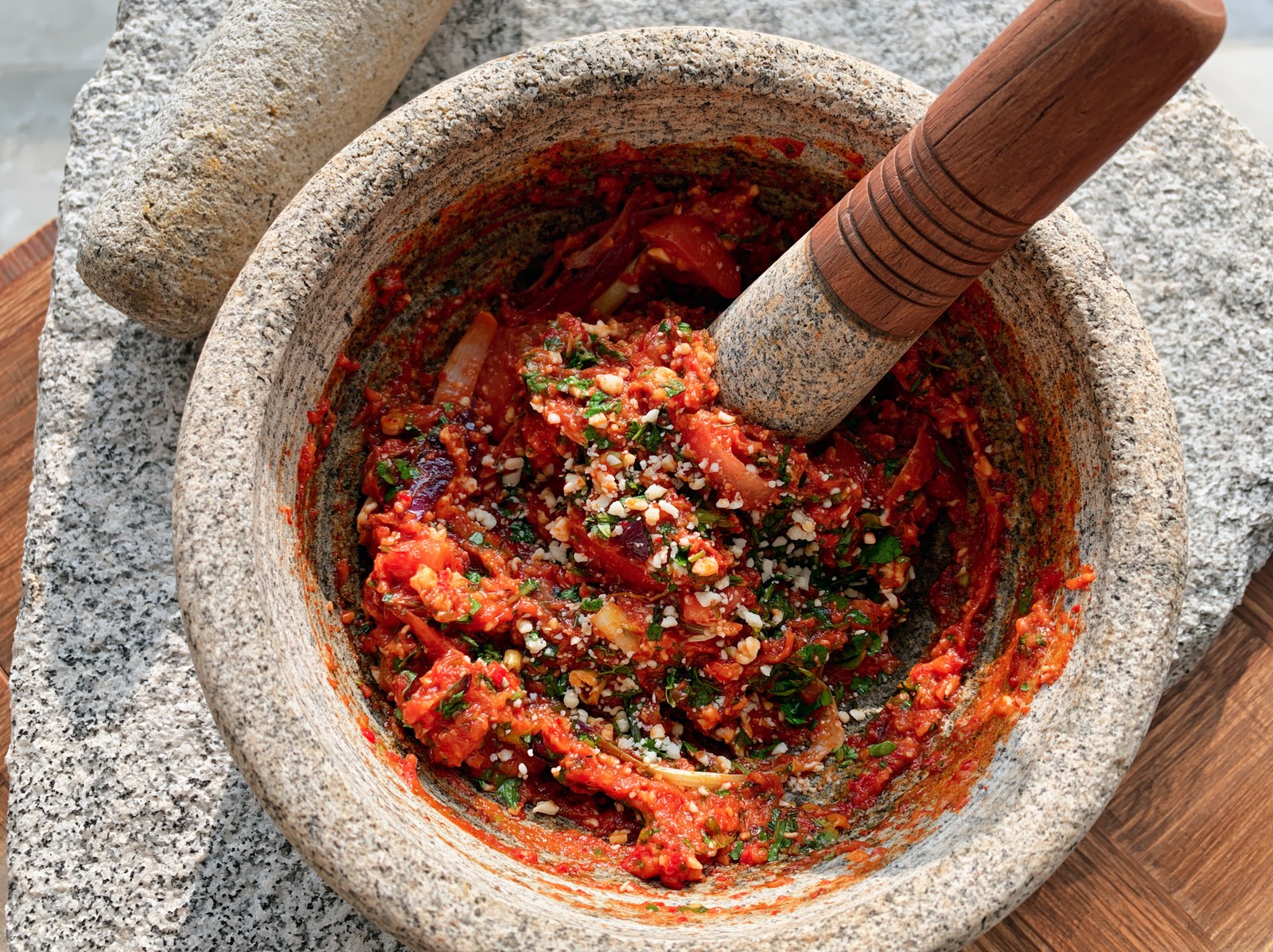
Ezay
Ezay, the chilli paste that sits beside every Bhutanese meal. Dried chillies pounded with tomato, onion, garlic and fresh cheese into a rough, fiery relish.
-
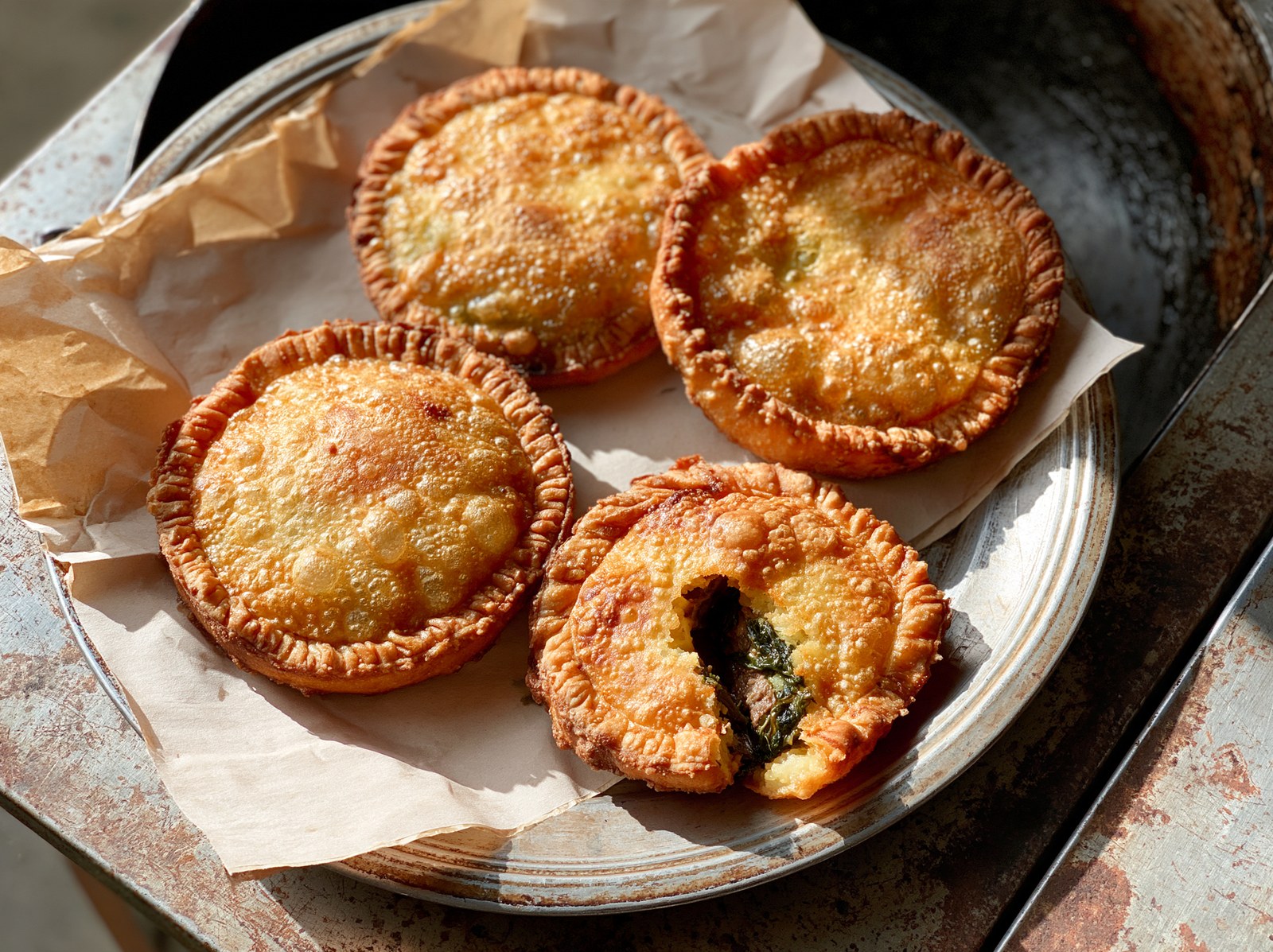
Sha Phaley
Sha phaley, the Tibetan fried meat bread. Spiced beef and greens sealed between two rounds of dough and fried until the crust blisters, eaten with soup.
-
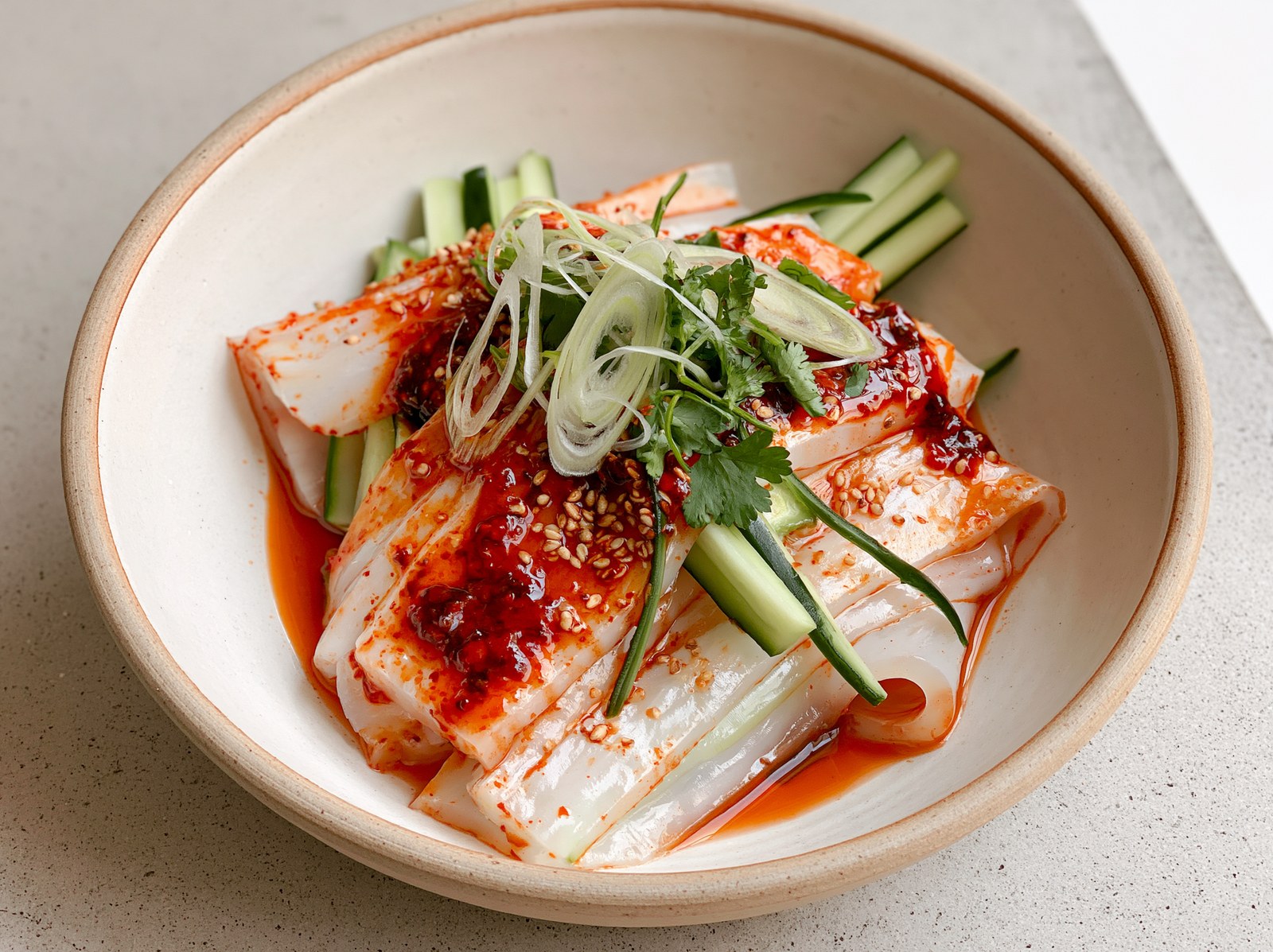
Laphing
Laphing, the cold Lhasa street snack of mung bean starch set to a firm gel, cut into wide slippery sheets and drowned in chilli oil, garlic and vinegar.
-
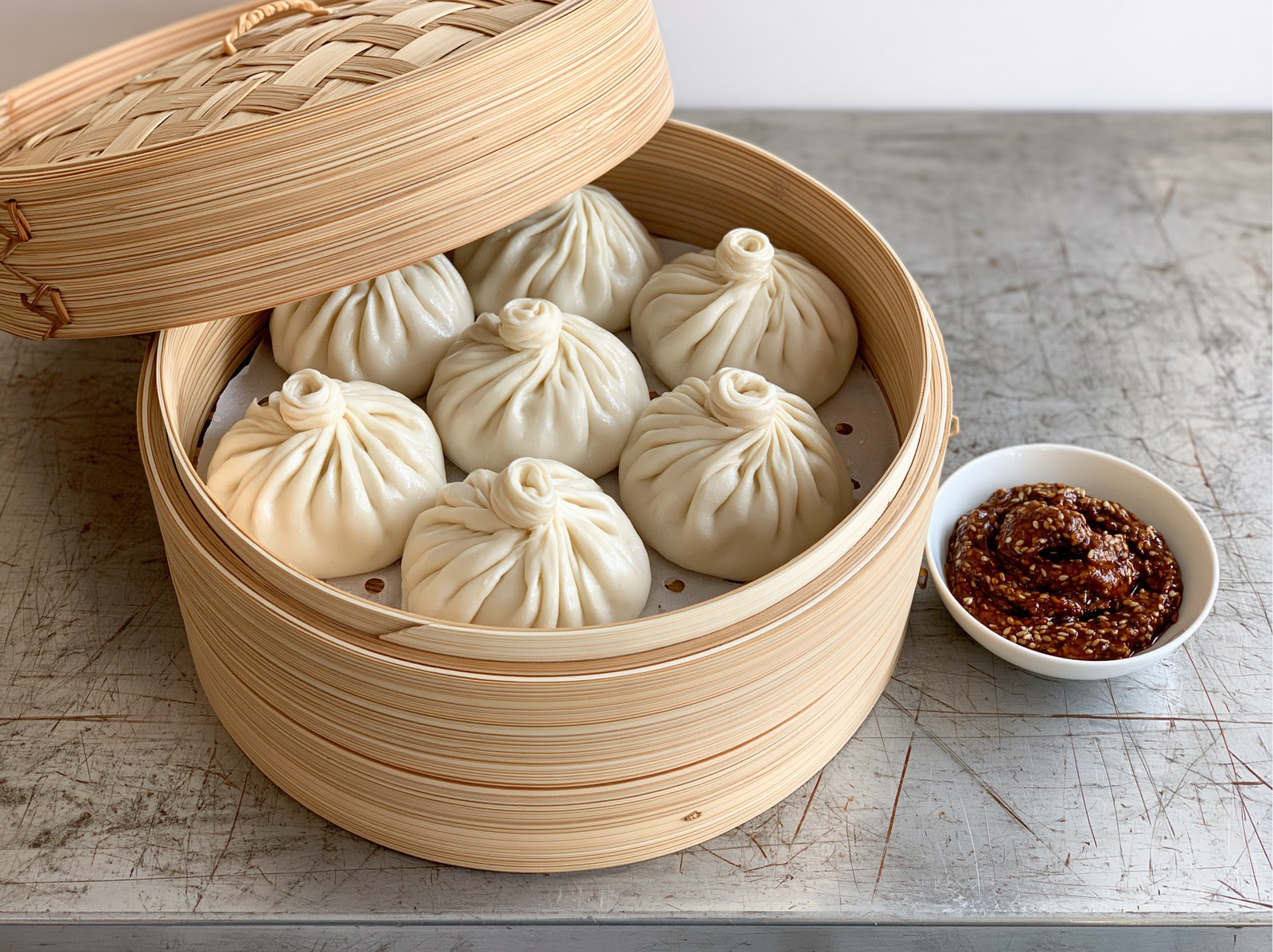
Momo
Momo, the steamed dumpling of Nepal and Tibet. Fatty spiced mince in a thin pleated wrapper, steamed until translucent and eaten with tomato sesame achar.
-
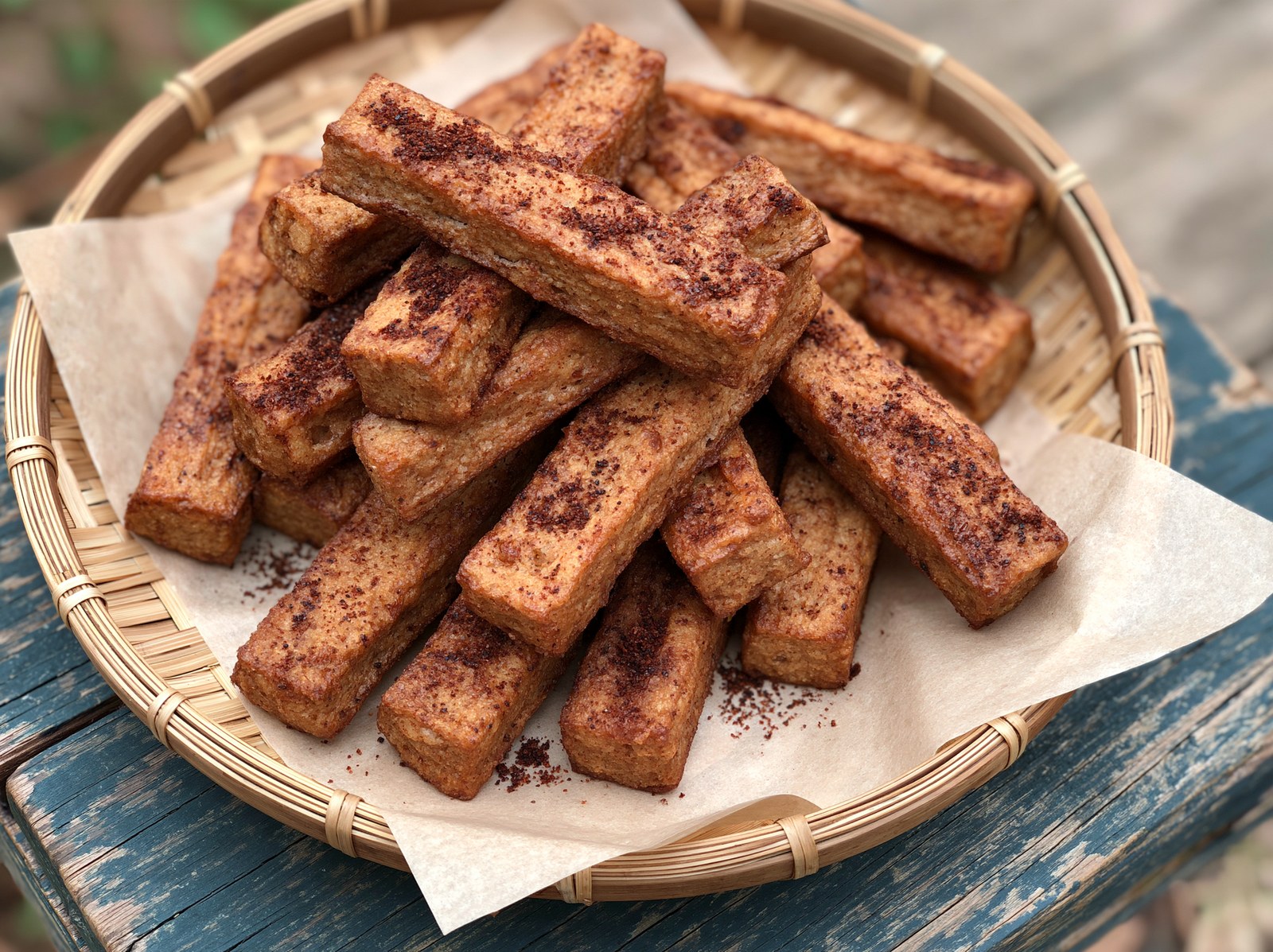
Kanchemba
Kanchemba, the Thakali snack of buckwheat flour cooked to a stiff dough, cut into fingers and fried crisp, eaten with a rub of roasted timur and chilli.
-
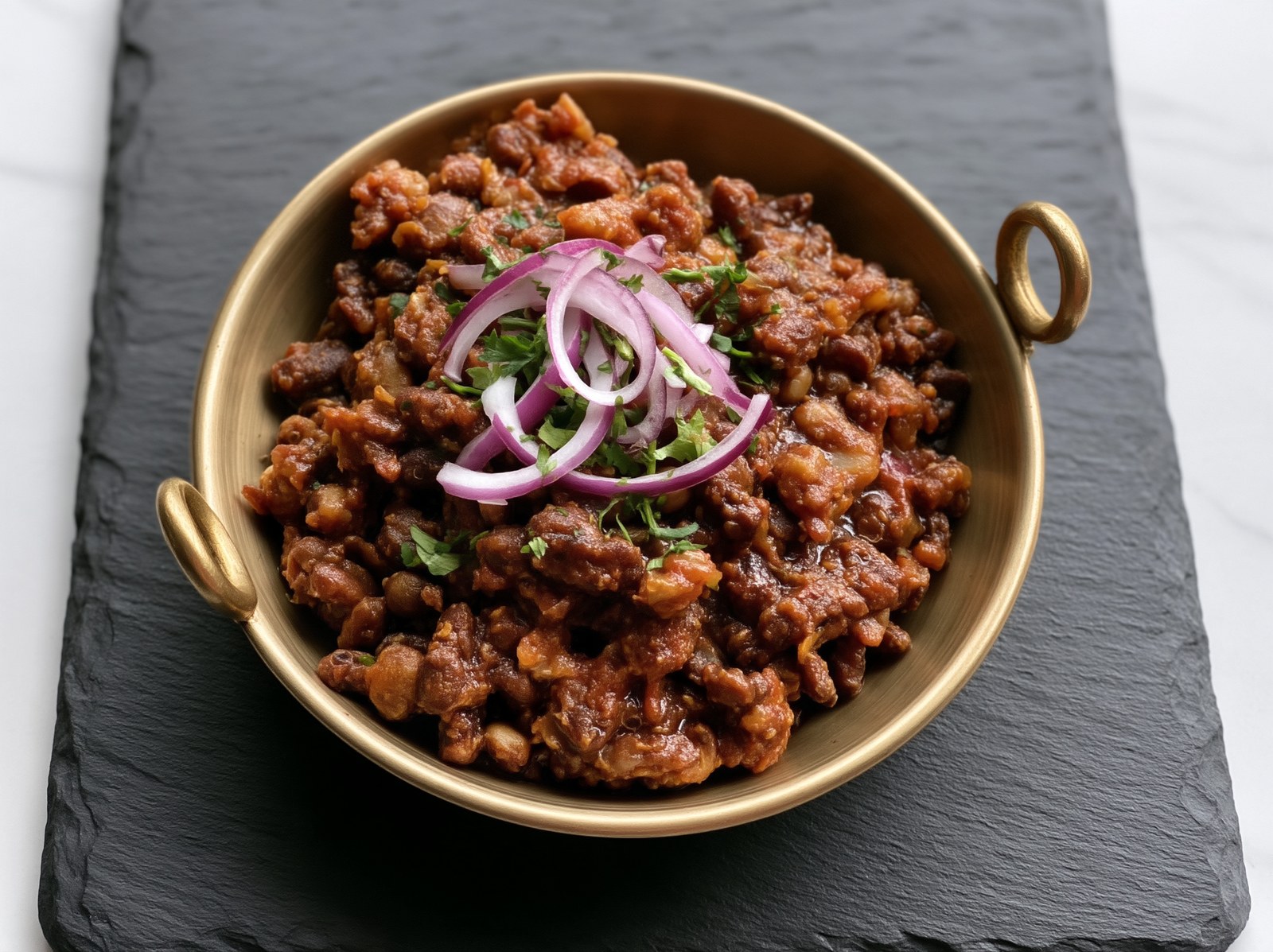
Kinema ra Golbheda ko Achar
Kinema ra golbheda ko achar, the eastern Nepali dish of fermented soybeans cooked down with tomato, sesame and timur until the pungency turns savoury.
Sweets & Desserts
-
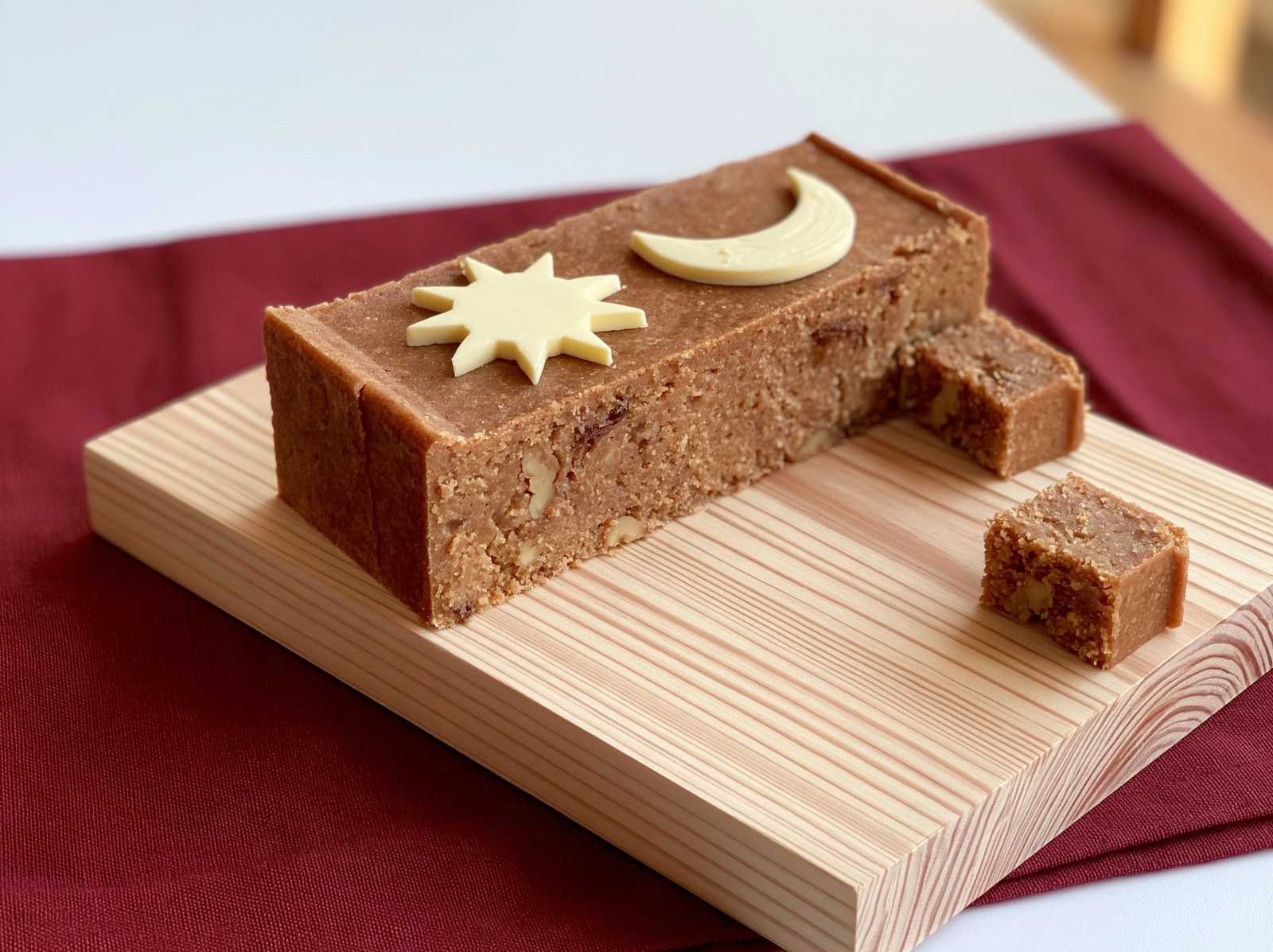
Thue
Thue, the Tibetan Losar sweet of hard cheese ground fine and worked by hand with brown sugar and butter into a no-bake brick.
-
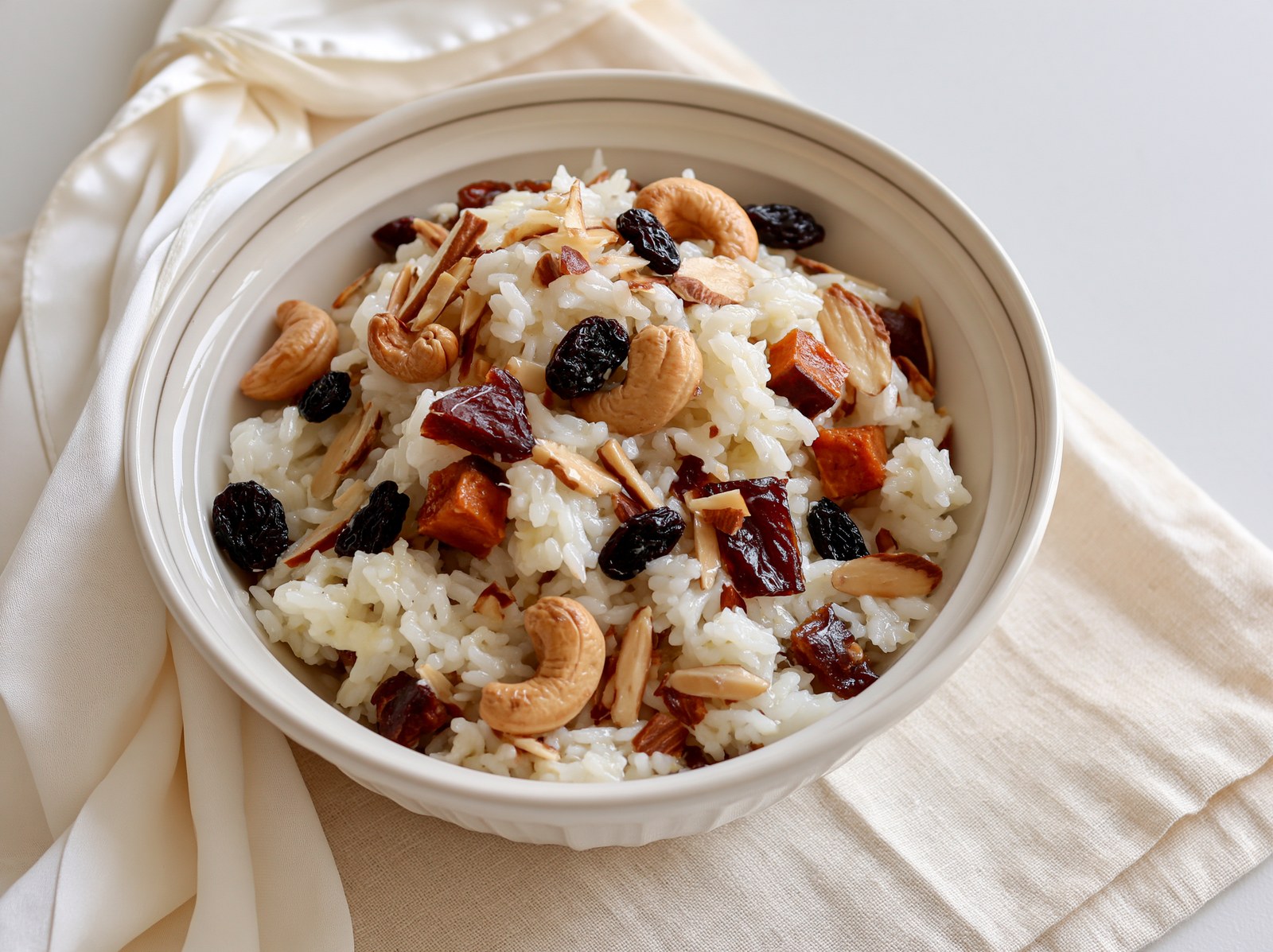
Dresil
Dresil, the white sweet rice offered first on the morning of Tibetan New Year, folded with butter, sugar, raisins, dates and nuts.
-
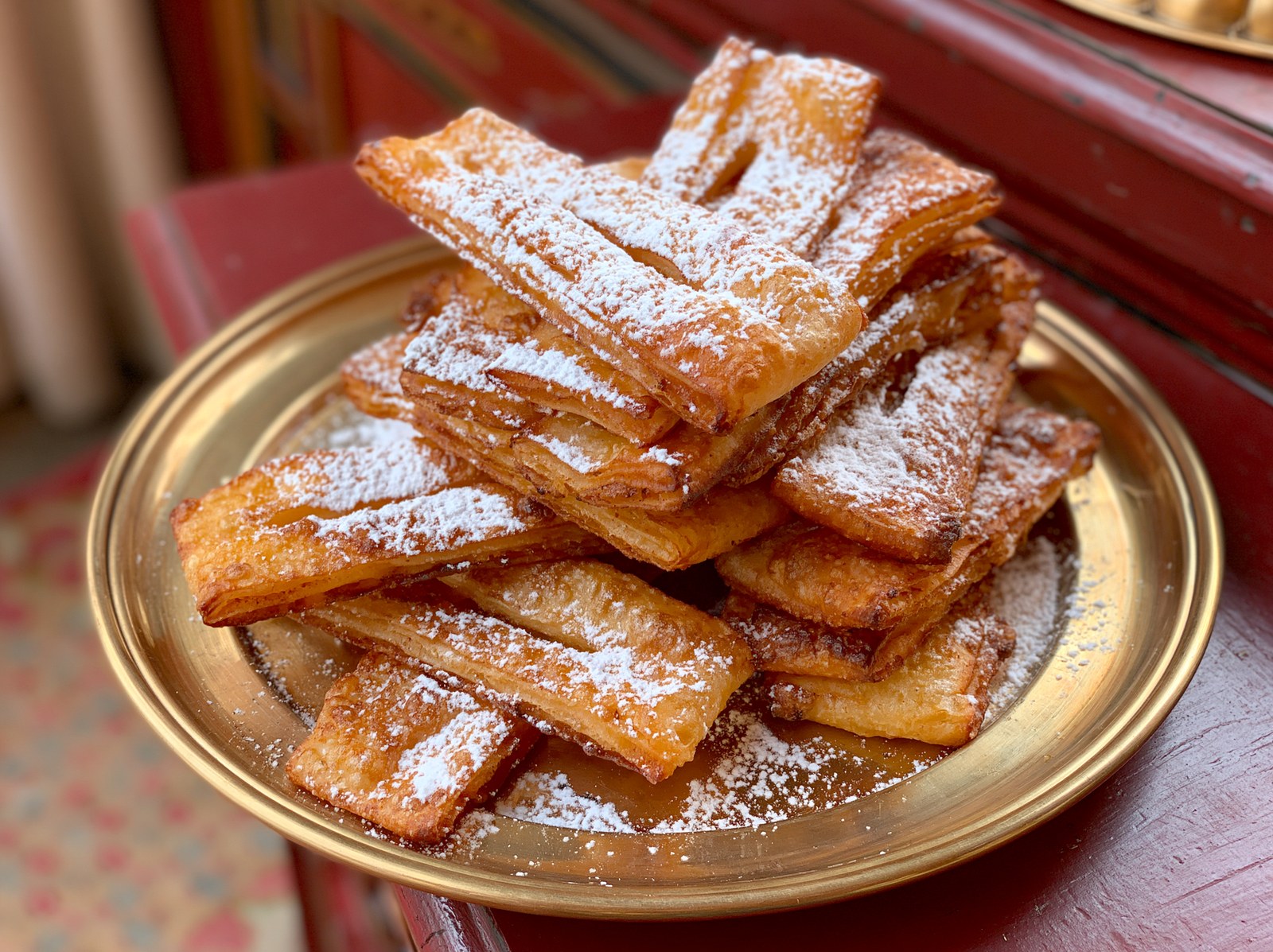
Khapse
Khapse, the barely sweet fried biscuit made for Losar in Tibetan and Bhutanese homes, twisted into shapes and eaten with butter tea or sweet milk tea.
Drinks
-
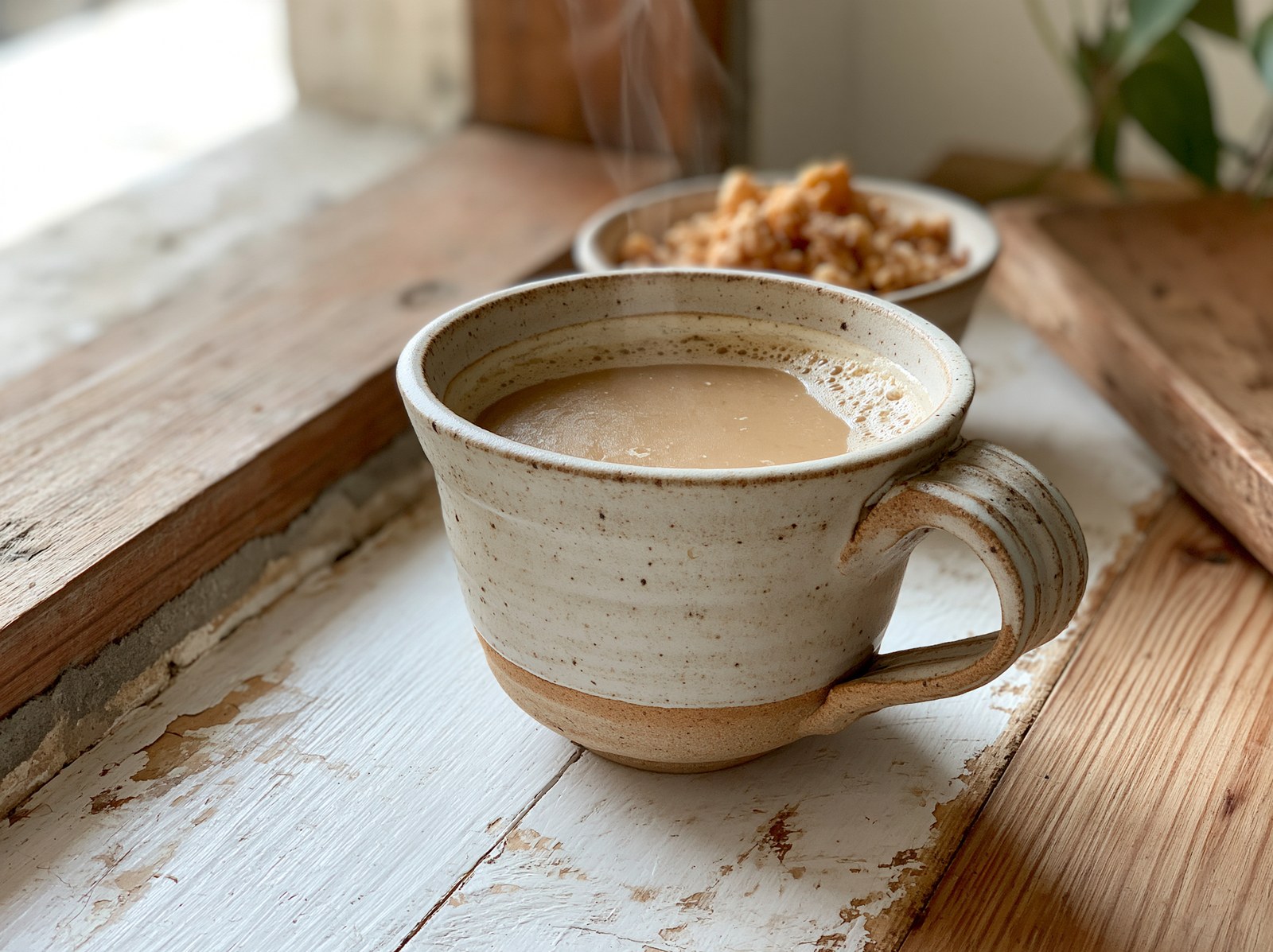
Ngaja
Ngaja, the sweet milk tea Bhutanese households drink through the day, boiled with whole milk and sugar and served with a handful of puffed rice.
-
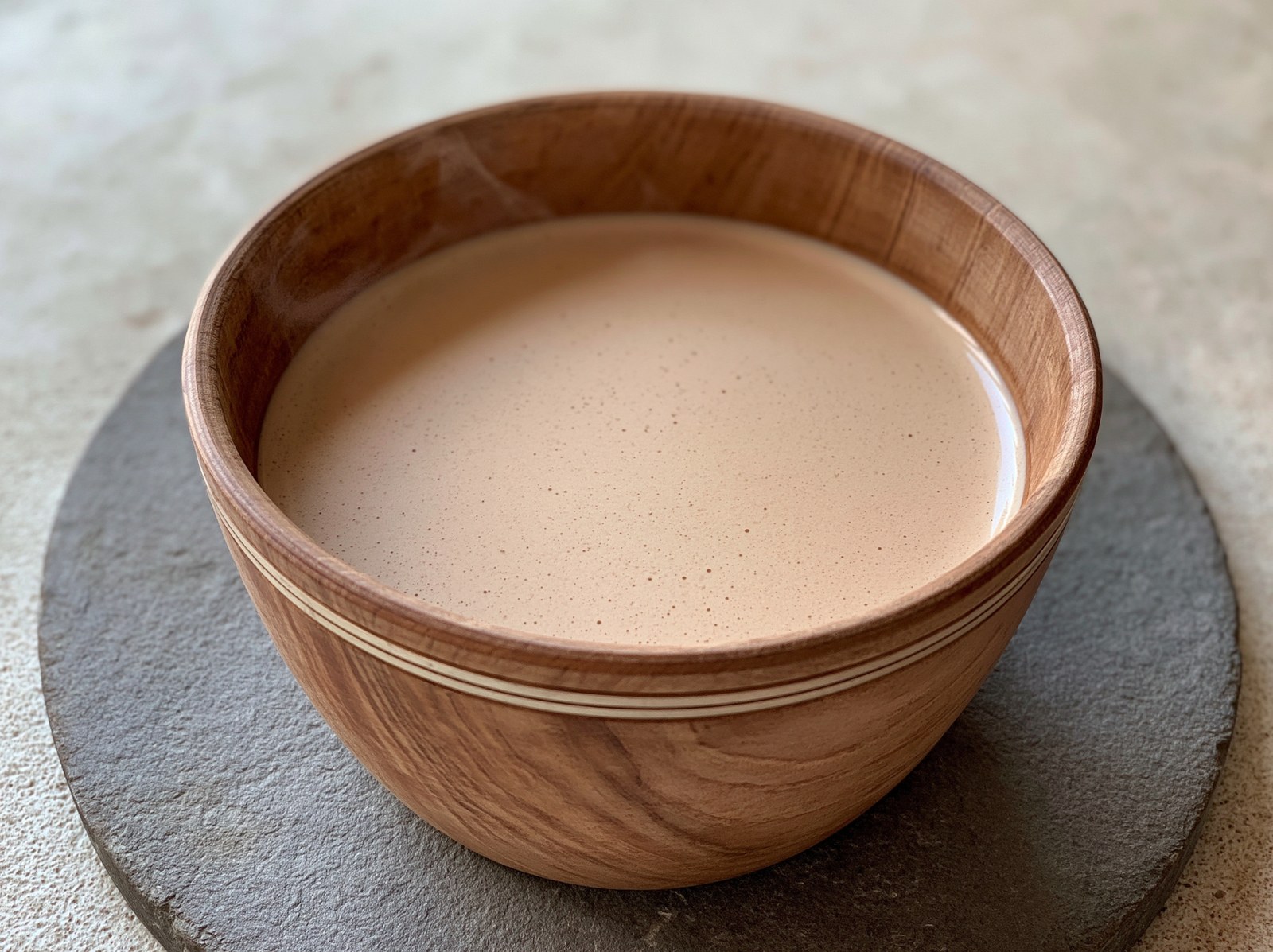
Po Cha
Po cha, the salted butter tea of Tibet, Bhutan and Ladakh. Dark tea boiled strong, then churned with butter and salt until opaque and emulsified.
Every dish in this atlas was found somewhere: a blog, a cookbook, a family. If there is a version that lives in your kitchen and nowhere else, it belongs here. Or if you think we are missing a dish that belongs, drop us a note using the link below.
Contribute →