The grain is roasted before it is ground.
Eastern Uttar Pradesh, Bihar and Jharkhand share one flood plain and a long history of needing food that keeps. The kitchen here is built on grain that has already been cooked once: roasted, parboiled, puffed or sun-dried, so that a meal can be put together without lighting a fire. The fat is mustard oil, not ghee. Bitterness is sought here rather than avoided, and the vegetarian cooking is austere by conviction as much as by economy.
Why it cooks as one zone
Bhojpuri, Magahi, Maithili and Nagpuri kitchens cook from one larder. What they have in common is the flood plain, and the state lines running across it make very little difference to what comes out of the pot. Lucknow is two hundred miles west and cooks nothing like this.
The move that defines the zone is processing the grain before it is needed. Gram is roasted and milled into sattu, a flour that is already food and needs only water. Rice is parboiled and rolled flat into chura, which softens in curd without heat, or puffed into muri. Lentils are ground, seasoned and dried on a roof into badi that will keep a year. Fuel was scarcer here than grain, and a larder you can eat without lighting anything is worth the labour it takes to build.
Where fire is used, it is often used without a pan. Litti are baked directly in the ash and embers of a dung or coal fire and cracked open at the table. The aubergine, tomato and potato for chokha go into the same embers, then get mashed with raw mustard oil and garlic. The blackened, split, ash-patched crust is what the method produces, and you should not cook around it.
Mustard oil is the fat, and using it raw is where much of the zone’s pungency comes from. Bitterness runs through the greens, the poppy seed and the karela, and nothing is done to soften it. Feeding crowds is its own culinary category here: bhandara food, cooked in vast pans at temples and festivals and given away, has its own dishes and its own proportions.
The pantry
The ingredients that make a dish belong to the Gangetic Heartland:
- Sattu, roasted gram milled to a flour that needs no cooking. Eaten as bread, as stuffing and as a drink.
- Mustard oil is the cooking fat, and poured raw over a mash or a bowl of curd it is the finish as well.
- Chura (flattened rice), parboiled and rolled flat, softened in curd rather than cooked.
- Urad badi. Ground lentil paste dried hard on a rooftop. Fry them until nutty before they go into a curry, or they stay chalky in the middle.
- Makhana, the puffed water-lily seed of the Mithila ponds, roasted for a snack or simmered into kheer.
- Poppy seed, ground for body and used whole for coating.
- Jaggery, worked into the dough of the sweets rather than poured over them.
- Sesame. Roasted and pounded with jaggery for the winter sweets.
- Parwal, the pointed gourd, fried as a vegetable and also hollowed and syruped as a sweet.
Where to find it
The difficulty with this list is grades and labels rather than availability.
In the UK, any South Asian grocer carries all of it. Sattu is sold as sattu or as roasted gram flour, and it is worth checking the label says roasted, because besan is raw and will not do. Chura is usually labelled poha; buy the thick grade. Makhana sits with the snacks, badi with the dried goods. Take mustard oil from the cooking-oil aisle rather than the pharmacy shelf, where it is still sold for external use. Parwal turns up fresh through the warmer months and frozen year-round.
In the US, Patel Brothers and the larger Indian grocers stock everything above, and makhana has crossed into health-food shops as fox nut. Deep and Laxmi for sattu and mustard oil, Swad for badi.
Rugra, the wild forest puffball of Jharkhand, has a season of about three weeks and does not travel. There is a substitute on the recipe that calls for it, and it is not the same thing.
The recipes
The everyday cooking of the plain, the dishes that mark a festival or a feeding, the street food of Banaras and Patna, the sweets of the winter fortnight, and the drinks.
Everyday & Weeknight
-
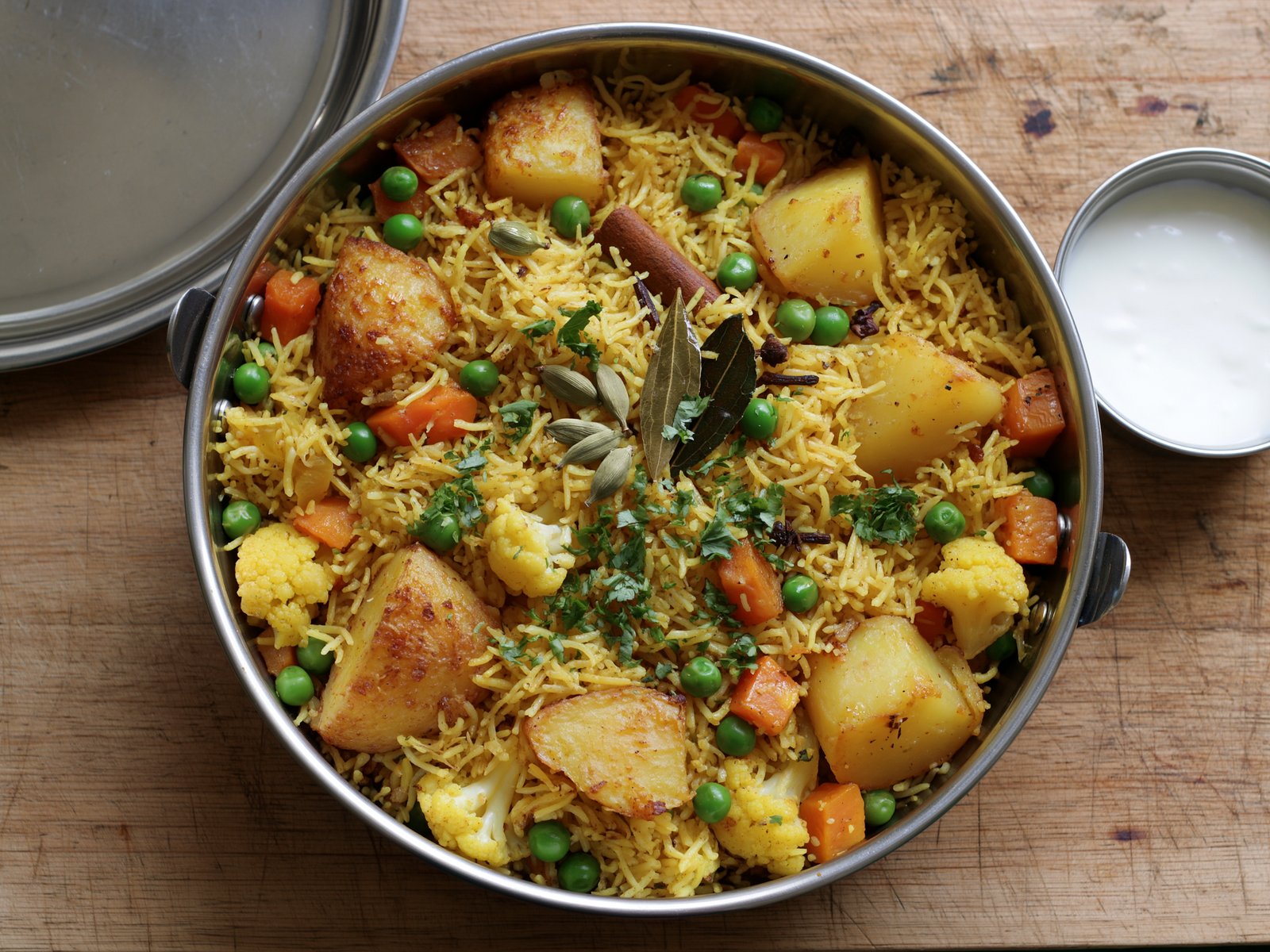
Tehri
Tehri: rice, potatoes and winter vegetables cooked together in one pot with whole spices and turmeric. Not layered like a biryani, and never made without potato.
-
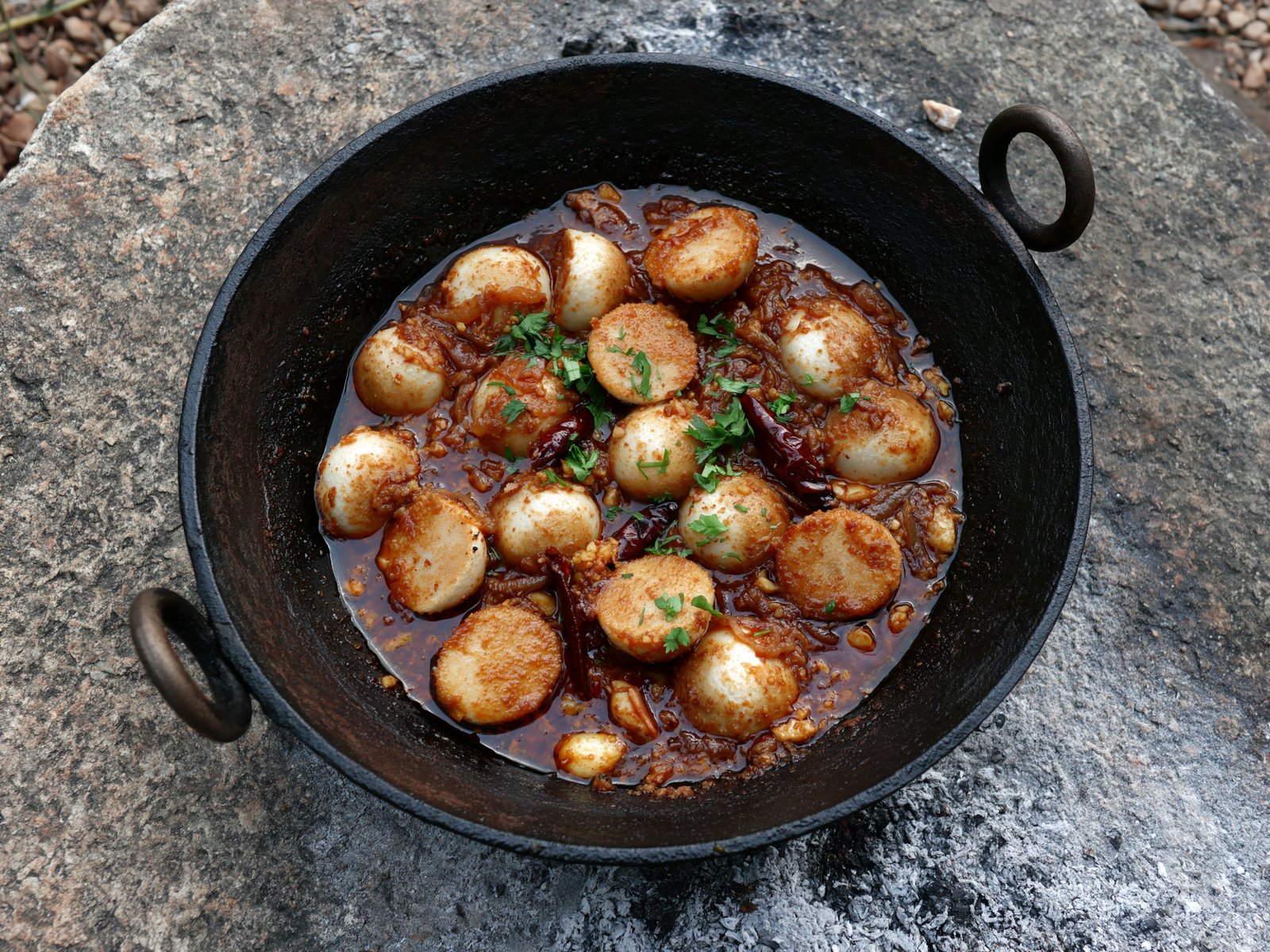
Rugra ki Sabzi
Rugra: a wild puffball foraged from sal roots in the Jharkhand monsoon, cooked in mustard oil with onion, garlic and turmeric. Uncultivable, and vanishing.
-
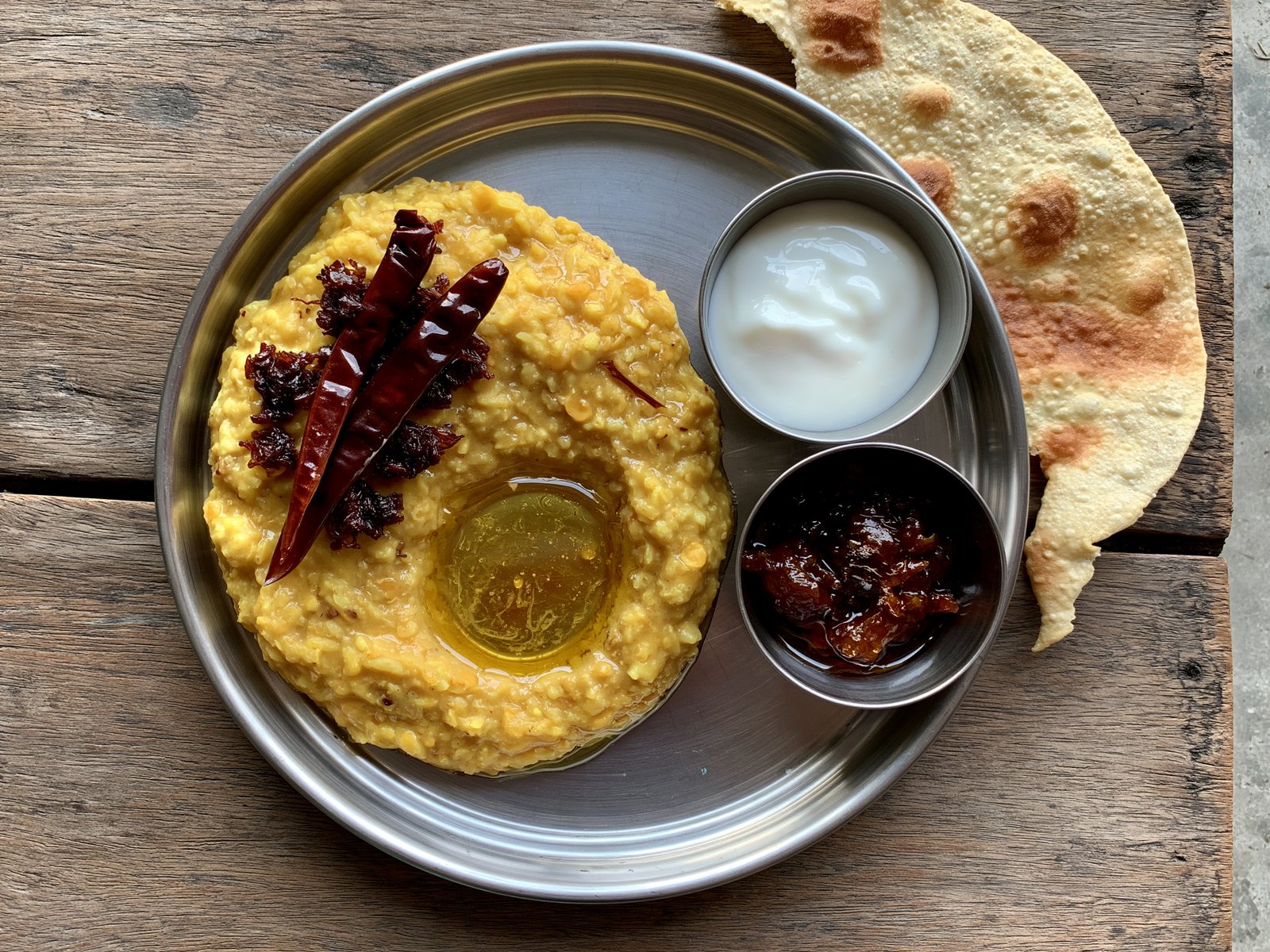
Khichdi ke Chaar Yaar
Bihari khichdi: rice with chana or masoor dal, tempered with onion and red chilli, served the only way Bihar serves it — with curd, papad, ghee and pickle.
-
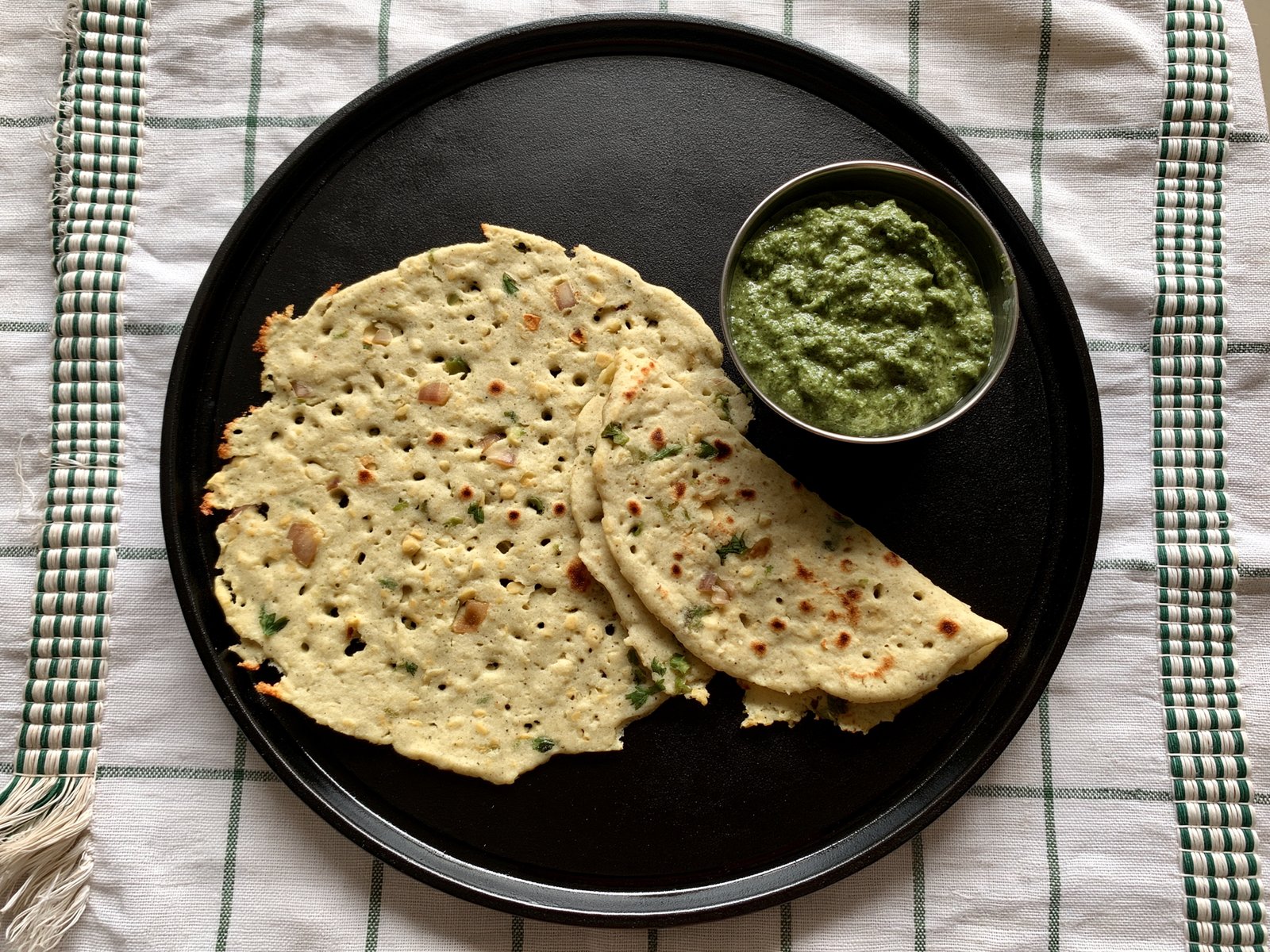
Chilka Roti
Chilka roti: rice and chana dal soaked overnight, ground at dawn and spread thin on a hot griddle. A naturally gluten-free Jharkhandi breakfast.
-
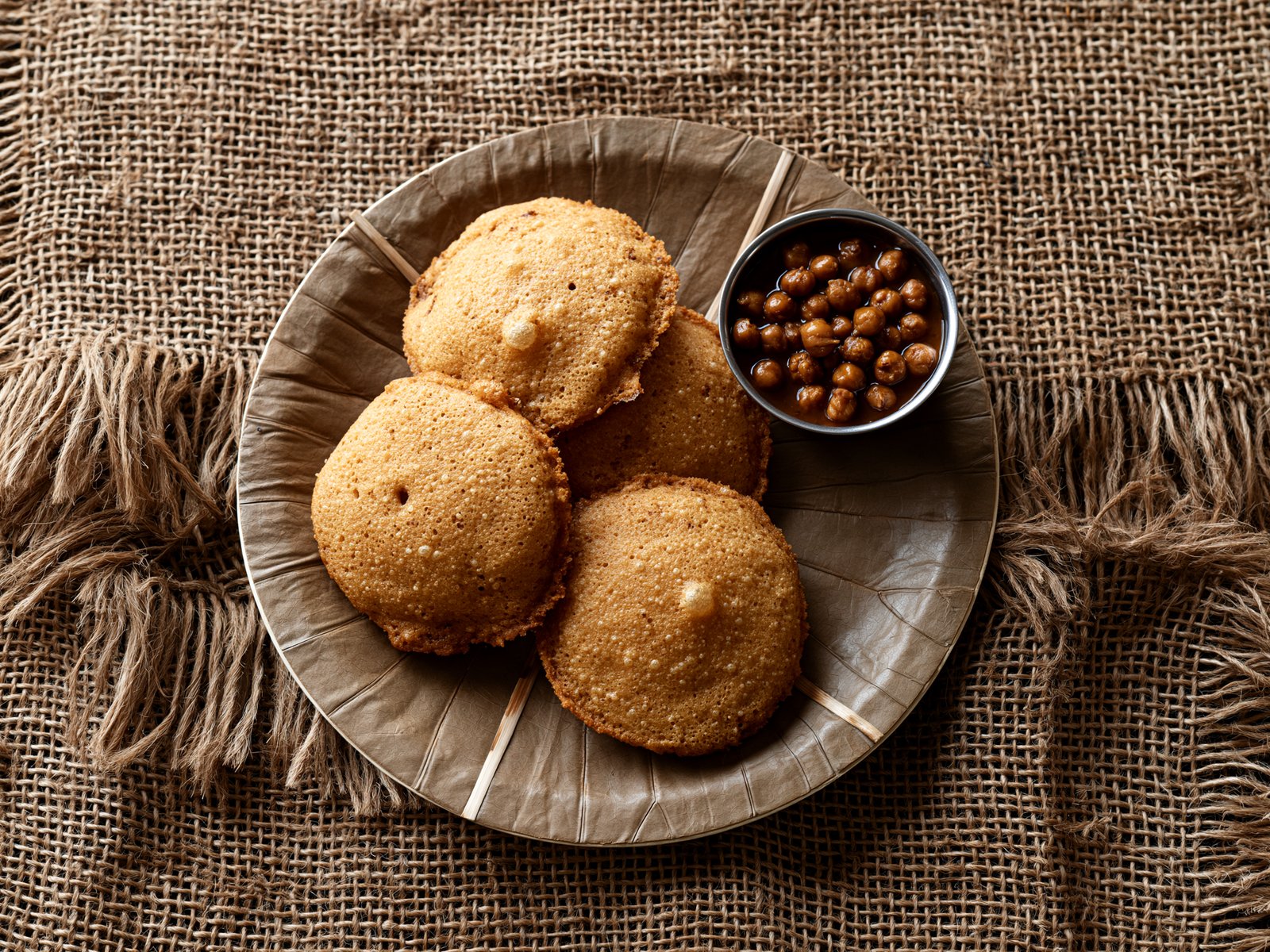
Dhuska
Dhuska: soaked rice and chana dal ground to a batter and deep-fried until burnished outside and soft within. Jharkhand market food, served with ghugni.
-
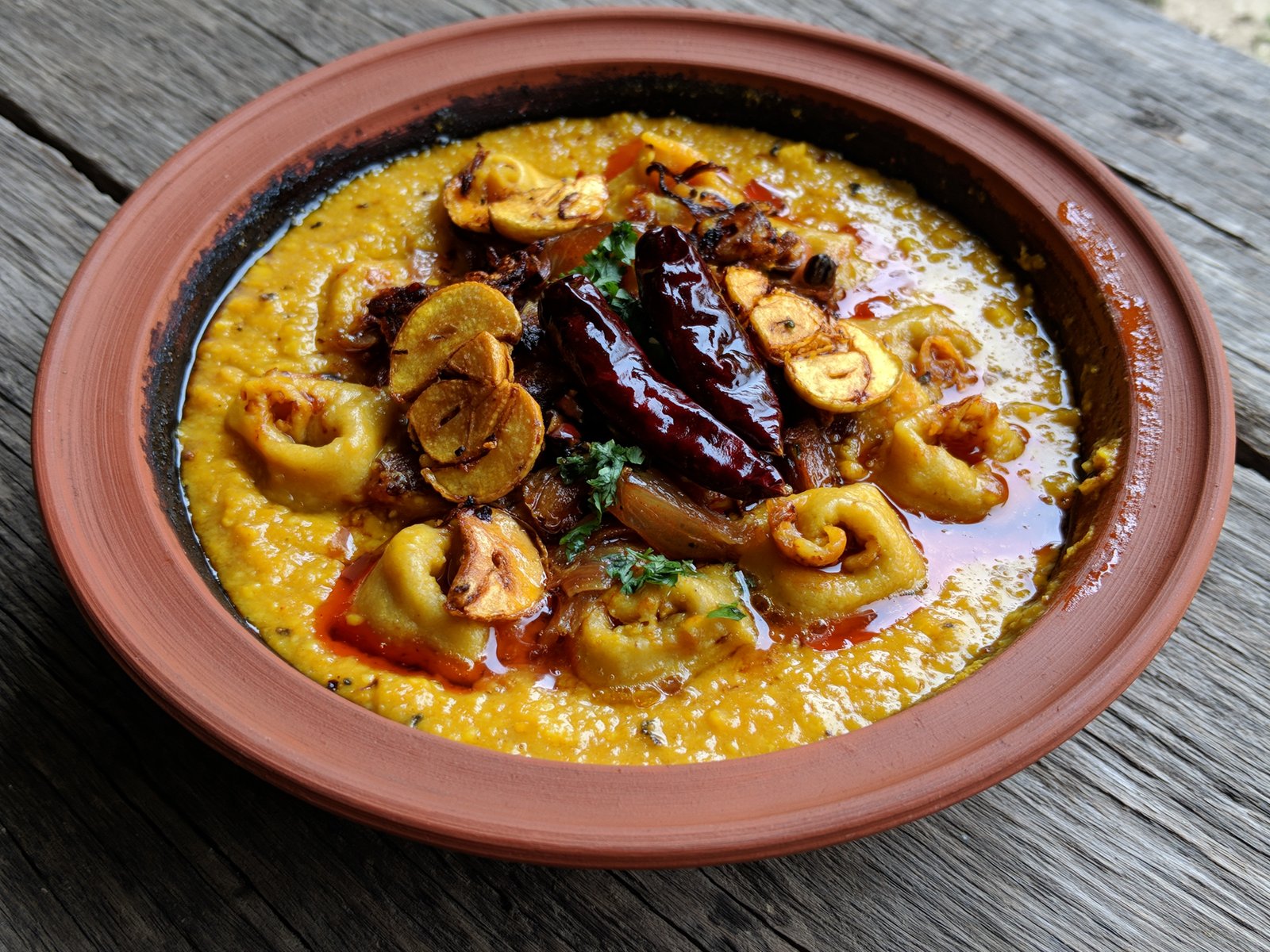
Dal Pithi
Dal pithi, or dal dulhan: hand-pressed wheat dumplings simmered inside arhar dal until the pot thickens, finished with a garlic and ghee tempering.
-
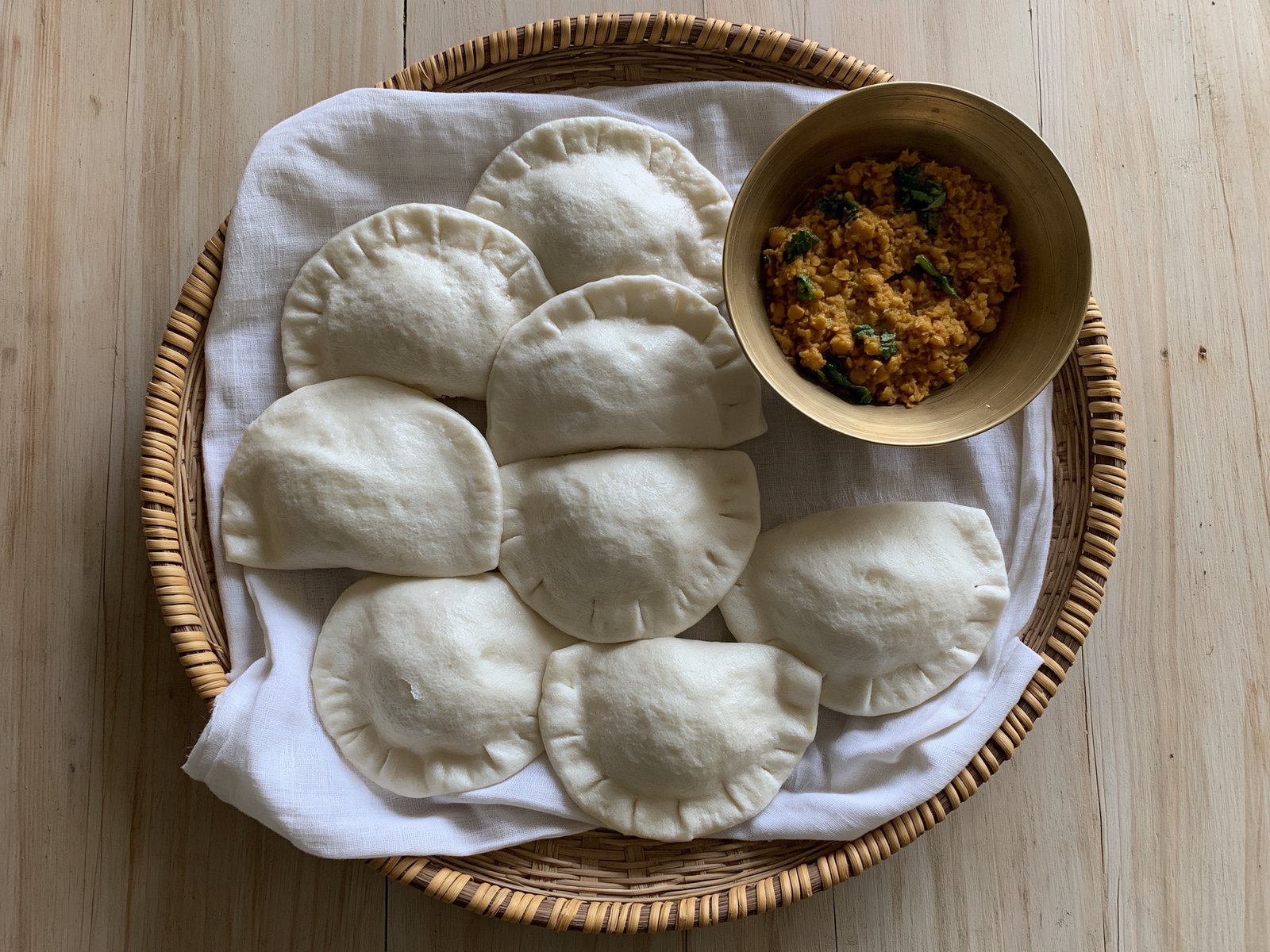
Dal Pittha
Dal pittha: rice flour scalded into a hot dough, filled with coarse-ground spiced chana dal and steamed. Bihar’s soft, oil-free stuffed dumpling.
-
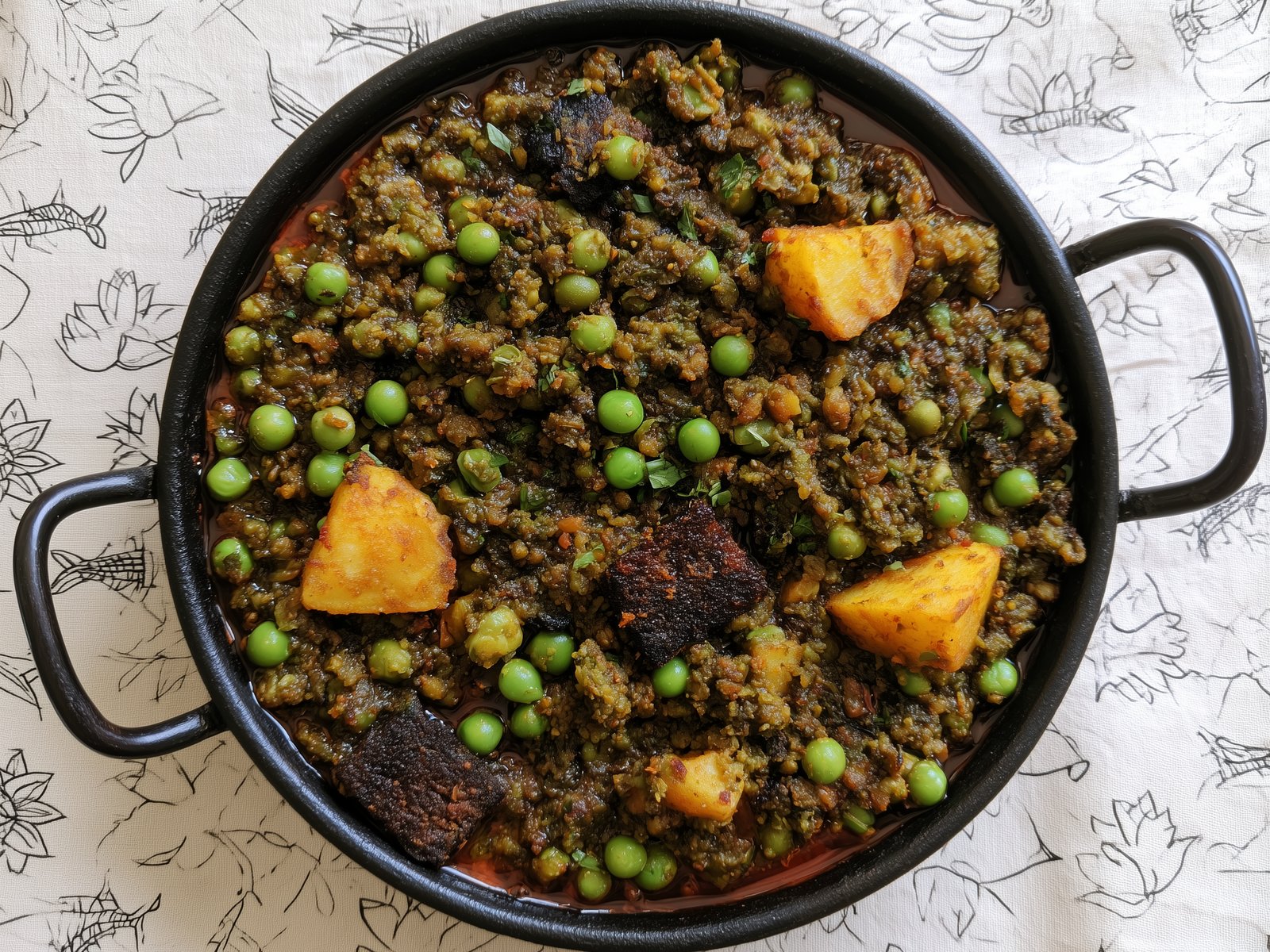
Nimona
Nimona: winter peas ground coarse and fried in mustard oil until the fat rises, then stewed with potatoes. The eastern version, left deliberately chunky.
-
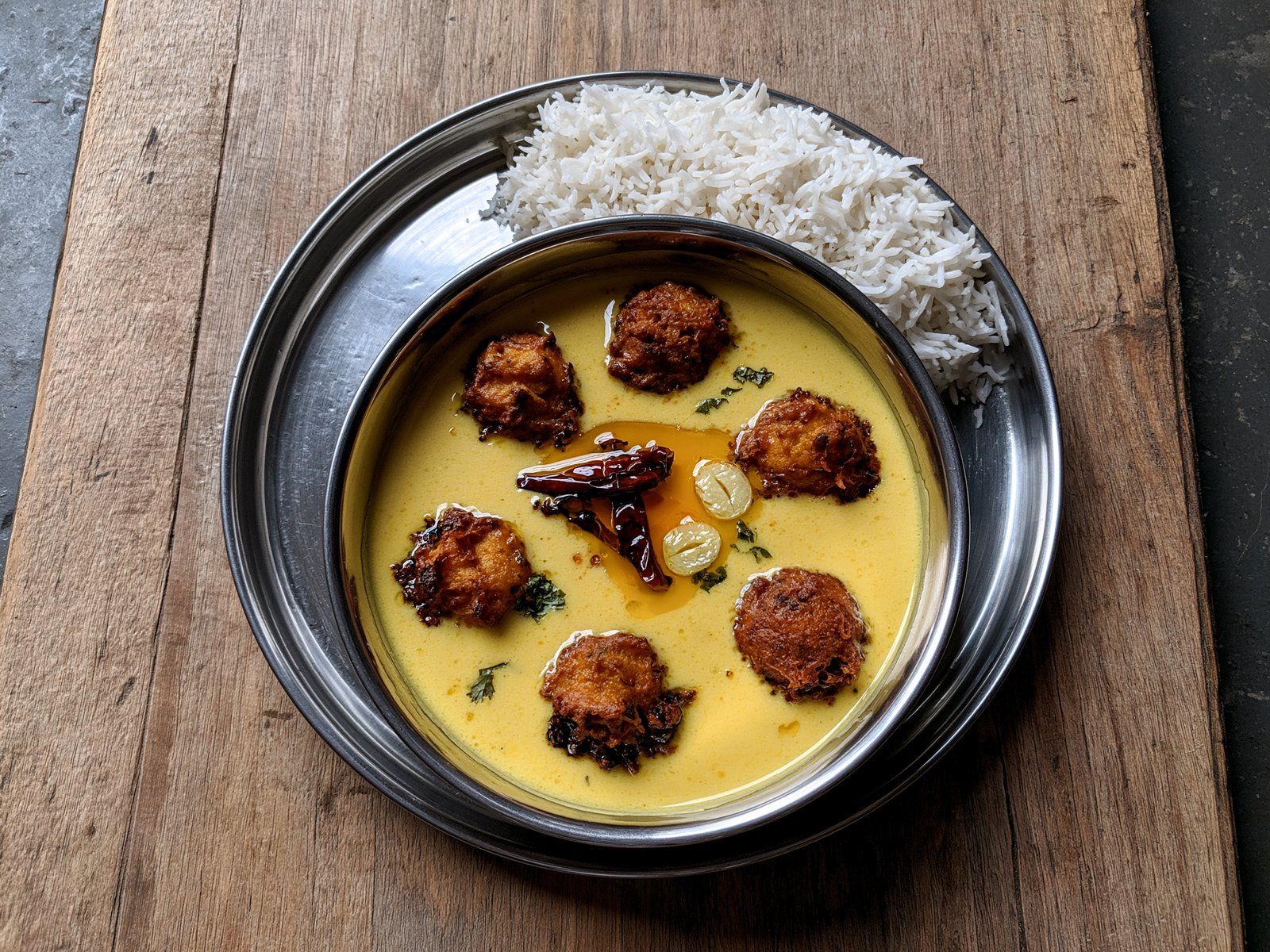
Kadhi Badi
Kadhi badi: soured yoghurt and gram flour simmered thin, with fresh-fried besan dumplings dropped in at the end. Bihar’s kadhi is a rice gravy, not a thick curry.
-
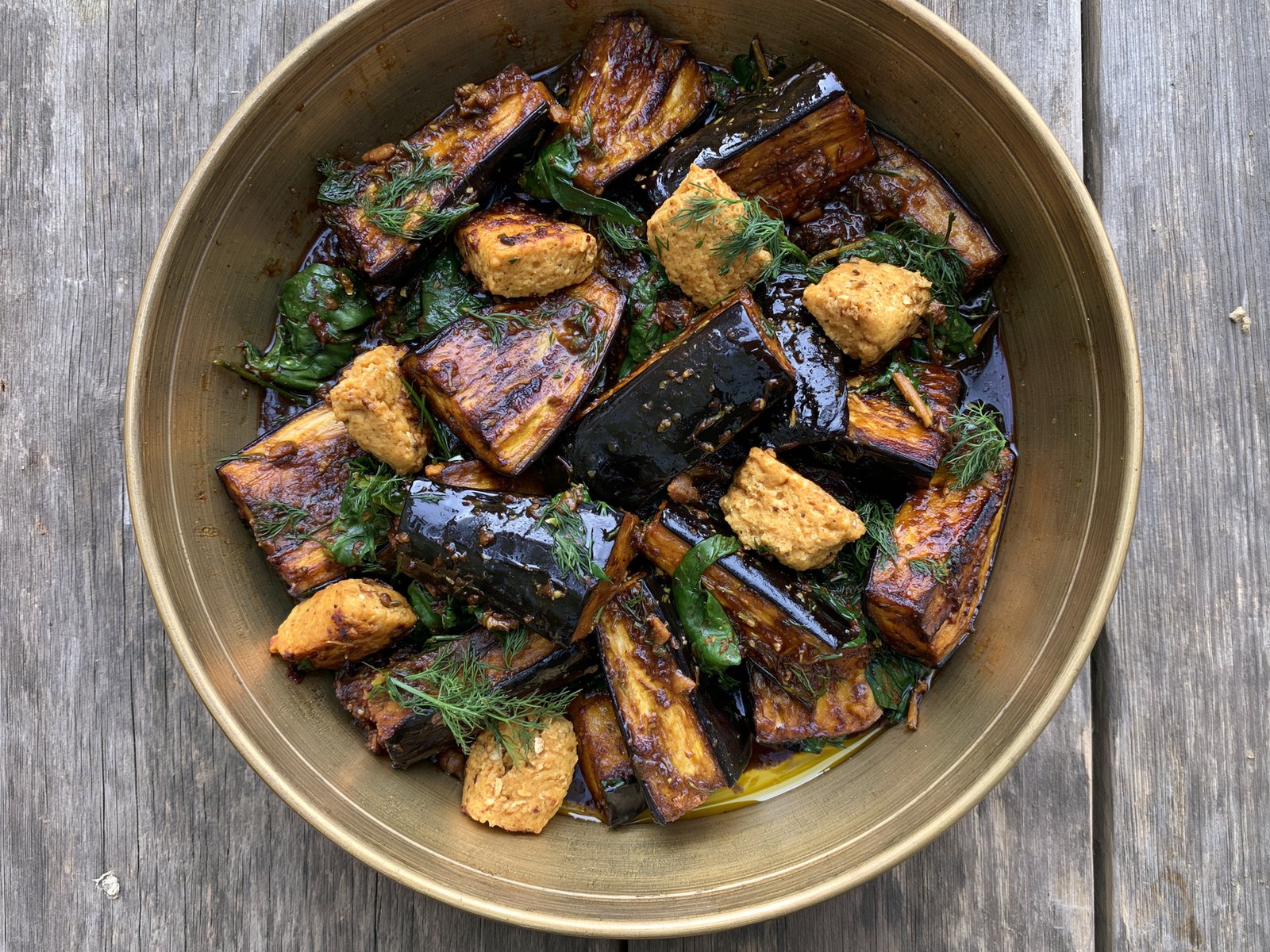
Baingan Badi
Baingan badi: sun-dried urad lentil dumplings fried until nutty, then simmered with aubergine, spinach and dill in mustard oil. A Bhojpuri winter pantry dish.
-
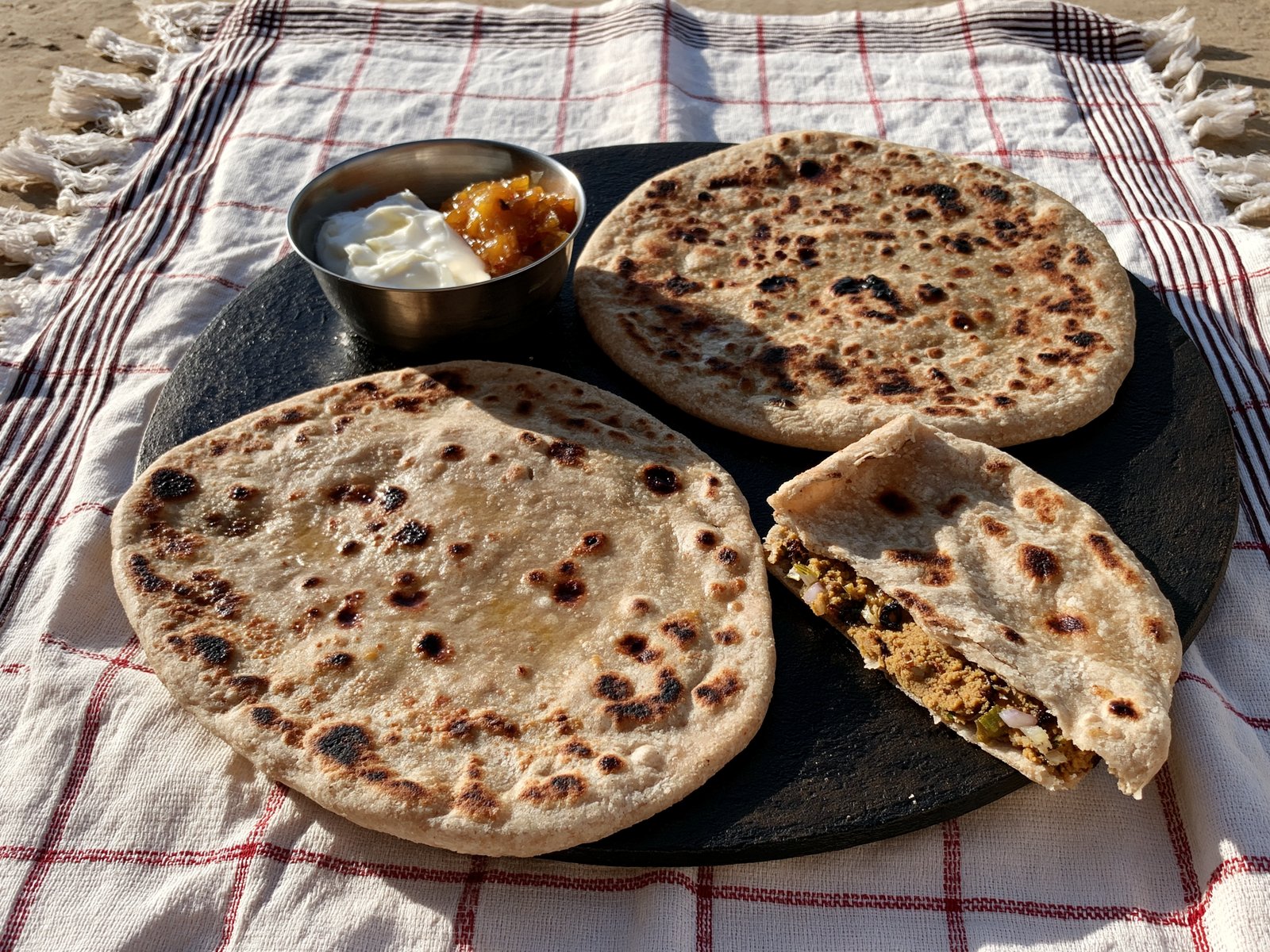
Sattu ka Paratha
Sattu ka paratha: roasted black chickpea flour sharpened with nigella, carom, mustard oil and pickle masala, stuffed into wheat dough and griddled.
-
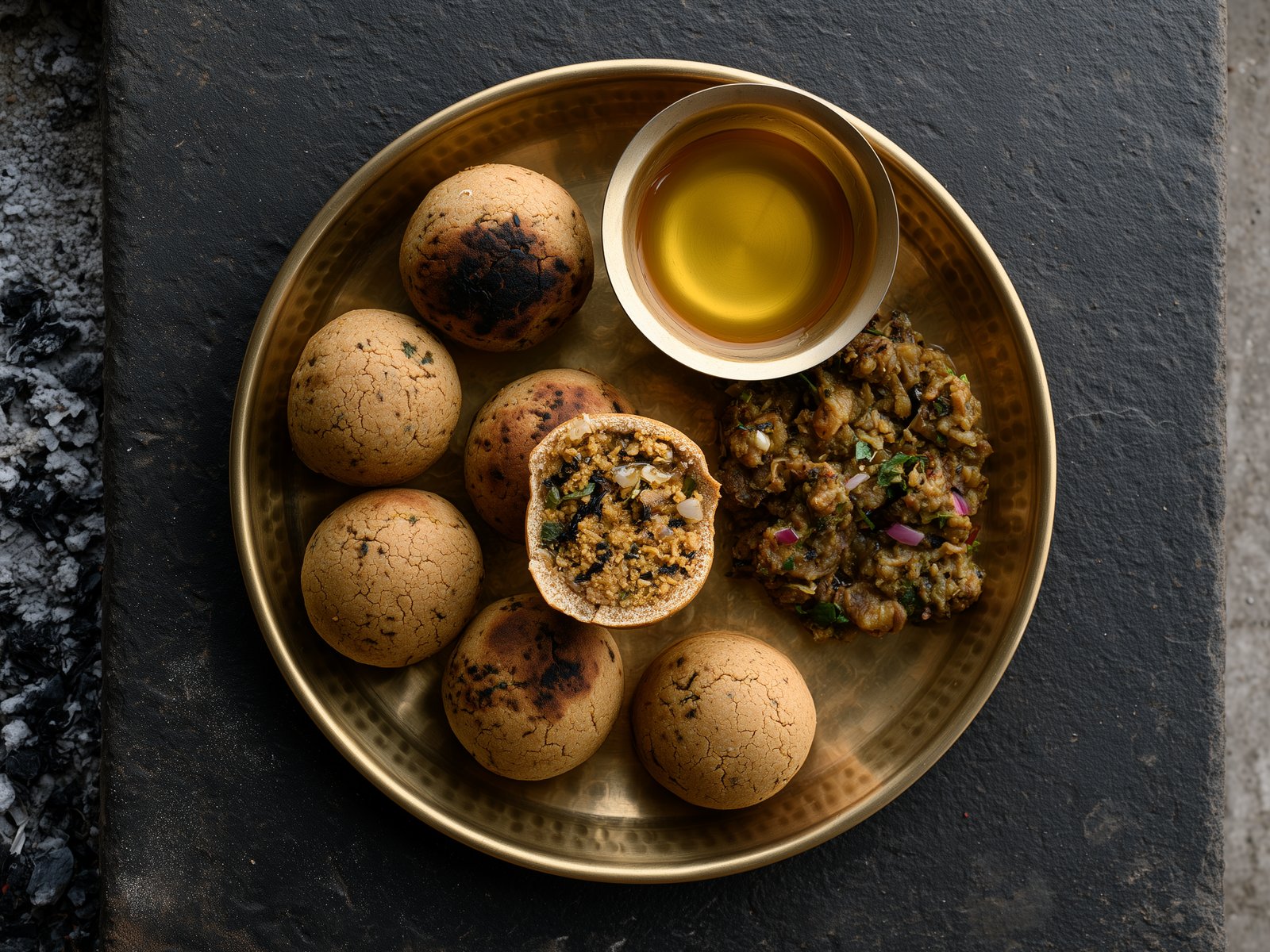
Litti Chokha
Litti chokha: sattu-stuffed wheat balls roasted in embers, drowned in ghee, served with charred aubergine, potato and tomato mashed in mustard oil.
Celebration & Occasion
-
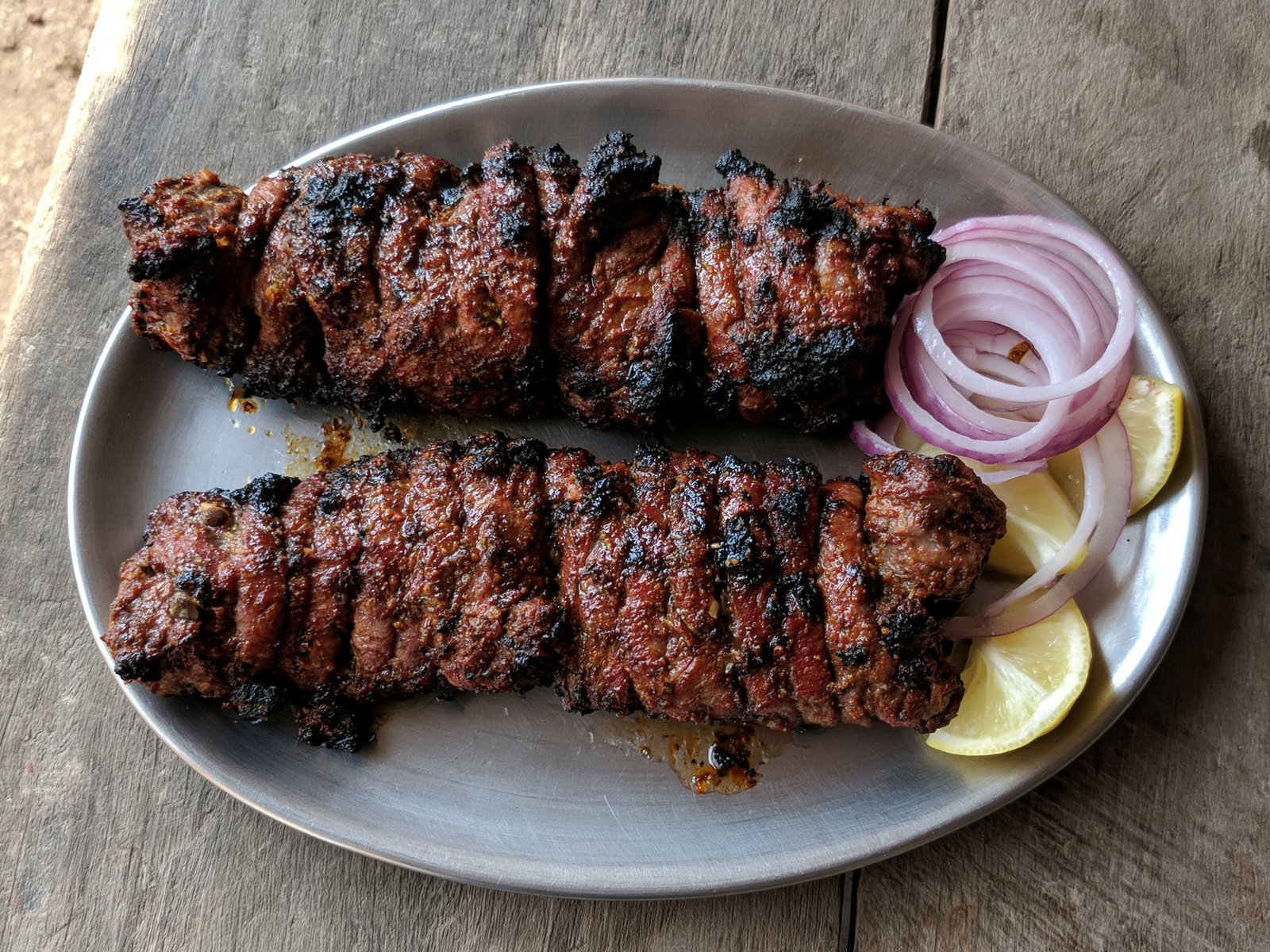
Bihari Kebab
Bihari kebab: thin beef strips worked in raw papaya, mustard oil, poppy seed and mace, then grilled over coals until they pull apart. Eid food from Bihar.
-
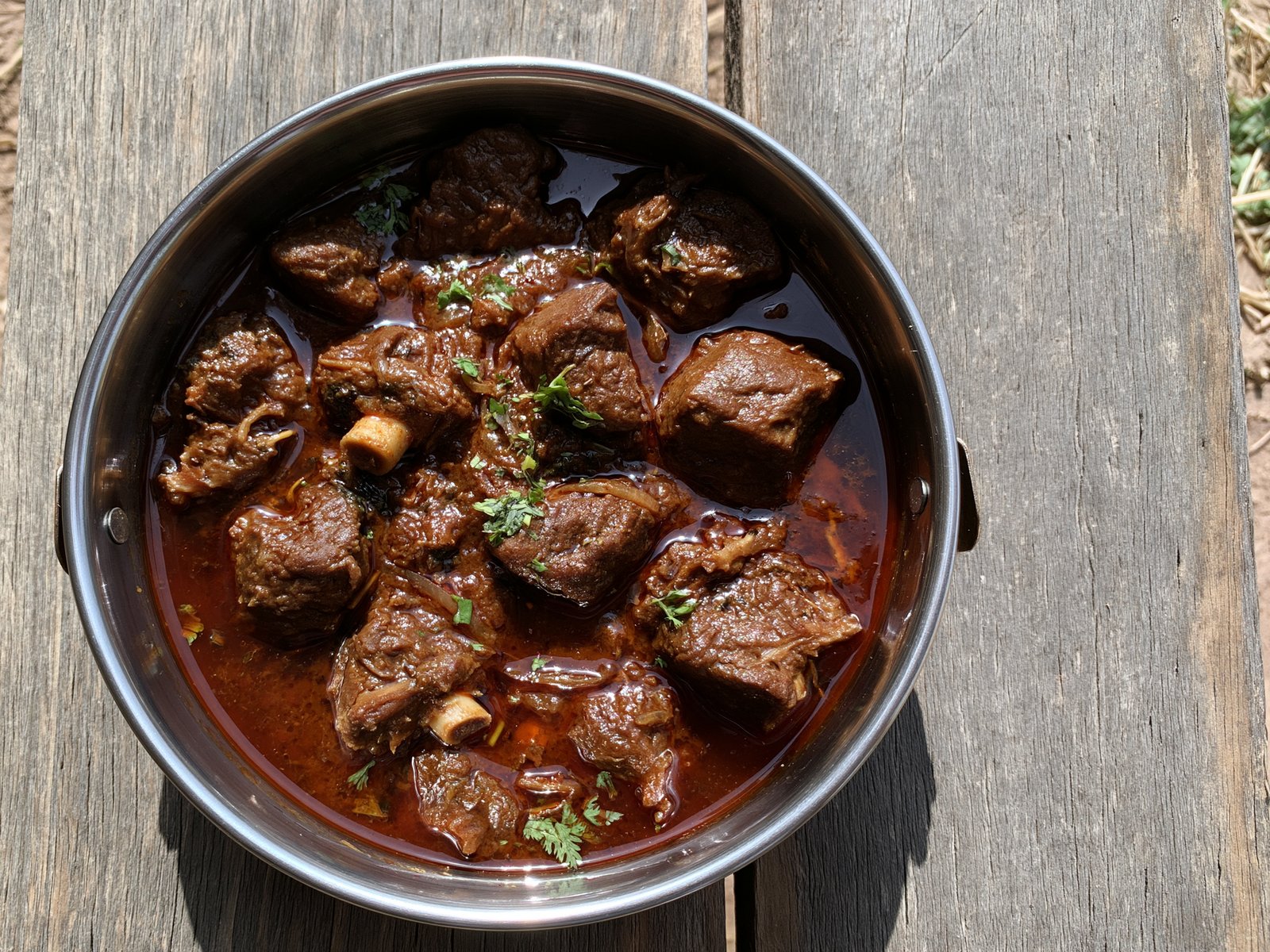
Bihari Mutton Curry
Bihari mutton curry: goat seared in mustard oil, then braised slowly in a masala ground fresh on the stone. The dish a Bihari wedding feast is judged on.
-
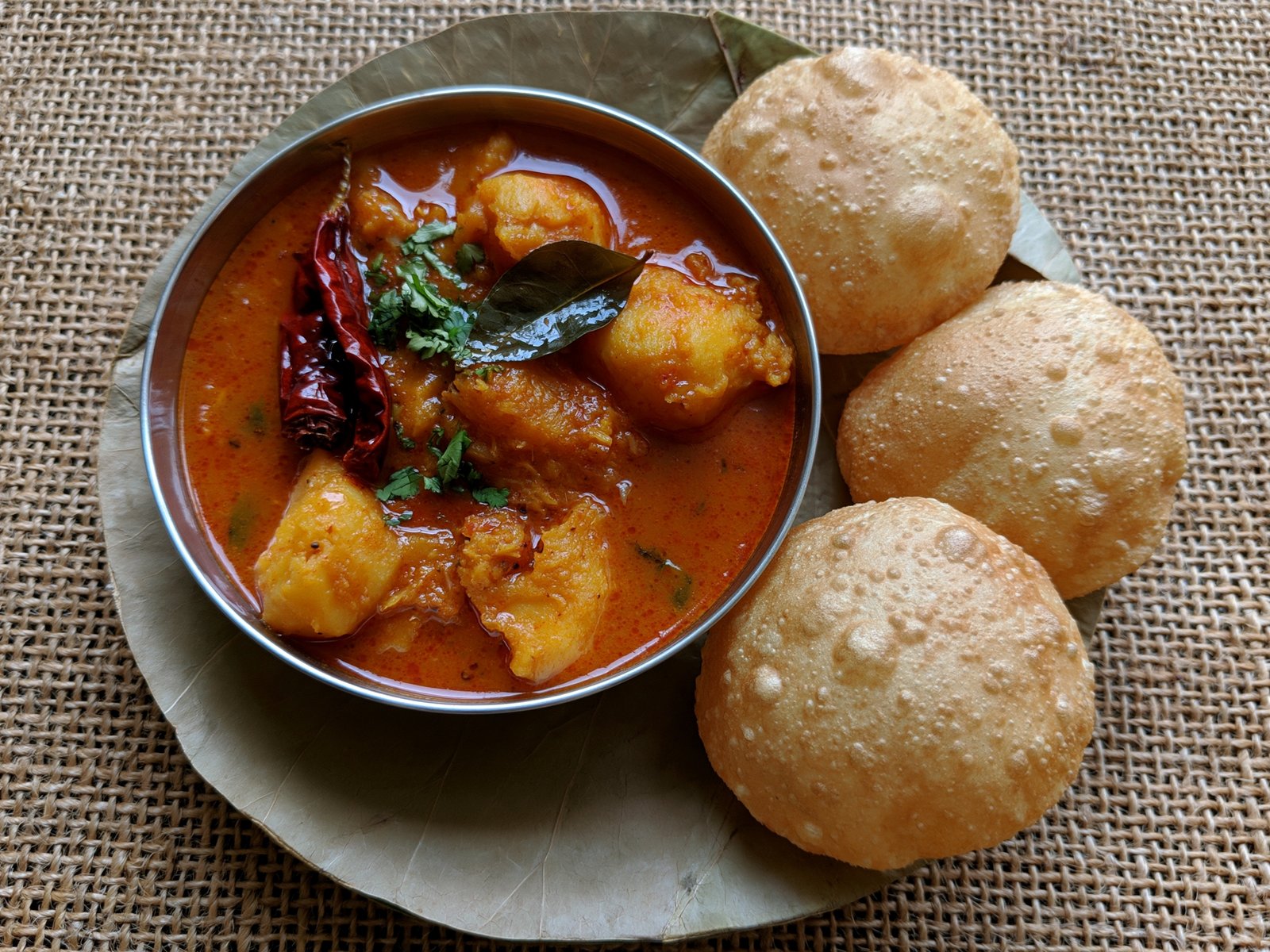
Bhandare Wali Aloo aur Poori
Bhandare wali aloo: floury potatoes broken by hand into a thin sour curry with no onion or garlic, served with poori. The communal meal of the Ganges plain.
-
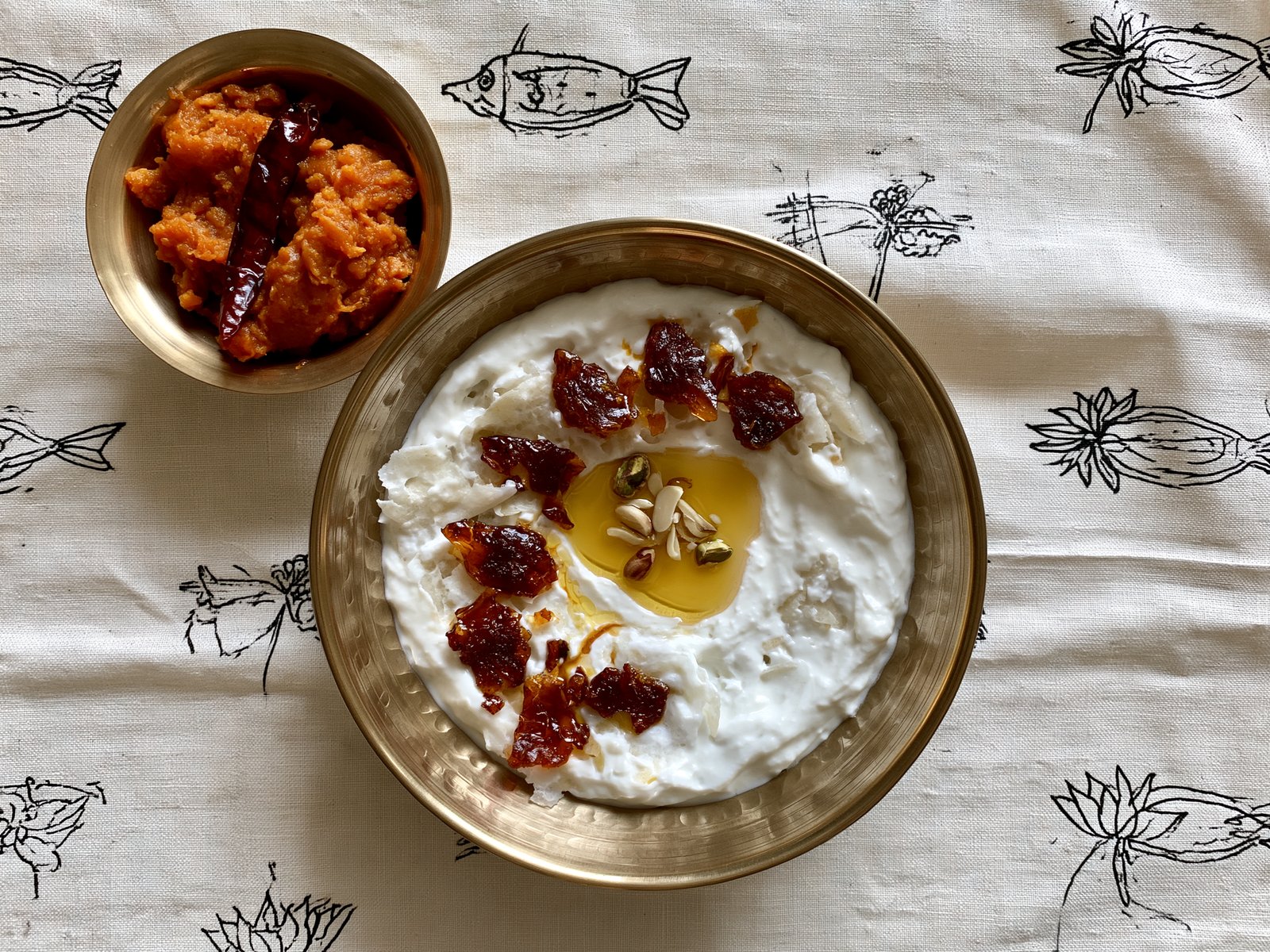
Dahi Chura
Dahi chura: thick flattened rice softened in set curd with cane jaggery, eaten on Makar Sankranti in Bihar, where the festival is named after the dish.
-
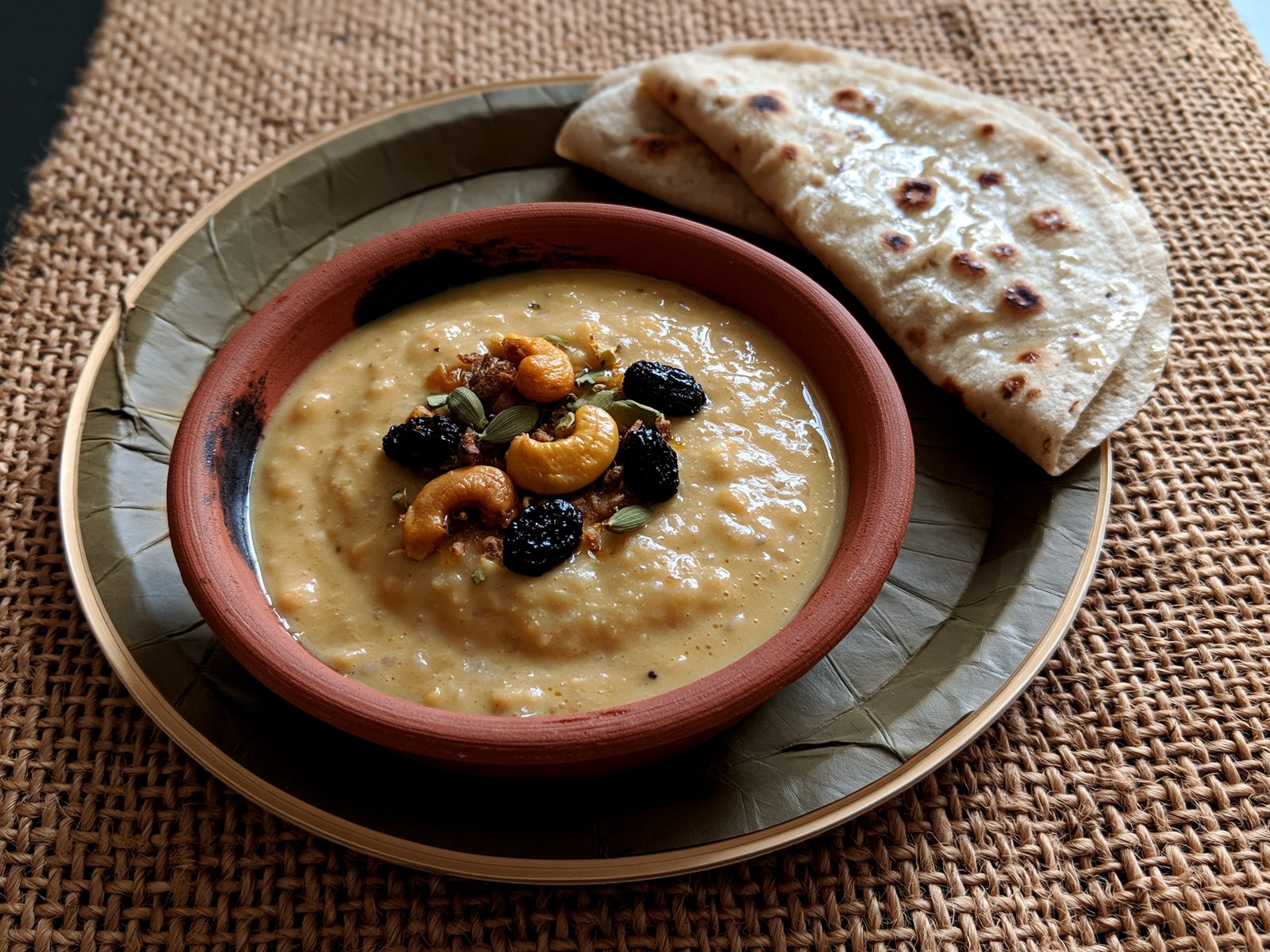
Rasiao aur Ghee ki Roti
Rasiao: rice simmered into whole milk and sweetened with cane jaggery off the heat, served with ghee roti. The Kharna prasad eaten before Chhath’s long fast.
-
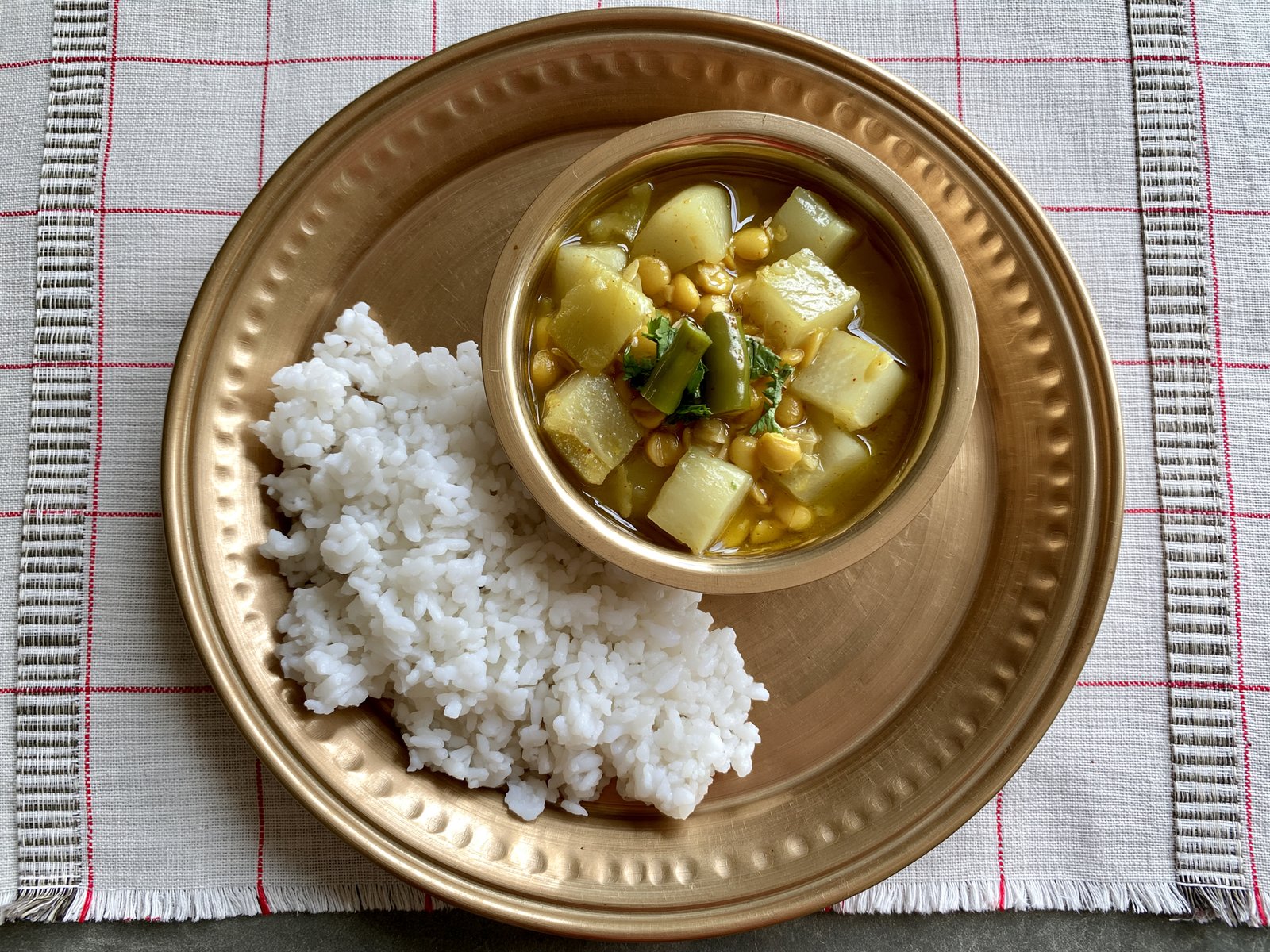
Kaddu Bhaat
Kaddu bhaat: bottle gourd and chana dal with rice, cooked without onion or garlic in rock salt. The meal Bihar eats before the thirty-six-hour Chhath fast.
-
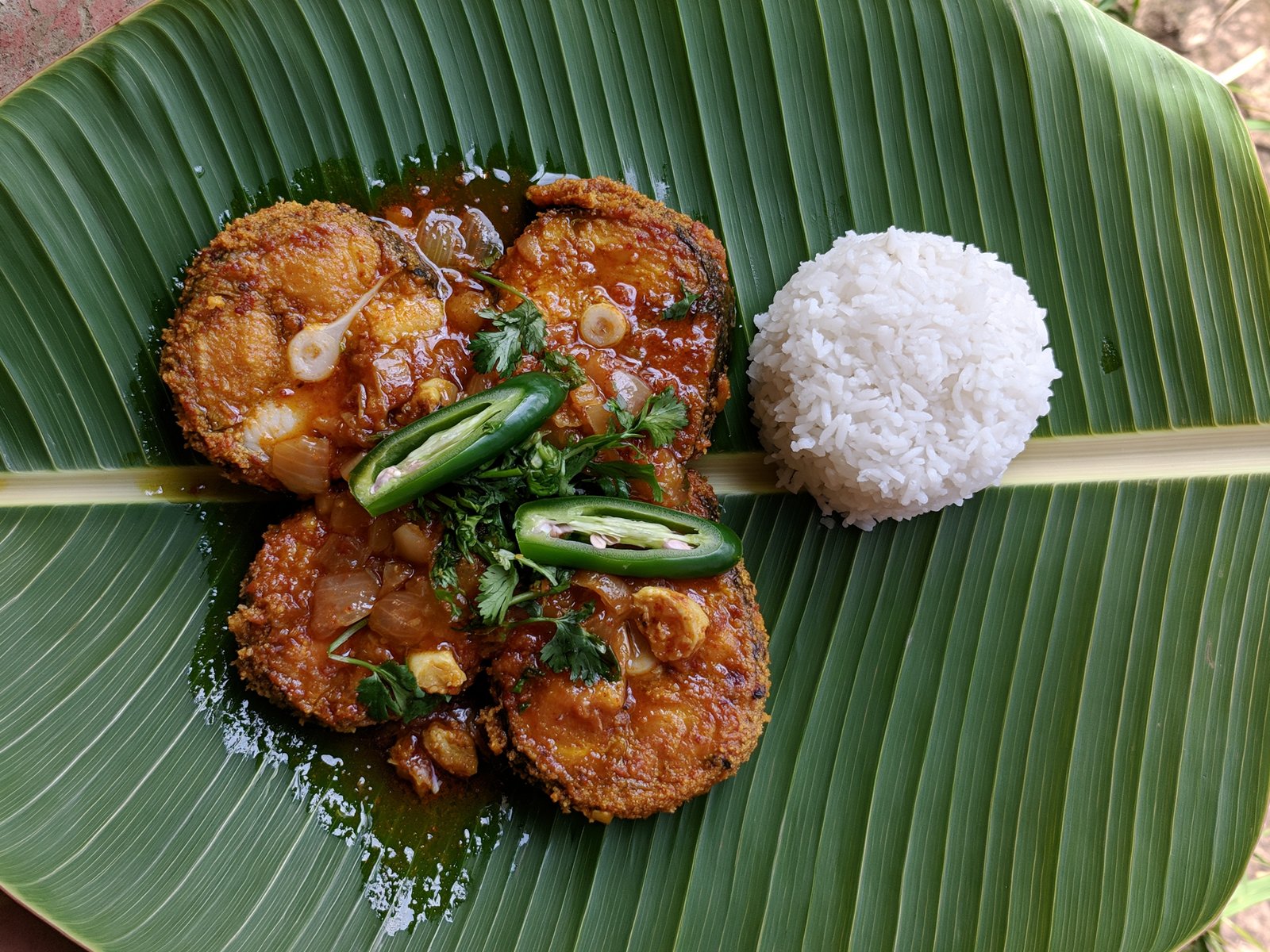
Maithil Machh
Maithil machh: rohu steaks fried hard in mustard oil and finished in a thin garlic and mustard gravy. The fish that must be served at a Mithila wedding.
-
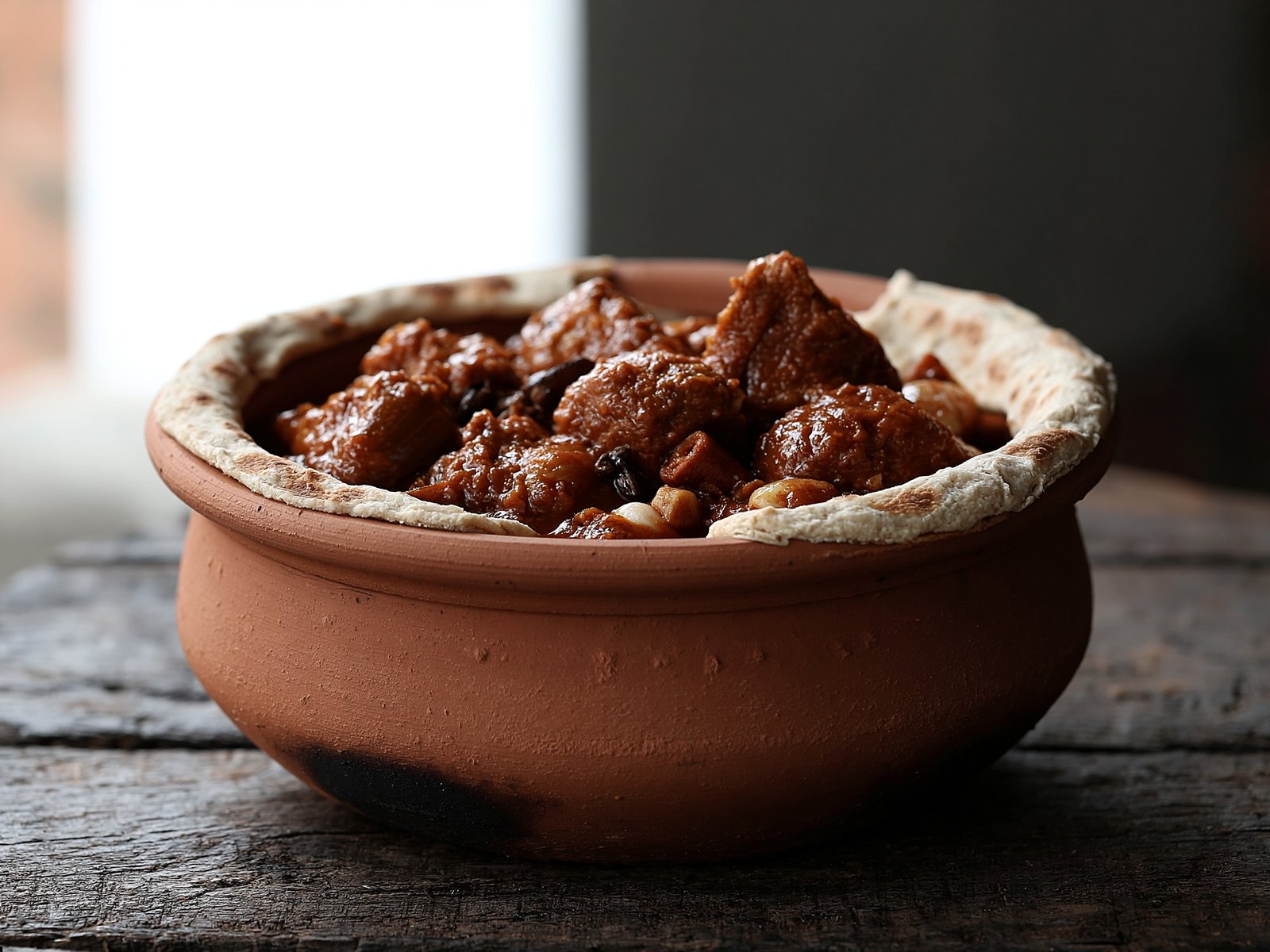
Champaran Ahuna Mutton
Champaran ahuna mutton: goat, whole garlic and whole spices sealed into a clay handi with dough and cooked in its own juices. No water, no stirring, no pastes.
-
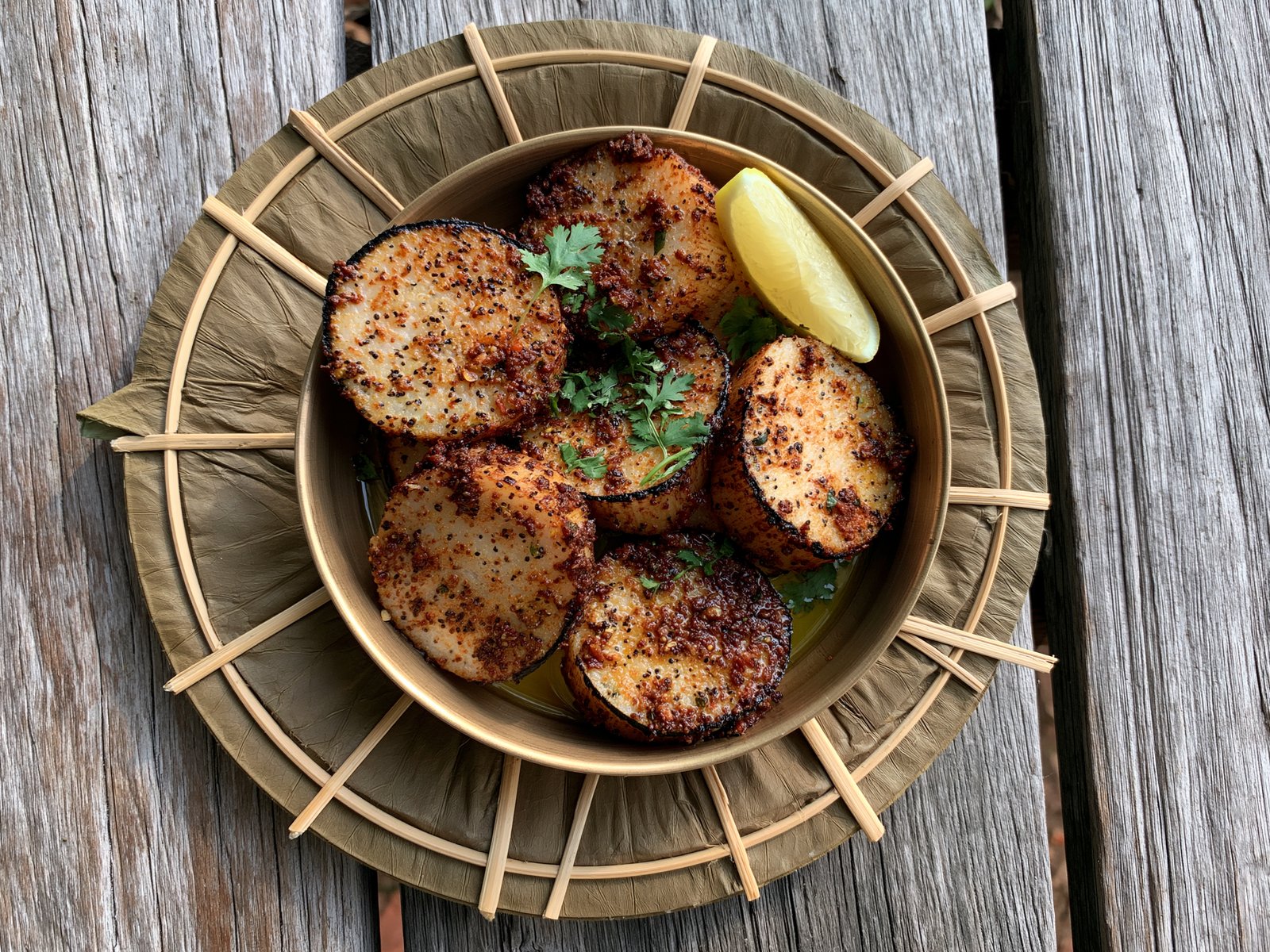
Ol ki Sabzi
Ol ki sabzi: elephant foot yam boiled with lemon, then fried in smoking mustard oil with a dry-ground mustard and coriander masala. No onion, no garlic.
Street Food & Snacks
-
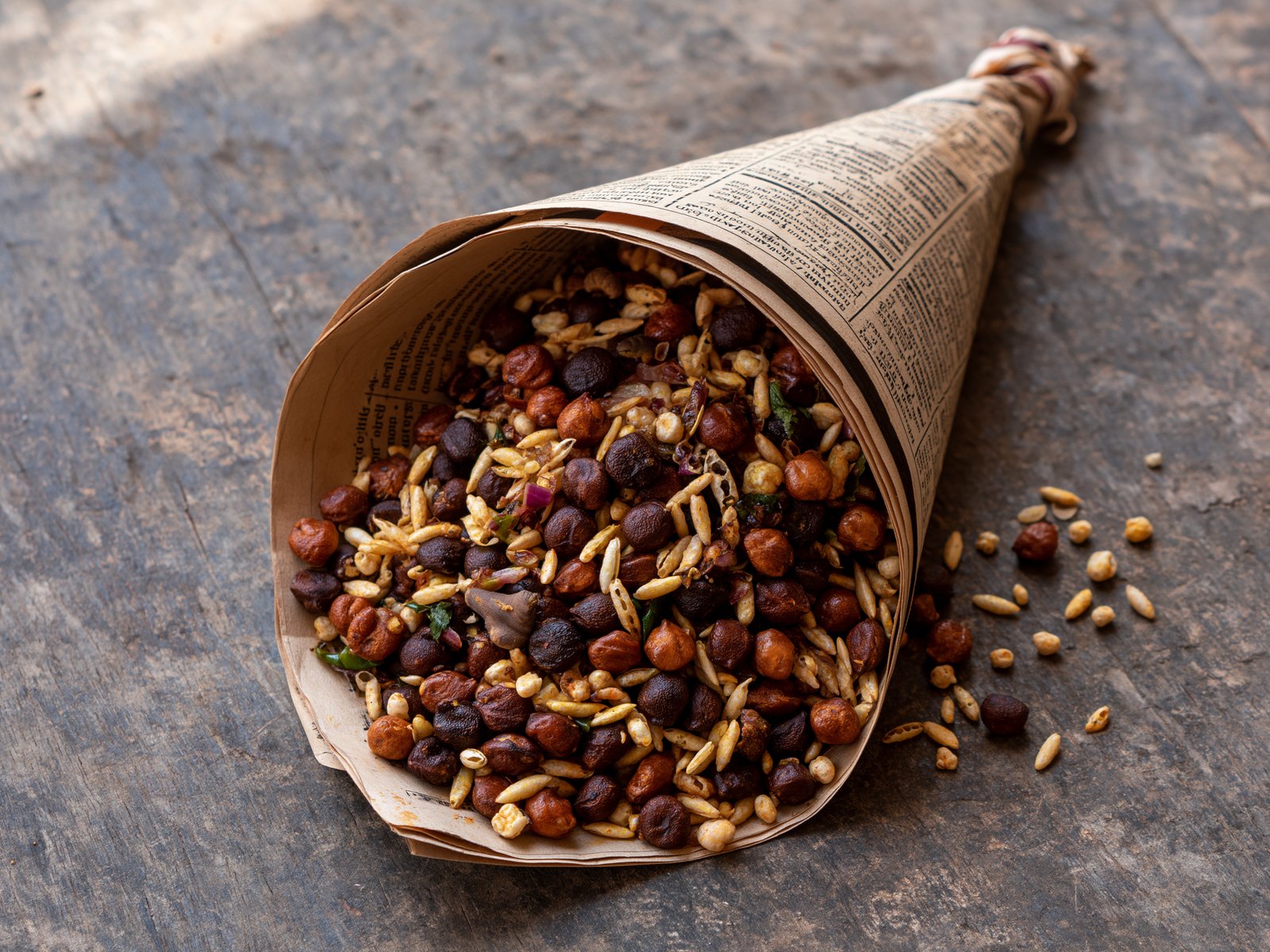
Chana Bhuja
Chana bhuja: black chickpeas roasted in hot sand with the skins on until dry and nutty, then tossed with mustard oil, onion and green chilli.
-
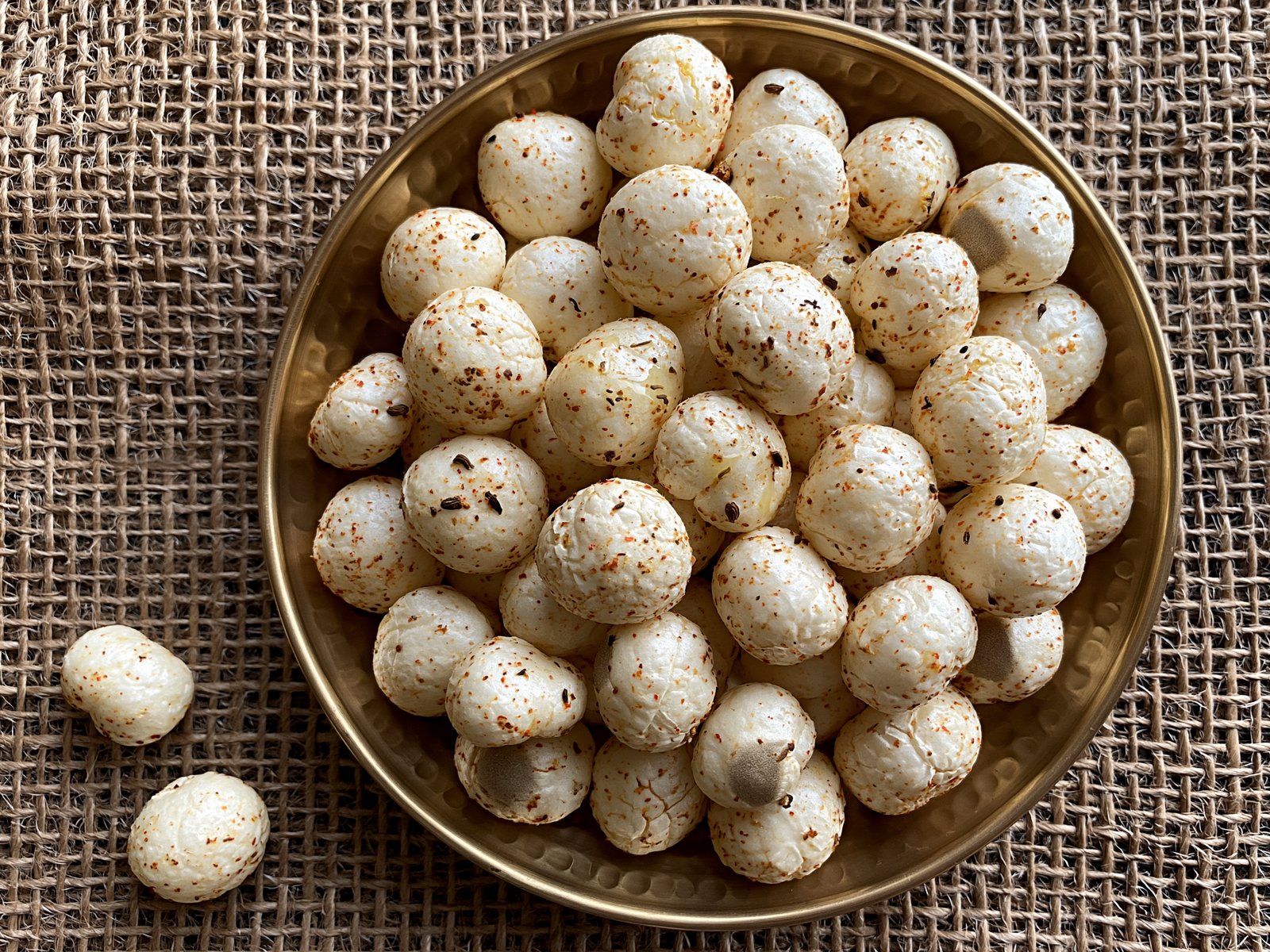
Bhuna Makhana
Bhuna makhana: fox nuts from the ponds of Mithila, dry-roasted in ghee until they crackle and tossed with salt, chilli and chaat masala.
-
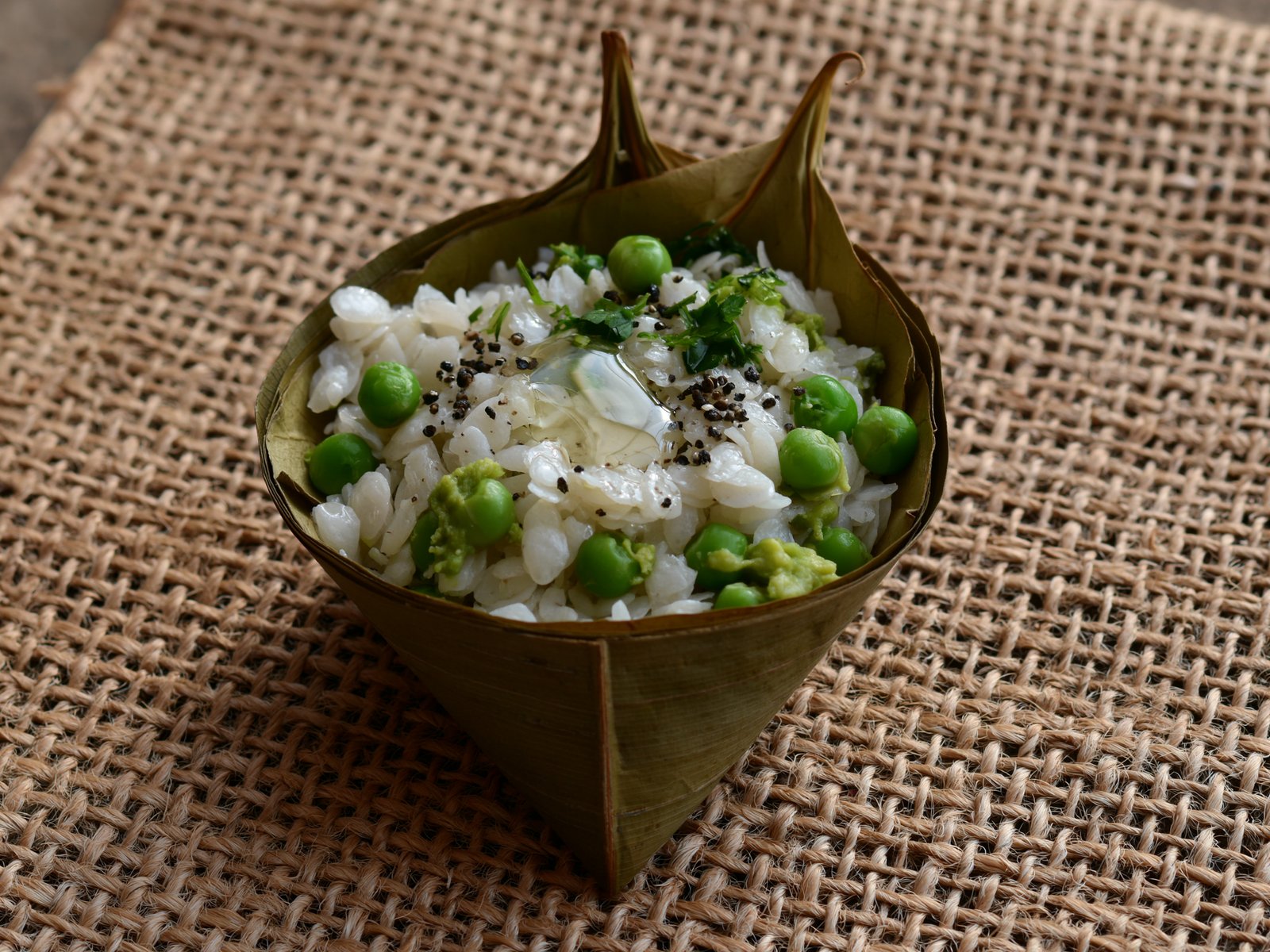
Chura Matar
Chura matar: flattened rice cooked slowly in ghee with sweet winter peas and finished with malai. A Banarasi stall dish that exists only while the peas last.
-
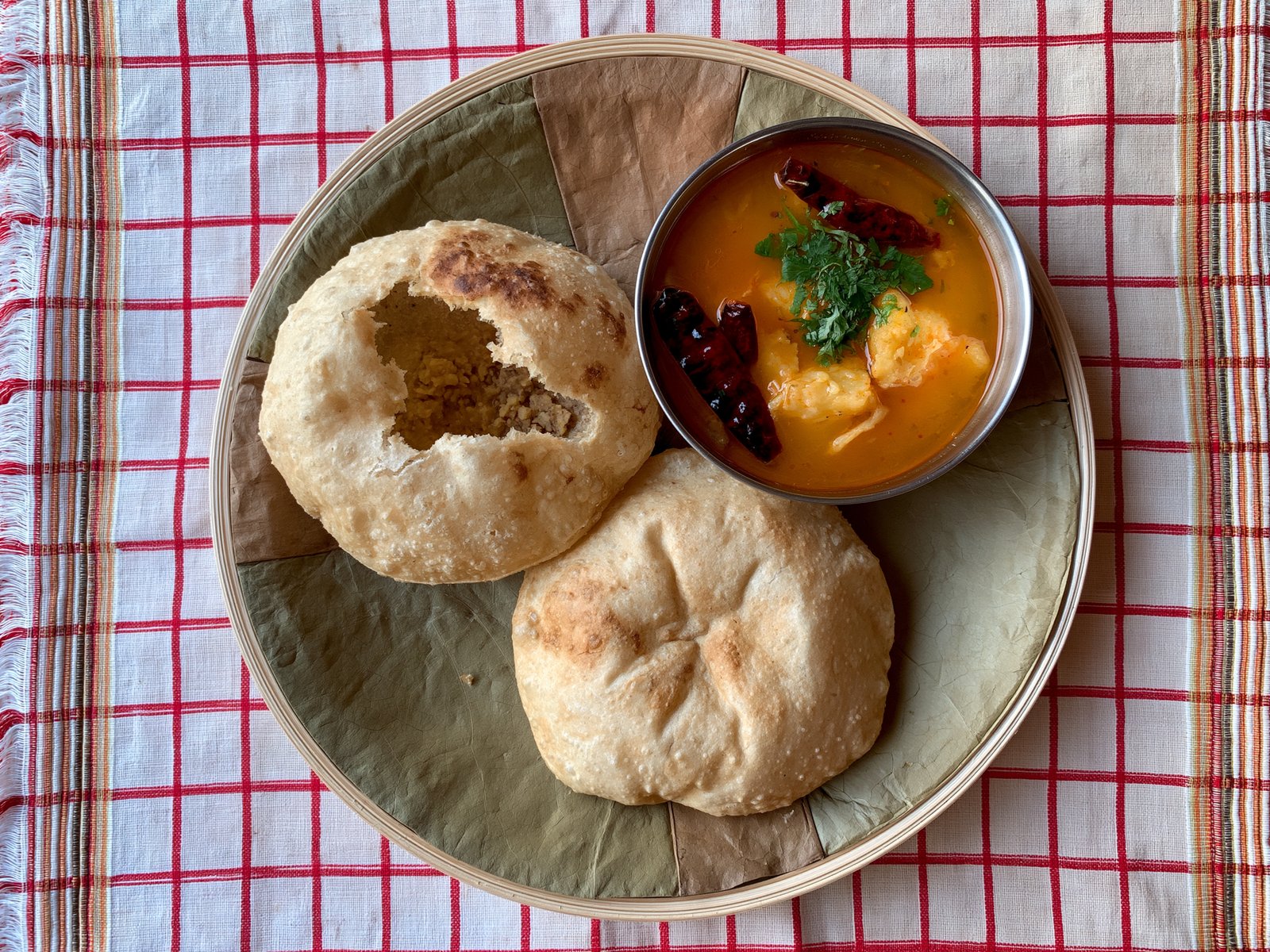
Kachori Sabzi
Kachori sabzi: urad dal-stuffed kachoris fried crisp and served with a thin sour potato and pumpkin curry. Banaras’s dawn breakfast, sold out by mid-morning.
-
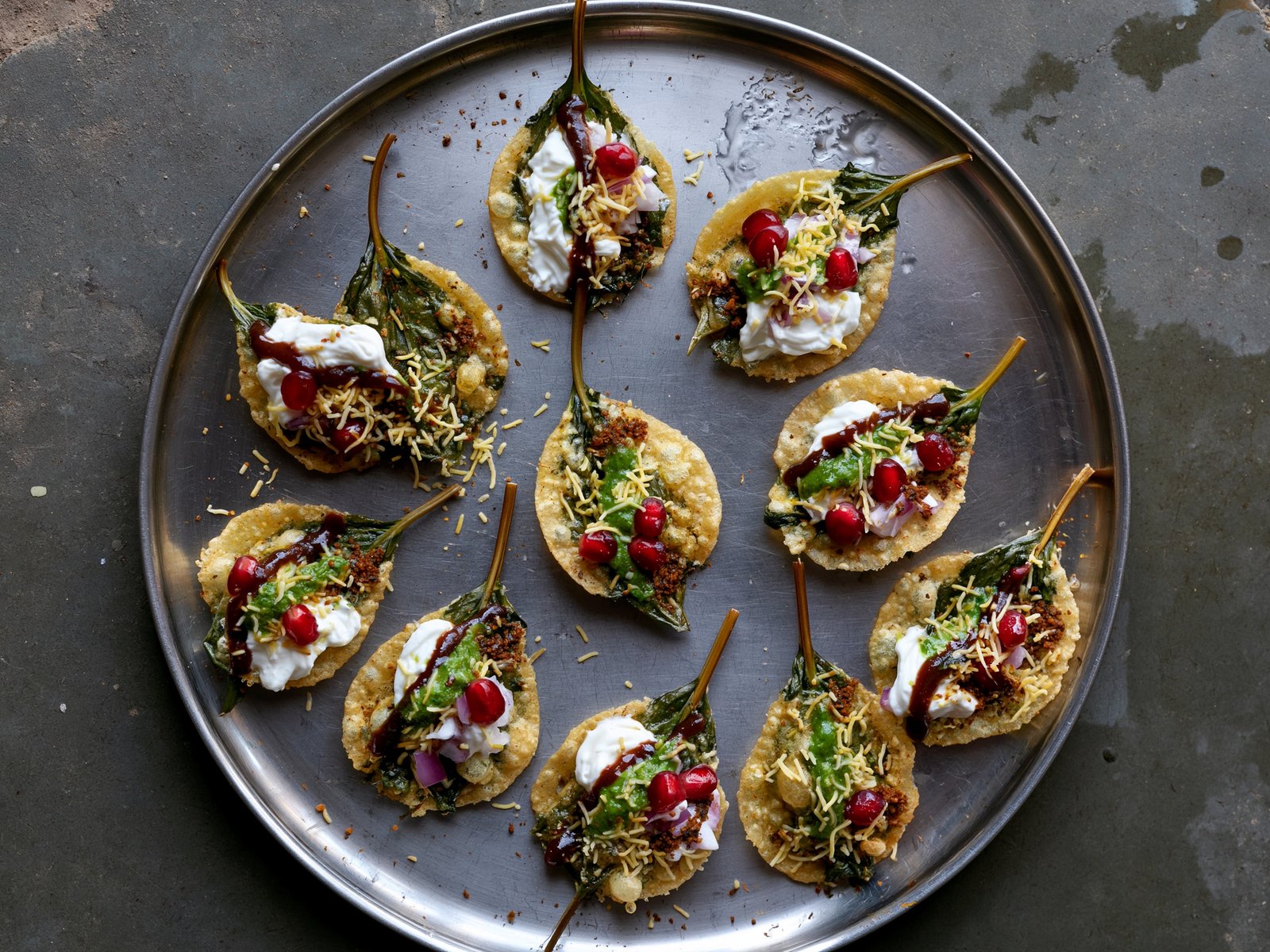
Palak Patta Chaat
Palak patta chaat: whole spinach leaves fried in a thin gram-flour batter, then dressed hot with cold curd, chutneys, pomegranate and sev.
-
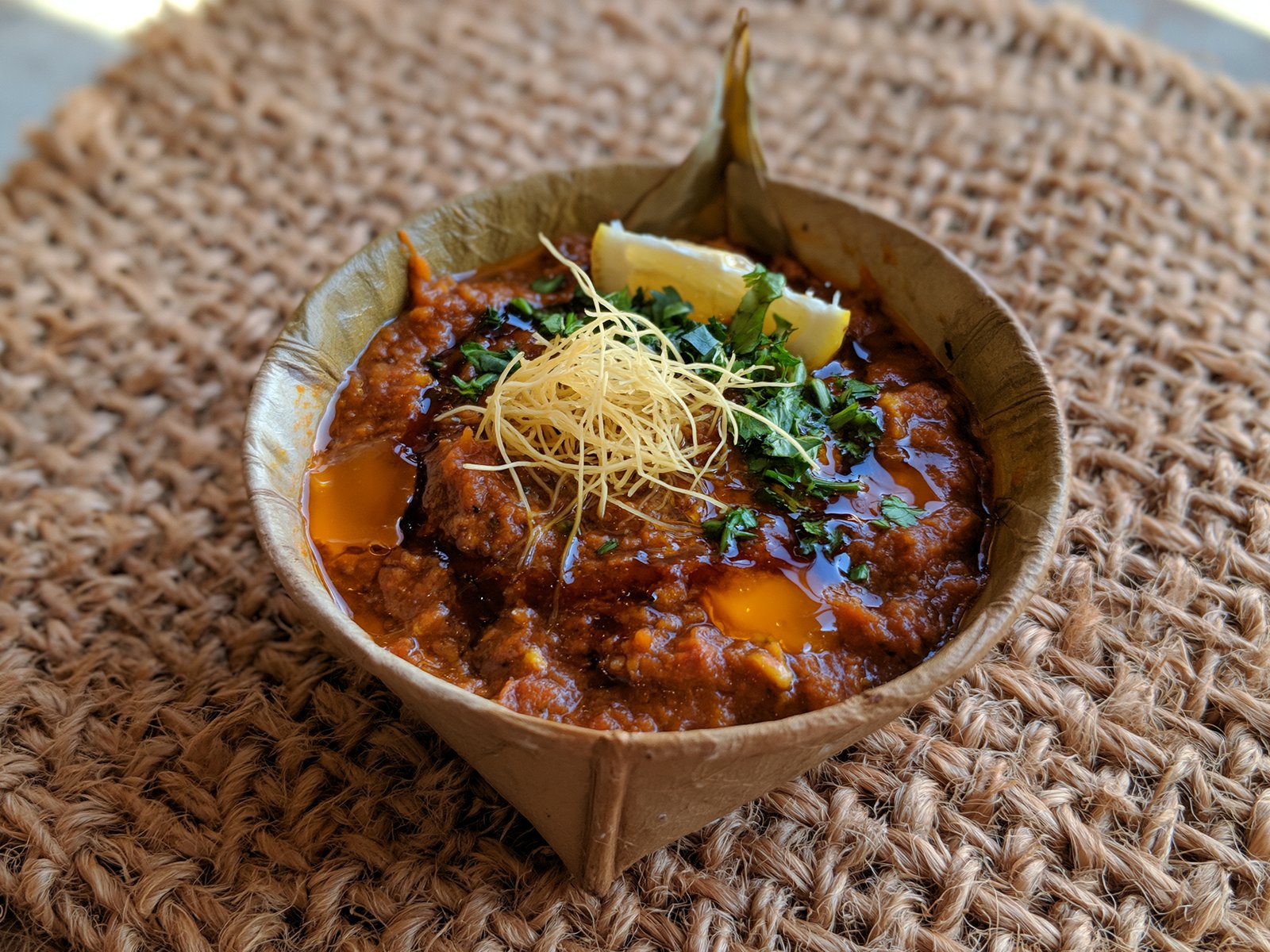
Banarasi Tamatar Chaat
Banarasi tamatar chaat: tomatoes and potato cooked down in ghee for hours, mashed, spiced and served hot with sev. The only chaat in India served warm.
Sweets & Desserts
-
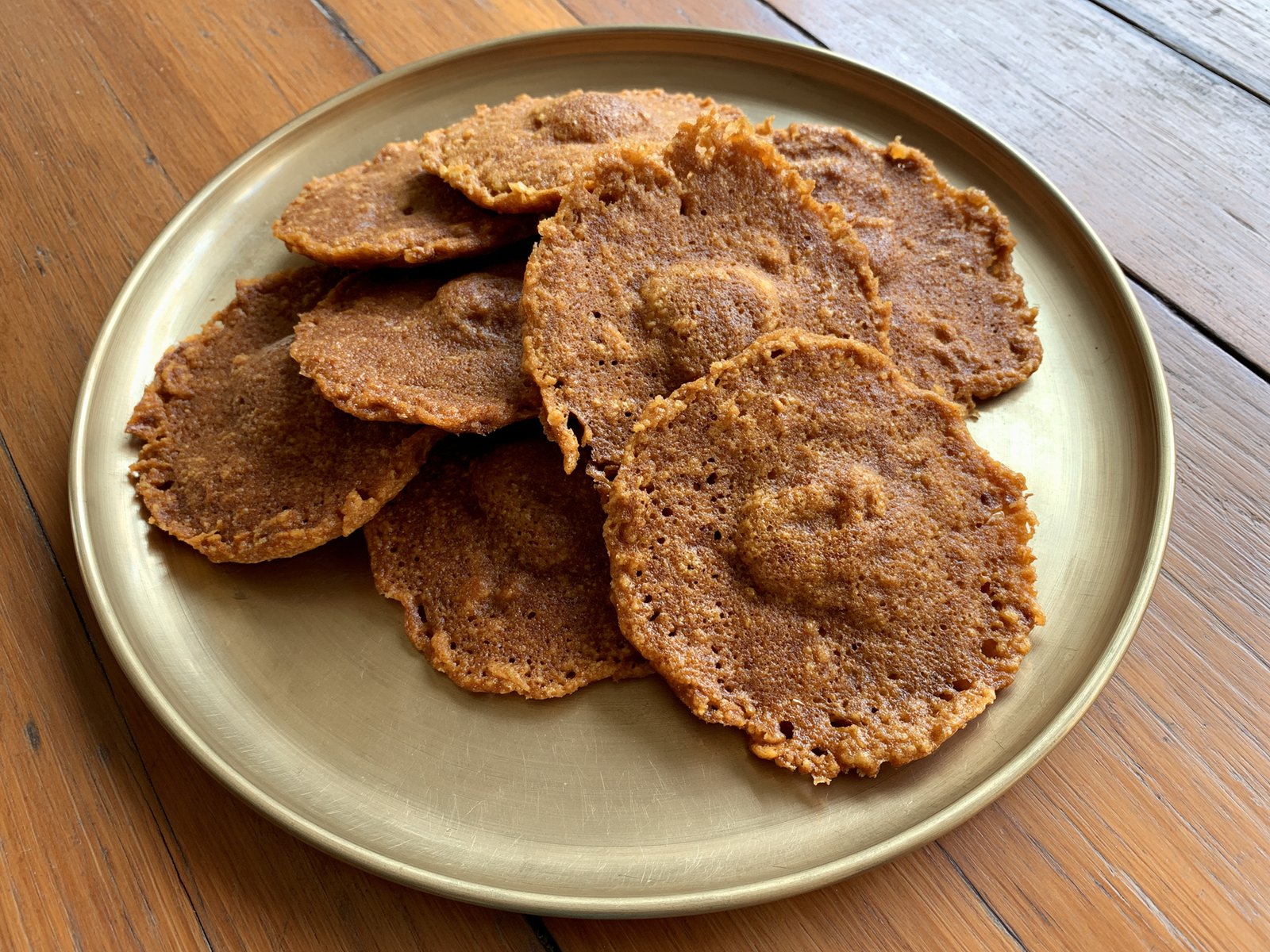
Gur ka Pua
Gur ka pua: wheat flour batter sweetened with cane jaggery and fried in ghee until lacy at the edge and chewy within. Bihar’s Holi sweet, never syruped.
-
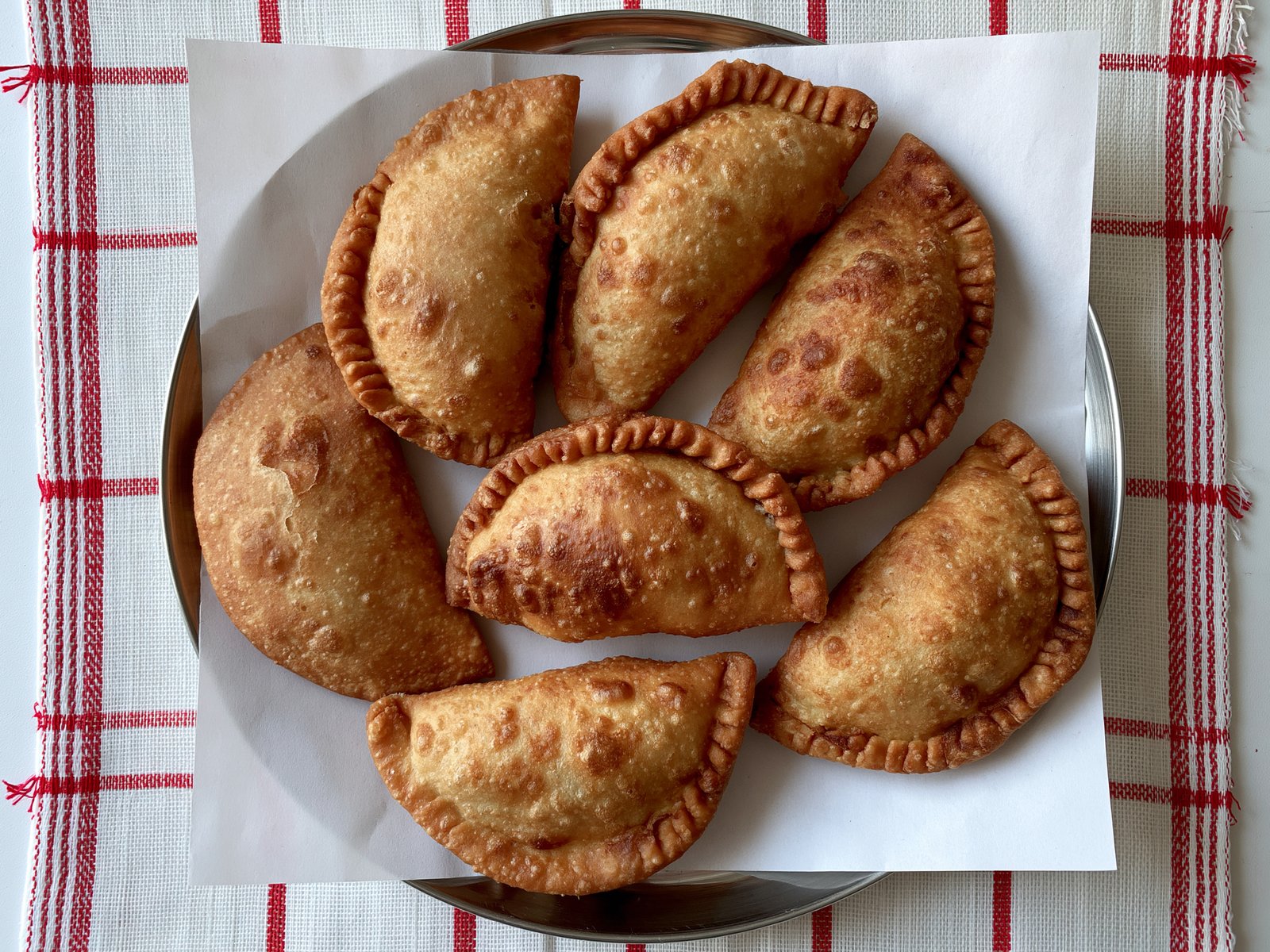
Pedakiya
Pedakiya: half-moon pastries filled with khoya, coconut and cardamom, fried in ghee and left unsyruped. Bihar makes them for Teej, not Holi.
-
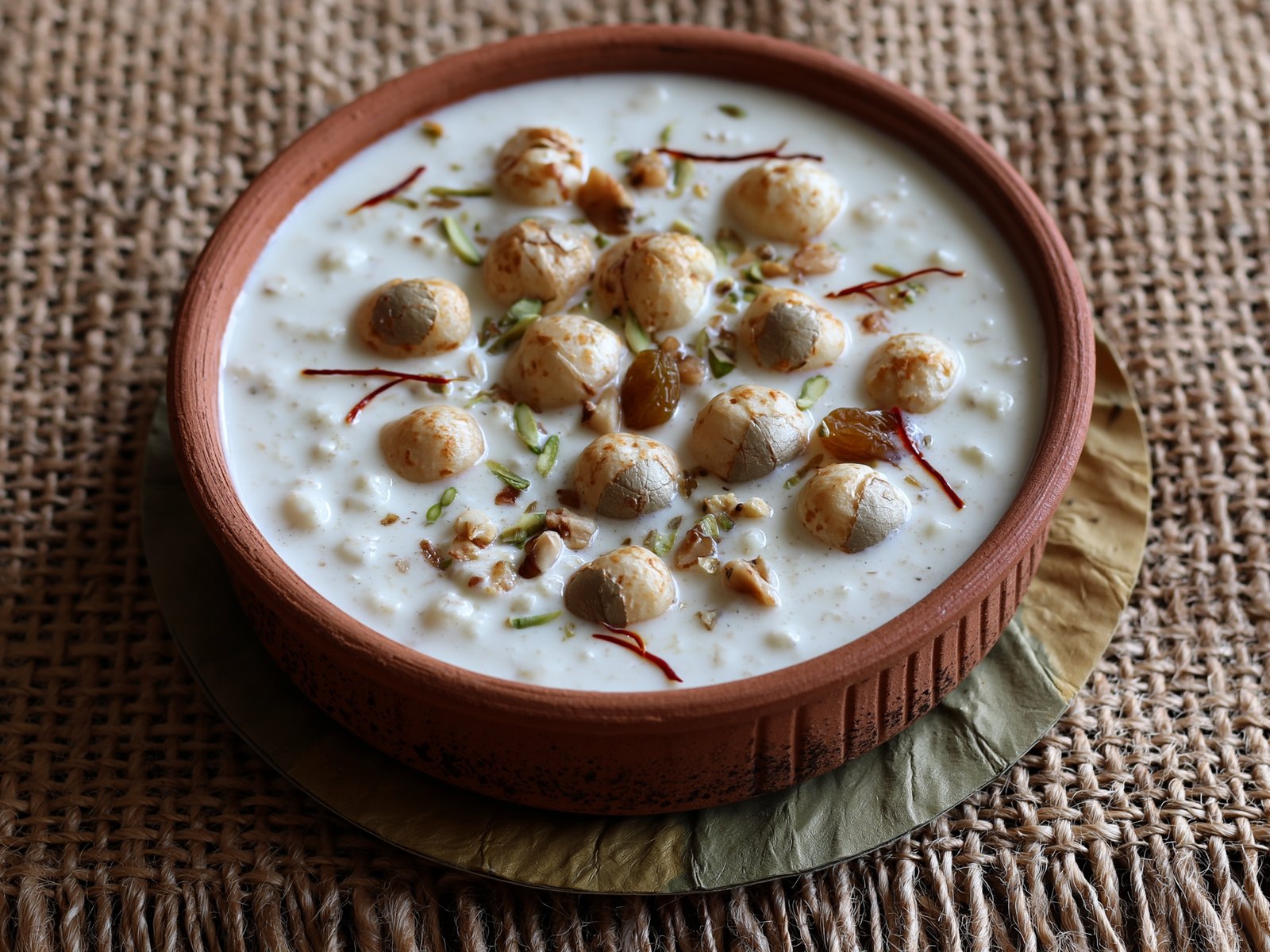
Makhana Kheer
Makhana kheer: fox nuts from Mithila’s ponds roasted in ghee, half crushed into reducing milk and half left whole. The kheer that can be eaten on a fast day.
-
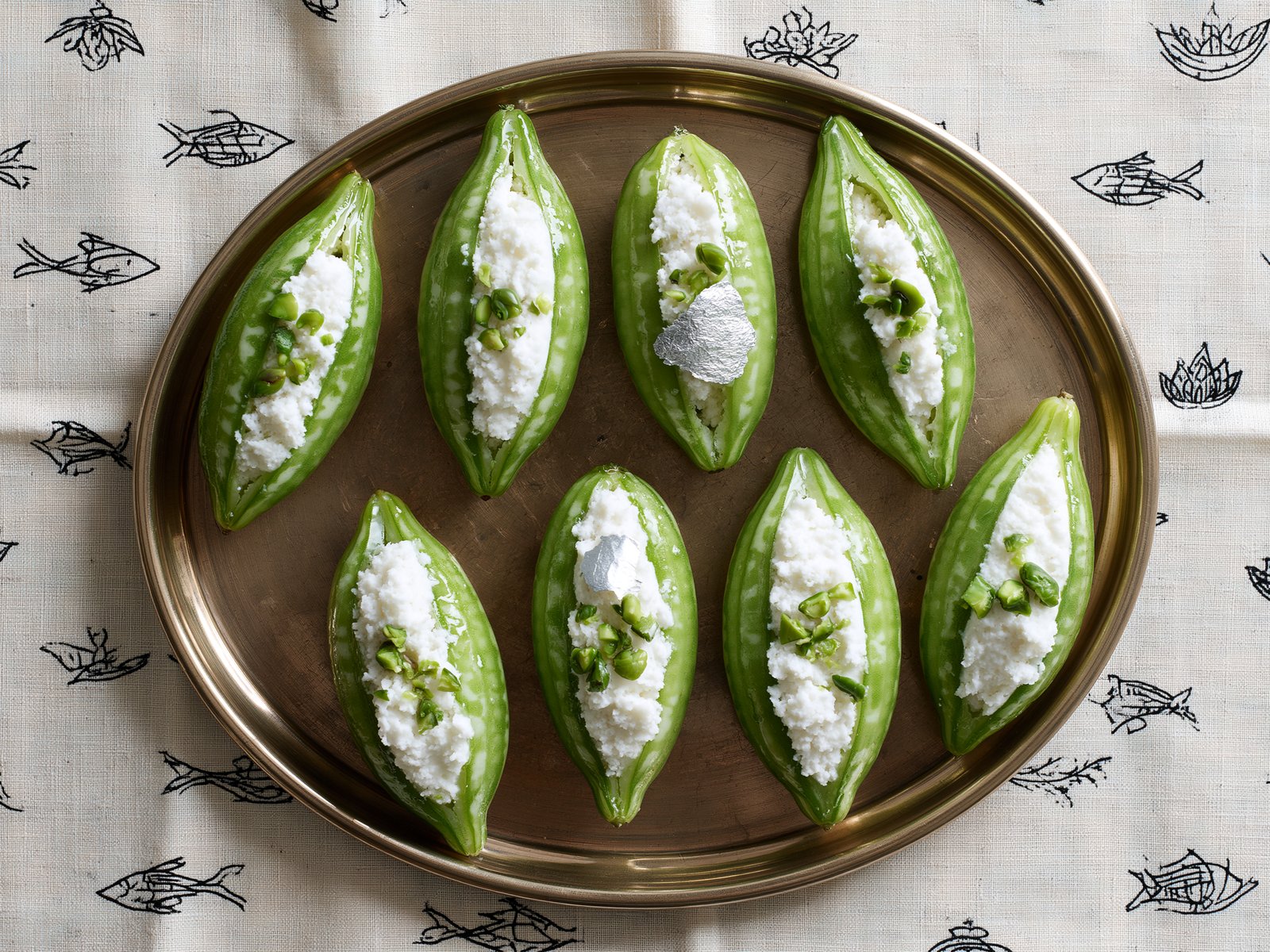
Parwal ki Mithai
Parwal ki mithai: pointed gourd hollowed, simmered in syrup until translucent, and stuffed with sweetened khoya. A vegetable turned into mithai.
-
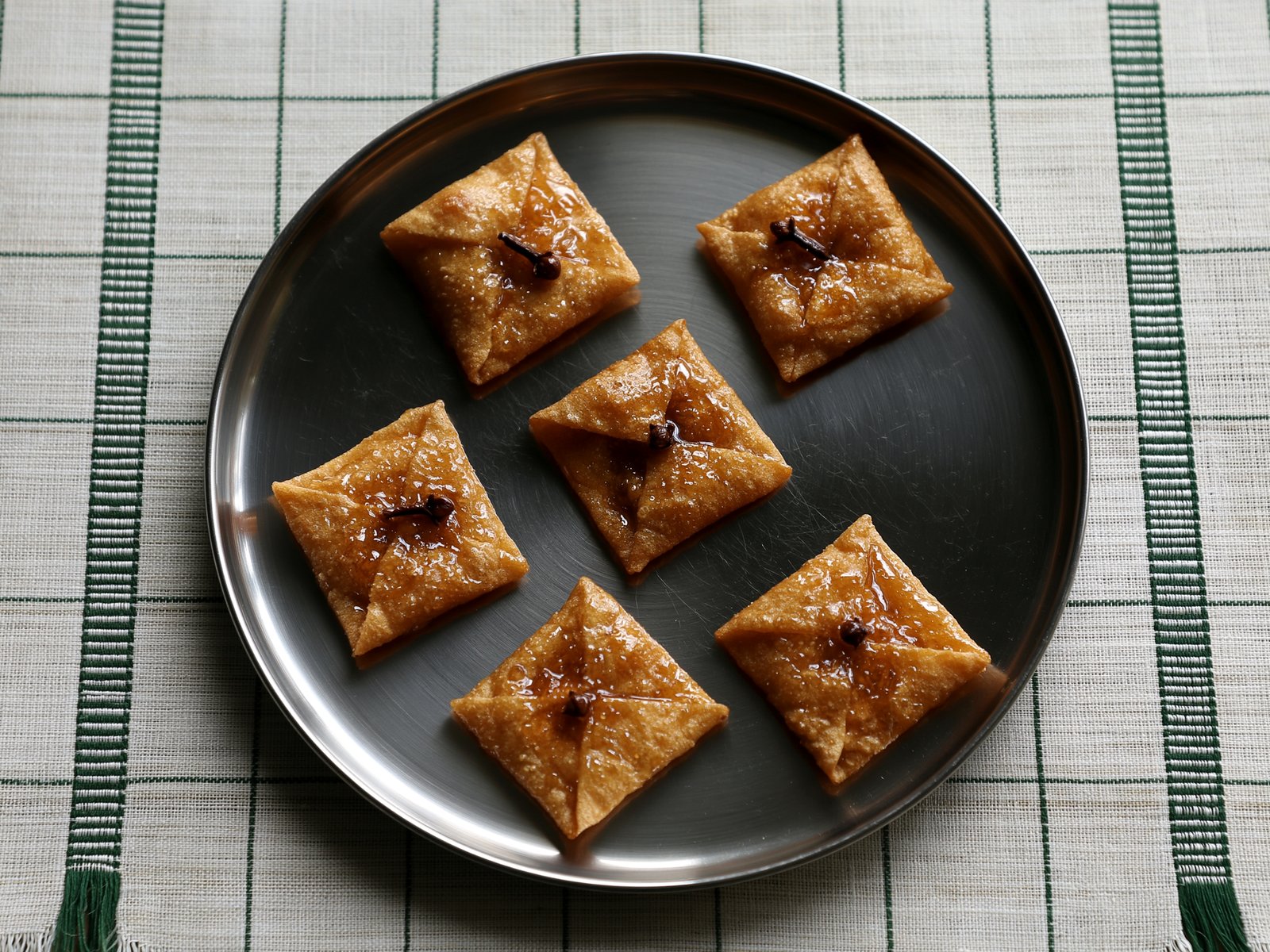
Launglata
Launglata: thin dough parcels filled with khoya and dry fruit, pinned shut with a whole clove, fried in ghee and steeped in syrup. Uniquely Banarasi.
-
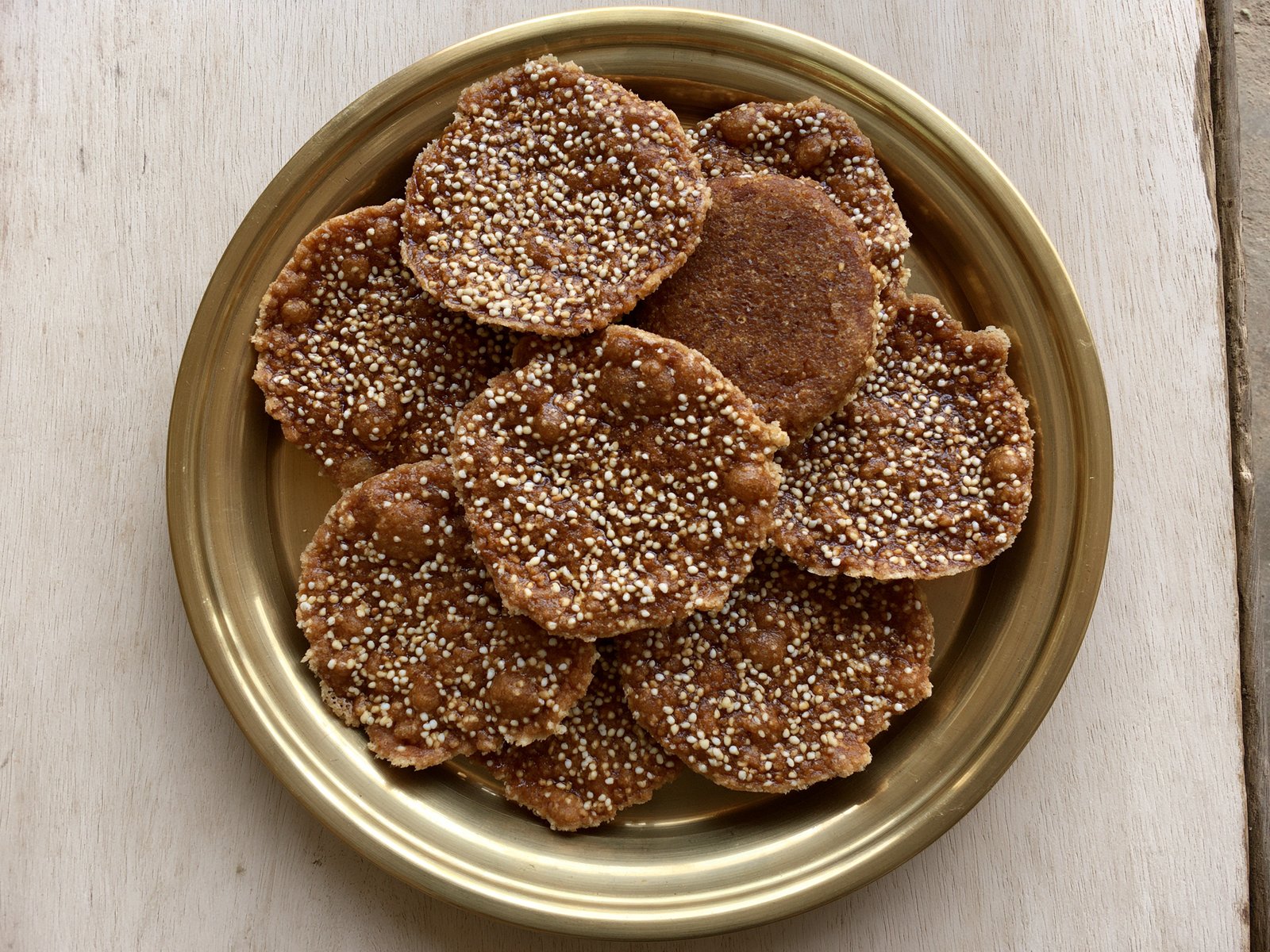
Anarsa
Anarsa: rice soaked three days and ground, worked with jaggery and rested until it ferments, then fried seed-side down in ghee. Bihar’s Diwali sweet.
-
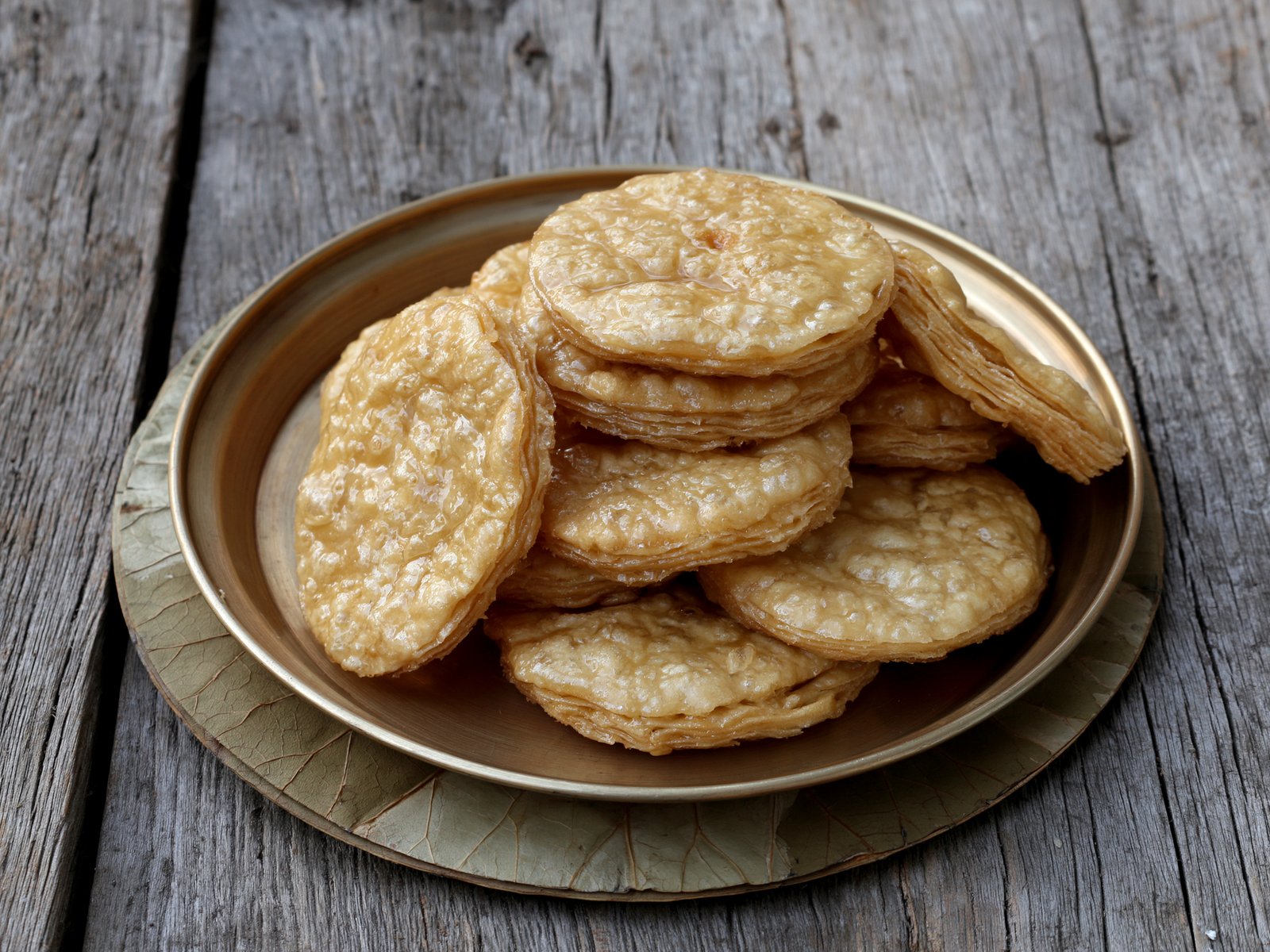
Silao Khaja
Silao khaja: sixteen paper-thin sheets of dough stacked with ghee paste, rolled, cut and fried so the layers lift, then dipped in syrup. Bihar’s travel sweet.
-
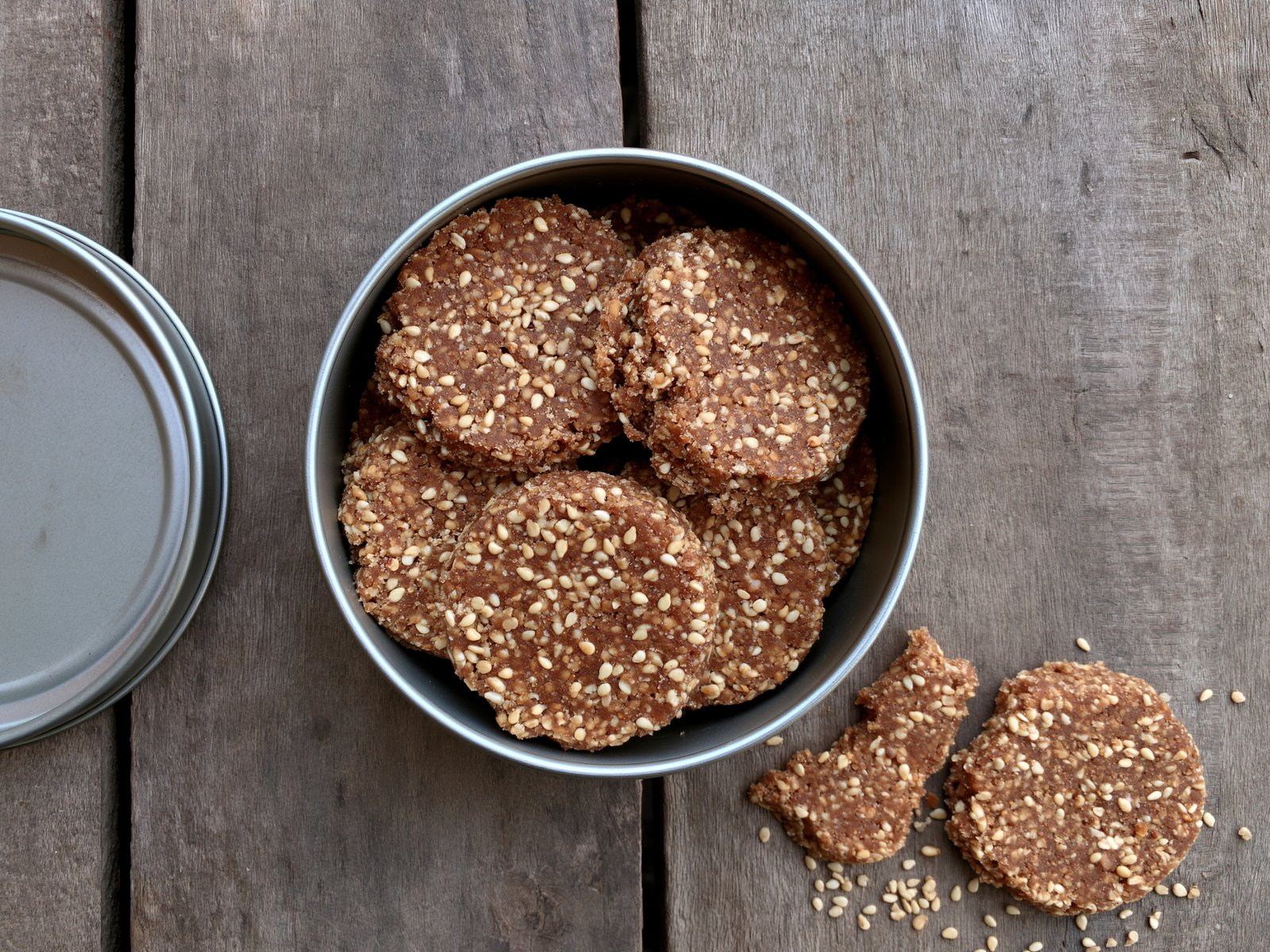
Tilkut
Tilkut: sesame roasted until it jumps, then pounded into cooked jaggery until the seeds break and bind it. Bihar’s Makar Sankranti sweet, from Gaya.
-
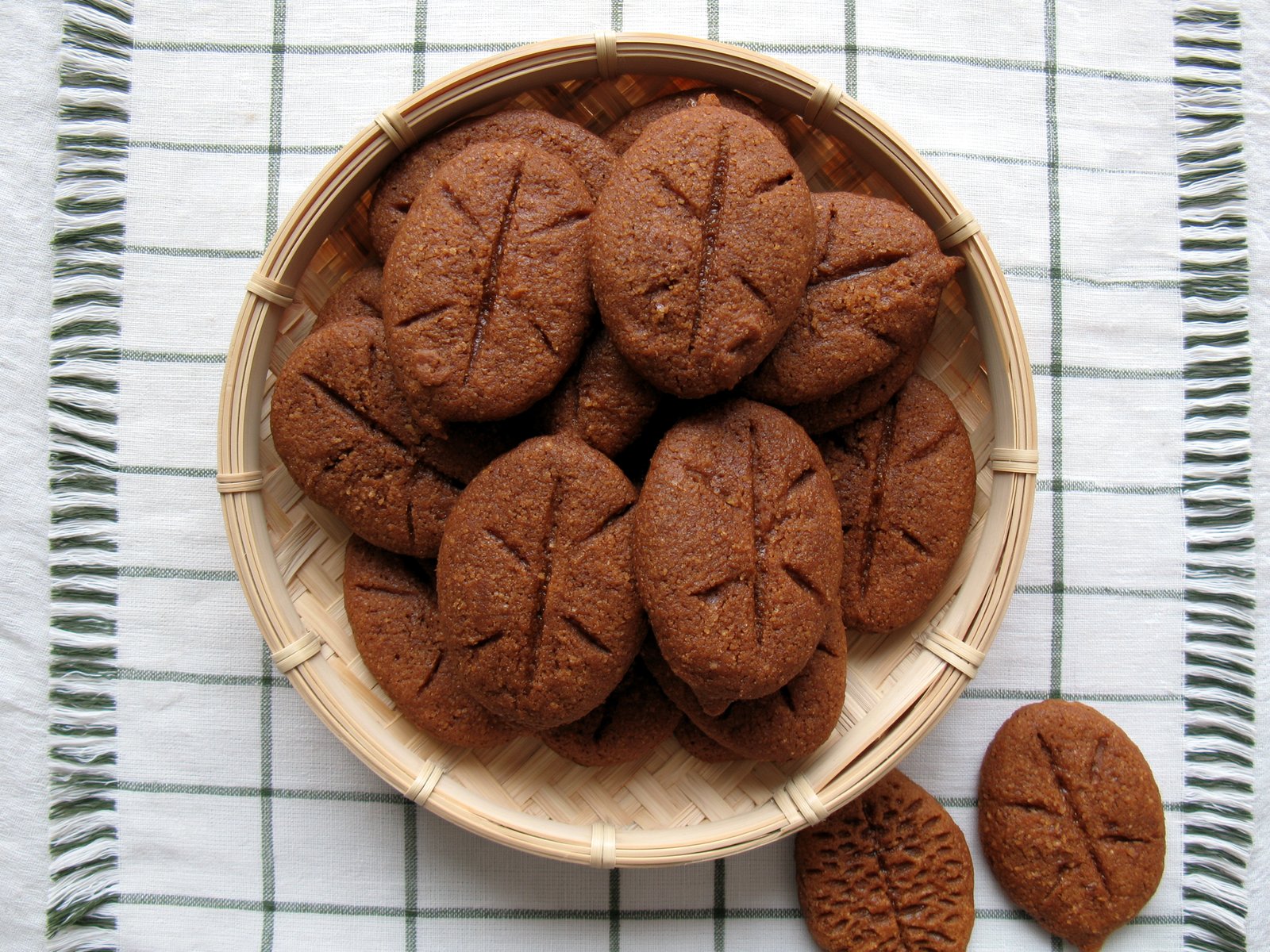
Thekua
Thekua: wheat flour worked with jaggery syrup, fennel and coconut, pressed in a carved wooden mould and fried slowly in ghee. Bihar’s Chhath sweet.
-
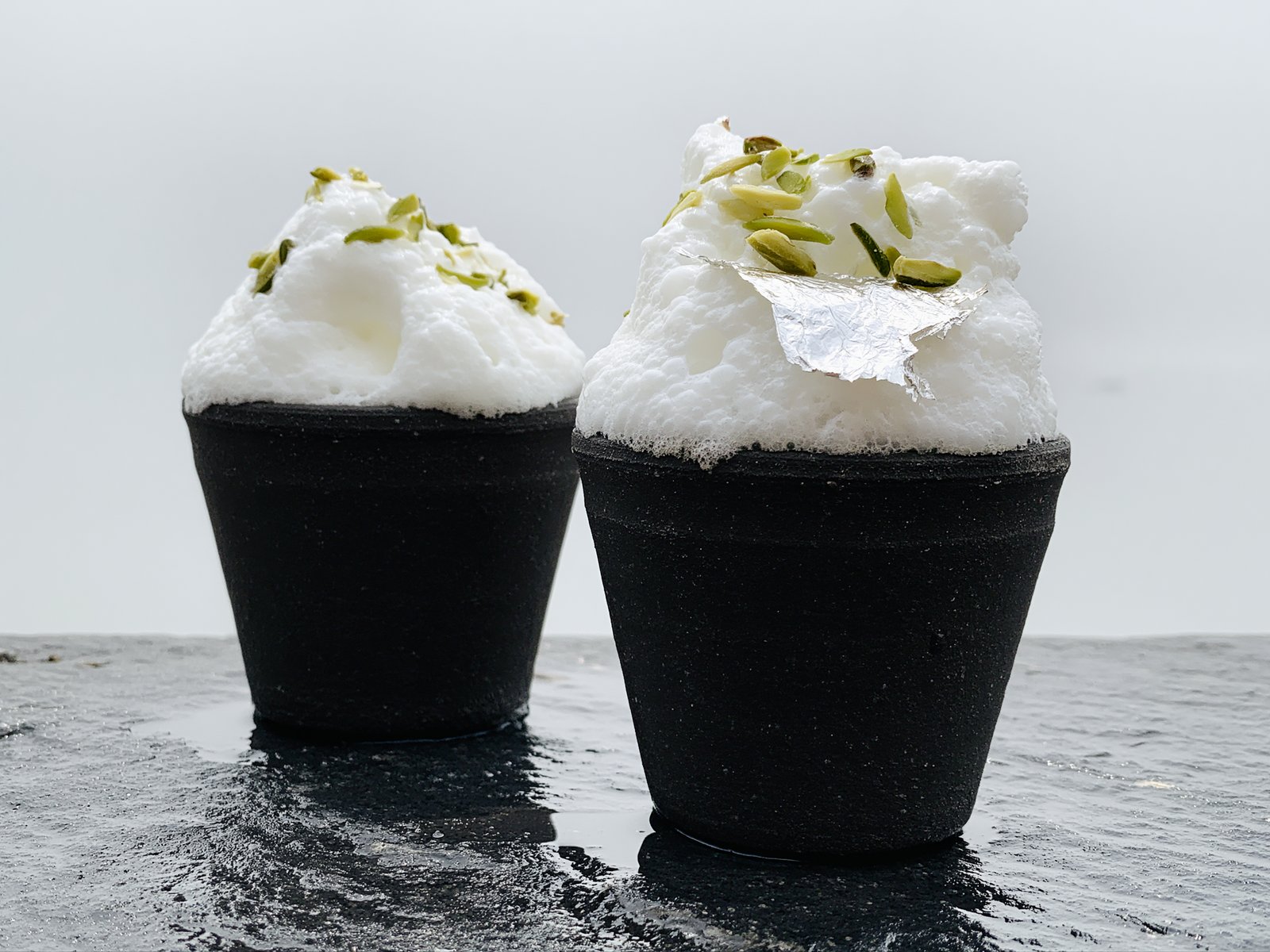
Malaiyo
Malaiyo: saffron milk left under a cold night sky until it froths, churned before dawn and skimmed into clay cups. Banaras’s winter-only sweet, gone by eleven.
Drinks
-
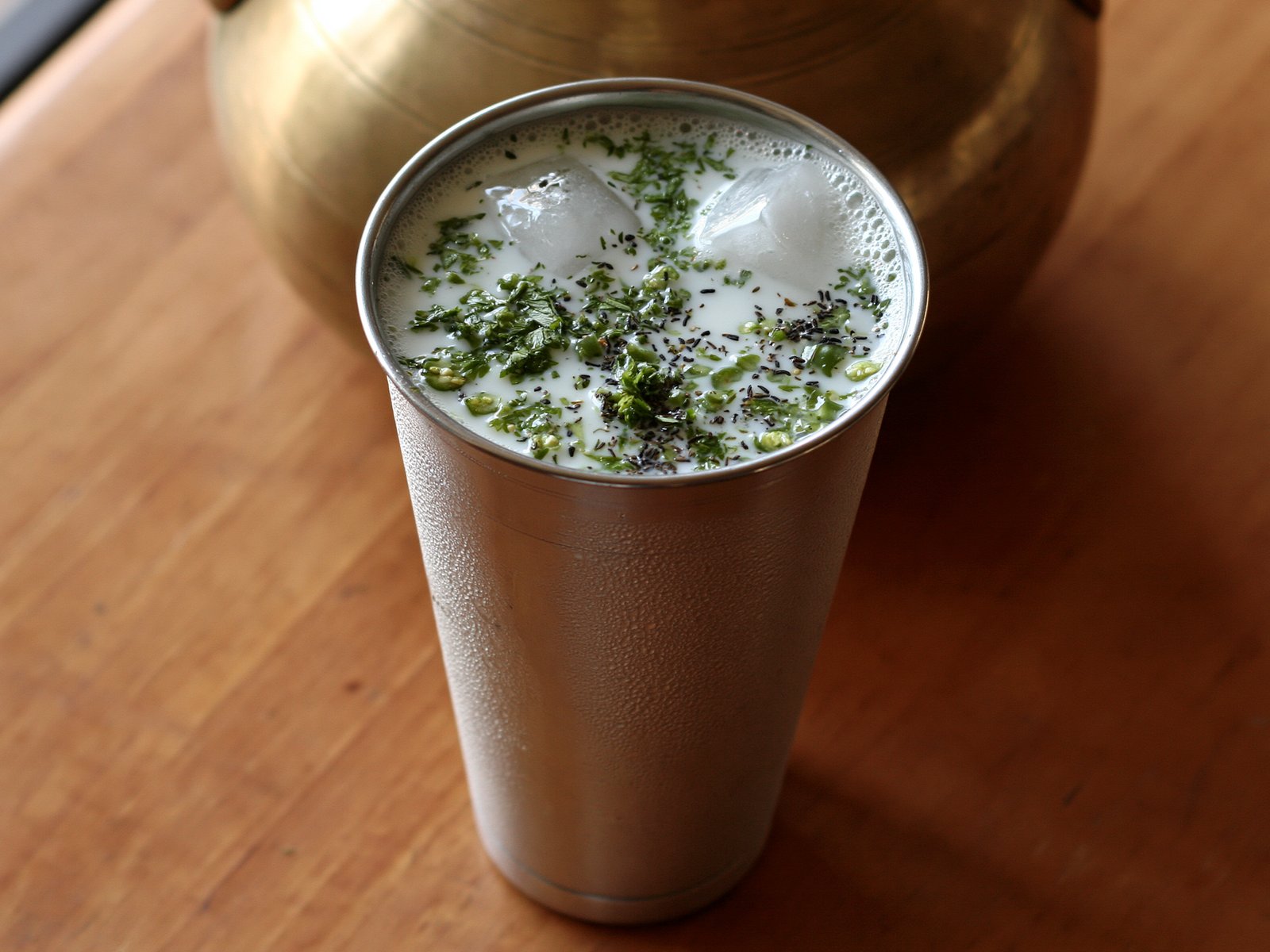
Mattha
Mattha: curd whisked thin with cold water, salted and spiced with roasted cumin and green chilli. The everyday summer buttermilk of the eastern plain.
-
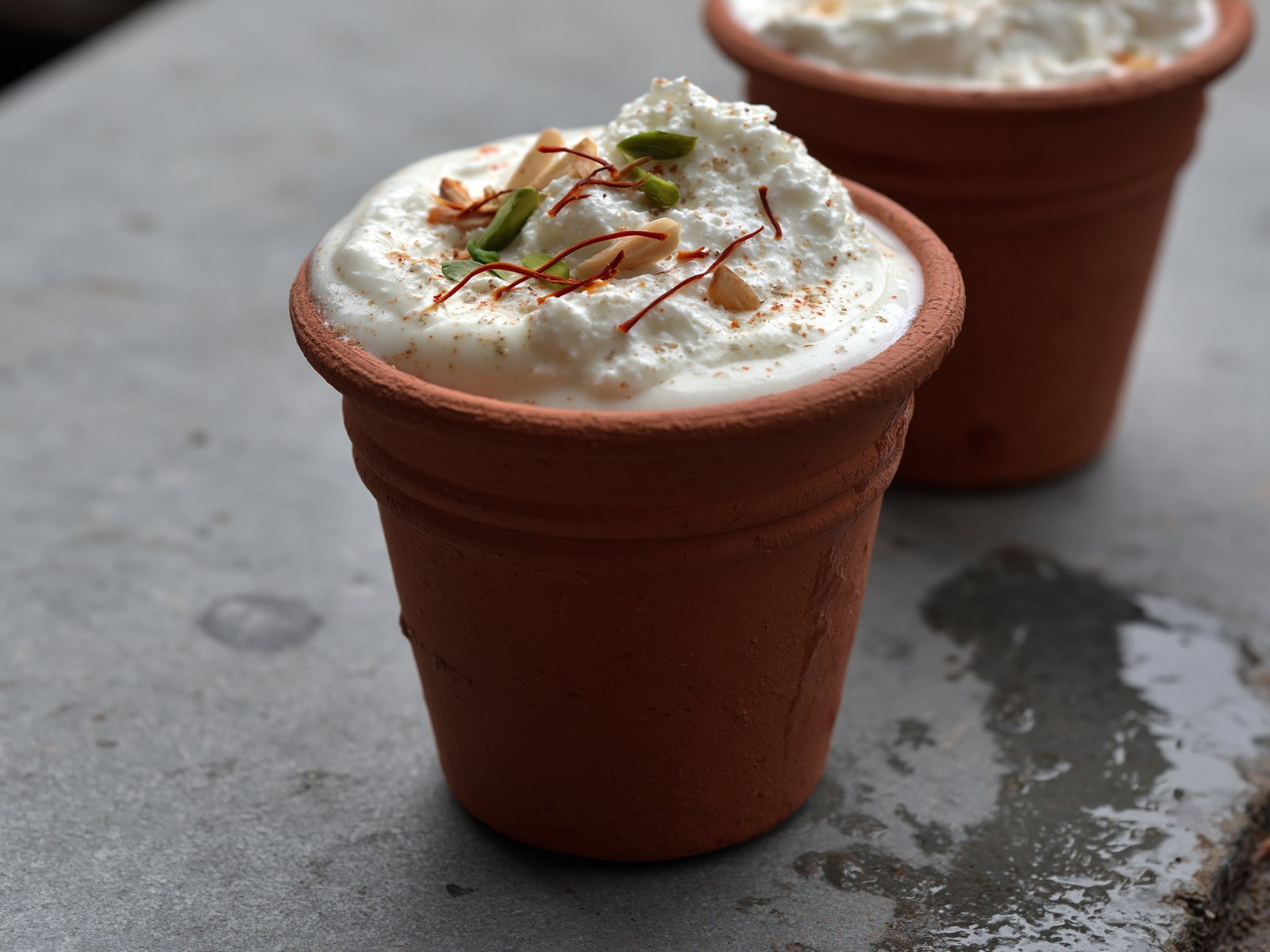
Banarasi Lassi
Banarasi lassi: set curd whipped thick, spooned into a clay kulhad and buried under malai, rabri and pistachio. Not the pourable Punjabi drink.
-
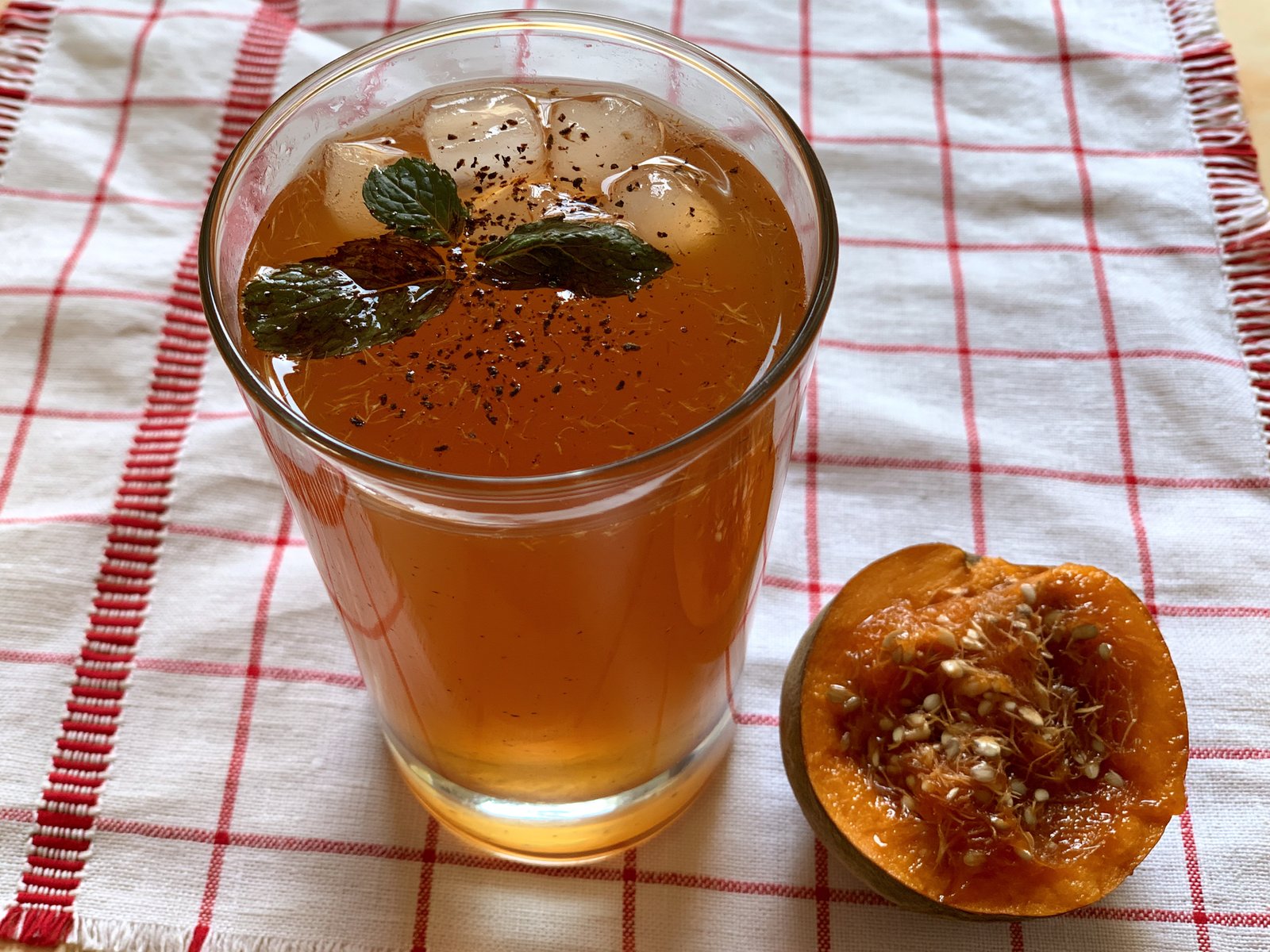
Bel ka Sharbat
Bel ka sharbat: wood apple pulp soaked, mashed and strained, then taken savoury-sour with roasted cumin, black salt and chaat masala. Bihar’s summer drink.
-
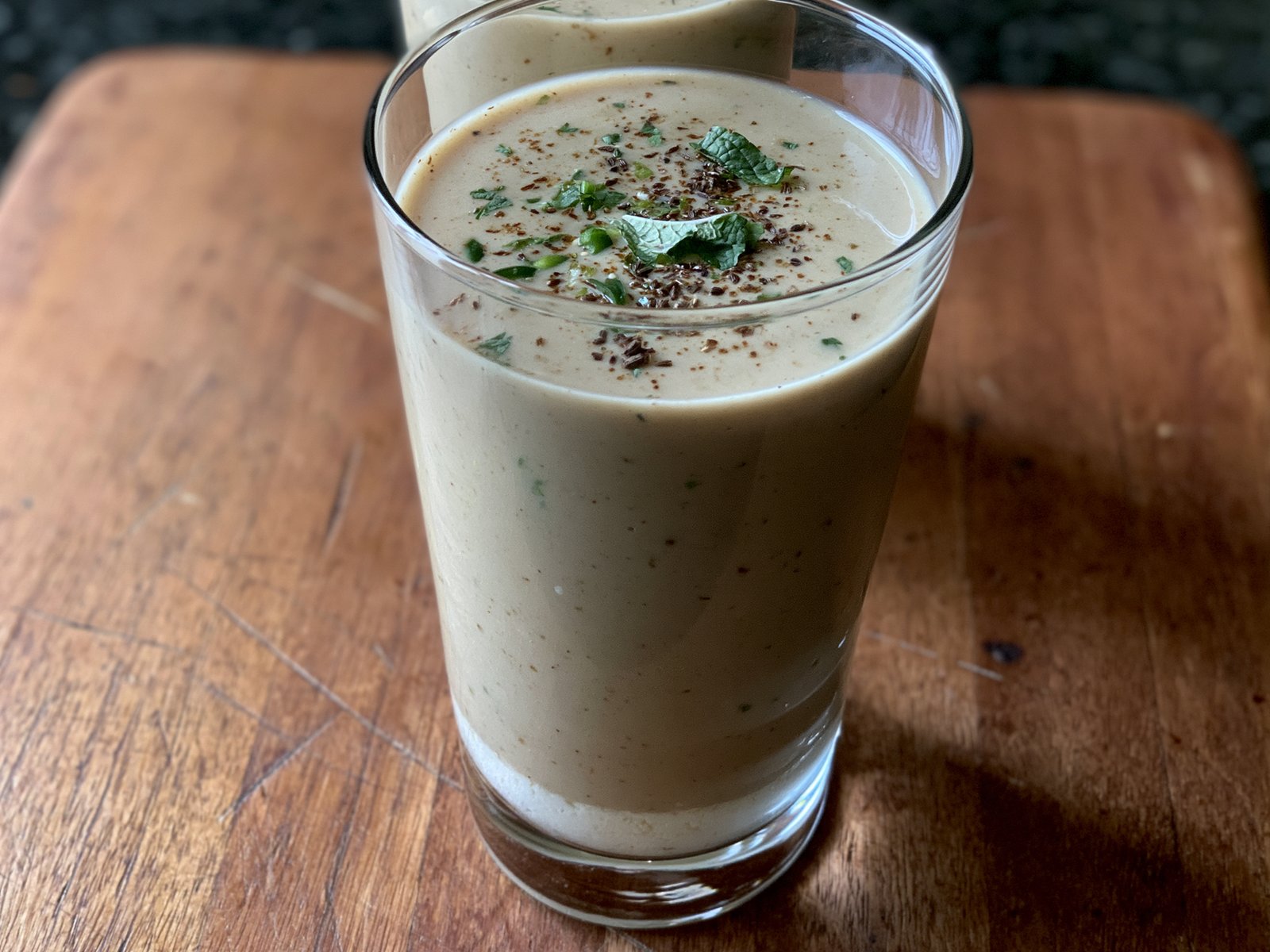
Sattu ka Sharbat
Sattu ka sharbat: roasted black chickpea flour in cold water, savoury with black salt, cumin and green chilli, or sweet with jaggery. Bihar’s field drink.
Every dish in this atlas was found somewhere — a blog, a cookbook, a family. If there is a version that lives in your kitchen and nowhere else, it belongs here. Or if you think we are missing a dish that belongs, drop us a note using the link below.
Contribute →