The hilsa swims upstream and Bengal follows.
The delta is a fish-and-rice civilisation, and mustard runs through all of it. Mustard oil is the cooking fat. The sauce is often ground mustard seed, and whole seed goes into hot oil at the start of most dishes. The year turns on the hilsa, a shad that runs upstream from the Bay of Bengal each monsoon and rearranges every market and household it passes. Underneath all of it sits a taste for bitterness held against sweetness, often across a single meal and sometimes inside a single dish.
Why it cooks as one zone
West Bengal and Bangladesh are two countries and one kitchen. A meal here can open on something deliberately bitter, a shukto or a neem-and-aubergine fry, and close on a milk sweet, with savoury cooking in between that takes its heat from mustard rather than from chilli. Ground mustard is worked with a green chilli and a pinch of salt, which is what keeps it from turning bitter in the pan. The temper that marks the zone is panch phoron, the five-seed blend of mustard, fenugreek, nigella, cumin and fennel, dropped in whole.
Fish sits at the centre, freshwater and tidal, hilsa above all. Rice is the base of the meal rather than an accompaniment to it, and the quantities in these recipes assume that.
The pantry
The ingredients that make a dish belong to the delta:
- Mustard oil. Heat it until it smokes, then take it off and let it cool for a moment before you start cooking. That is what takes the raw edge off, and skipping it is why a first attempt often tastes harsh. A neutral oil will not stand in.
- Kasundi, fermented mustard paste, working as both condiment and sauce base. Most of what is sold in jars is a milder factory version, and it still does the job.
- Panch phoron, always whole and never ground, dropped into hot oil and left until it pops.
- Hilsa (ilish), the seasonal centrepiece, steamed in mustard paste for shorshe ilish or smoked whole. Full of fine bones, which is part of eating it rather than a fault to work around.
- Poppy seed (posto), ground to a paste for a nutty, restrained richness in everyday dishes. Soak it first or the grinder will not take it.
- Date palm jaggery (nolen gur). A smoky winter sugar, tapped only in the cold months, which is why the sweets it goes into are seasonal.
- Coconut, for the sweet-savoury balance in chingri malai curry and the festival cooking.
Where to find it
The Bangladeshi grocers cover most of this list.
In the UK, go to those rather than the general South Asian shops: Brick Lane and Whitechapel in east London, Green Street in Newham. Look to Pran and Radhuni for the spice blends, and Rajah for mustard oil.
In the US, Patel Brothers and H-Mart carry almost all of it, with mustard oil under the Dabur and Laxmi labels. Fresh or frozen hilsa turns up in Bengali-community grocers around New Jersey and New York, and frozen is fine for shorshe ilish.
Date palm jaggery, a decent kasundi and dried shatkora are all easier to order online than to find on a shelf.
The recipes
The recipes
The weeknight cooking, the festival dishes, the street food of Kolkata and Dhaka, the sweets, and the drinks.
Everyday & Weeknight
-
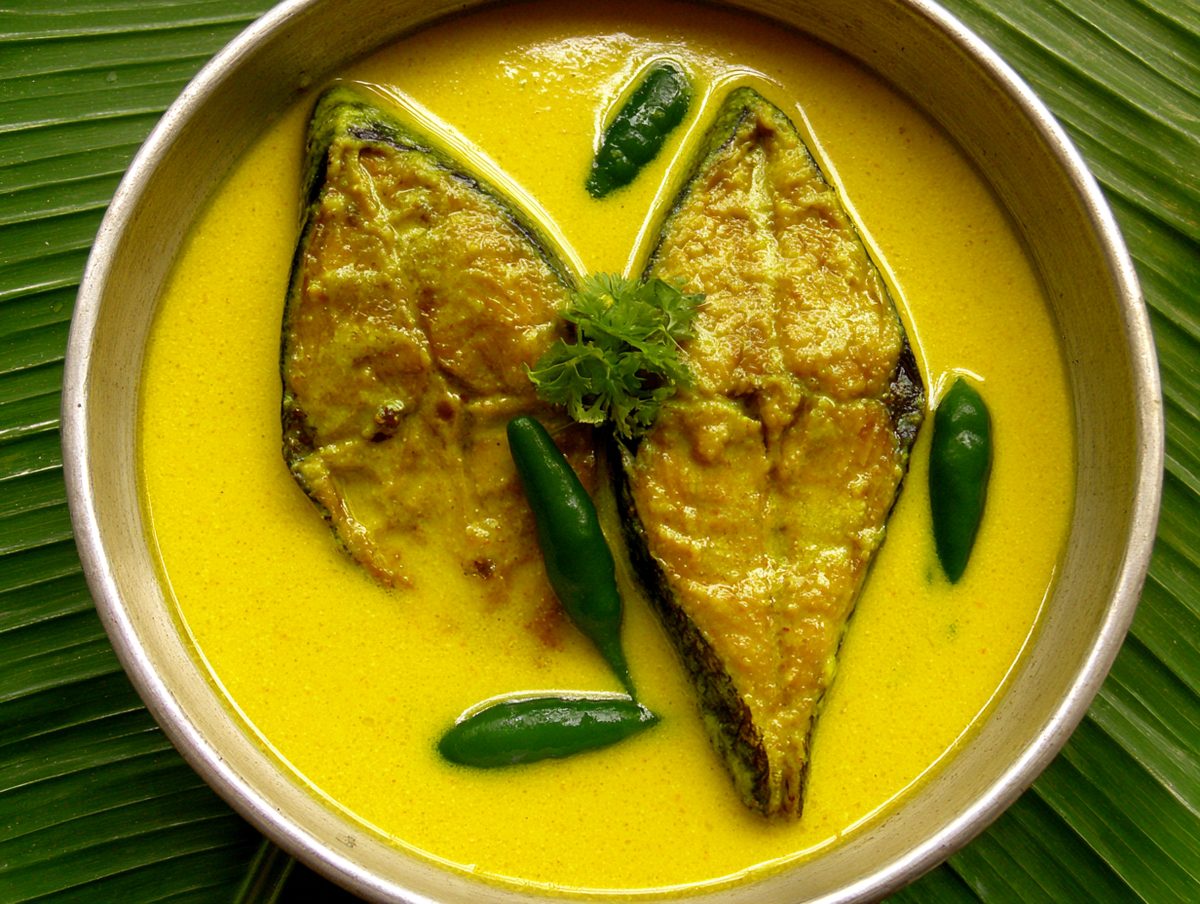
Shorshe Ilish
Shorshe Ilish Hilsa steamed in a sharp yellow mustard paste — the dish Bengal waits all year for, ready in thirty minutes and impossible to improve.
-
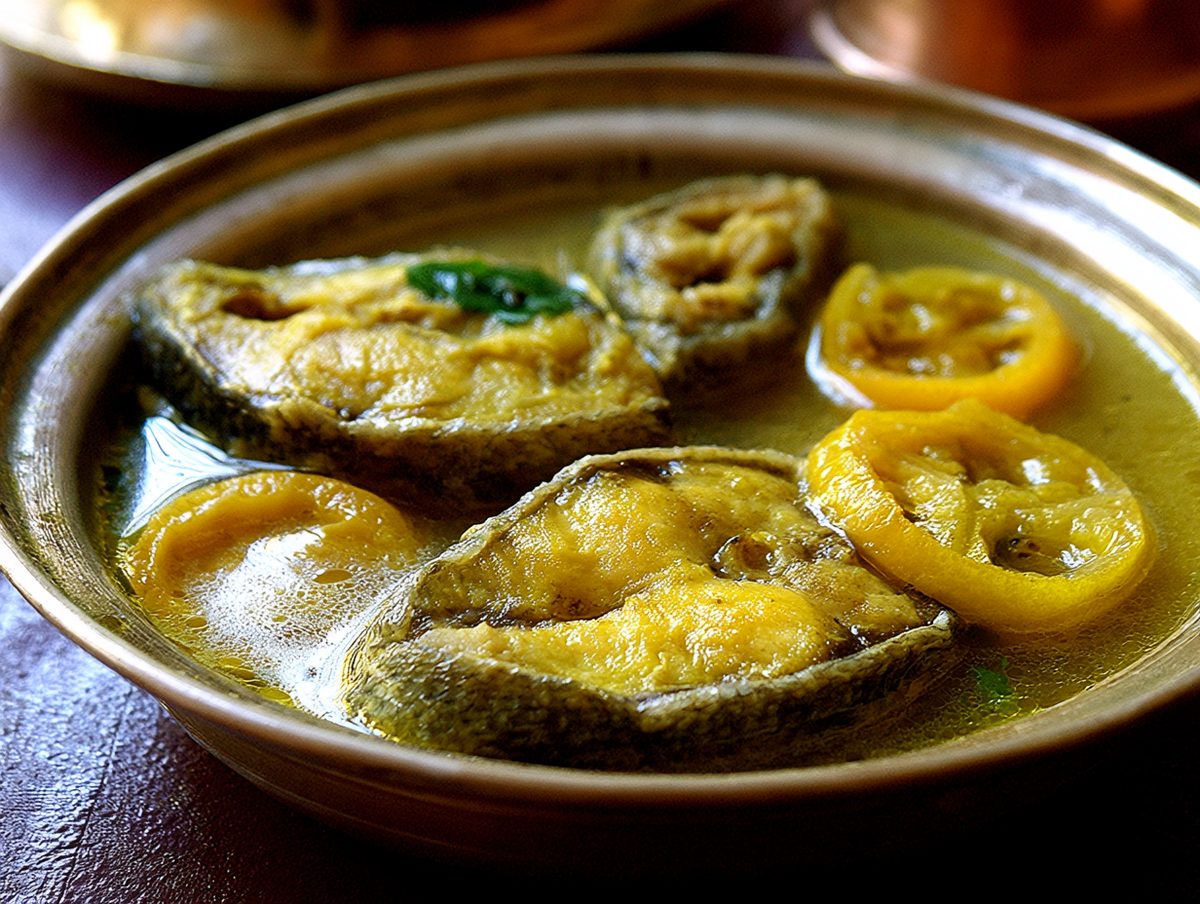
Fish Tenga
Fish Tenga A pale, broth-like sour fish curry built around elephant apple and tomato — the defining dish of the Assamese table, made to cool the body in the monsoon heat.
-
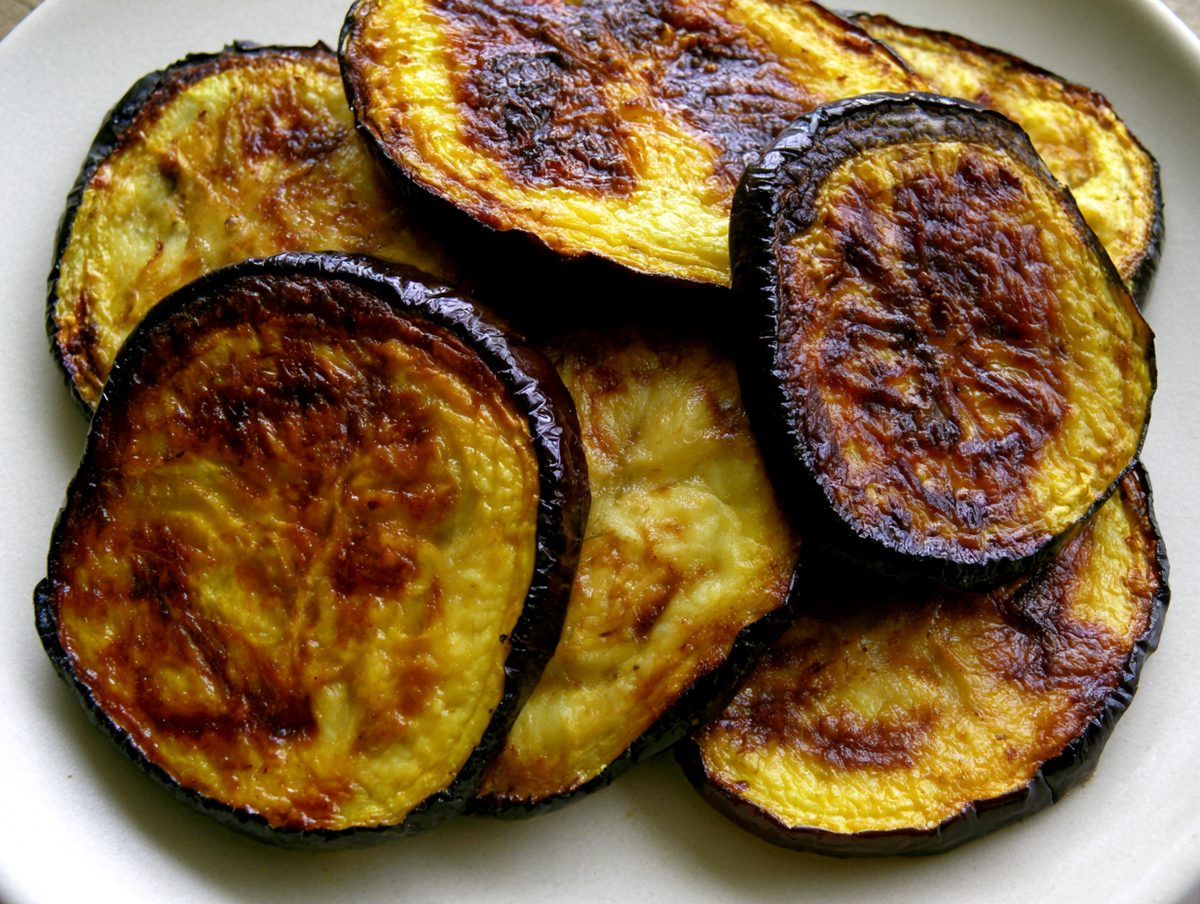
Begun Bhaja
Begun Bhaja Aubergine rounds fried in mustard oil until the outside lacquers dark and the inside collapses into silk — five ingredients, ten minutes, no improvement possible.
-
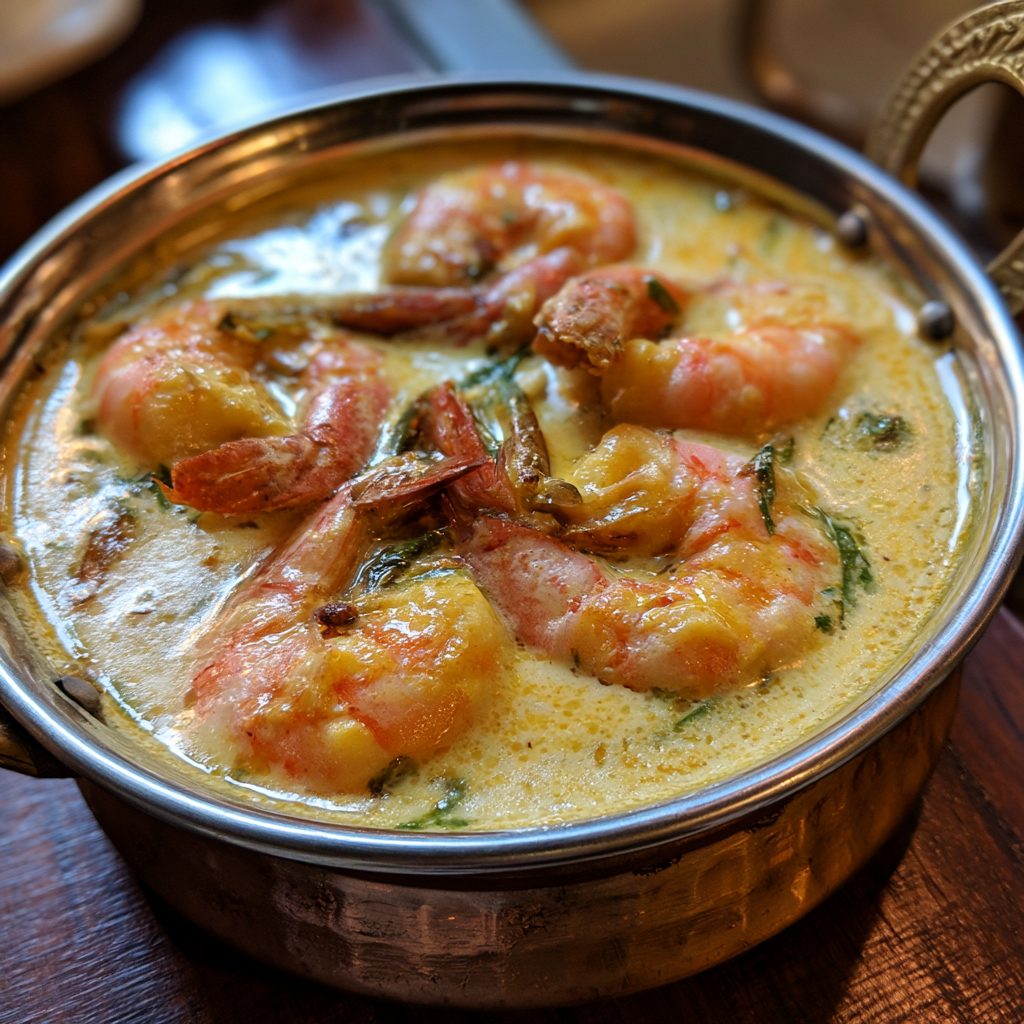
Chingri Malai Curry
Chingri Malai Curry Large prawns braised in thin coconut milk with whole spices — the everyday luxury of the Bengal coast, cooked in twenty minutes and served over white rice.
-
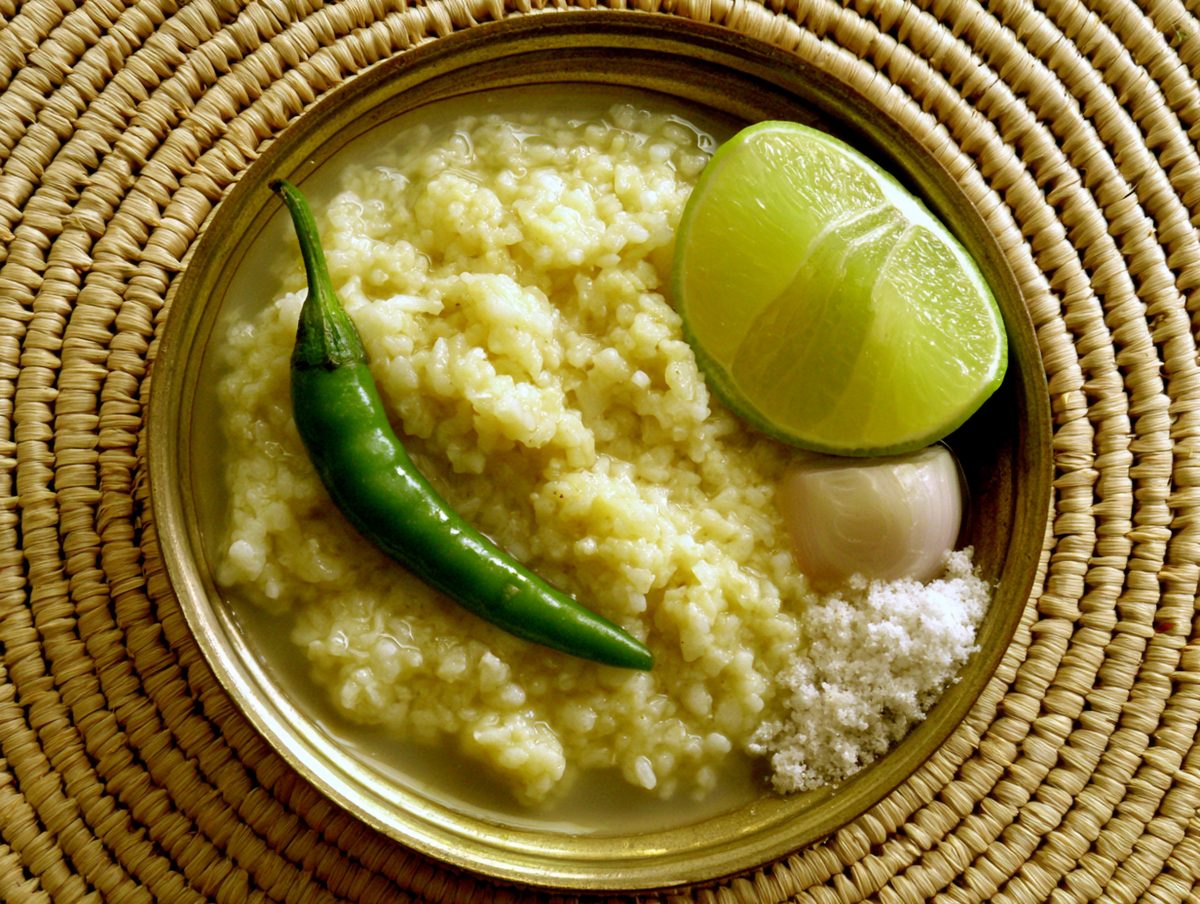
Panta Bhat
Panta Bhat Fermented overnight rice eaten cold with raw onion, green chilli, and mustard oil — the morning meal of the Bengali countryside and the taste every diaspora Bengali misses most.
-
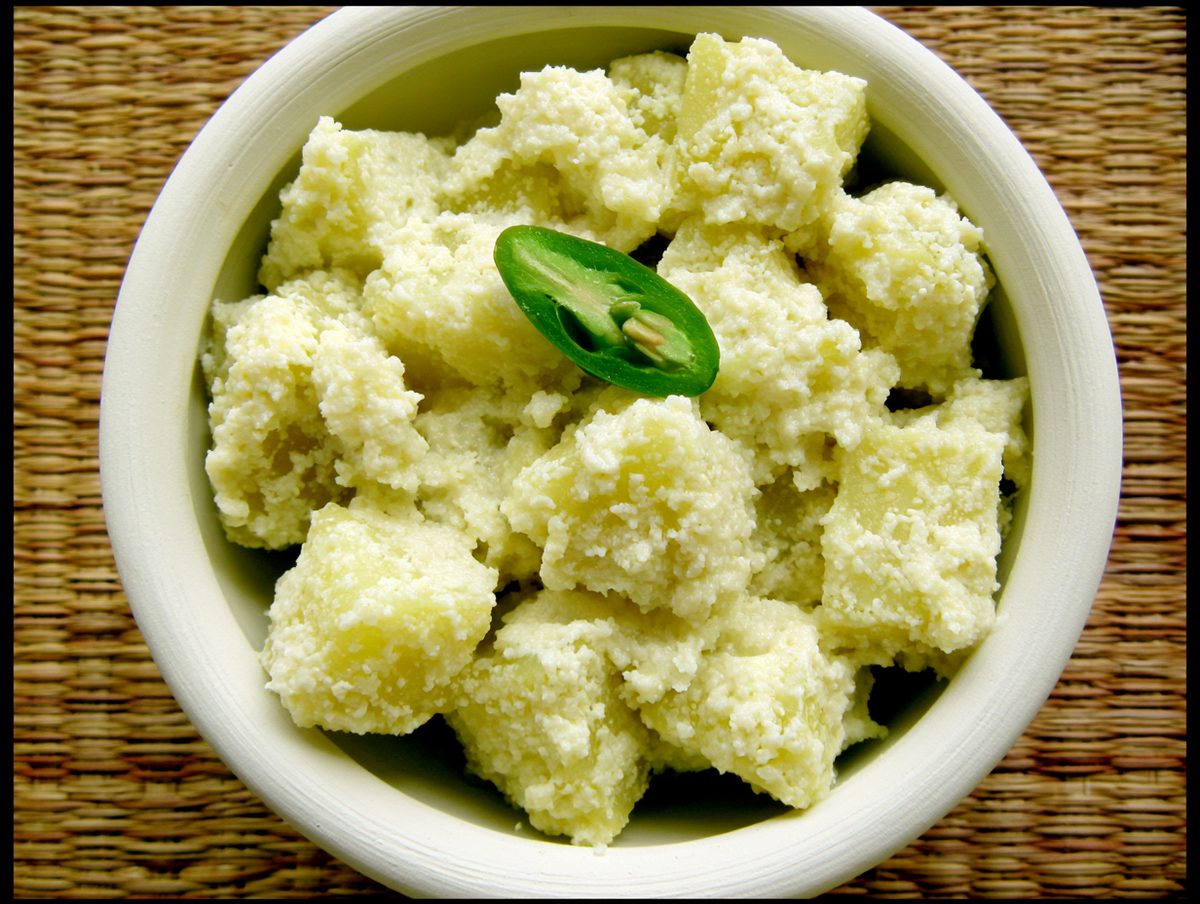
Aloo Posto
Aloo Posto Cubed potatoes coated in white poppy seed paste and fried in mustard oil — quietly one of the greatest potato dishes on the subcontinent.
-
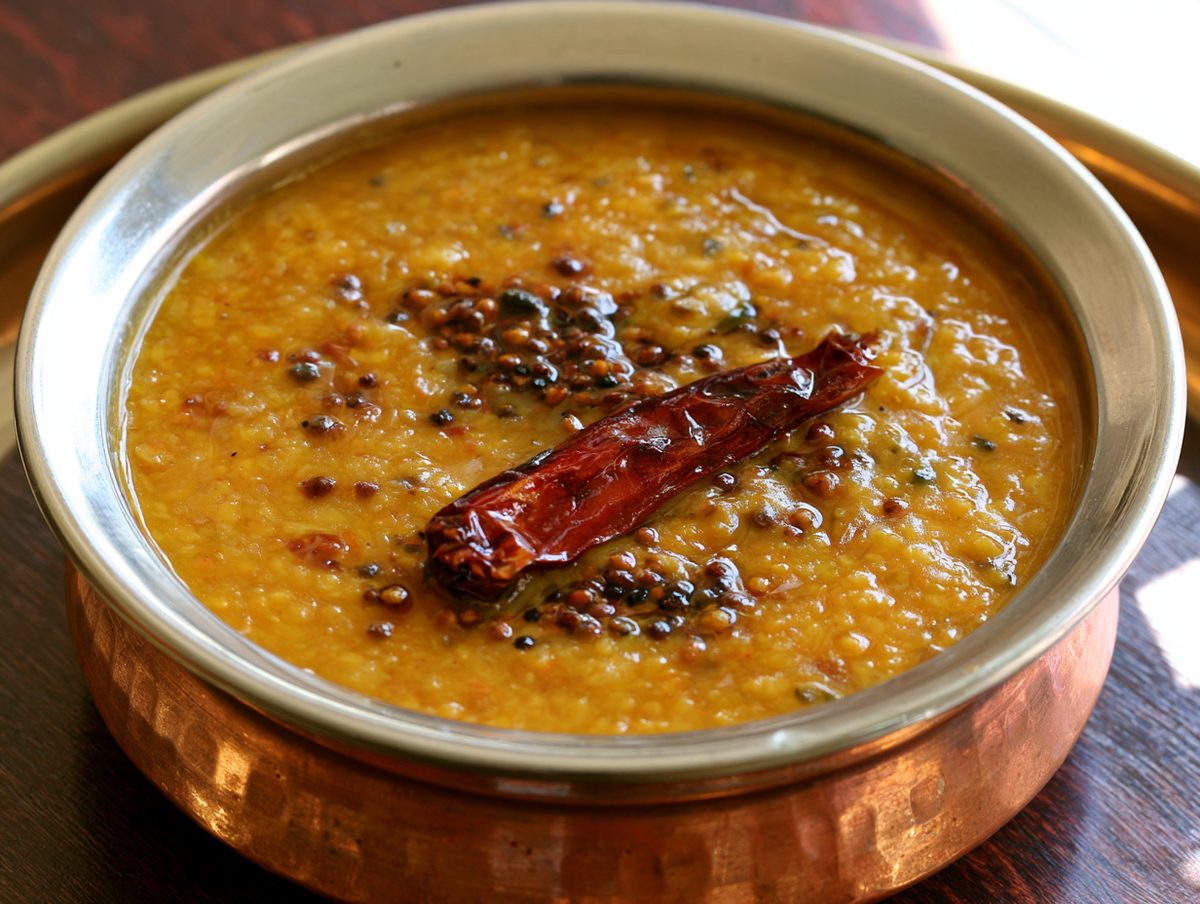
Dal with Panch Phoron
Dal with Panch Phoron Red lentils tempered with the Bengali five-spice blend bloomed in mustard oil — the smell that means Tuesday in every Bengali home kitchen.
Celebration & Occasion
-
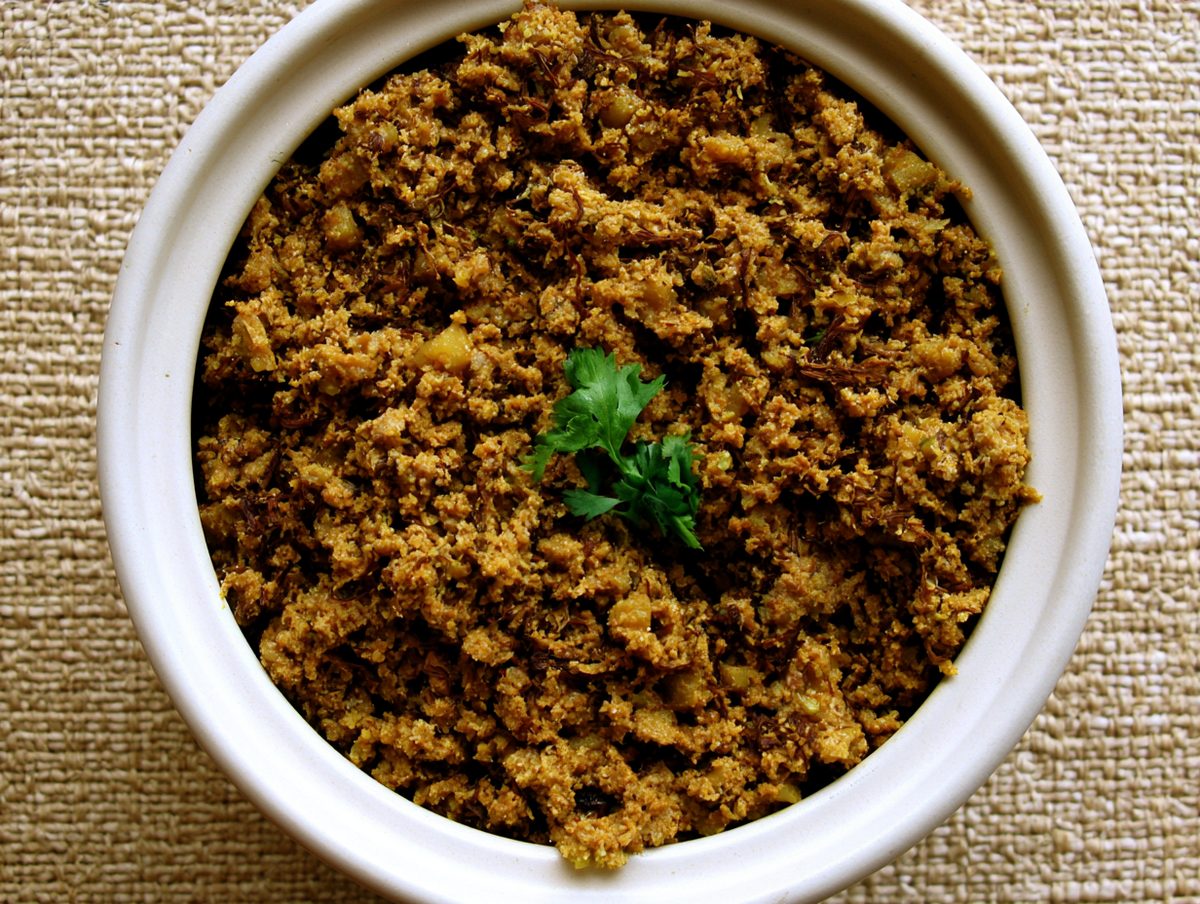
Mochar Ghonto
Banana blossom cooked with coconut, potato, and panch phoron — mochar ghonto — is the vegetarian centrepiece of the Durga Puja feast in Hindu Bengali households
-
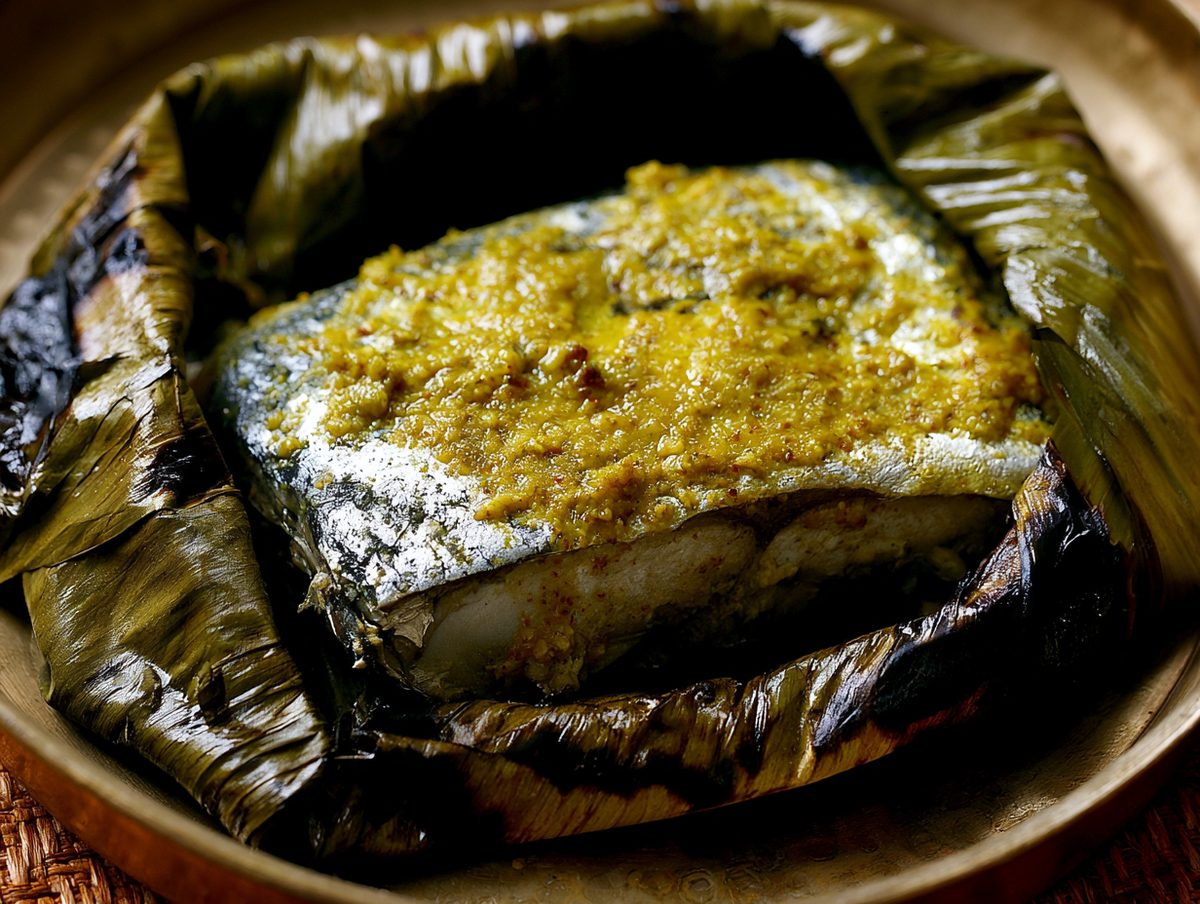
Ilish Paturi
Hilsa wrapped in banana leaf and steamed in mustard paste — the dish Bengal makes when the occasion demands the fish give everything it has.
-
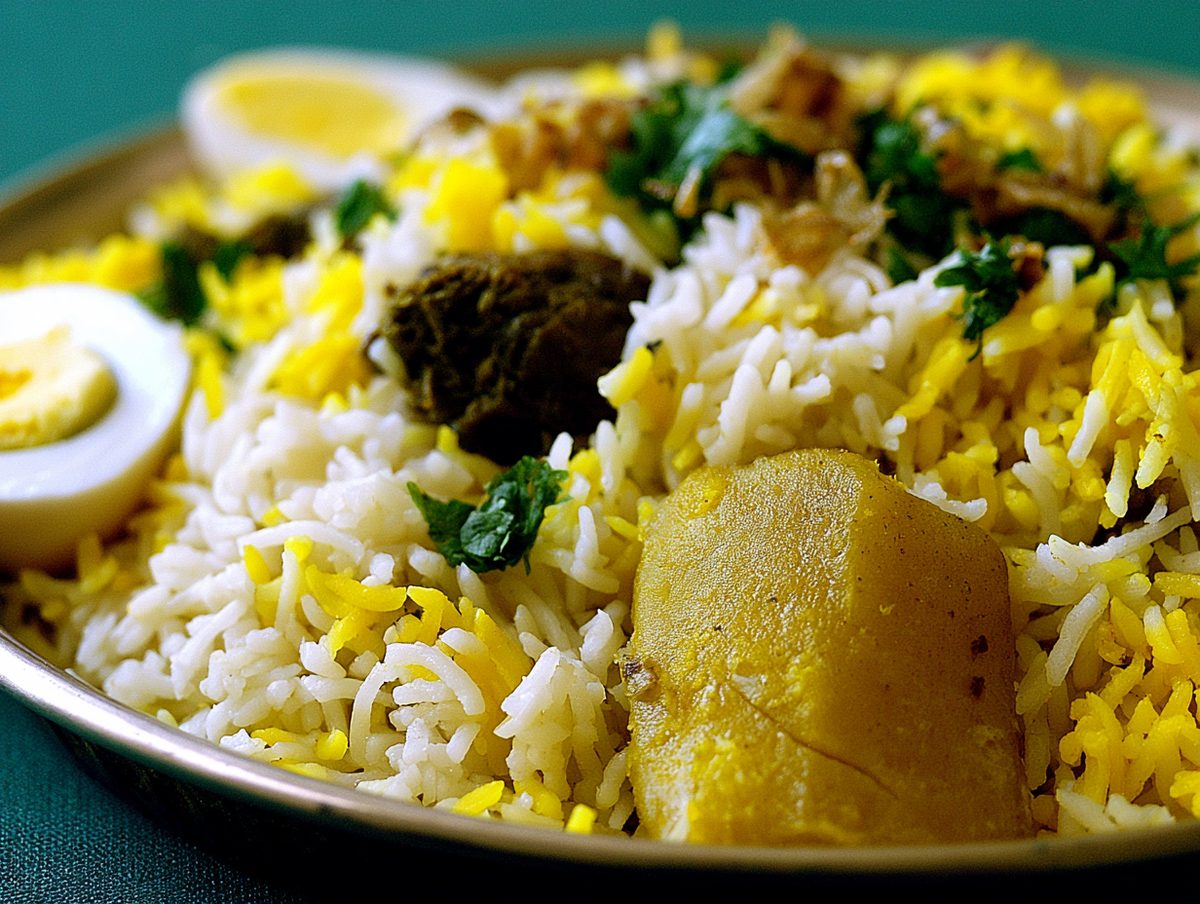
Bengali Mutton Biryani
The biryani that arrived in Kolkata with a deposed Nawab and never left — distinguished from all others by the boiled potato inside, the lighter spice hand, and the kewra water that perfumes the finished dum.
-
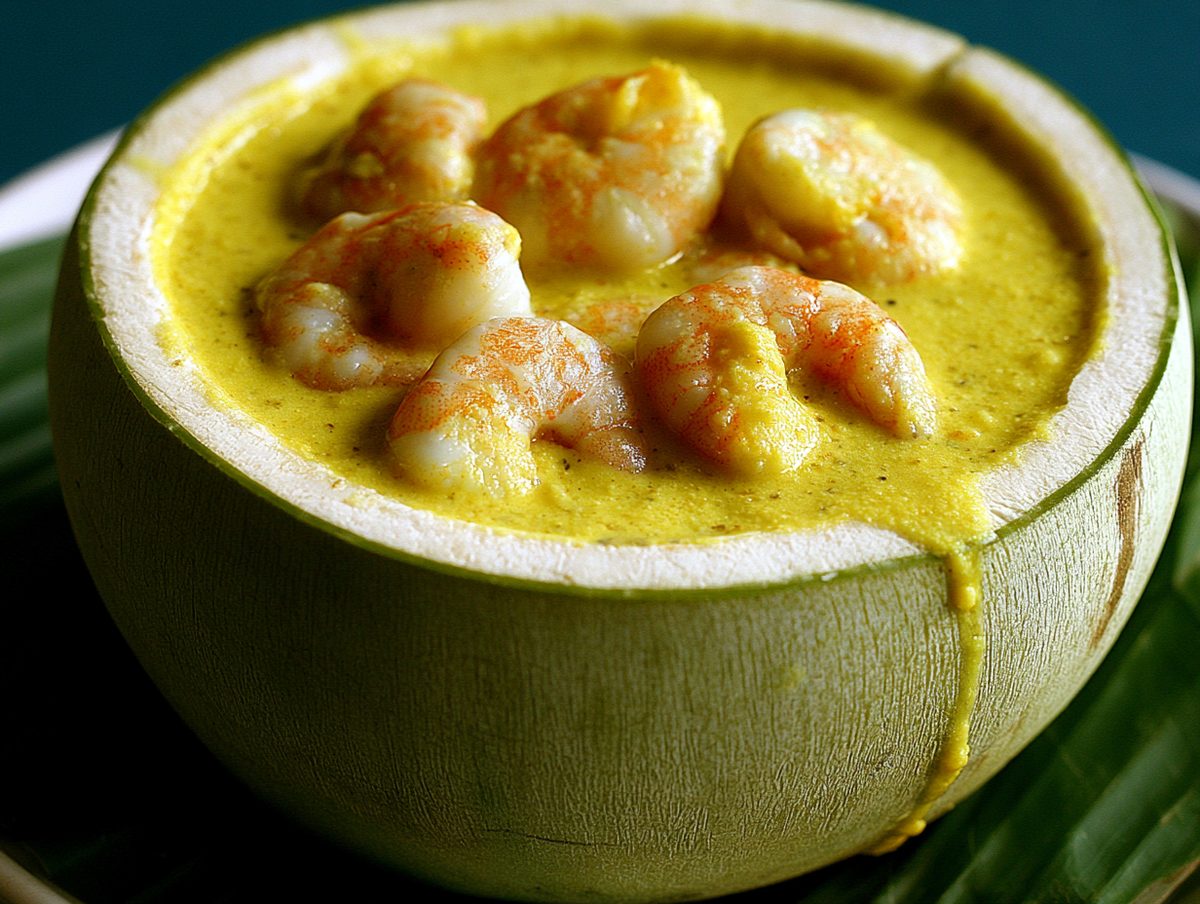
Daab Chingri
Chingri Malai Curry Large prawns braised in thin coconut milk with whole spices — the everyday luxury of the Bengal coast, cooked in twenty minutes and served over white rice.
-
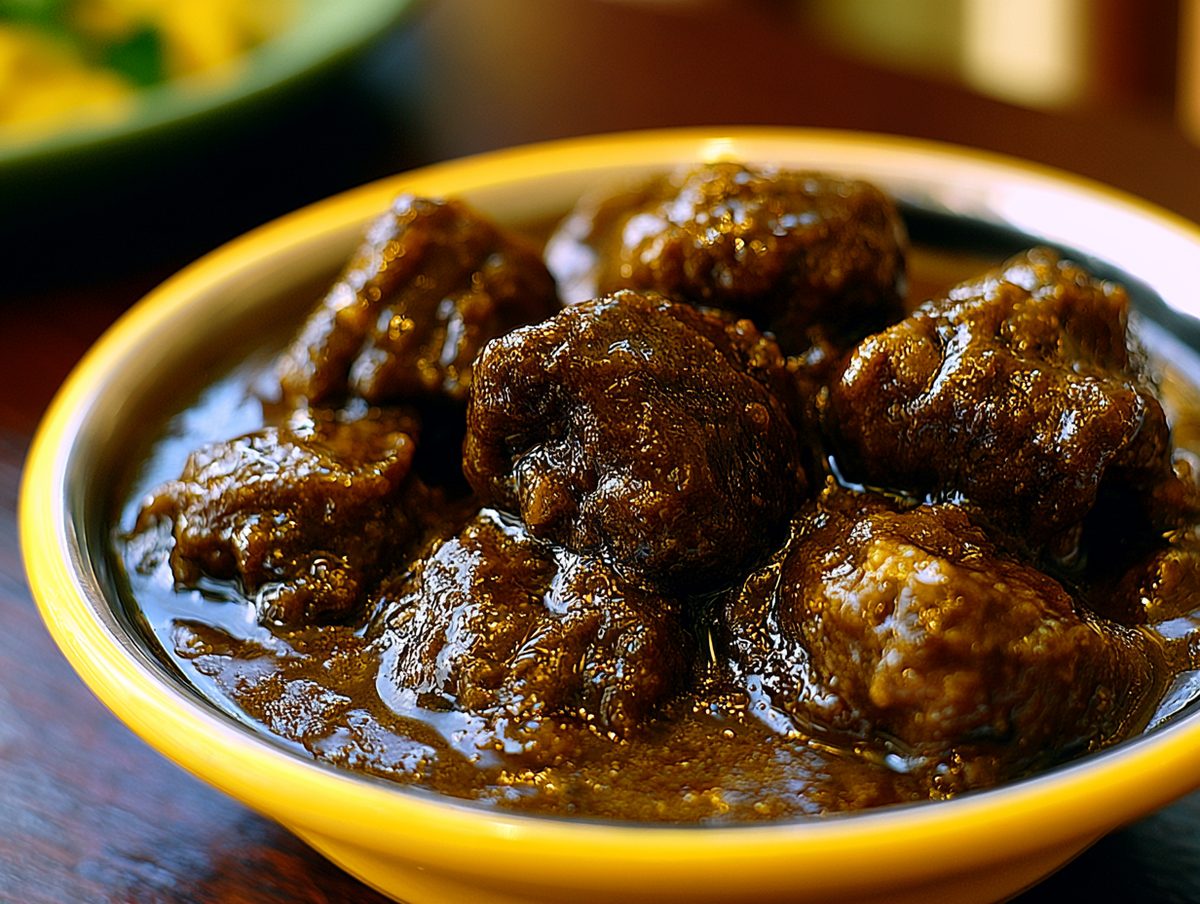
Kosha Mangsho
Slow-fried mutton cooked without water until the fat renders and a sticky, deeply spiced paste coats every piece — the feast dish of the Bengali Hindu household, made for Durga Puja and for homecomings.
-
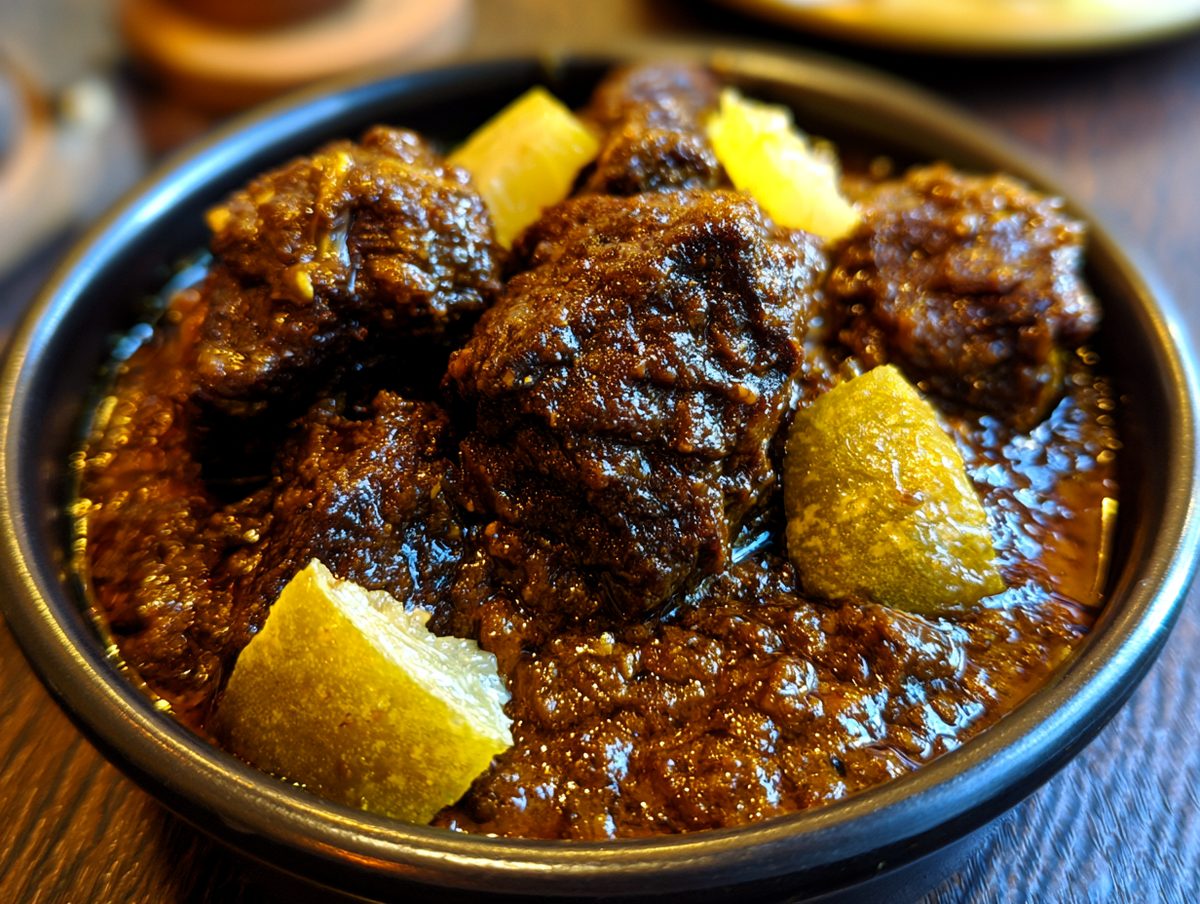
Shatkora Mangsho
Excerpt: Slow-braised beef with the fiercely aromatic rind of shatkora — the Sylheti citrus that every Bangladeshi restaurant in Britain uses too sparingly and almost never gets right.
Street Food & Snacks
-
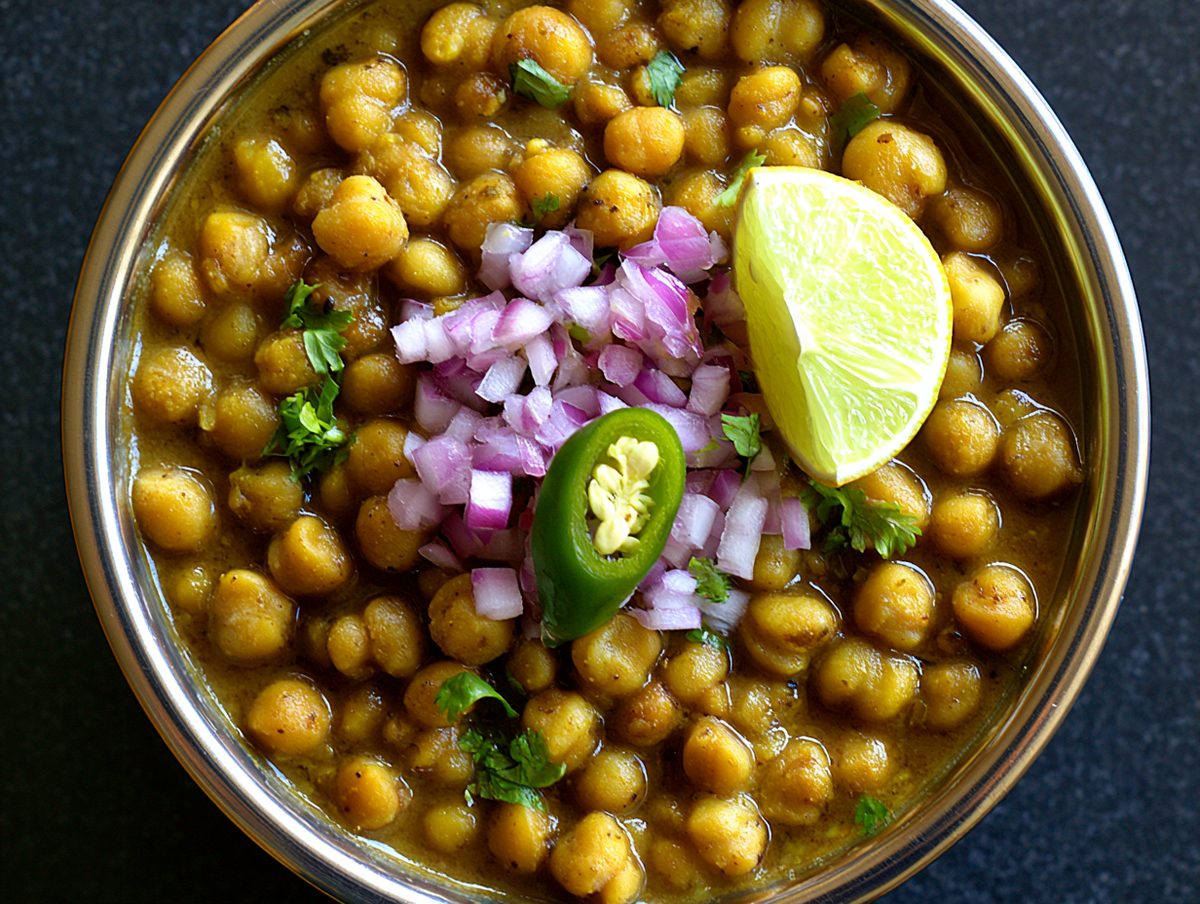
Ghugni
Dried yellow peas slow-cooked with ginger, green chilli, and panch phoron — the street snack that appears at every Kolkata railway platform, evening market, and neighbourhood corner.d
-
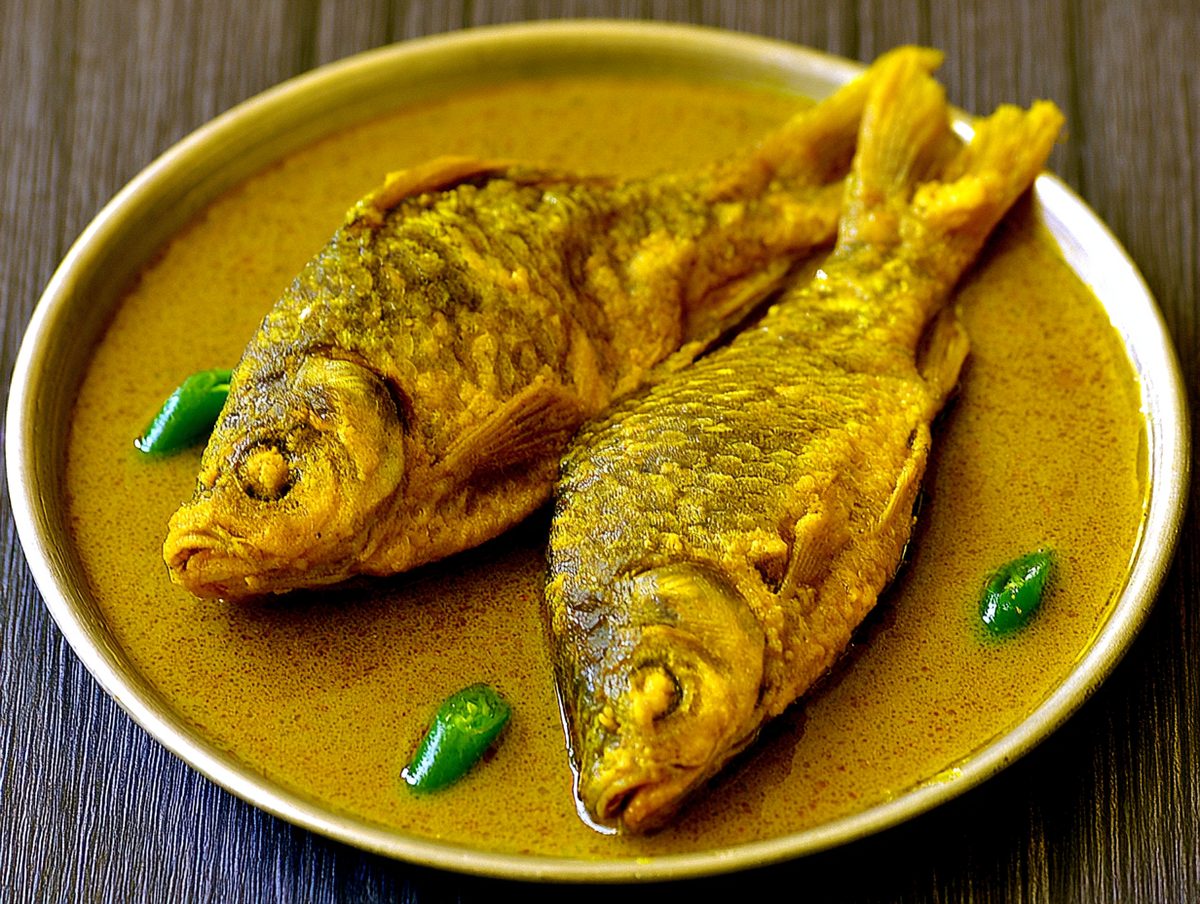
Tel Koi
Tel koi — climbing perch in mustard sauce, Bengali freshwater fish, River Delta
-
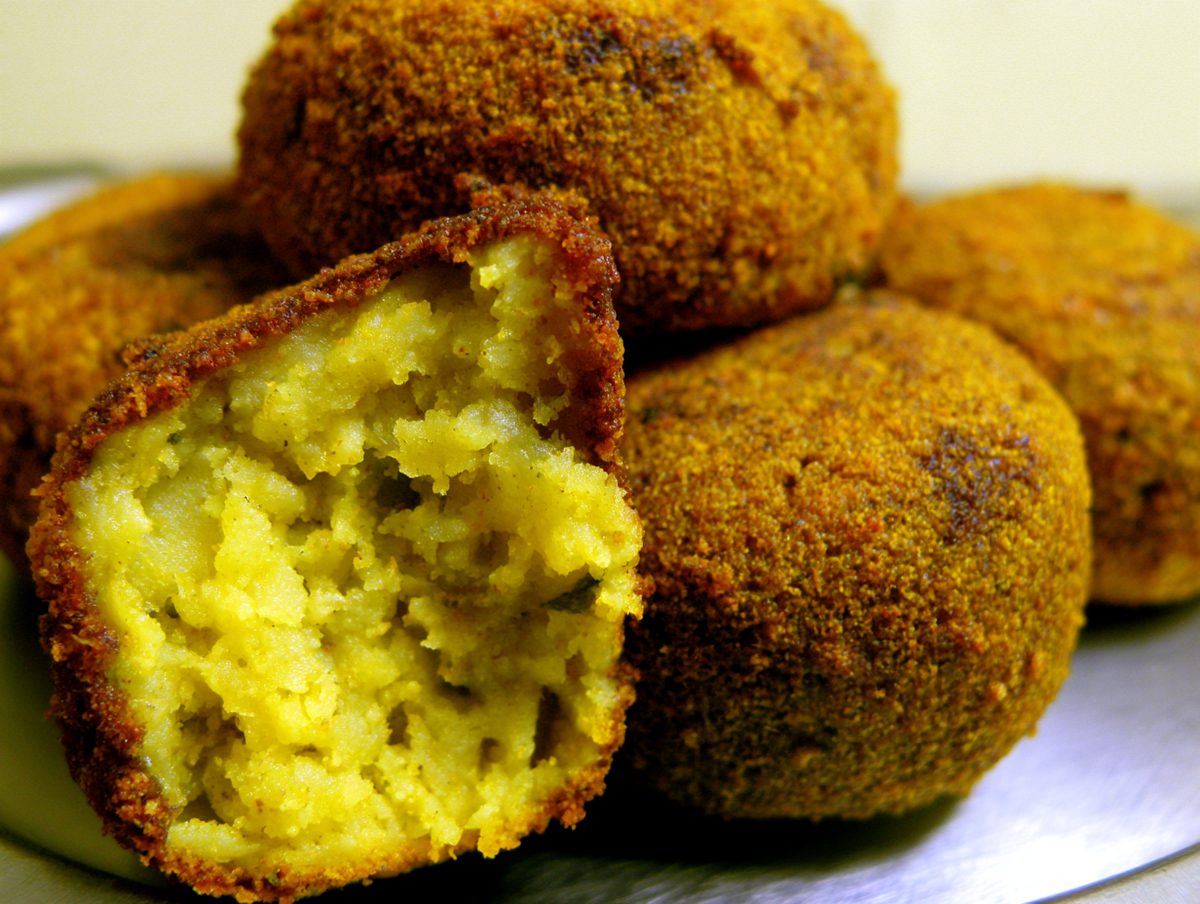
Alur Chop
Spiced mashed potato encased in a thin chickpea batter and deep fried — the Bengali street snack that appears at every tea stall, every afternoon, without fail.
-
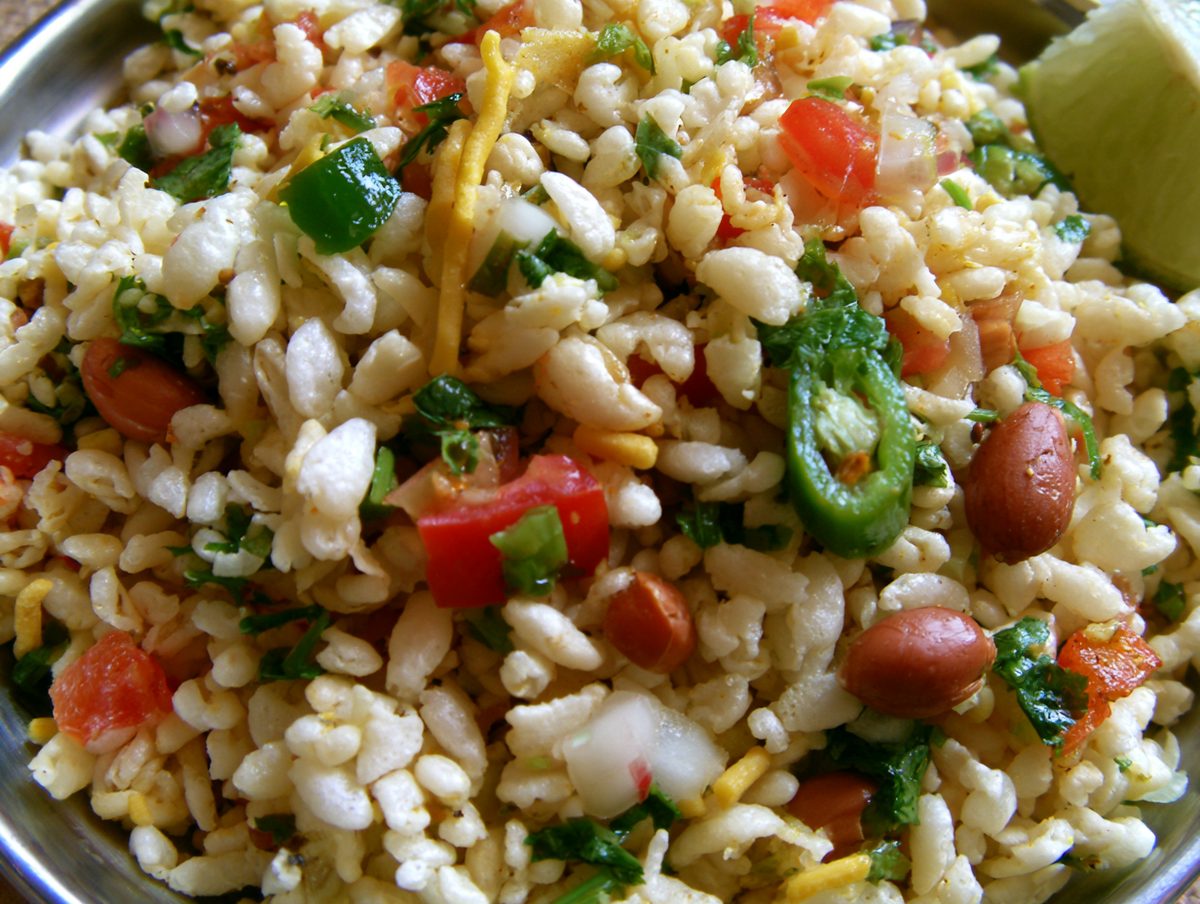
Jhalmuri
Puffed rice tossed with mustard oil, raw onion, green chilli, and whatever the vendor has to hand — Kolkata’s most democratic street food, made in thirty seconds and eaten in the same.
-
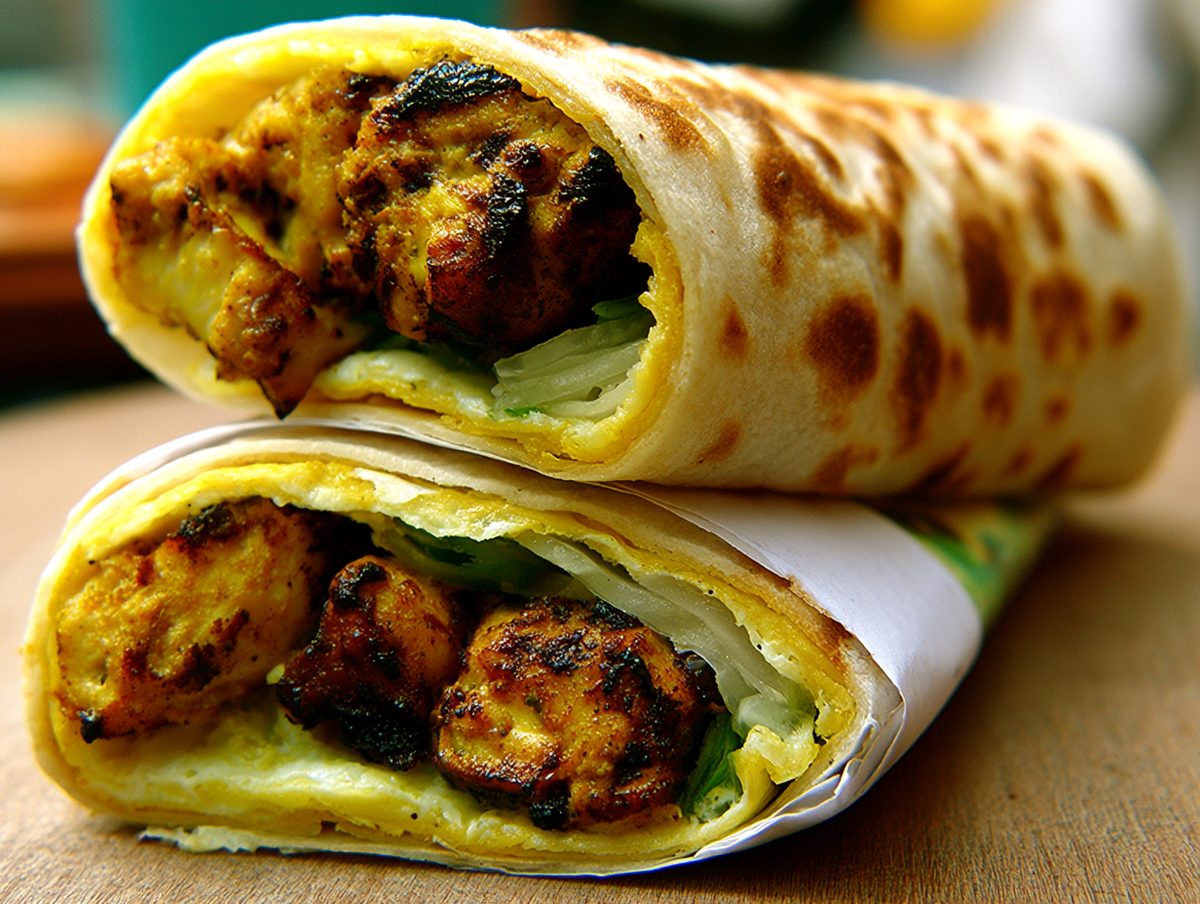
Kathi Roll
Spiced meat or egg wrapped in a flaky paratha — the Kolkata street food invented at Nizam’s restaurant in 1932 and copied everywhere since, never quite as well.
-
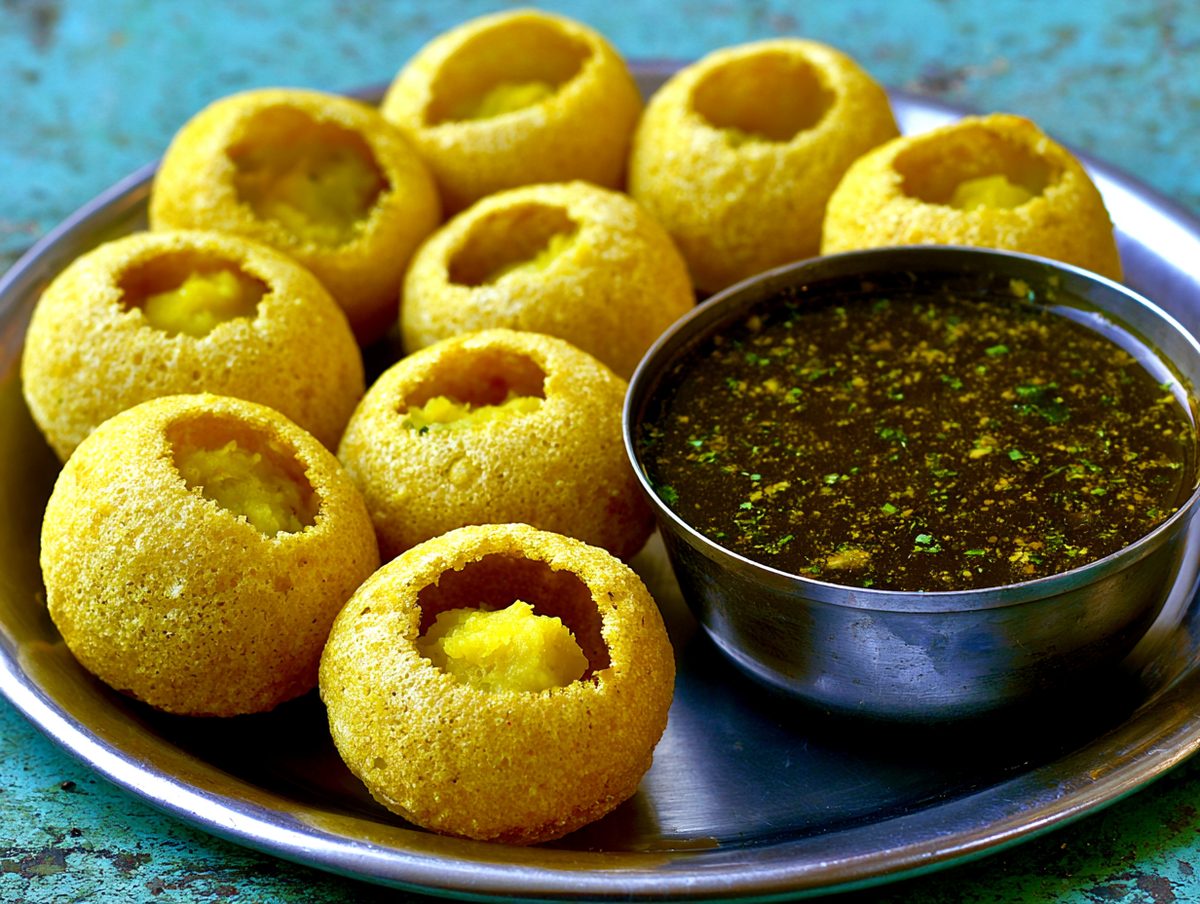
Puchka
Kolkata’s street food obsession — crisp hollow shells filled with spiced mashed potato and tamarind water, eaten standing at a roadside stall in five seconds flat.
Sweets & Desserts
-
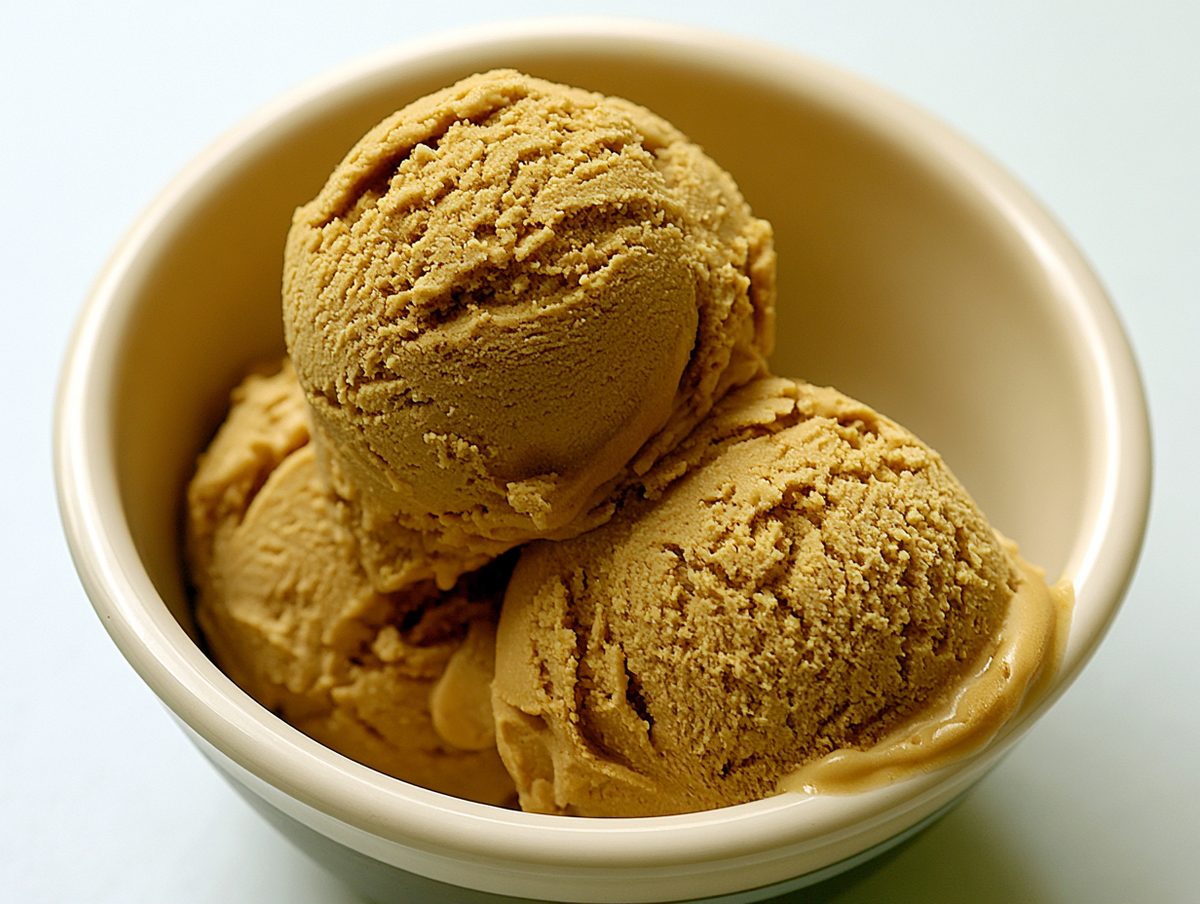
Nolen Gurer Ice Cream
Date palm jaggery ice cream — the winter street food of Kolkata that shouldn’t work and absolutely does, sold from hand-pushed carts outside Durga Puja pandals and sweet shops from November onwards.
-
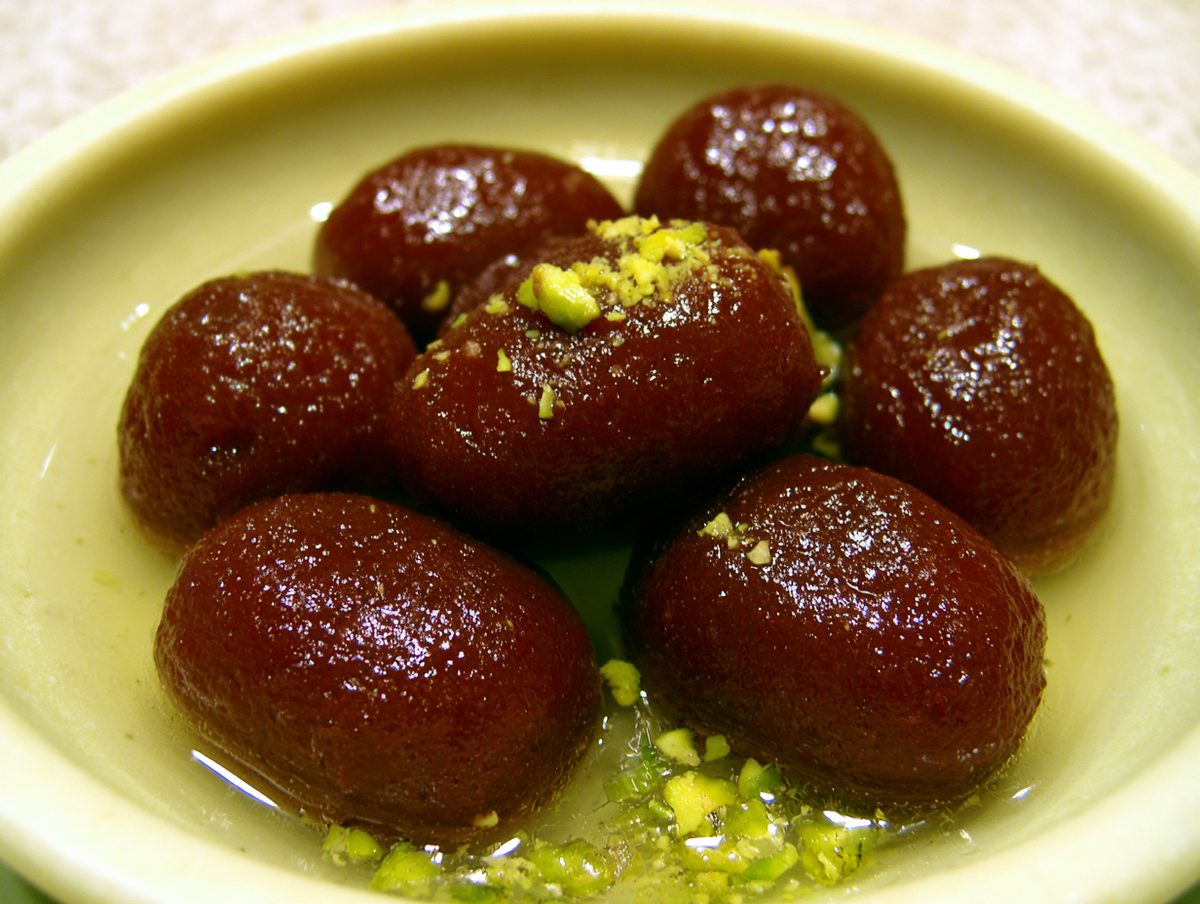
Kalo Jam
Deep-fried chhena balls soaked in dark sugar syrup until almost black — the Bengali sweet shop staple that is gulab jamun taken somewhere considerably more serious.
-
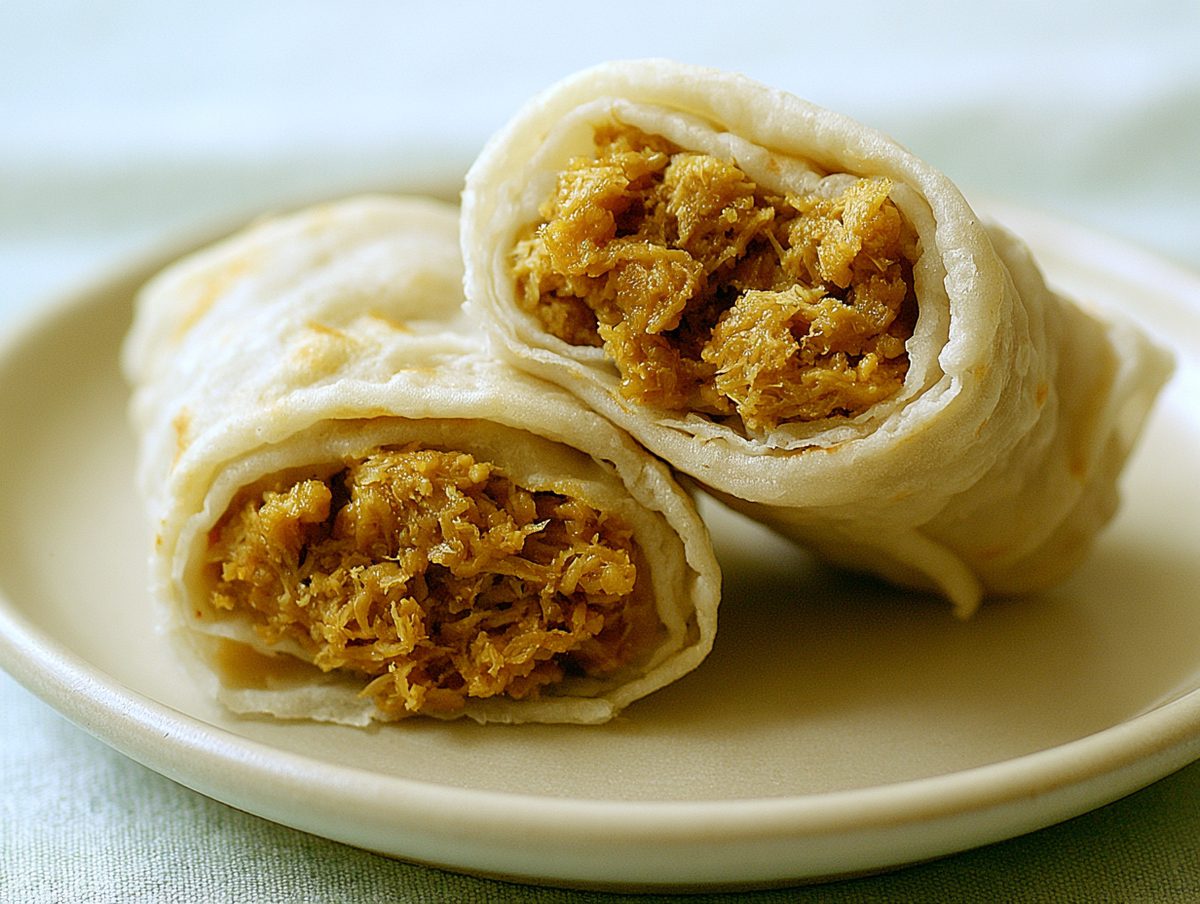
Patishapta
Thin rice flour crepes filled with coconut and nolen gur — the sweet Bengal makes on the morning of Makar Sankranti, when the date palm jaggery is at its freshest and the winter is almost over.
-
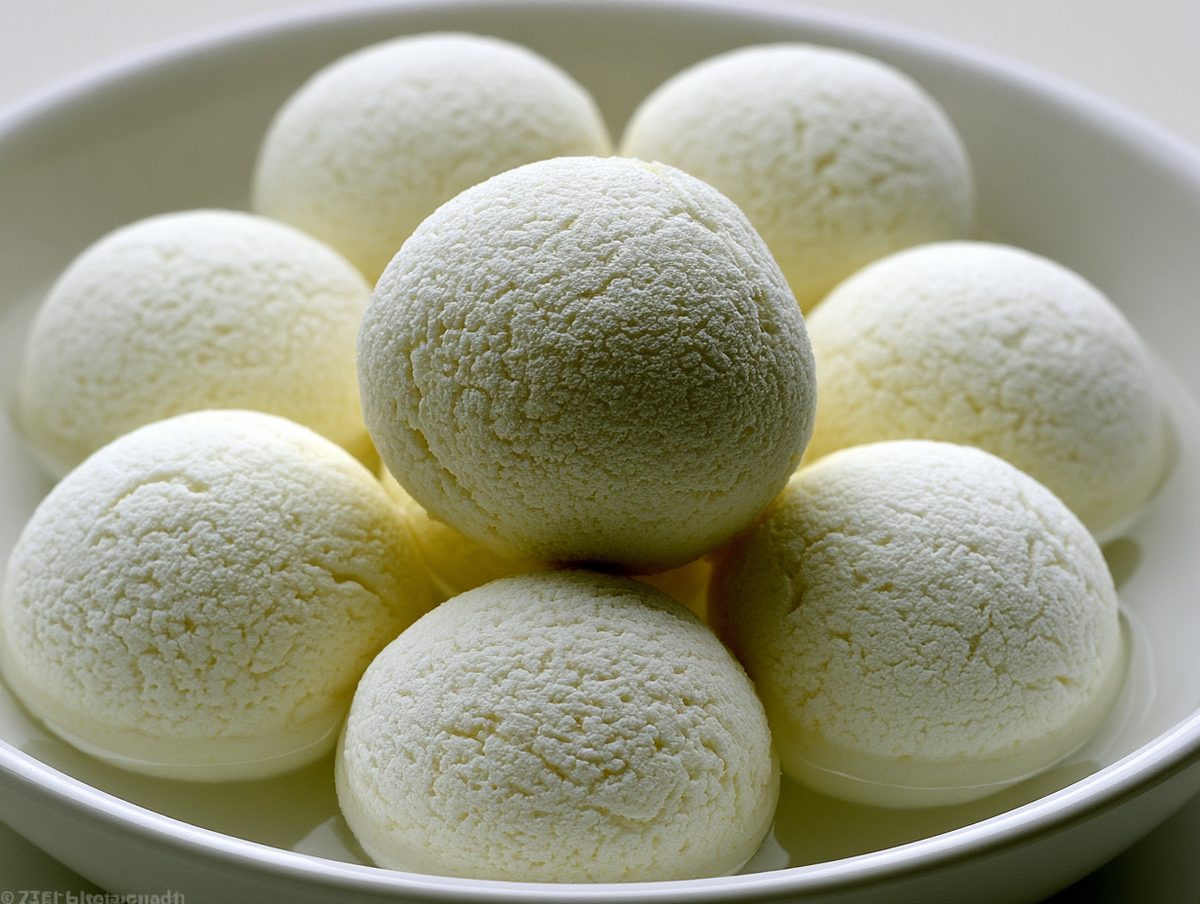
Rasgulla
Soft chhena balls poached in light sugar syrup — the sweet that Kolkata and Odisha have argued over for a century, and which Bengal finally had trademarked in 2017.
-
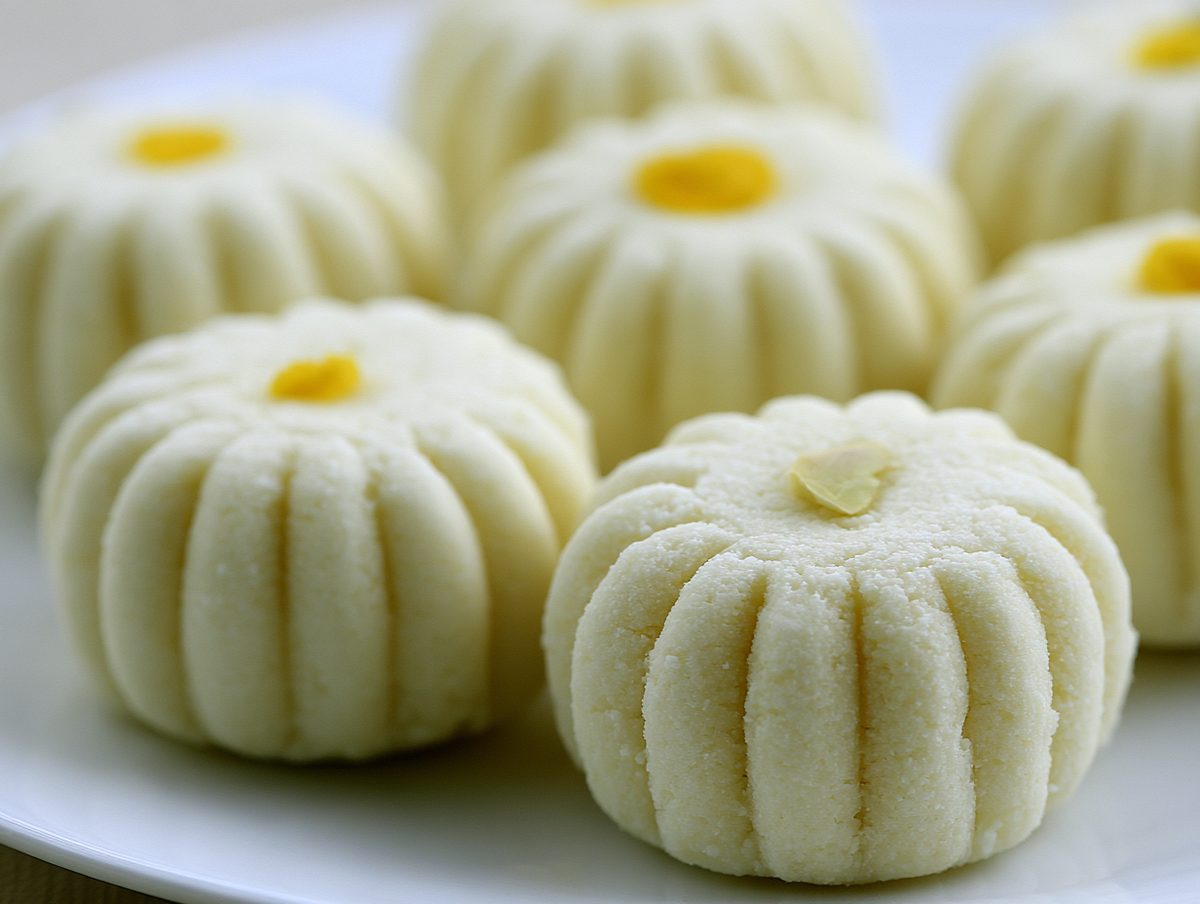
Sandesh
Fresh chhena kneaded with sugar and shaped by hand — the purest expression of Bengali sweet-making, and the one that separates the mishtir dokan that knows what it is doing from the one that doesn’t.
-
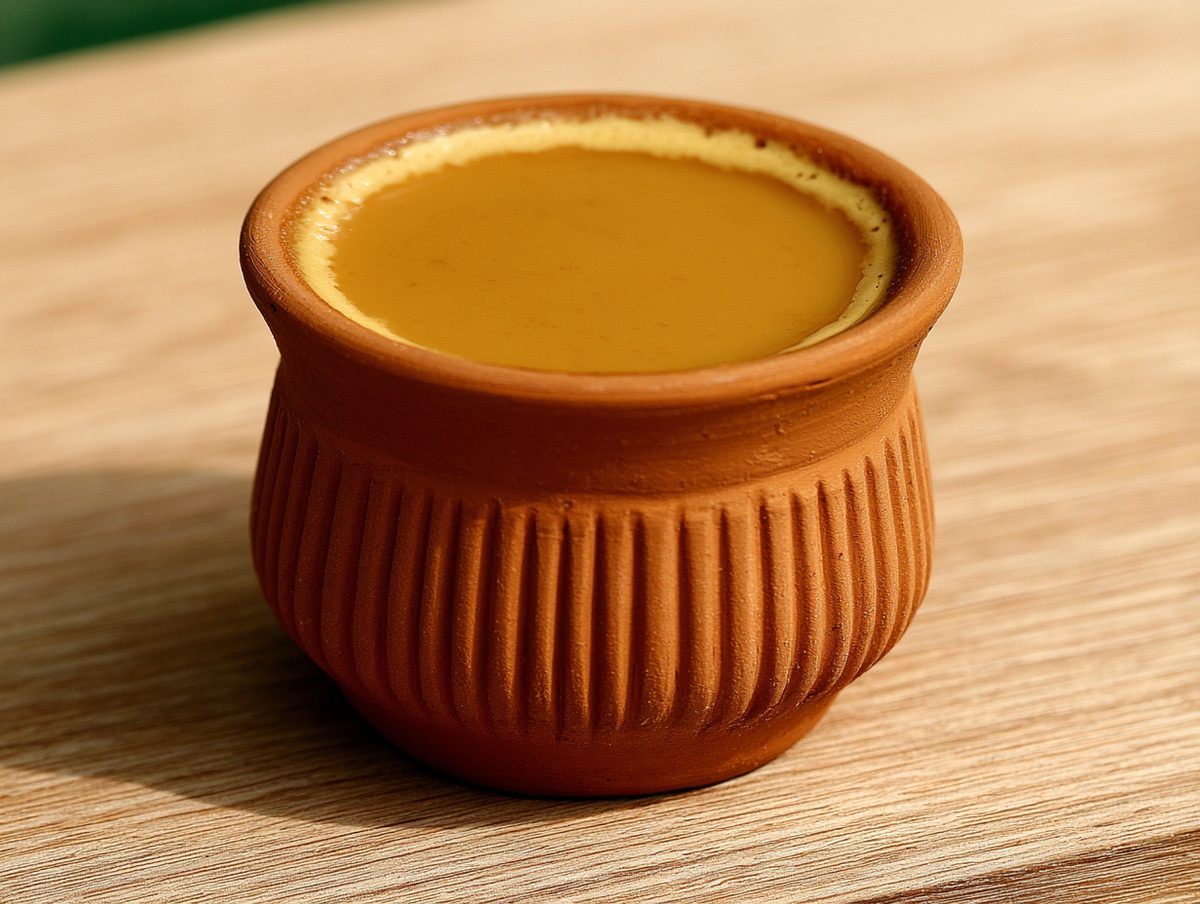
Mishti Doi
Bengali sweetened yogurt set in earthen pots with date palm jaggery — the dessert that ends every significant meal in the delta, and the one thing every Bengali in Britain is quietly homesick for.
Drinks
-
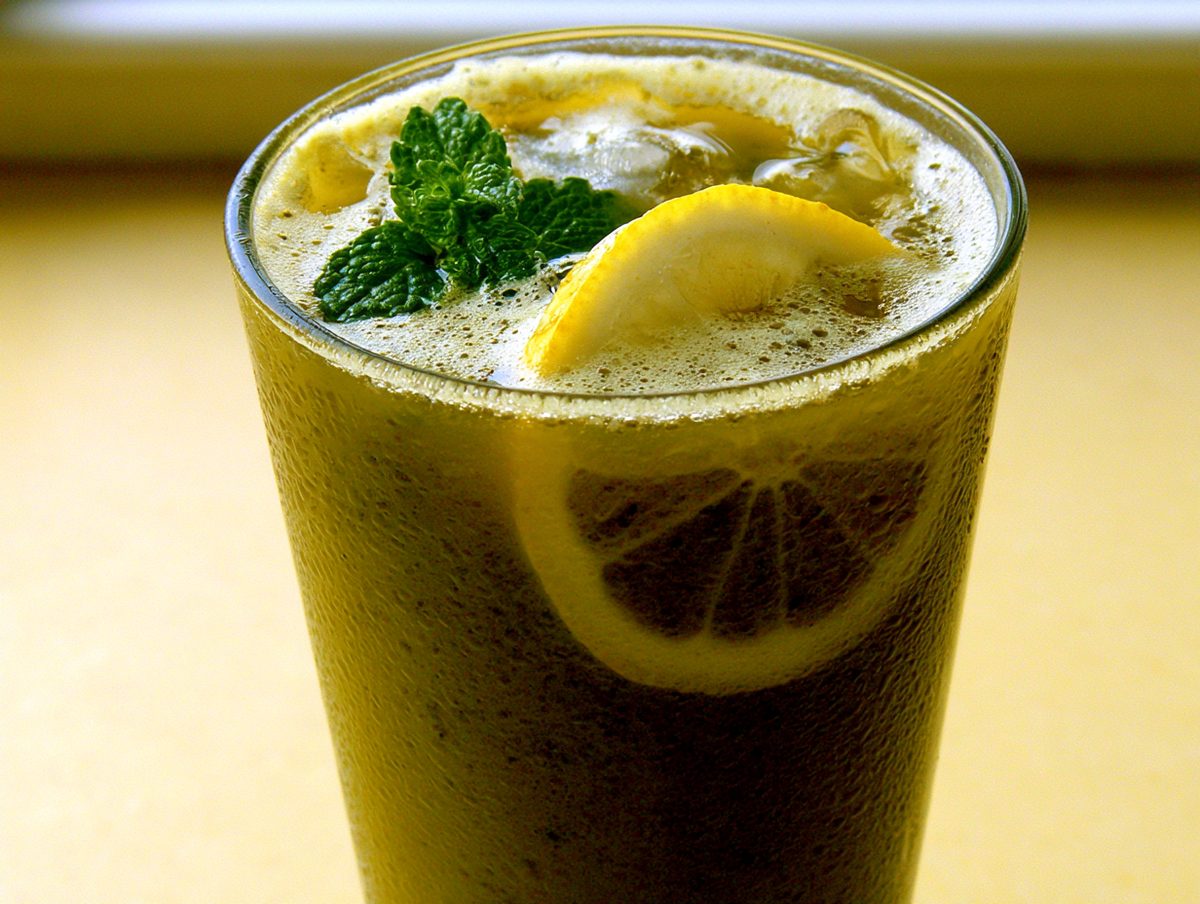
Jol Jeera
Cumin water with black salt, tamarind, and mint — the street drink of the Kolkata afternoon, sold from clay pitchers by vendors who carry them in baskets and keep half the city going from March to June.
-
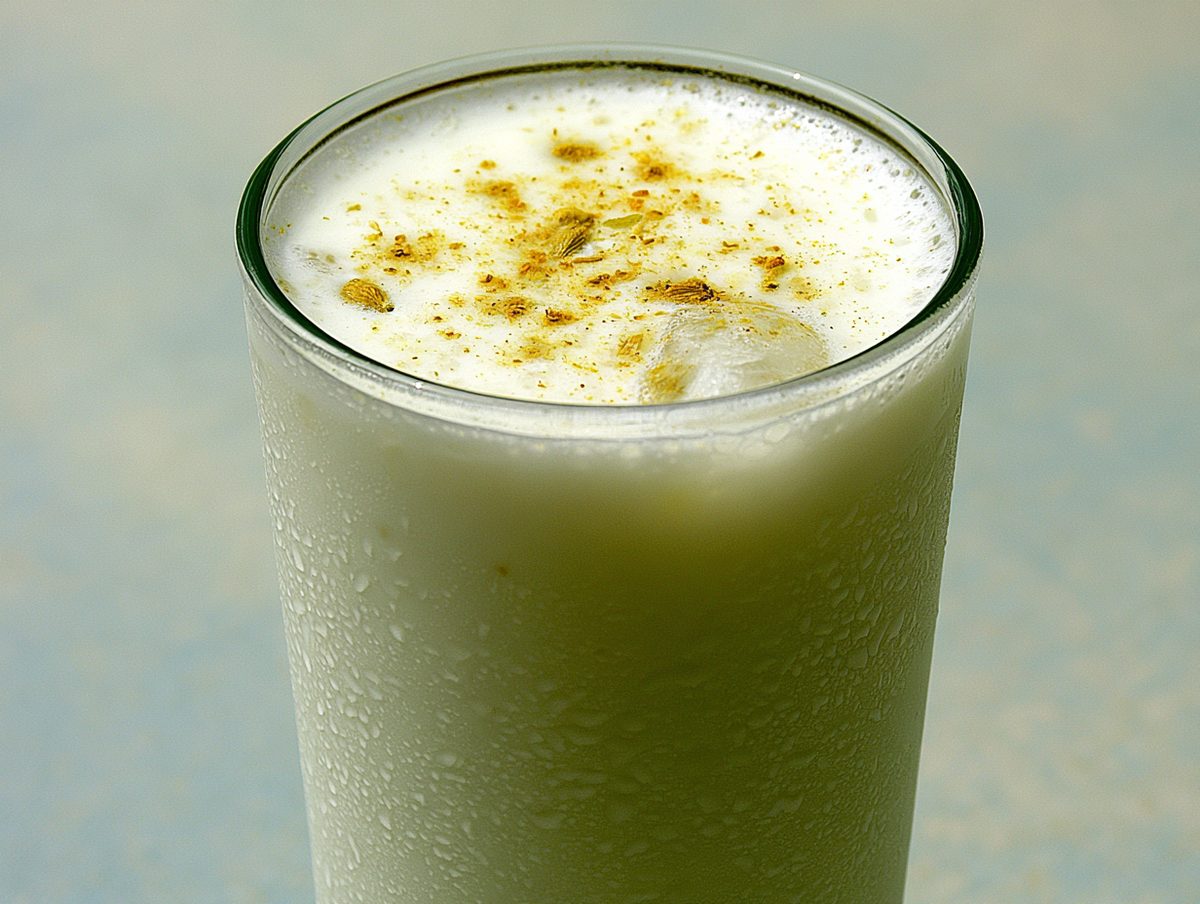
Taaler Sharbat
Palm fruit juice with sugar and cardamom — the cooling drink of the Bengali monsoon season, made from the soft translucent flesh of the tal fruit that appears in markets for six weeks and nowhere else on earth tastes quite like this.
-
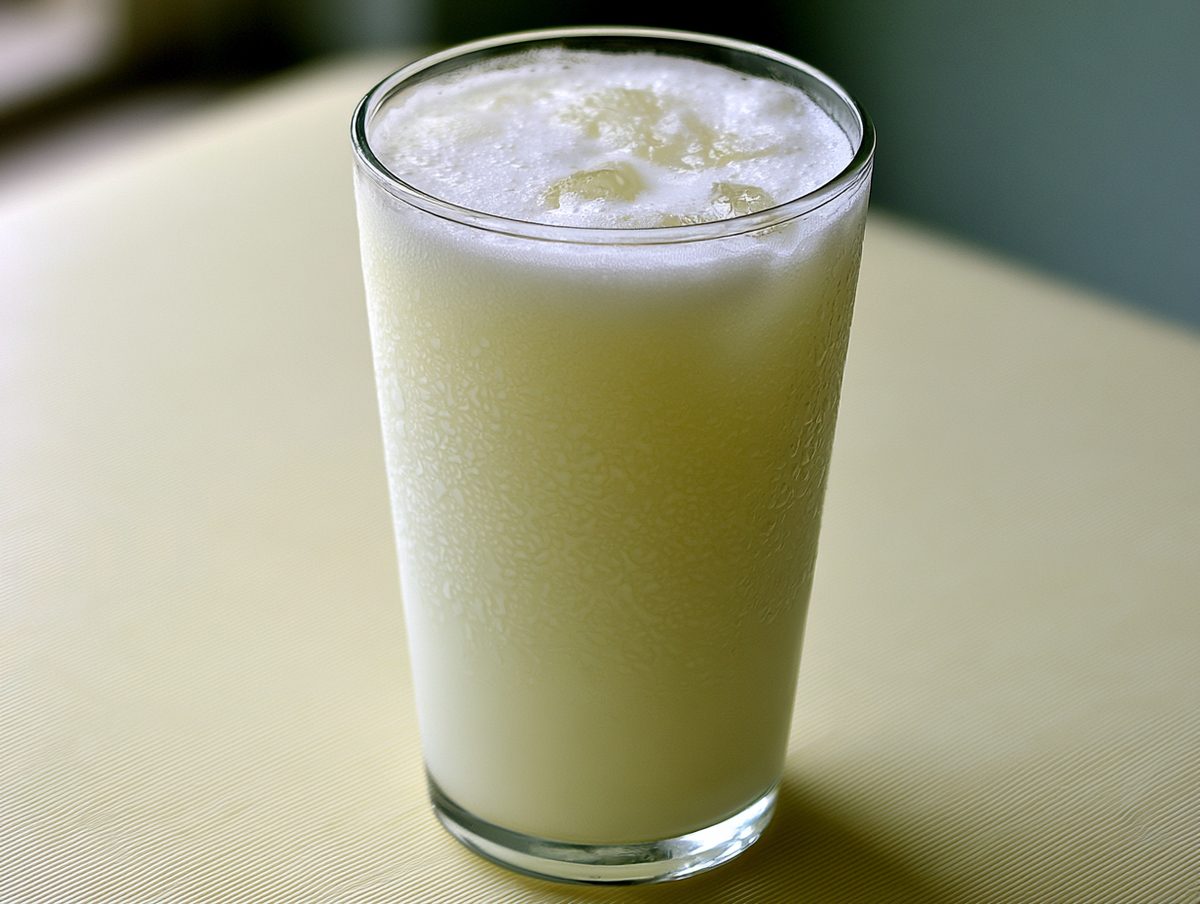
Doi-er Sharbat
Chilled yogurt drink with rosewater and sugar — the Bengali answer to a lassi, lighter and more fragrant, served at weddings and summer gatherings across the delta.
-
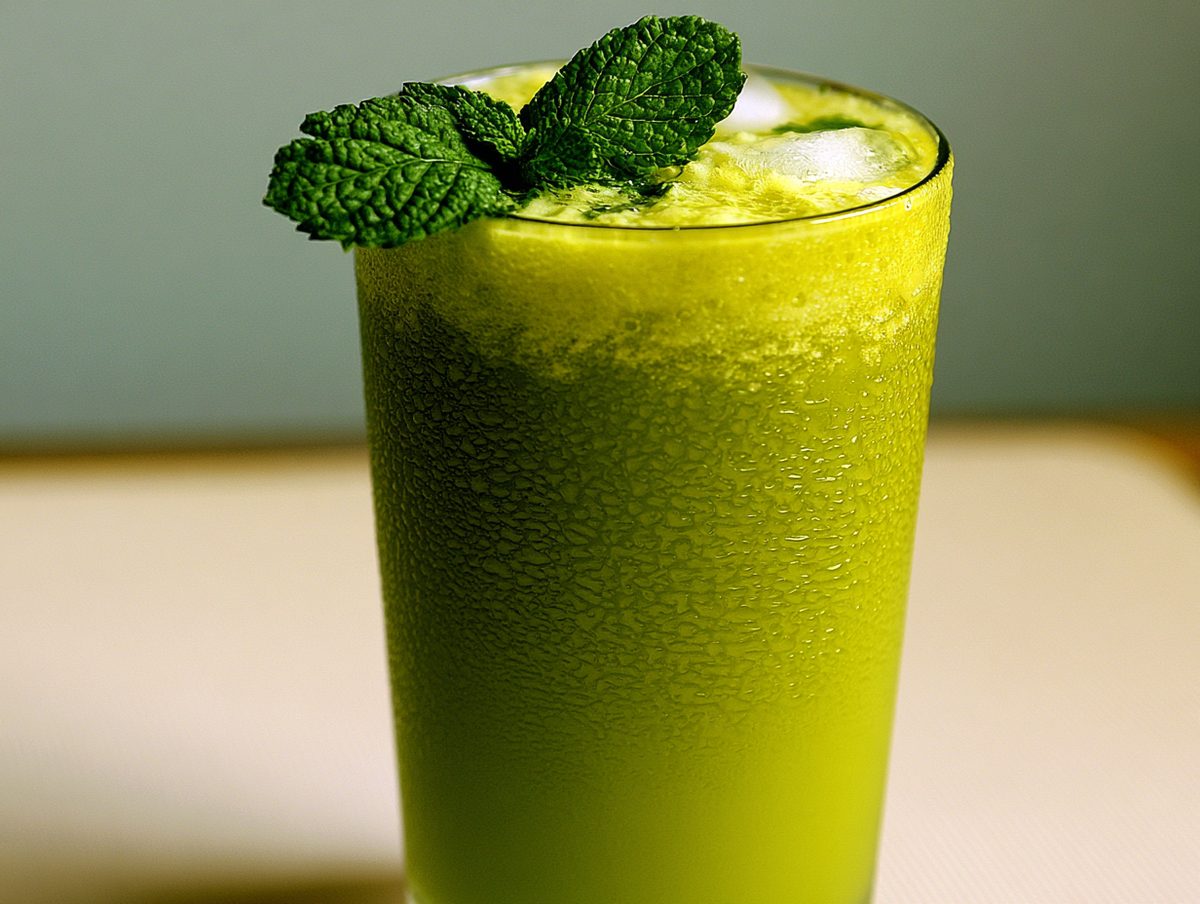
Aam Panna
Roasted green mango drink with black salt and roasted cumin — the drink Bengal makes at the start of summer when the mangoes are still hard and the heat is already serious.
Every dish in this atlas was found somewhere — a blog, a cookbook, a family. If there is a version that lives in your kitchen and nowhere else, it belongs here. Or if you think we are missing a dish that belongs, drop us a note using the link below.
Contribute →