The tandoor is never cold.
Delhi, Lucknow and Lahore sit on a line the Mughal empire drew, and their kitchens still cook to it. Gravies are thickened with ground almonds, cashews and melon seeds. Meat is cooked slowly and sealed under its own steam. Rose, kewra and mace run through the whole repertoire, measured in drops rather than spoons. What holds the corridor together is an inheritance rather than a region: the technique of the imperial and nawabi tables, kept going by the families who cooked at them and the cooks they trained.
Why it cooks as one zone
“North Indian” and “Mughlai” both cover this ground, and both are too wide. They take in kitchens that share almost nothing with this one, and they stop at the 1947 border, which the food does not. Delhi’s end of the corridor is the most robust and the most meat-forward, and it is where cream turns up, usually stirred through at the last minute rather than cooked in. In Lucknow the same repertoire is cooked with far more restraint, dishes finished so gently they come out barely marked by the fire. Lahore carries it west on charcoal and ghee.
The method common to all three is dum. The pot is sealed with a rope of dough worked around the rim of the lid, and the food finishes in its own steam off any direct fire. Most home cooks now use foil under the lid instead, and it works perfectly well. What matters is that the seal stays shut until the dish reaches the table, because the first thing anyone gets is the smell.
The pantry
The ingredients that make a dish belong to the corridor:
- Ghee. Both the cooking fat and the finish. A korma made with oil is a different dish, and not a smaller one so much as a flatter one.
- Green cardamom, whole in the pot and ground into the meat, doing more work here than any other spice.
- Mace and nutmeg for the warm top note. Both turn bitter if you overdo them, so weigh them rather than eyeball.
- Rose water and kewra, measured in drops. Too much and the dish tastes of soap, so add it at the end and taste as you go.
- Nut and dry-fruit pastes. Almonds, cashews and melon seeds, ground and used to thicken. The richness of this cooking comes from here, not from chilli or tomato.
- Aged long-grain basmati, for length and separation.
- Fried onions (birista), browned slowly, working as both thickener and sweetness under the gravy. Pull them out a shade lighter than you want them; they keep darkening as they drain.
Where to find it
Almost none of this needs a specialist shop.
In the UK, the staples are stocked wherever there is a South Asian grocer: Southall in west London, Green Street in Newham, the Curry Mile in Rusholme. Look to East End and TRS for whole cardamom, mace and kewra water, KTC or Pride for ghee, and Tilda or Daawat for aged basmati.
In the US, Patel Brothers and H-Mart carry almost all of it: Deep or Amul ghee, Royal or Tilda basmati, Dabur kewra. Rose water is easiest under the Cortas or Sadaf label, and it sits in Middle Eastern grocers as readily as South Asian ones.
Saffron and edible silver leaf (vark) for the sweets are usually easier to order online than to hunt down in a shop. Buy saffron in small quantities from a named producer. It is the most adulterated spice in this pantry, and a cheap tub of it will do nothing to a dish except colour it.
The recipes
The everyday weeknight cooking, the dishes that only come out for a wedding or Eid, the street food, the sweets, and the drinks.
Everyday & Weeknight
-
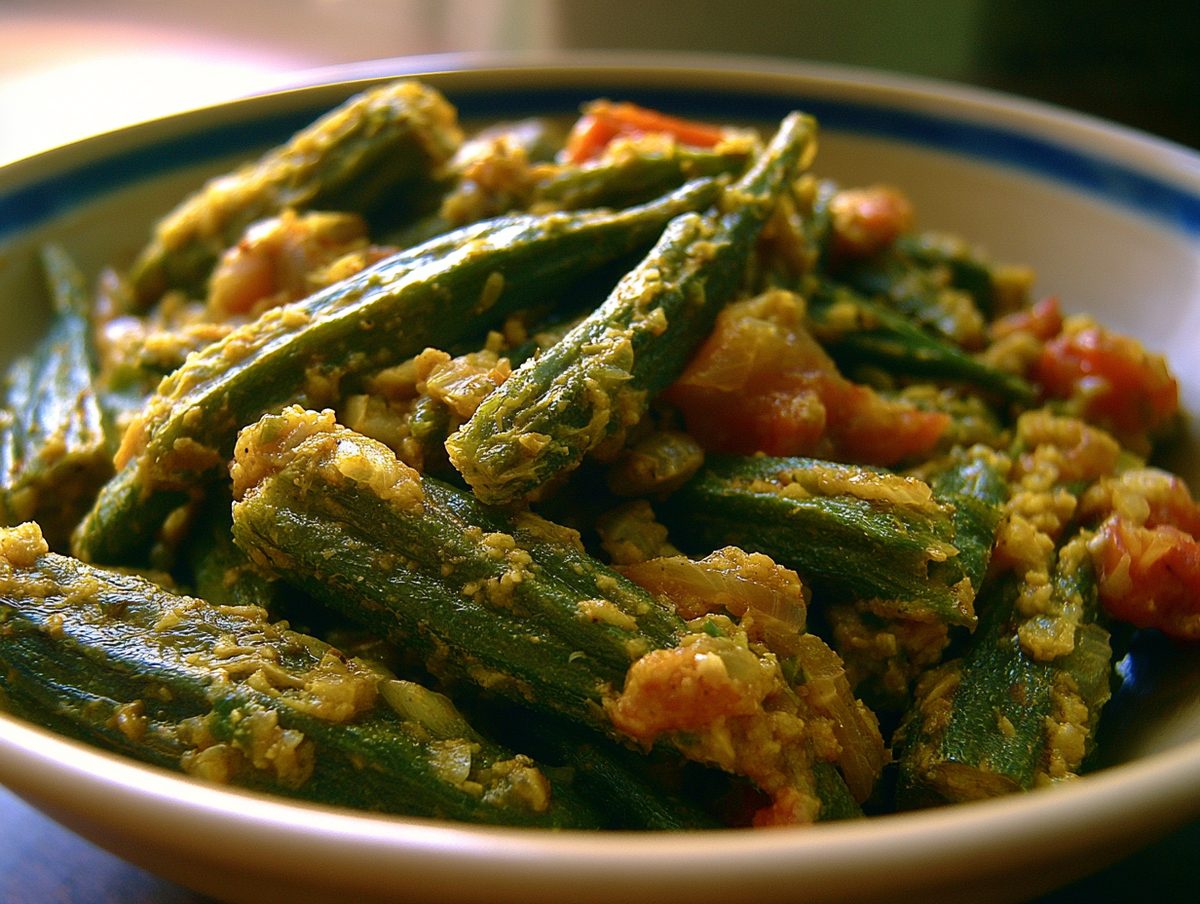
Bhindi Masala
Bhindi masala: okra fried crisp and slime-free, then tossed in a semi-dry onion-tomato masala sharpened with amchur — the everyday North Indian sabzi.
-
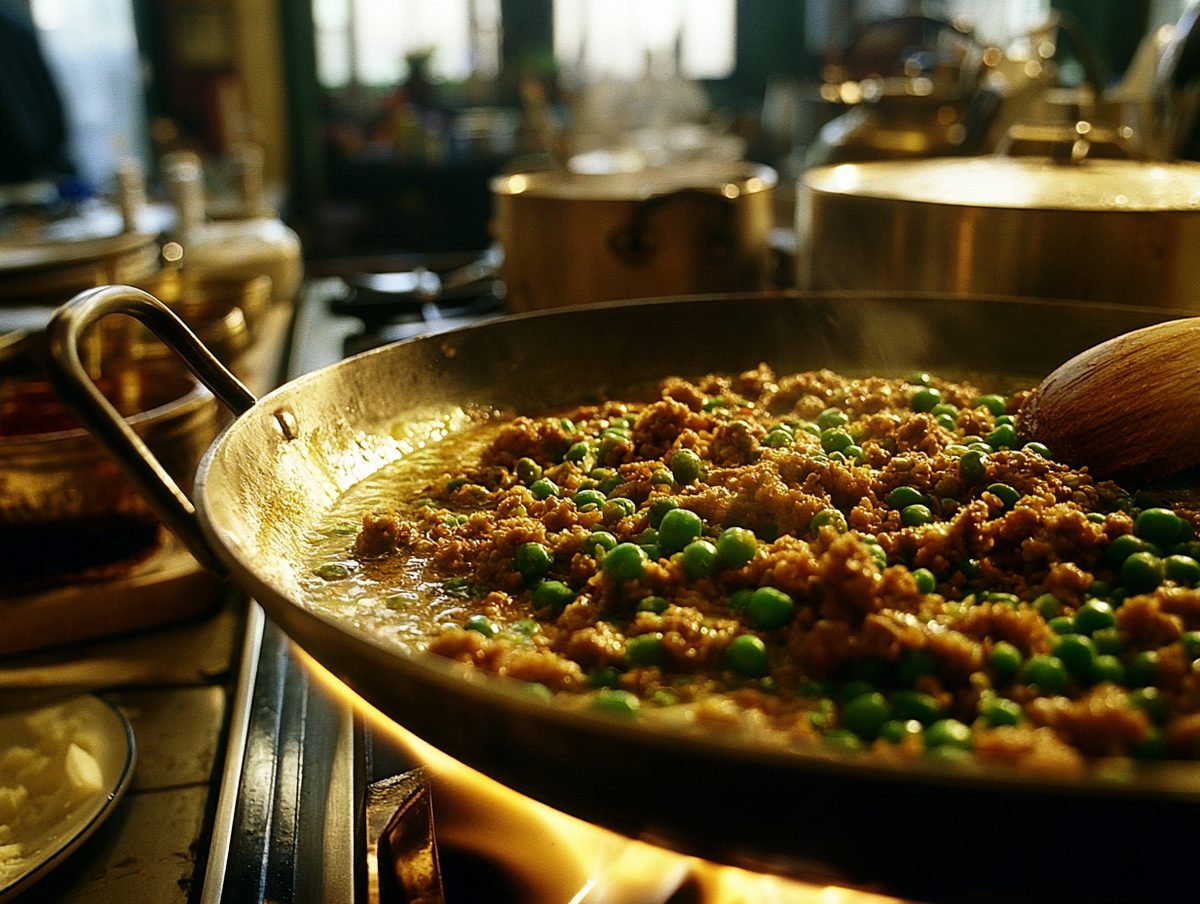
Keema Matar
Keema matar: lamb mince and green peas roasted down in an onion-tomato masala — the everyday Punjabi keema with Mughal roots, made at home.
-
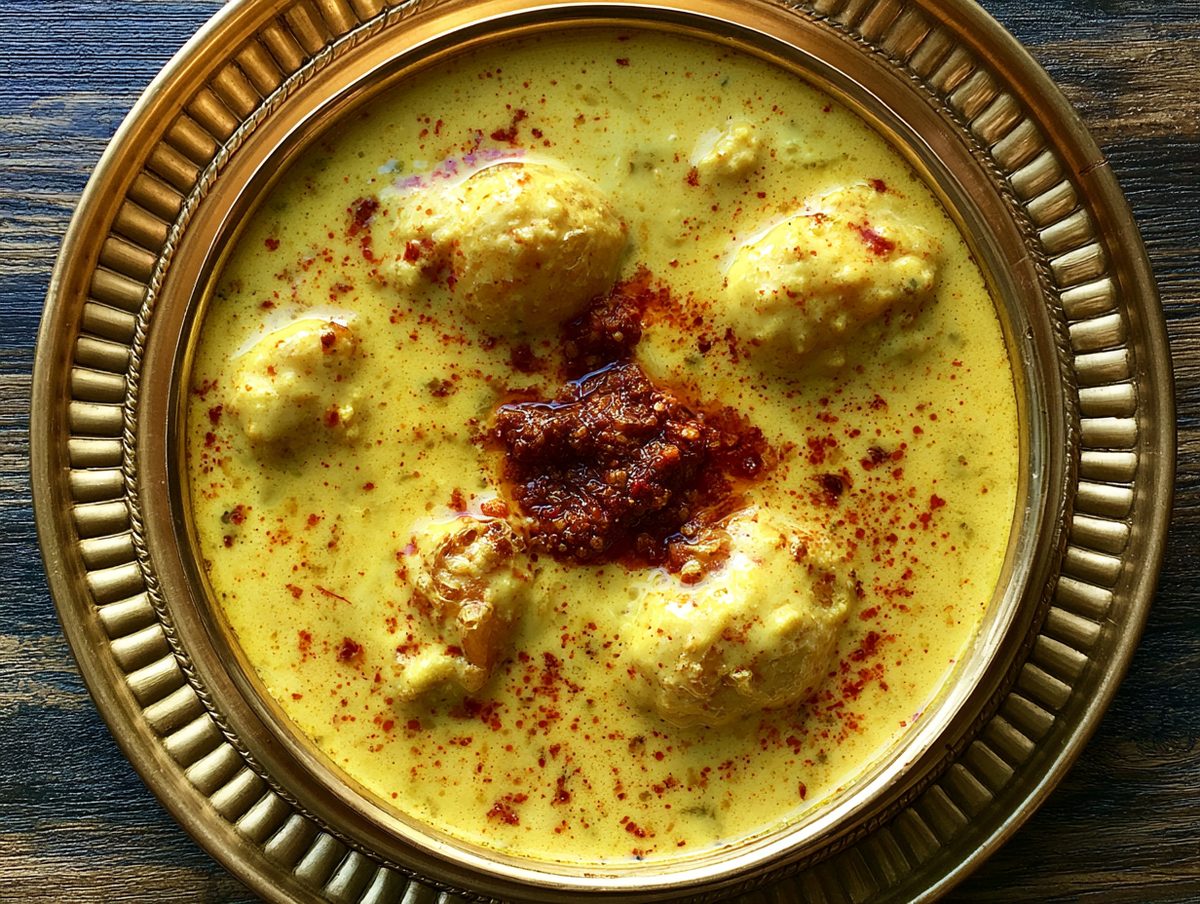
Punjabi Kadhi Pakora
Punjabi kadhi pakora: onion fritters in a tangy yogurt-besan curry slow-cooked in mustard oil — the thick northern kadhi, served as kadhi-chawal.
-
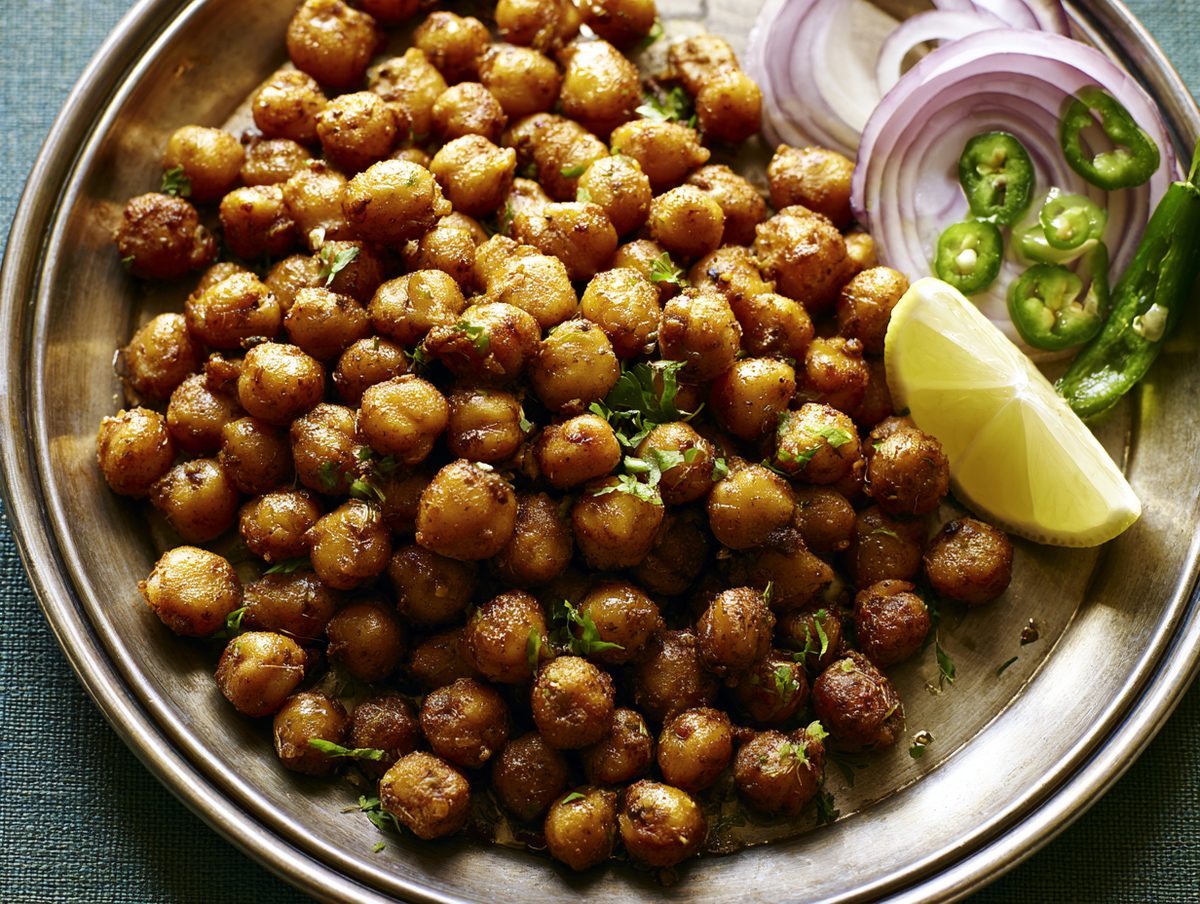
Pindi Chana
Pindi chana: chickpeas boiled dark with tea and tossed in a dry roasted-spice masala with anardana — the no-onion, no-tomato Rawalpindi original.
-
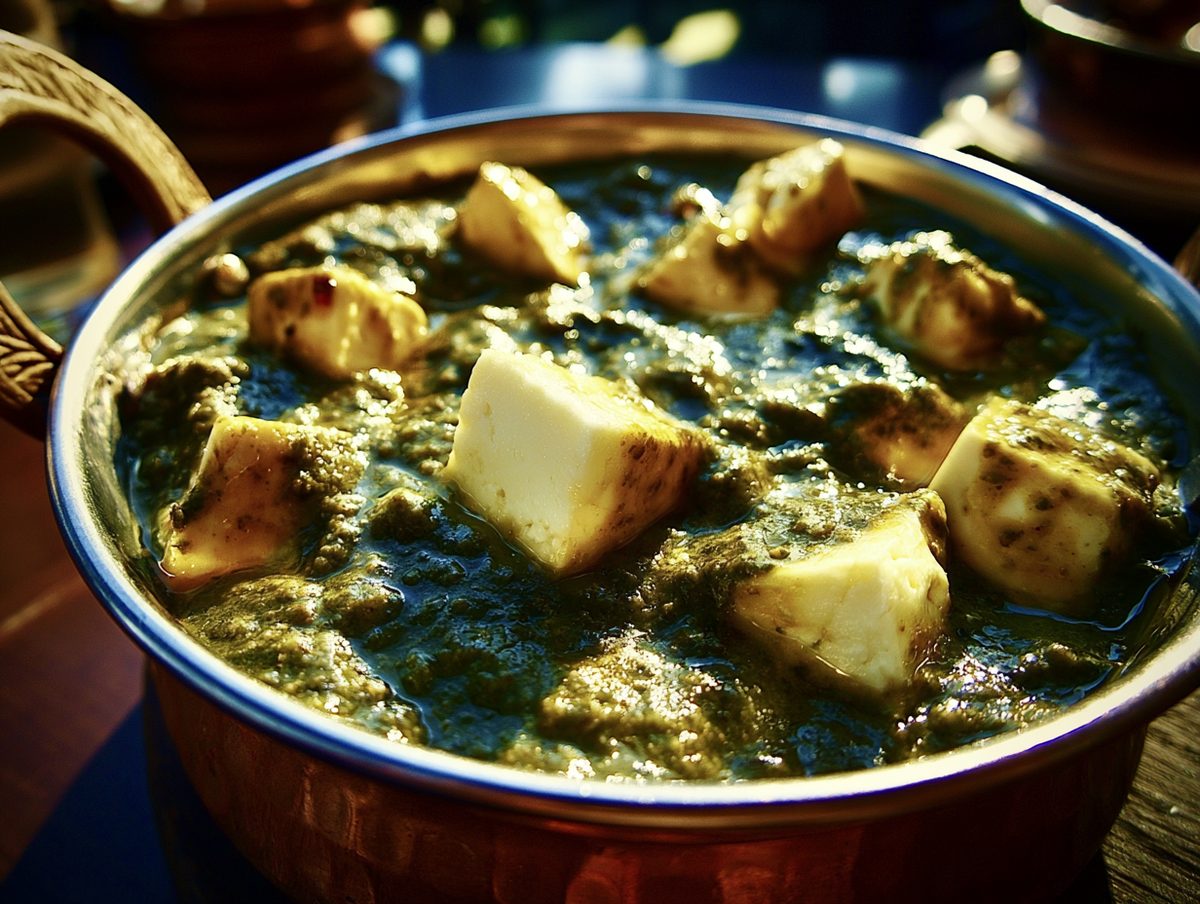
Palak Paneer
Palak paneer: paneer in a smooth, bright-green spinach gravy with cream and kasuri methi — the Punjabi dhaba recipe, not diaspora saag paneer.
-
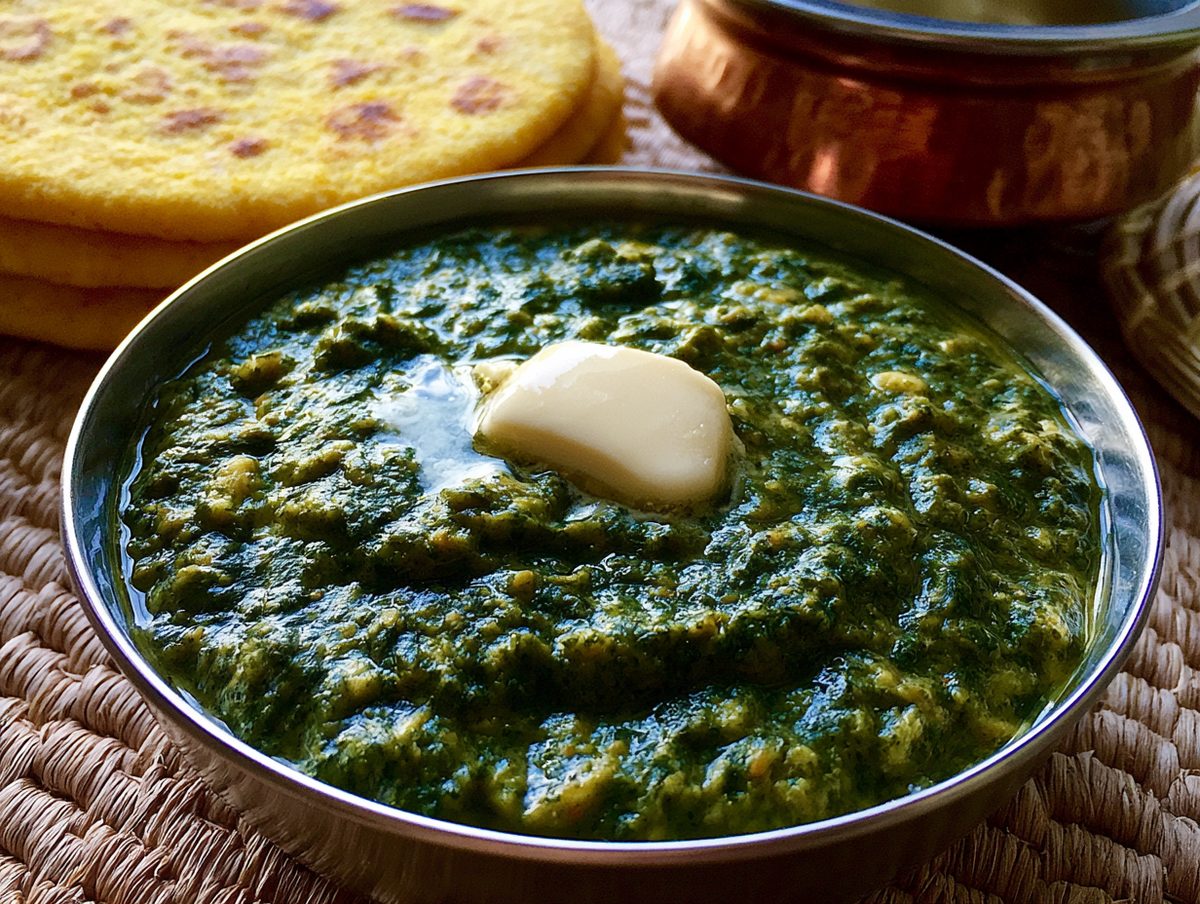
Sarson ka Saag
Sarson ka saag: mustard greens slow-simmered with spinach, hand-mashed and finished with a ghee tadka — Punjab’s Lohri classic, with makki di roti.
-
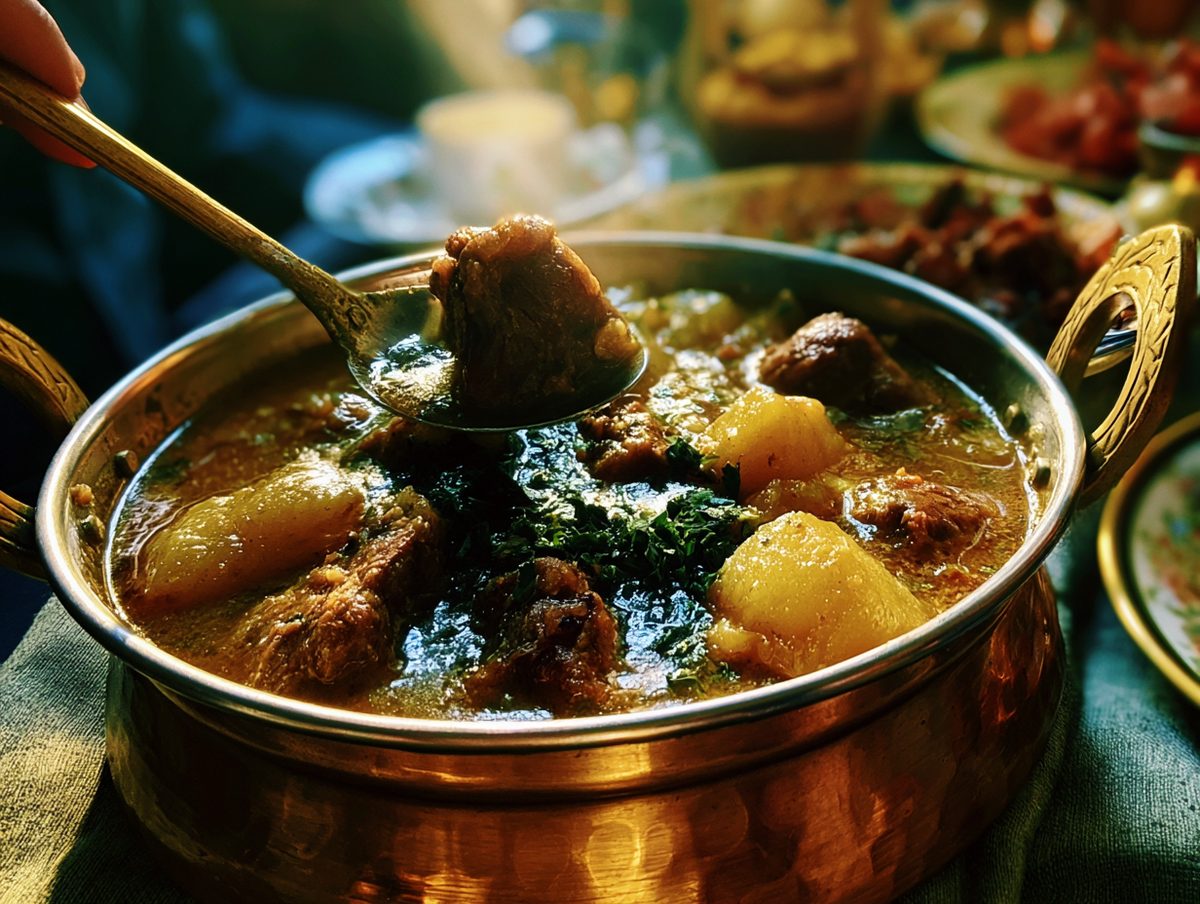
Aloo Gosht
Aloo gosht: bone-in mutton and potatoes in a thin tomato-onion shorba — the everyday Punjabi salan, slow-cooked at home with UK and US swaps.
-
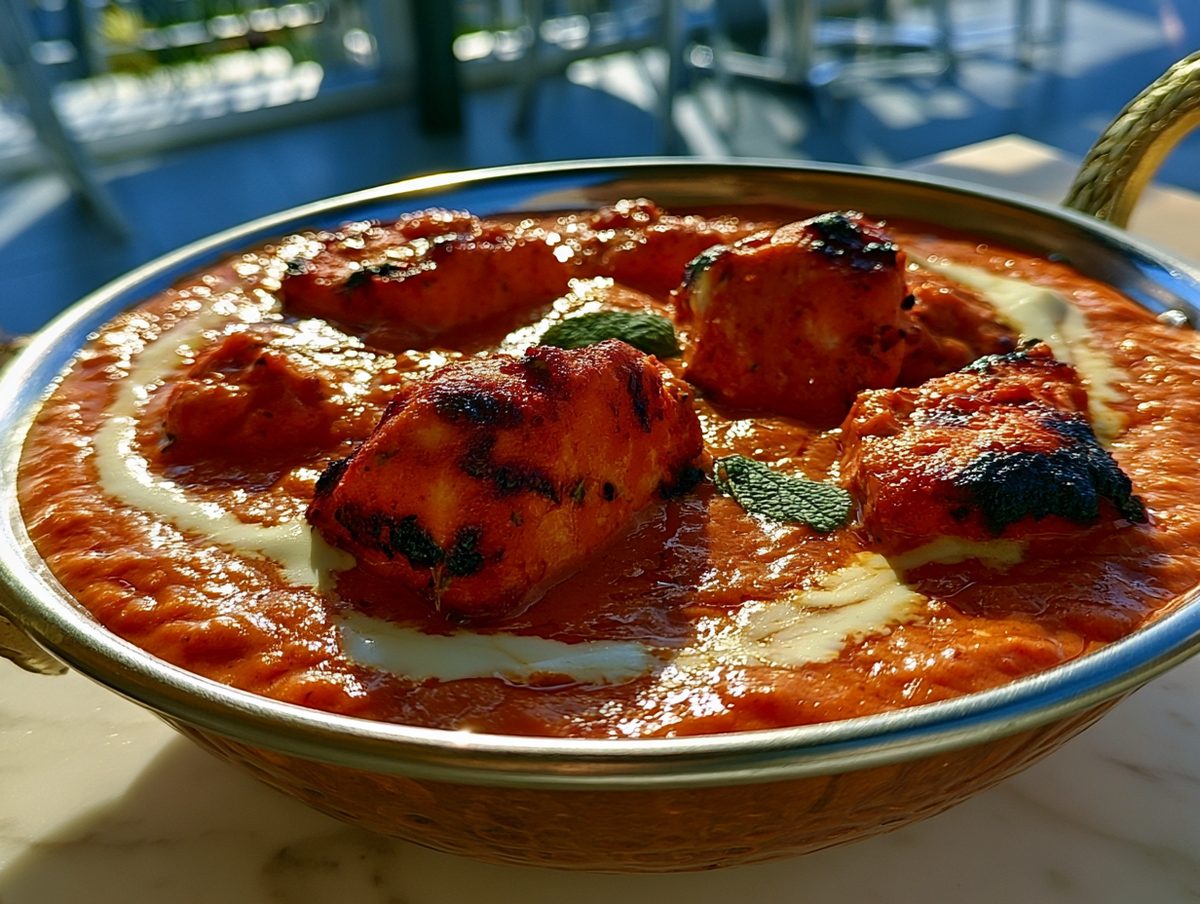
Butter Chicken (Murgh Makhani)
Butter chicken (murgh makhani): grilled tandoori chicken in a tomato, butter and cream gravy — Kundan Lal Gujral’s Daryaganj original, made at home.
-
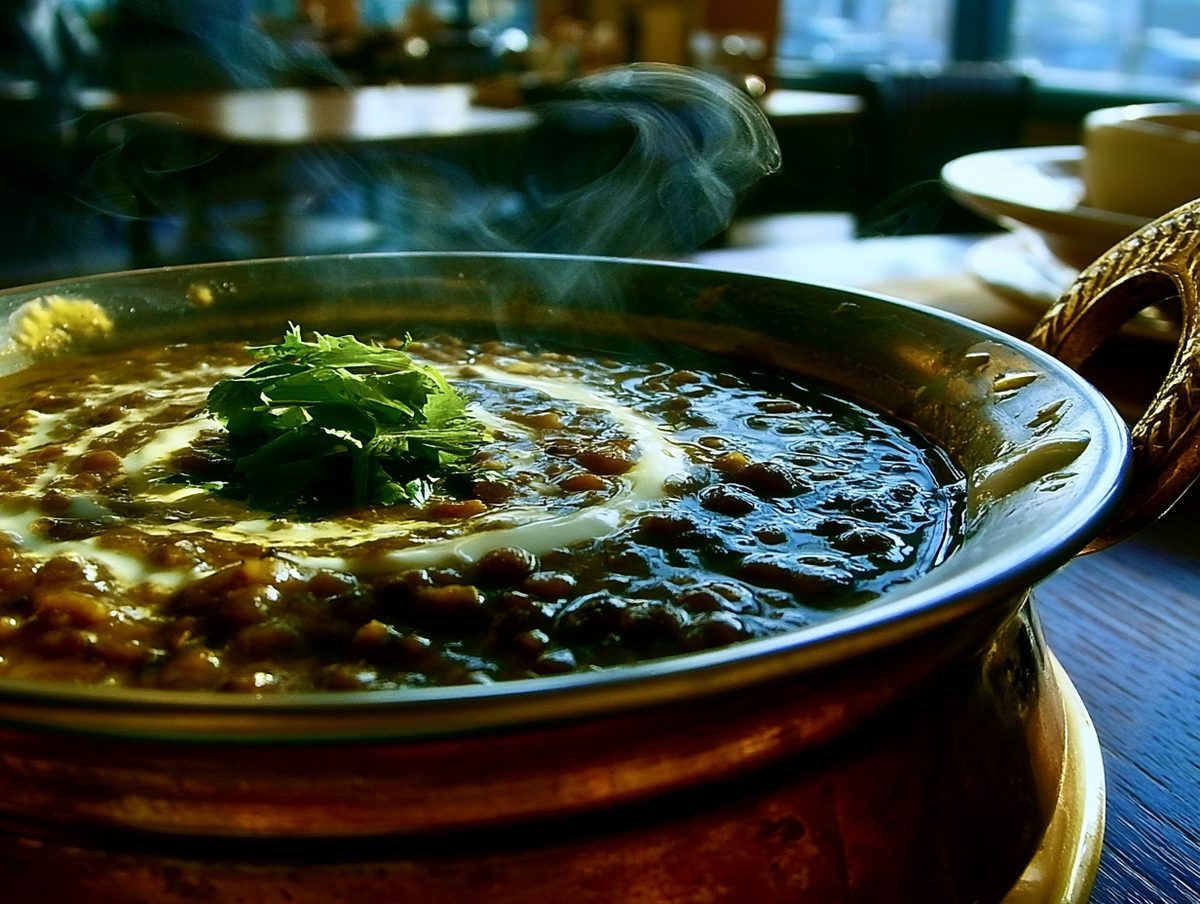
Dal Makhani
Dal makhani, Punjab’s maa ki dal: whole black urad and rajma slow-cooked until creamy, smoked over coal, finished with butter and cream.
Celebration & Occasion
-
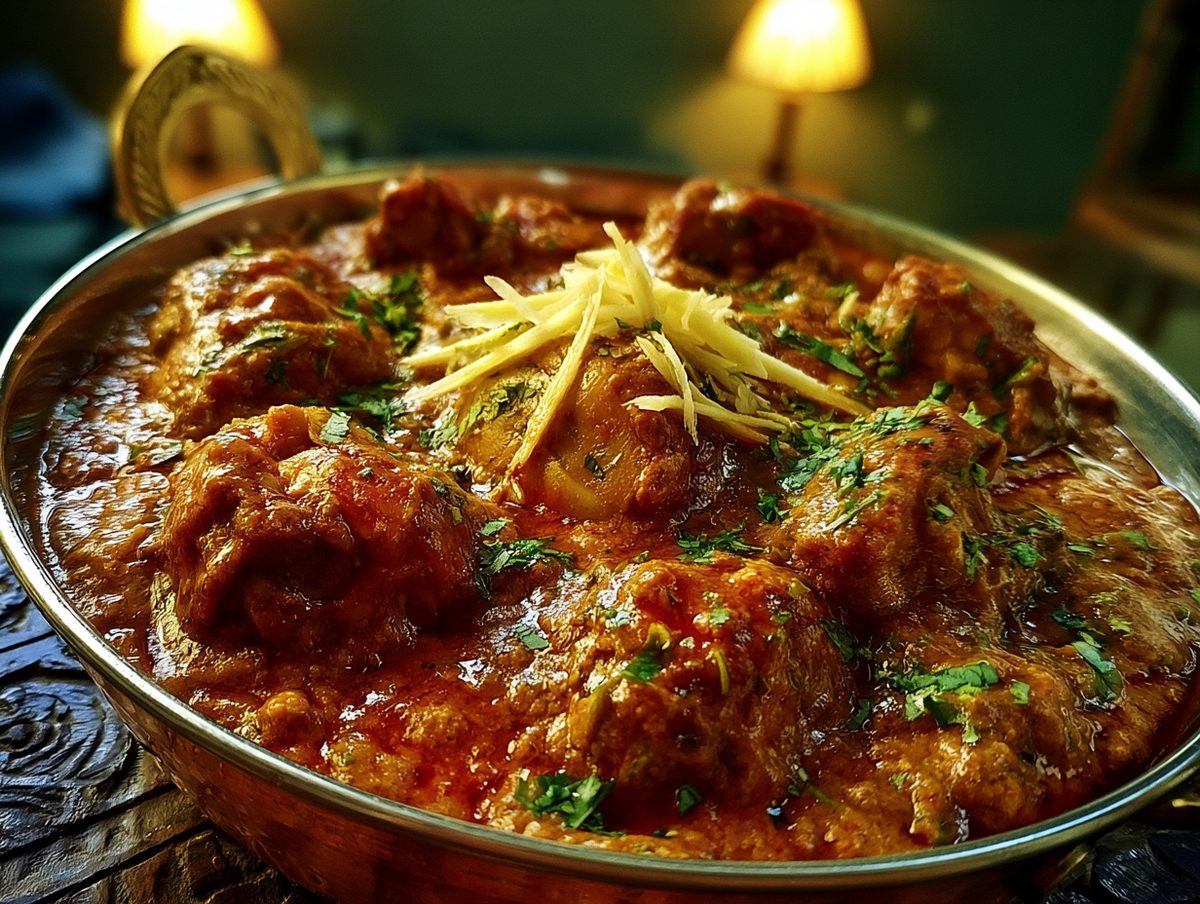
Chicken Changezi
Chicken changezi: Old Delhi’s deep red, butter-rich chicken curry built on a browned onion, cashew and Kashmiri-chilli gravy, finished with cream.
-
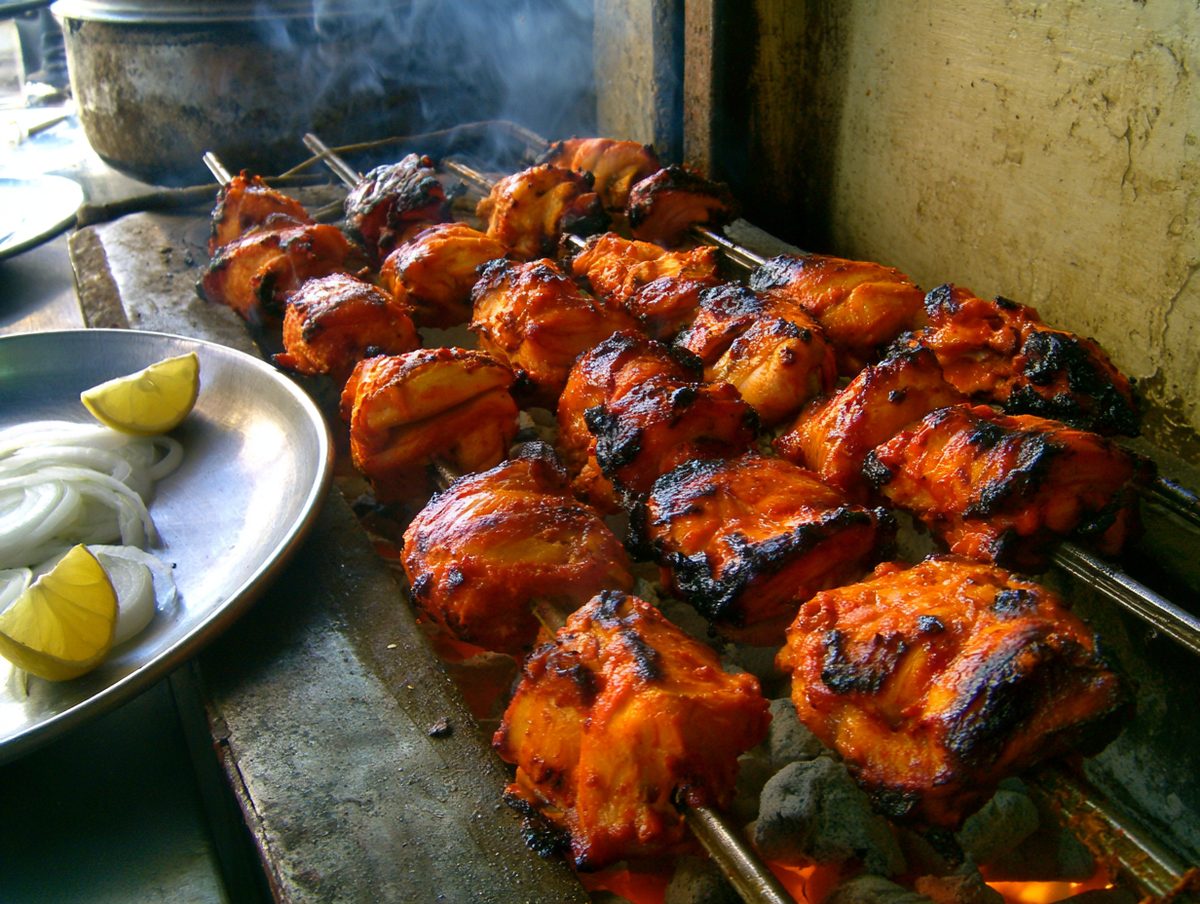
Tandoori Chicken
Tandoori chicken at home with no tandoor: bone-in chicken slashed to the bone, marinated in spiced yoghurt and roasted in a fierce oven until charred.
-
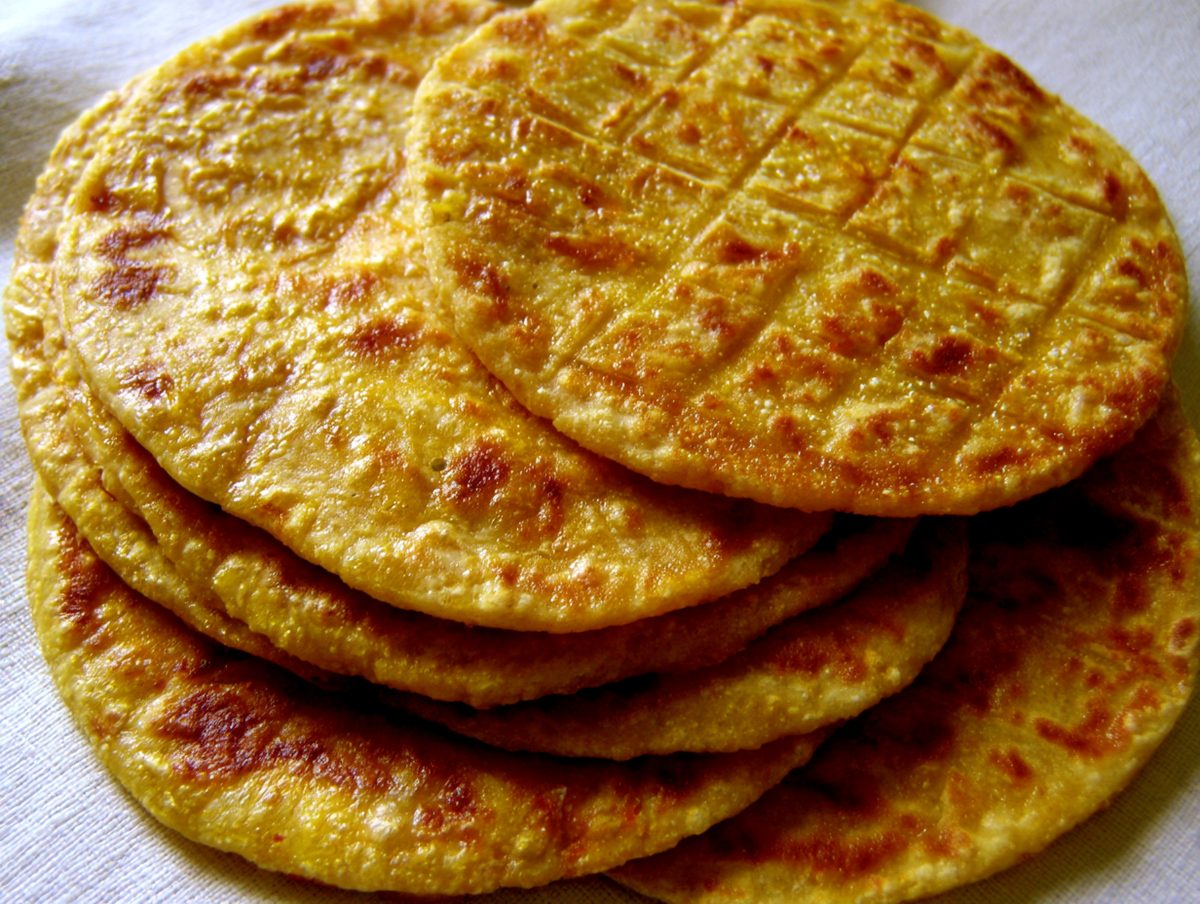
Sheermal
Sheermal: the Lucknawi saffron milk bread of Awadh — a soft, mildly sweet enriched flatbread brushed with saffron milk and ghee, served with nihari and kebabs.
-
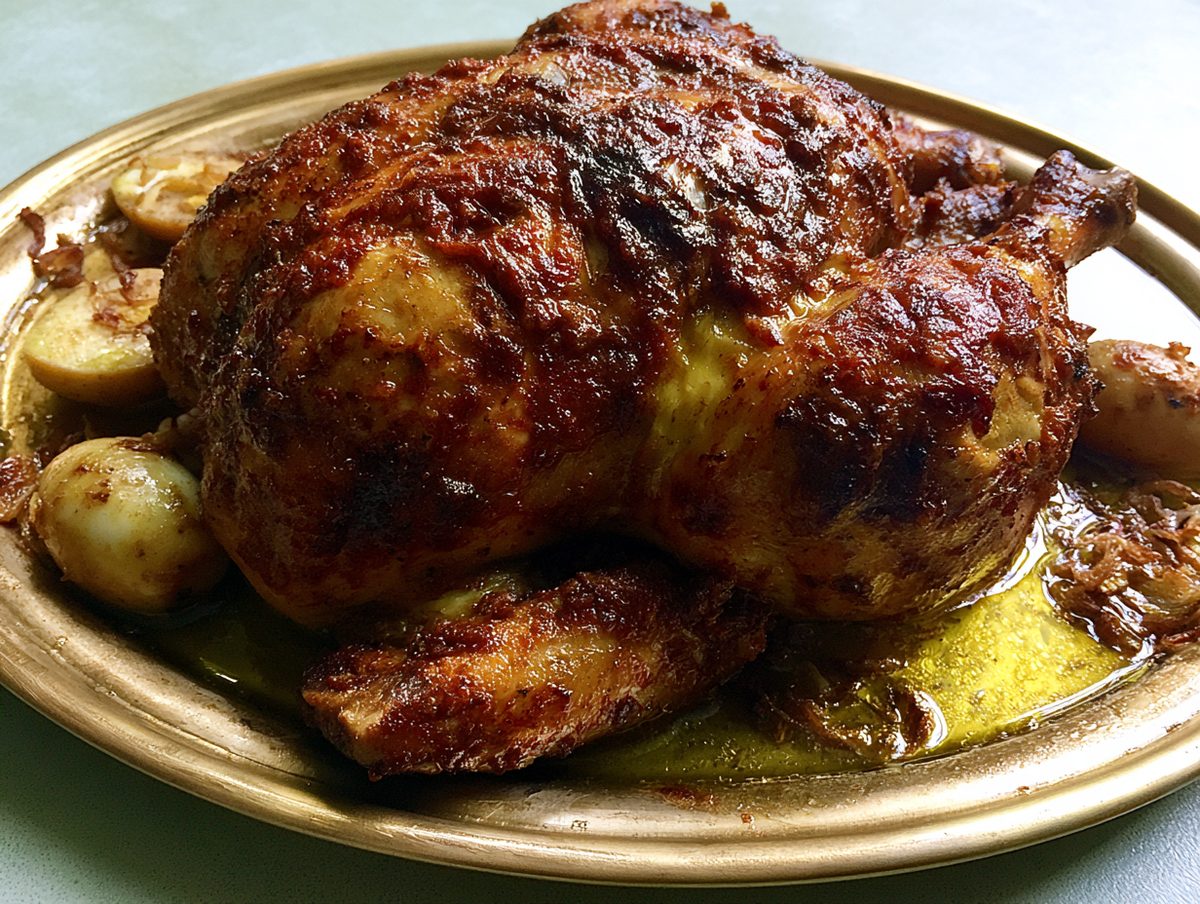
Murgh Musallam
Murgh musallam: a whole chicken stuffed with egg and keema, slow-cooked in a nut-and-saffron gravy — a Mughlai banquet centrepiece.
-
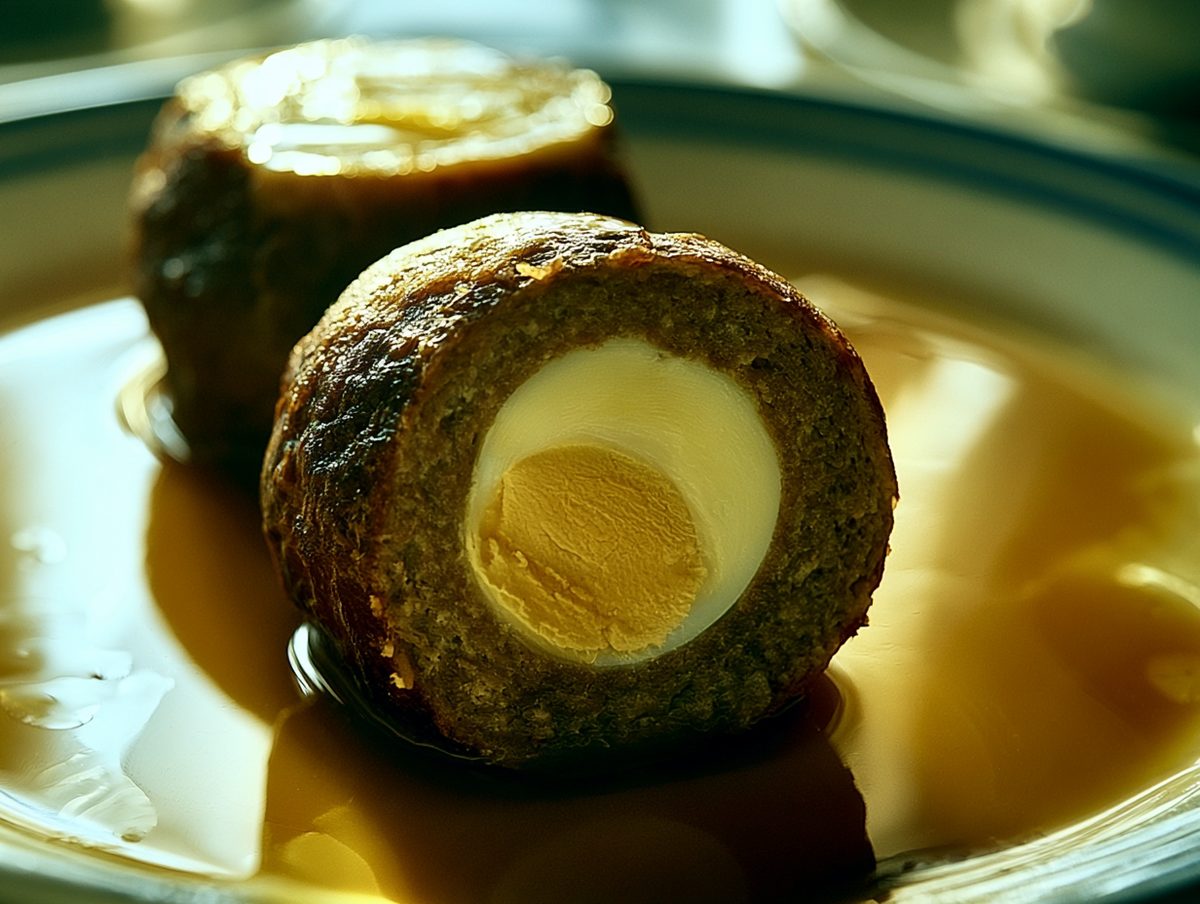
Nargisi Kofta
Nargisi kofta: a boiled egg wrapped in spiced mince and simmered in a yoghurt gravy — the Awadhi original behind the Scotch egg.
-
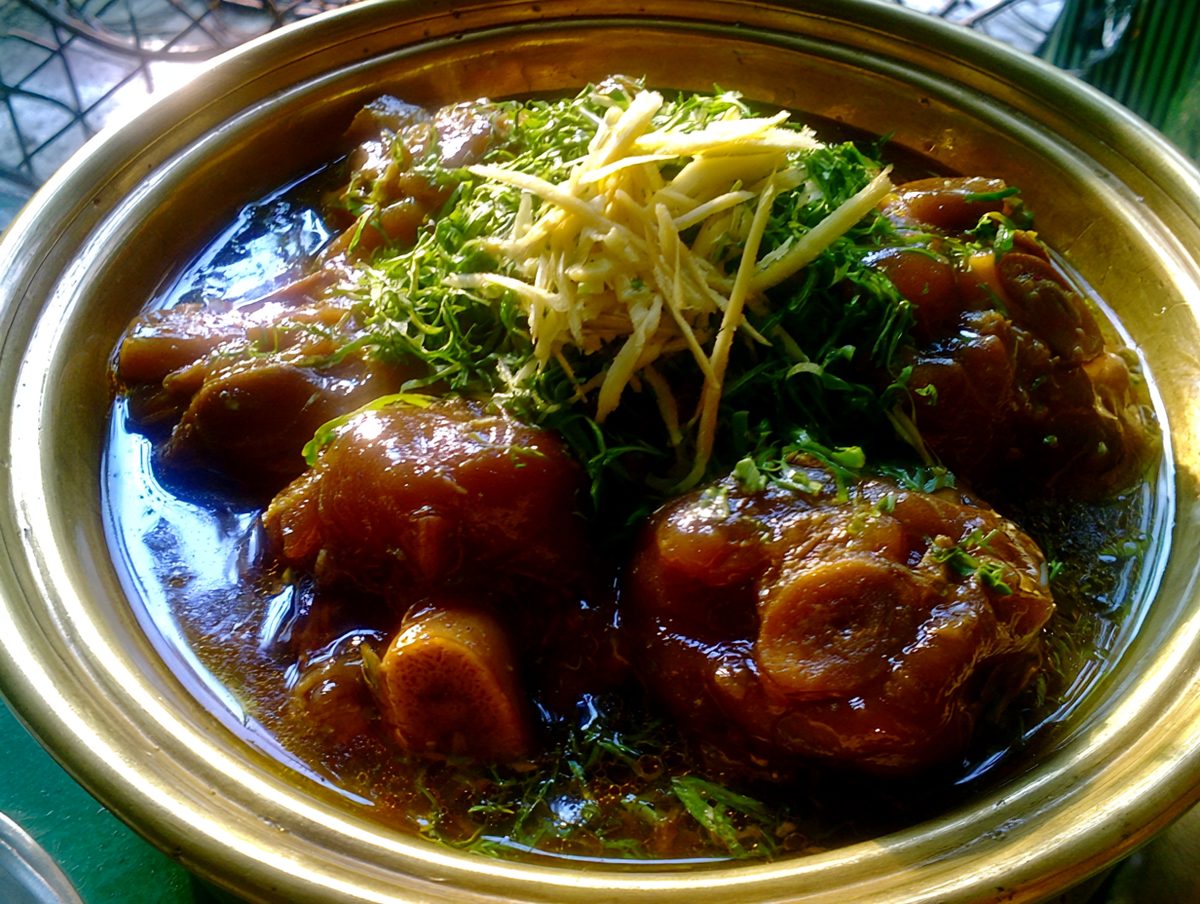
Paya
Paya: goat or lamb trotters slow-cooked into a thin, gelatinous broth — Lahore’s dawn breakfast, kept soupy, not thick like nihari.
-
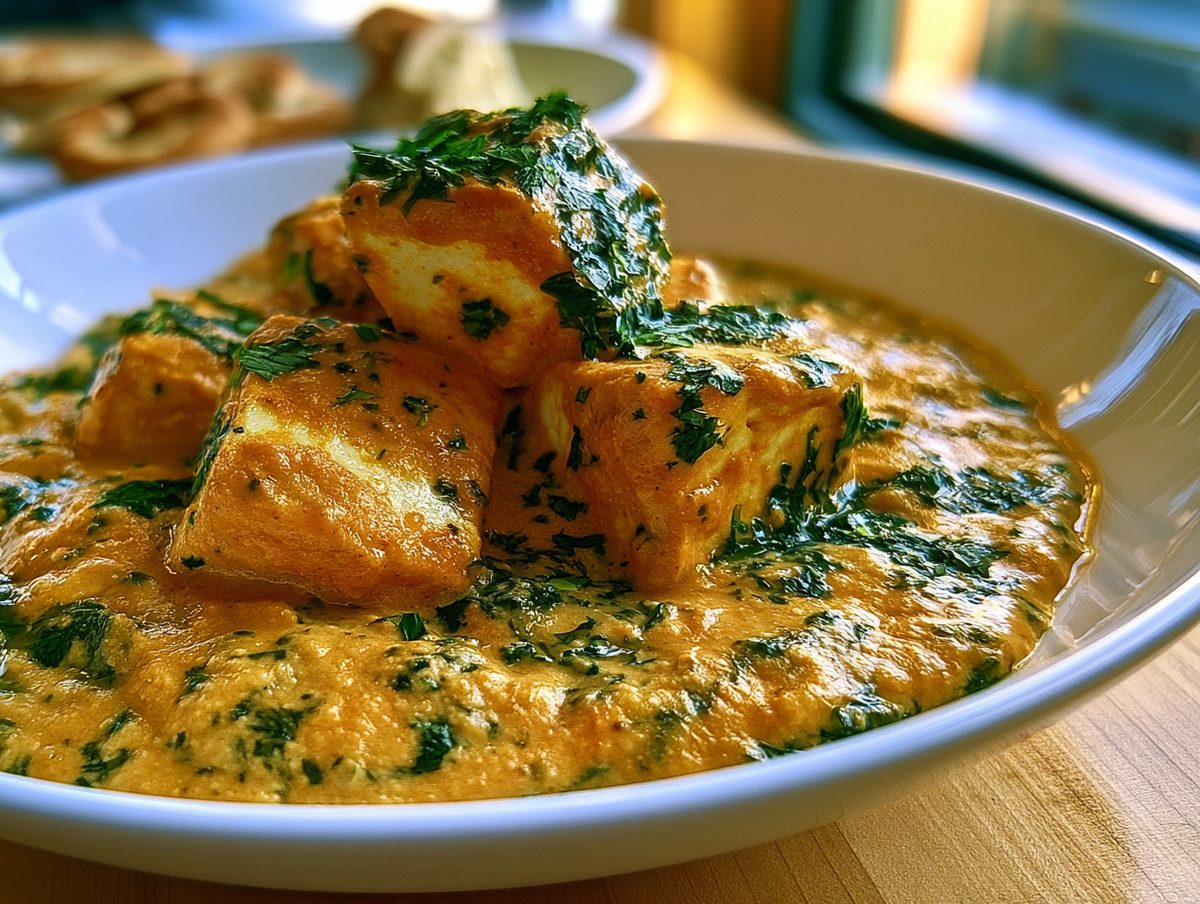
Shahi Paneer
Shahi paneer: paneer in a pale Mughlai gravy of boiled onion, cashew, yogurt and saffron — the original white version, no tomato.
-
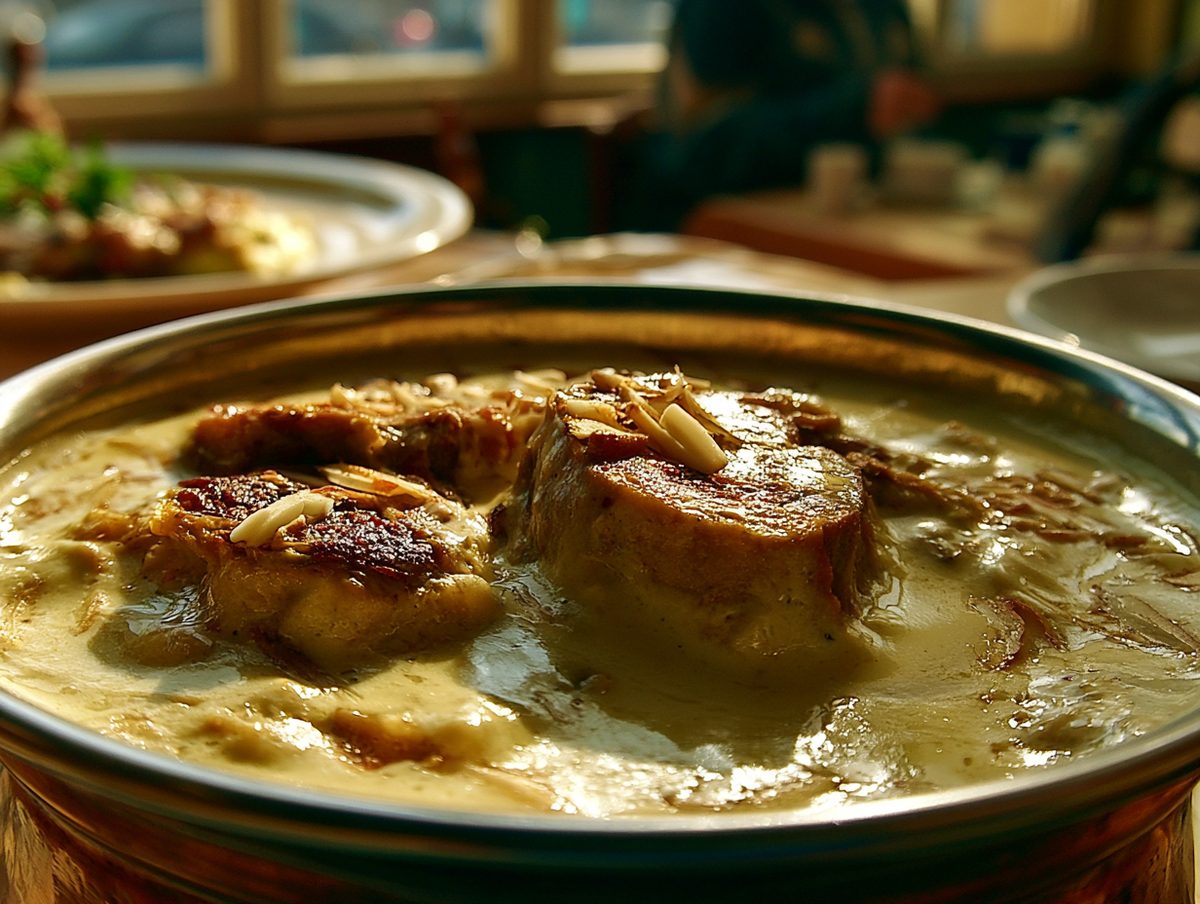
Mutton Pasanda
Mutton pasanda: flattened lamb strips in a yogurt-and-nut gravy, no tomato — the Old Delhi Kayastha dish from the Mughal court.
-
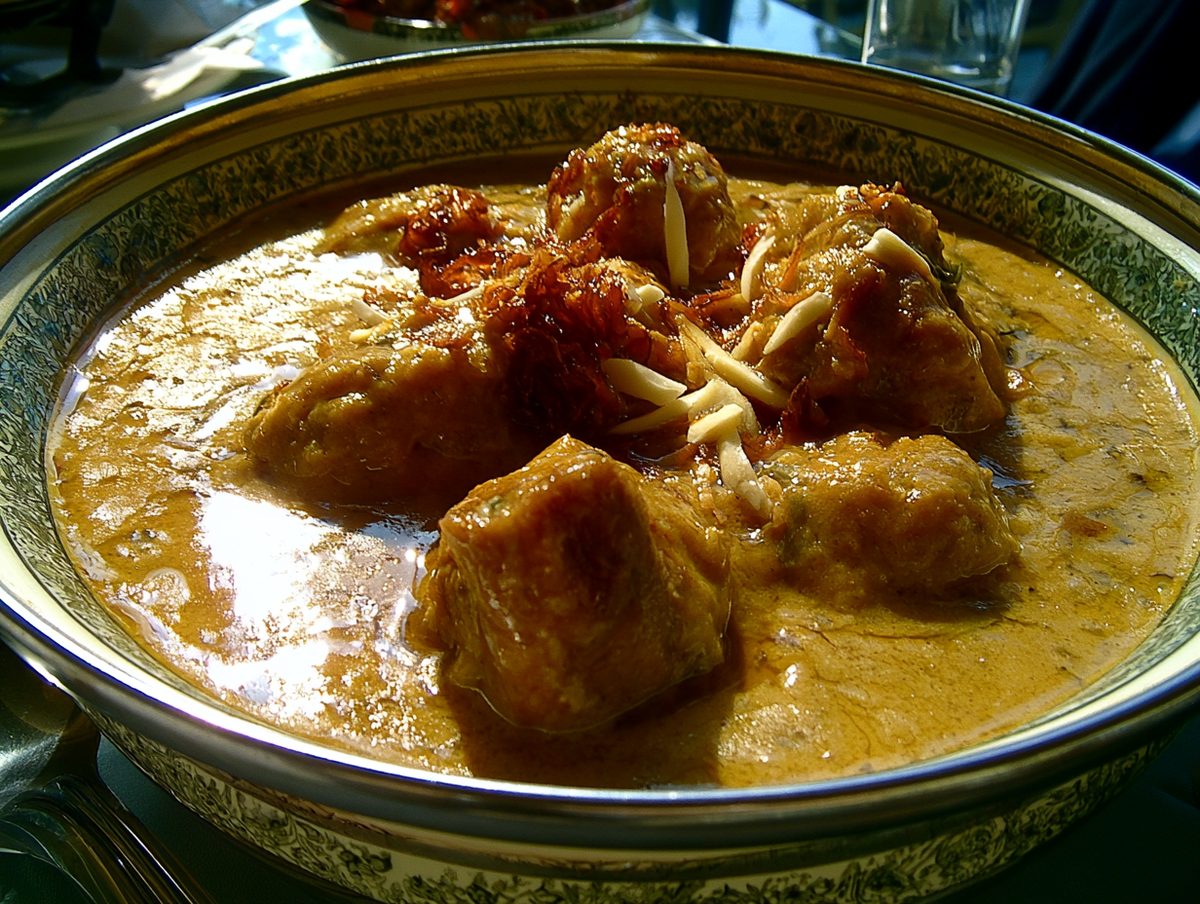
Shahi Mutton Korma
Shahi mutton korma: goat braised in yogurt and browned onions with almond paste and saffron, no tomato — the Mughlai wedding korma.
-
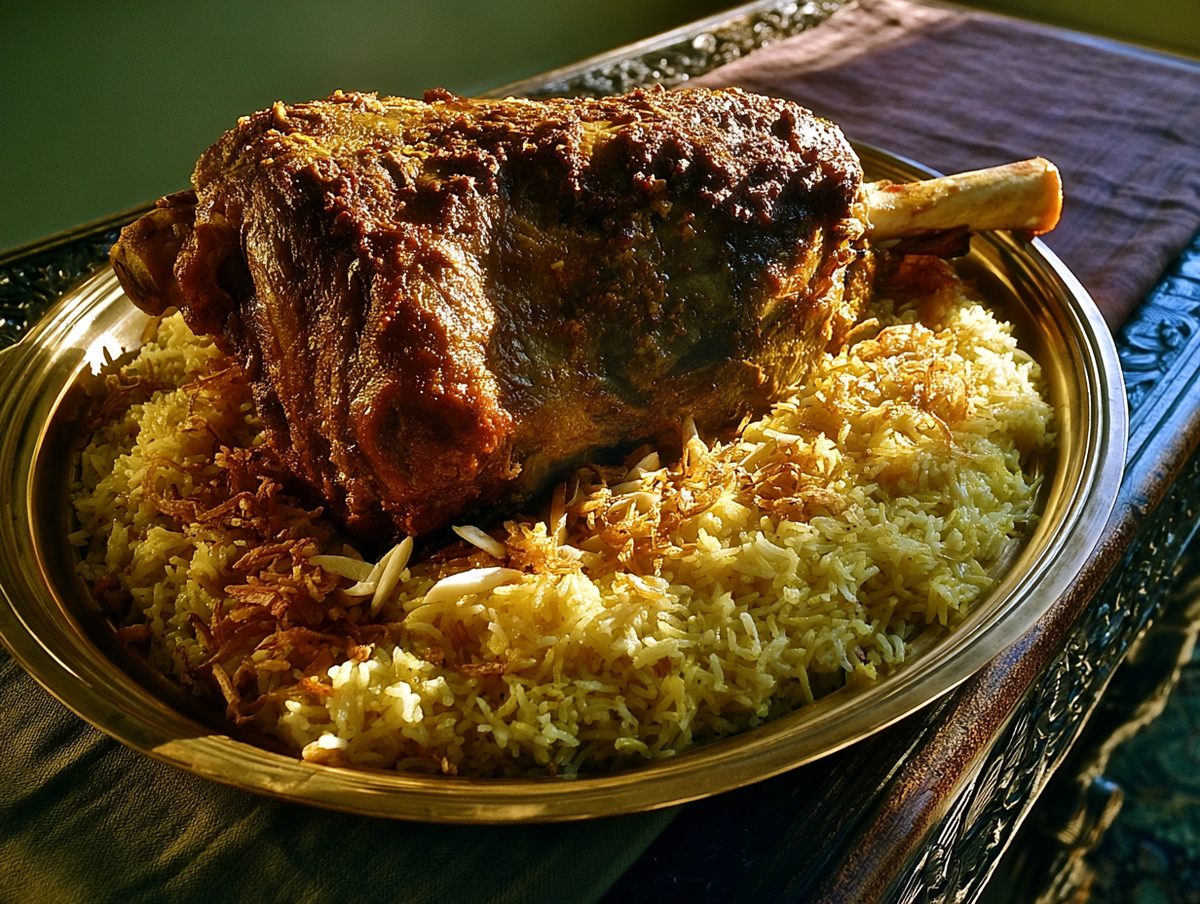
Mughlai Raan
Mughlai raan: a whole leg of lamb marinated and slow-roasted to spoon-tender under a saffron-almond gravy — the Mughlai feast centrepiece.
-
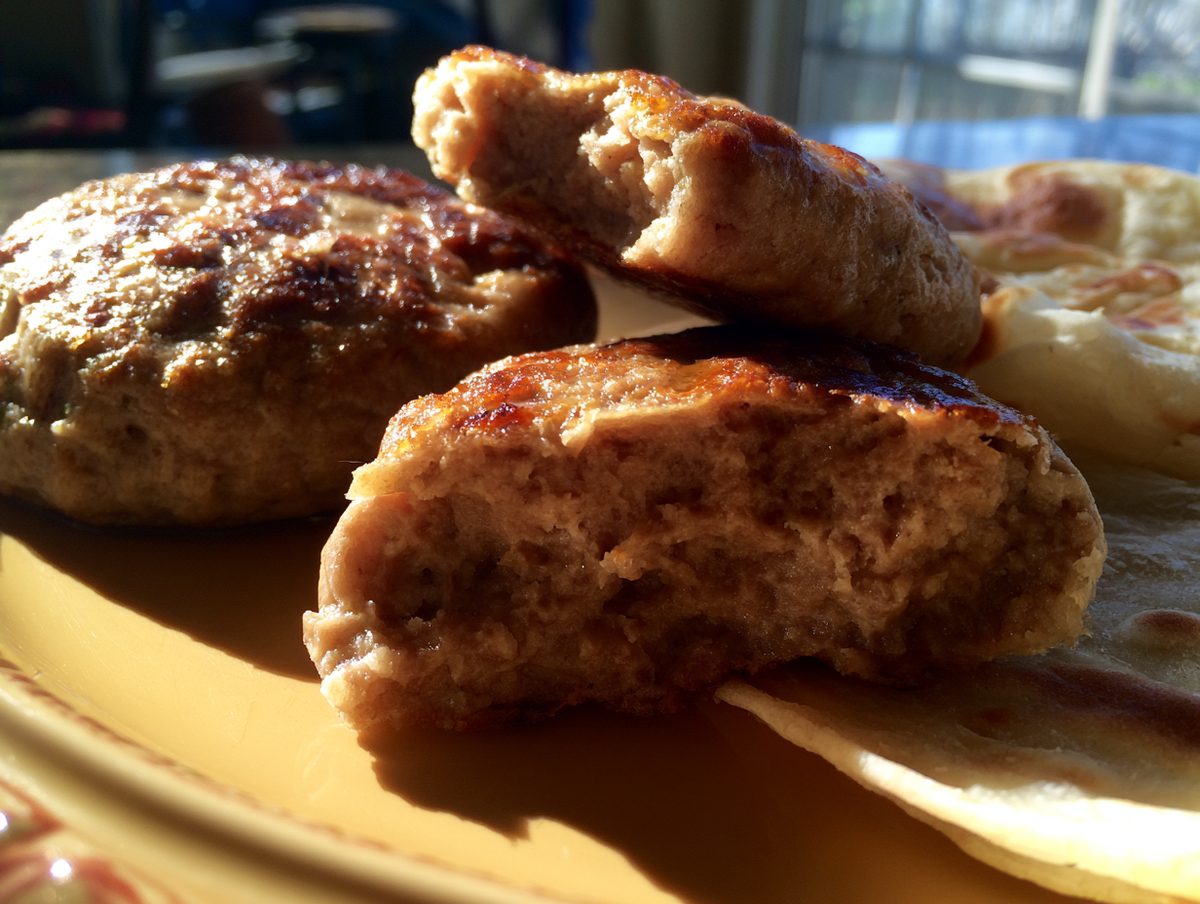
Galouti Kebab
Galouti kebab: finely minced lamb tenderised with papaya, smoked and tawa-fried into melting patties — Lucknow’s kebab for a toothless Nawab.
-
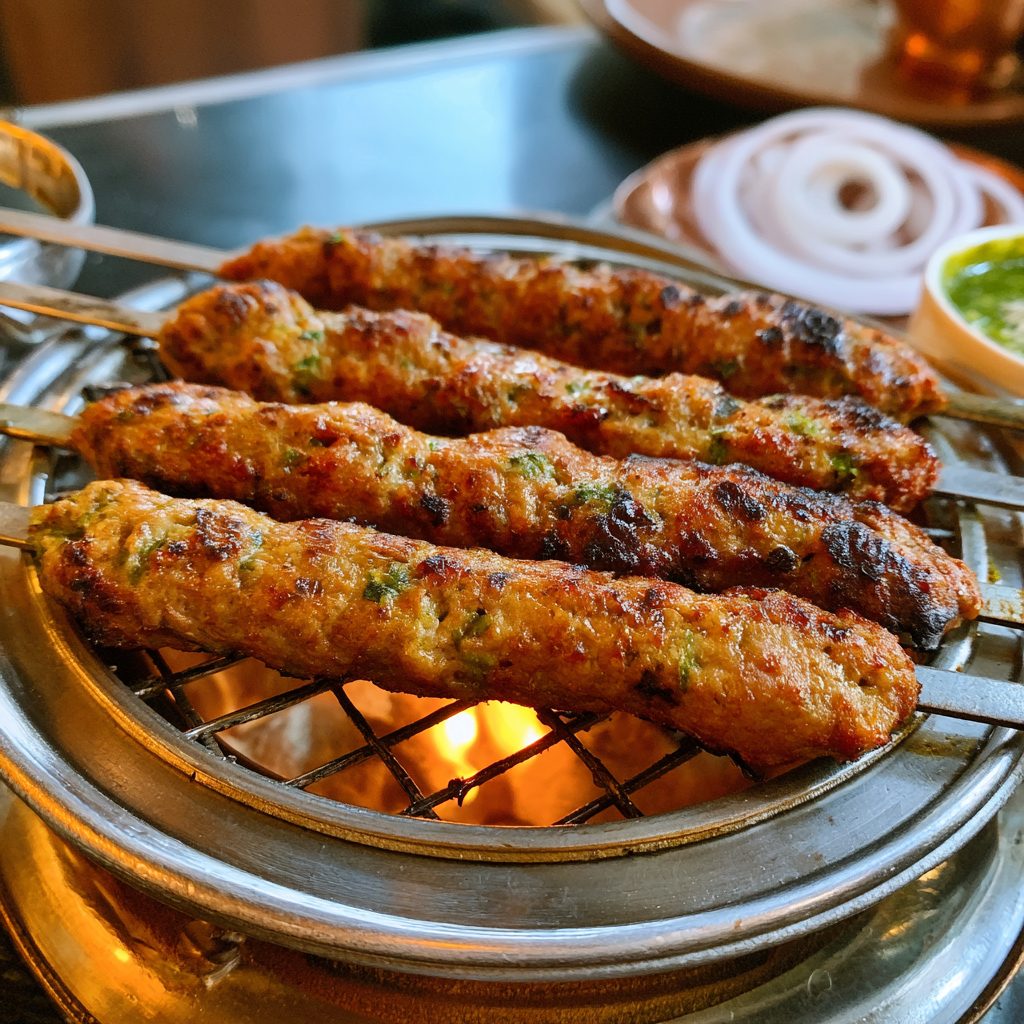
Kakori Kebab
Kakori kebab: the finest minced mutton, tenderised and smoked, wrapped on skewers and grilled — Lucknow’s melt-in-the-mouth kebab, the King of Kebabs.
-
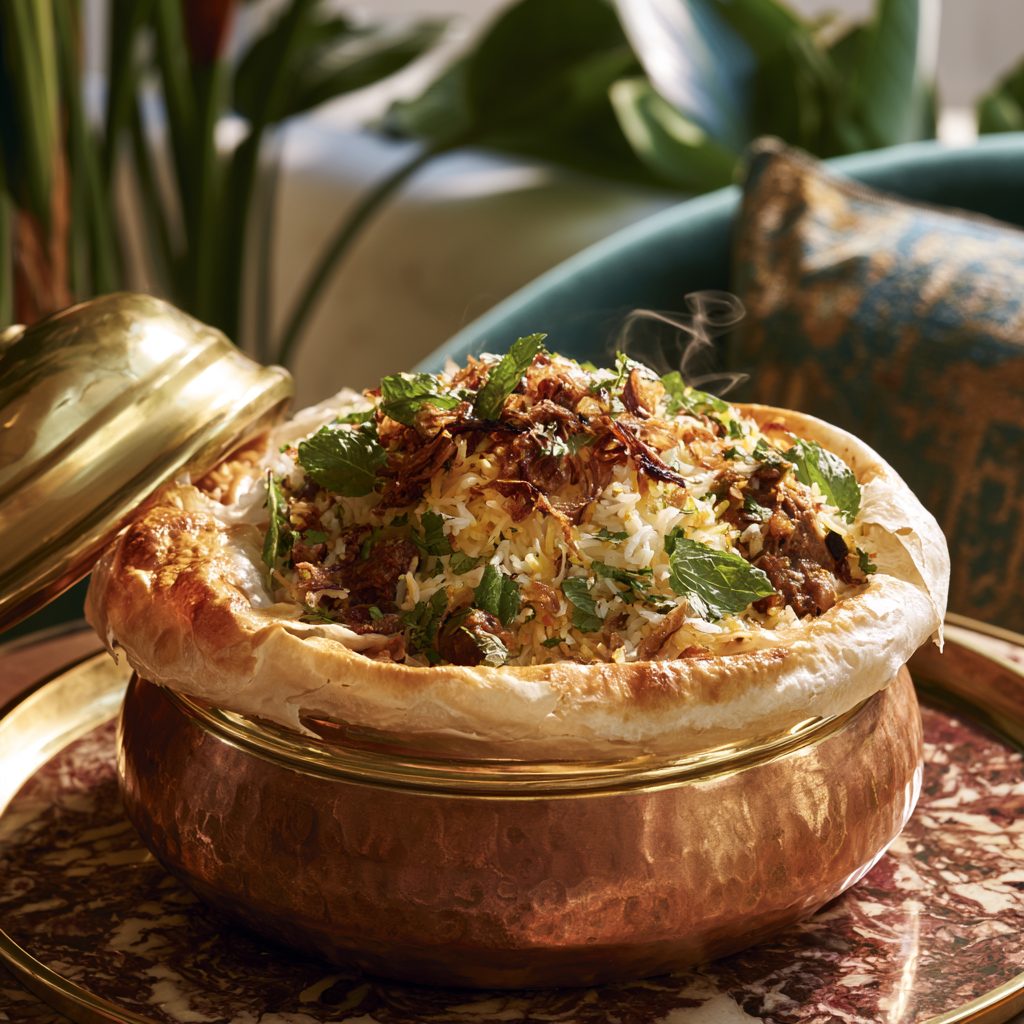
Lucknawi Mutton Biryani
Lucknowi biryani: the Awadhi pakki dum biryani — meat and rice cooked apart, layered with saffron, kewra and rose, then steamed on dum.
-
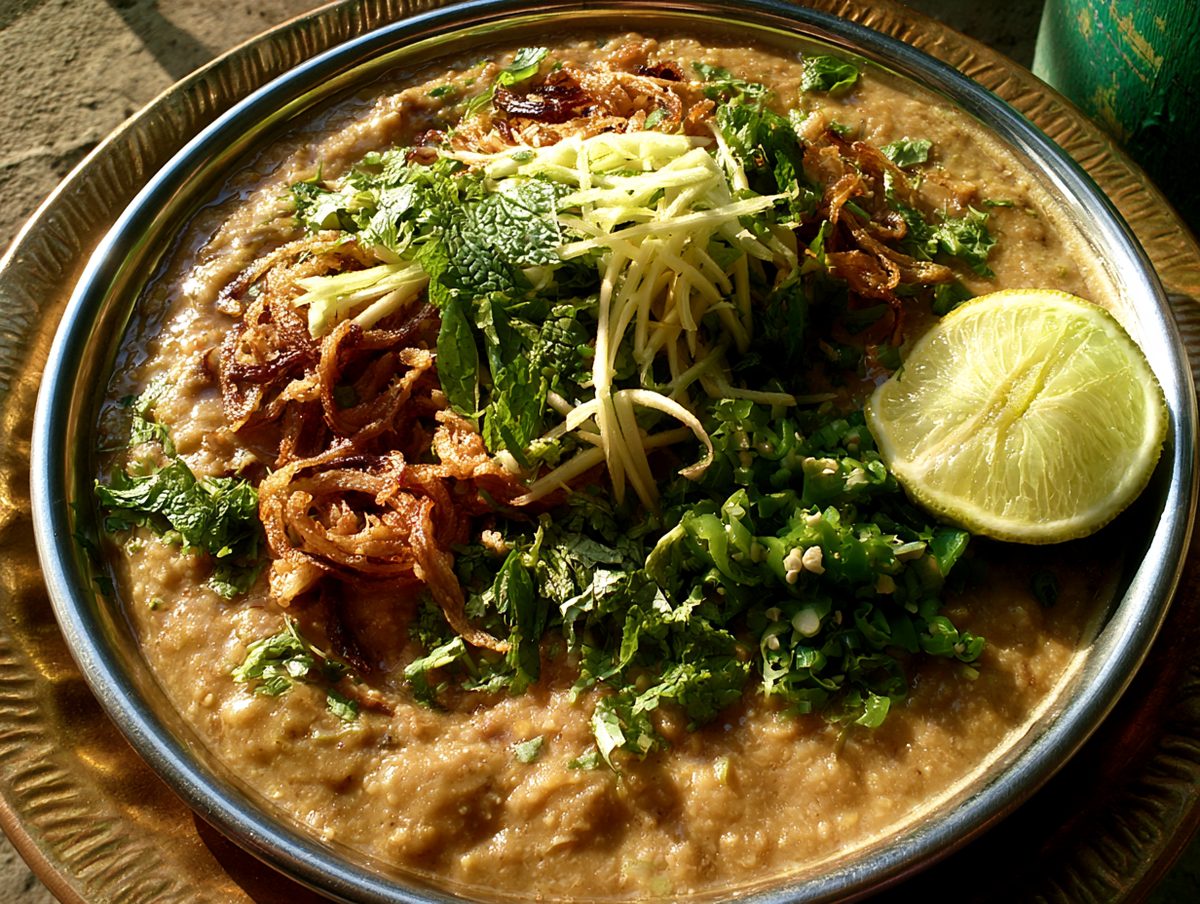
Haleem
Haleem: wheat, barley, lentils and meat slow-cooked and pounded to a thick mass, finished with fried onion and ginger — the Lahori Ramadan deg dish.
-
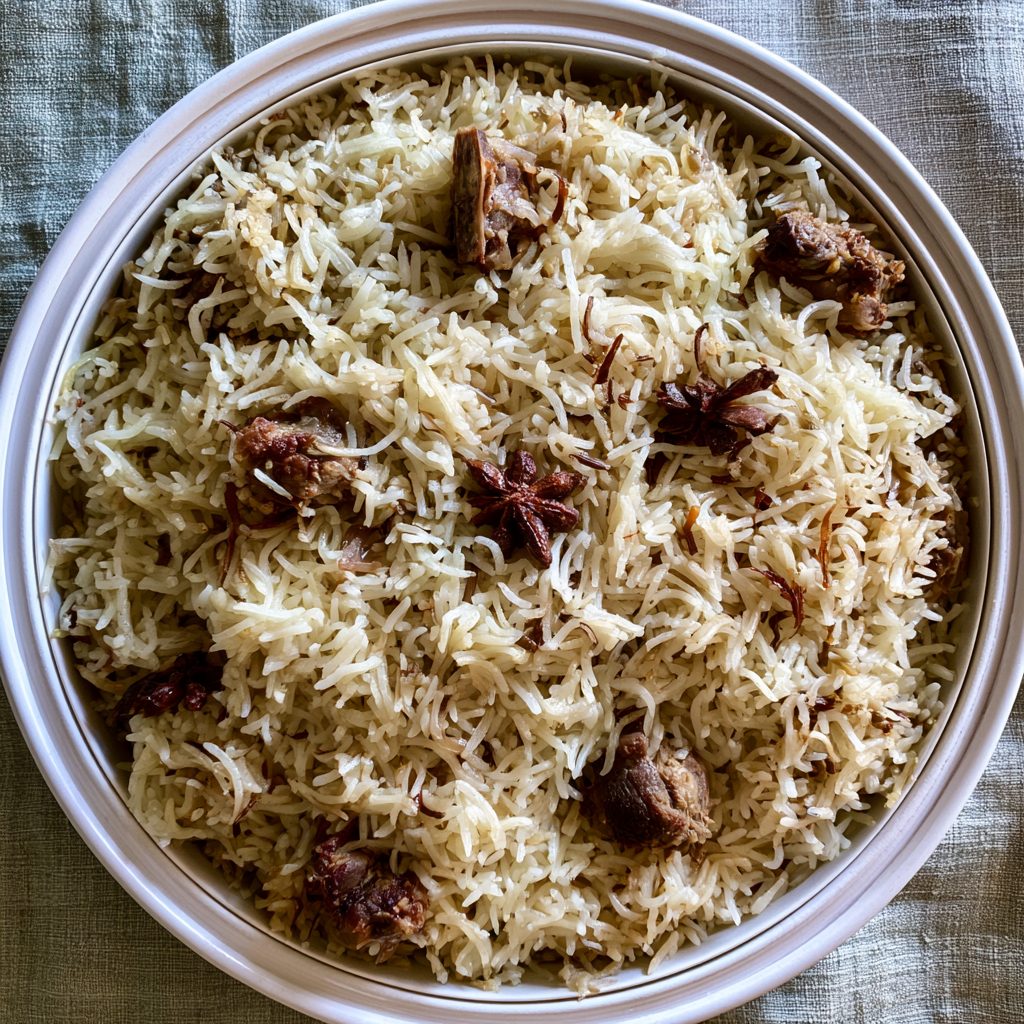
Mutton Yakhni Pulao
Mutton yakhni pulao: basmati cooked in a spiced mutton stock (yakhni), one pot, subtle and savoury — the Awadhi celebration pilaf, not a biryani.
-
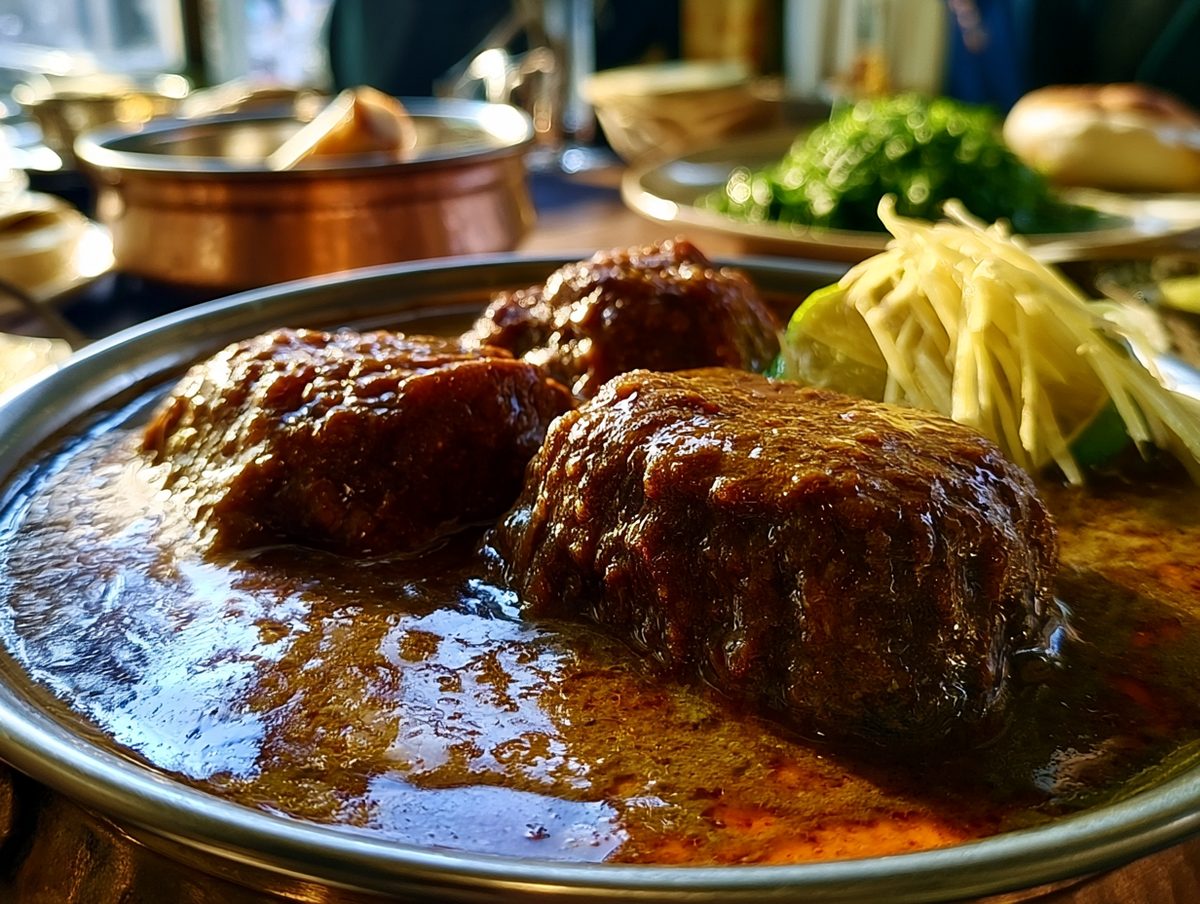
Nihari
Nihari: shank and marrow bones slow-cooked into a spiced stew thickened with atta — Old Delhi’s dawn dish, carried to Lahore and Karachi.
Street Food & Snacks
-
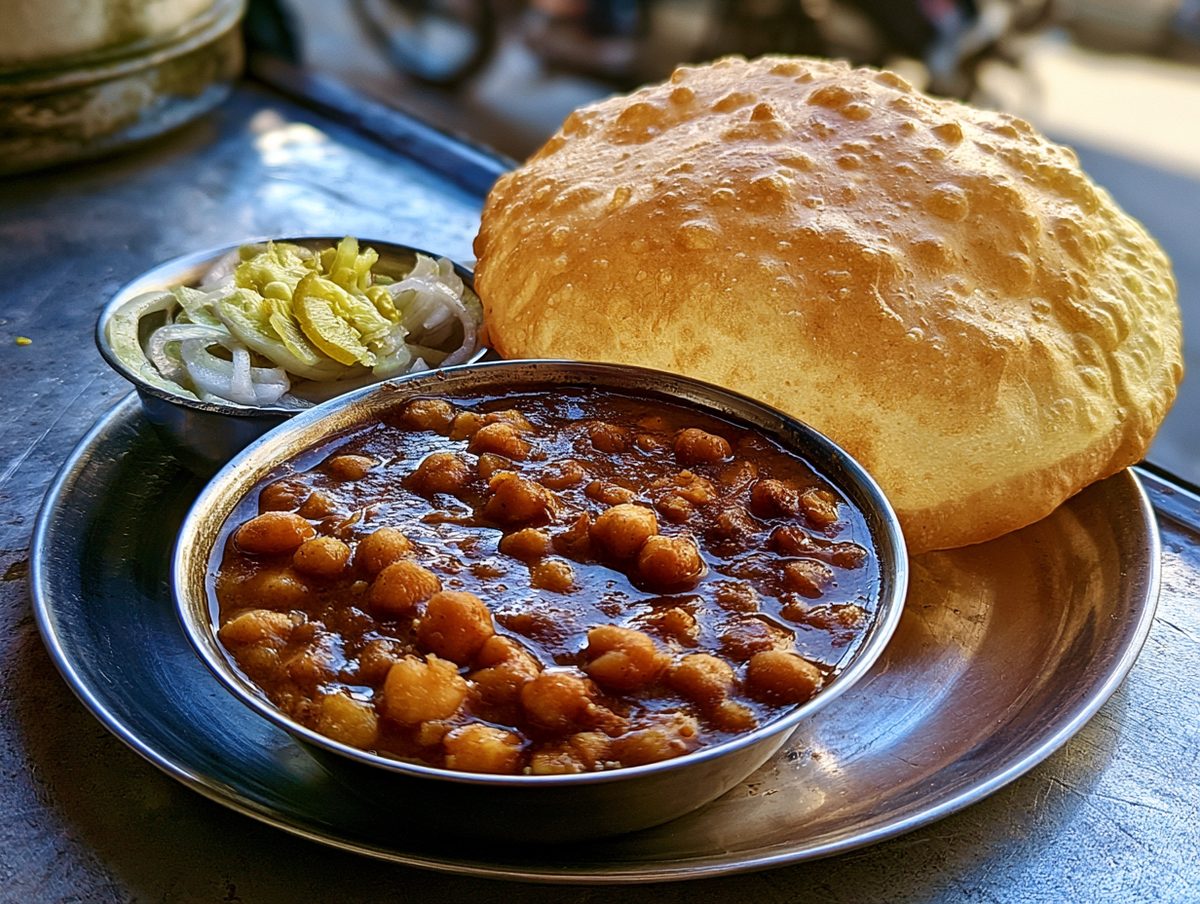
Chole Bhature
Chole bhature: dark, spiced Punjabi chickpeas with deep-fried puffed bhatura — the big Delhi street breakfast, served with onion, chilli and lassi.
-
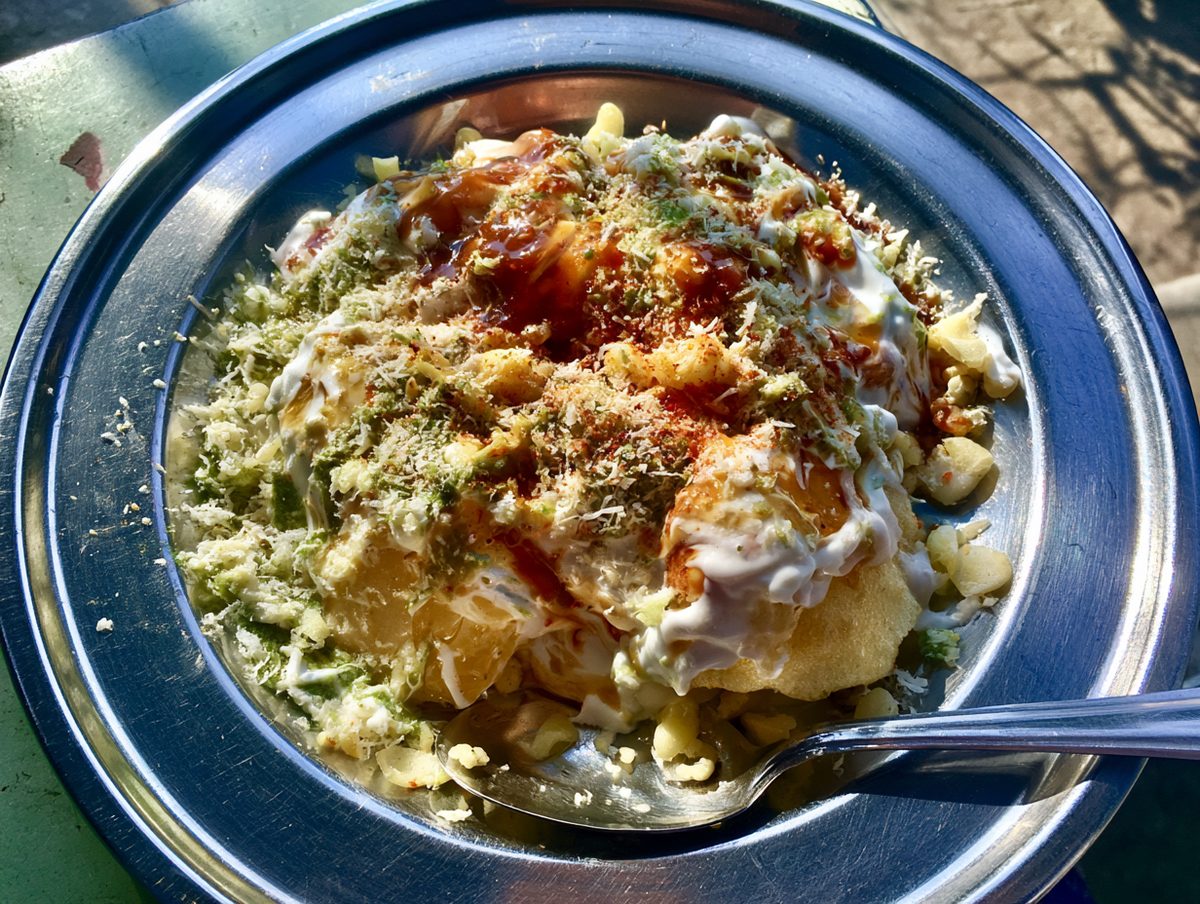
Aloo Tikki
Old Delhi aloo tikki chaat: crisp chana-dal-stuffed potato patties topped with whisked yoghurt, tamarind and green chutney, sev and chaat masala.
-
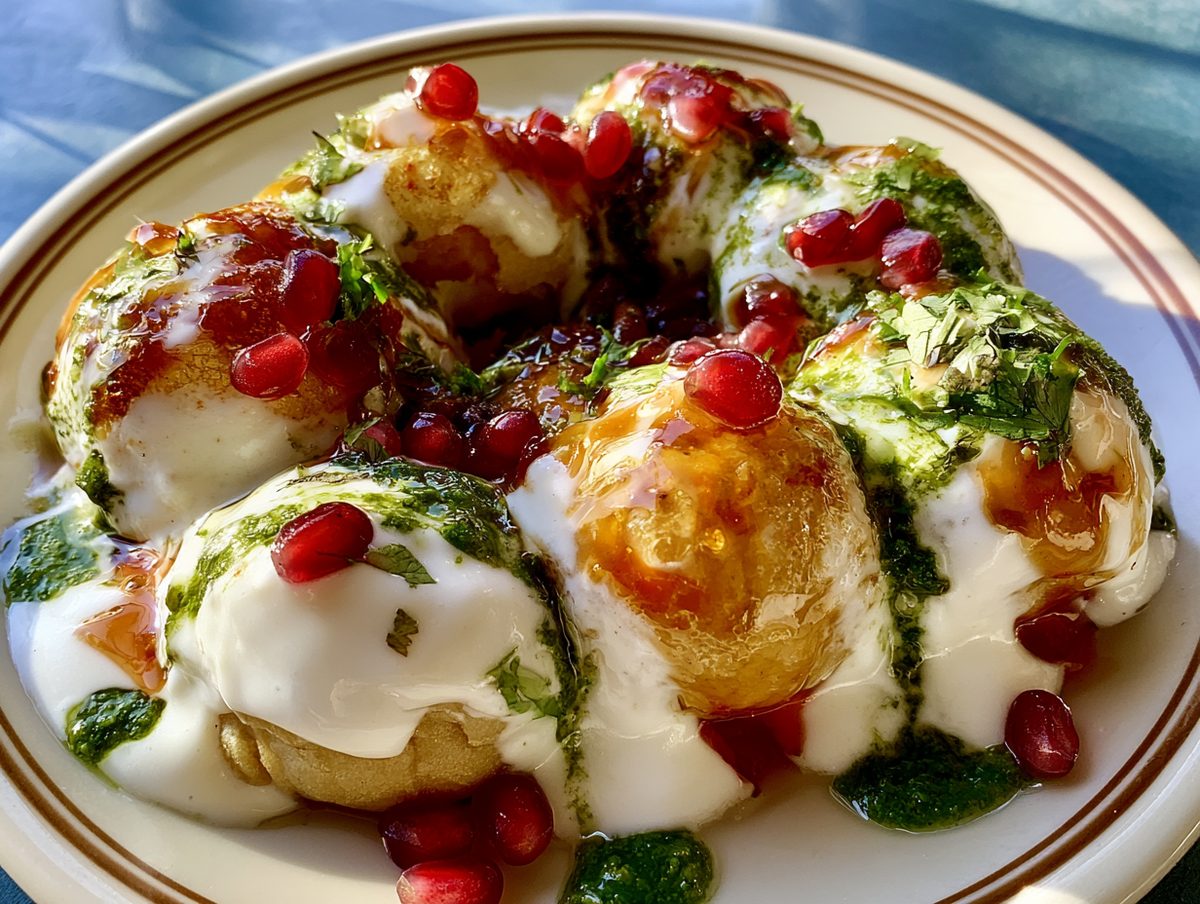
Dahi Bhalla
Dahi bhalla: soft urad-dal fritters soaked and dunked in sweetened yoghurt with tamarind and green chutney, roasted cumin and sev — the Delhi-Punjabi chaat.
-
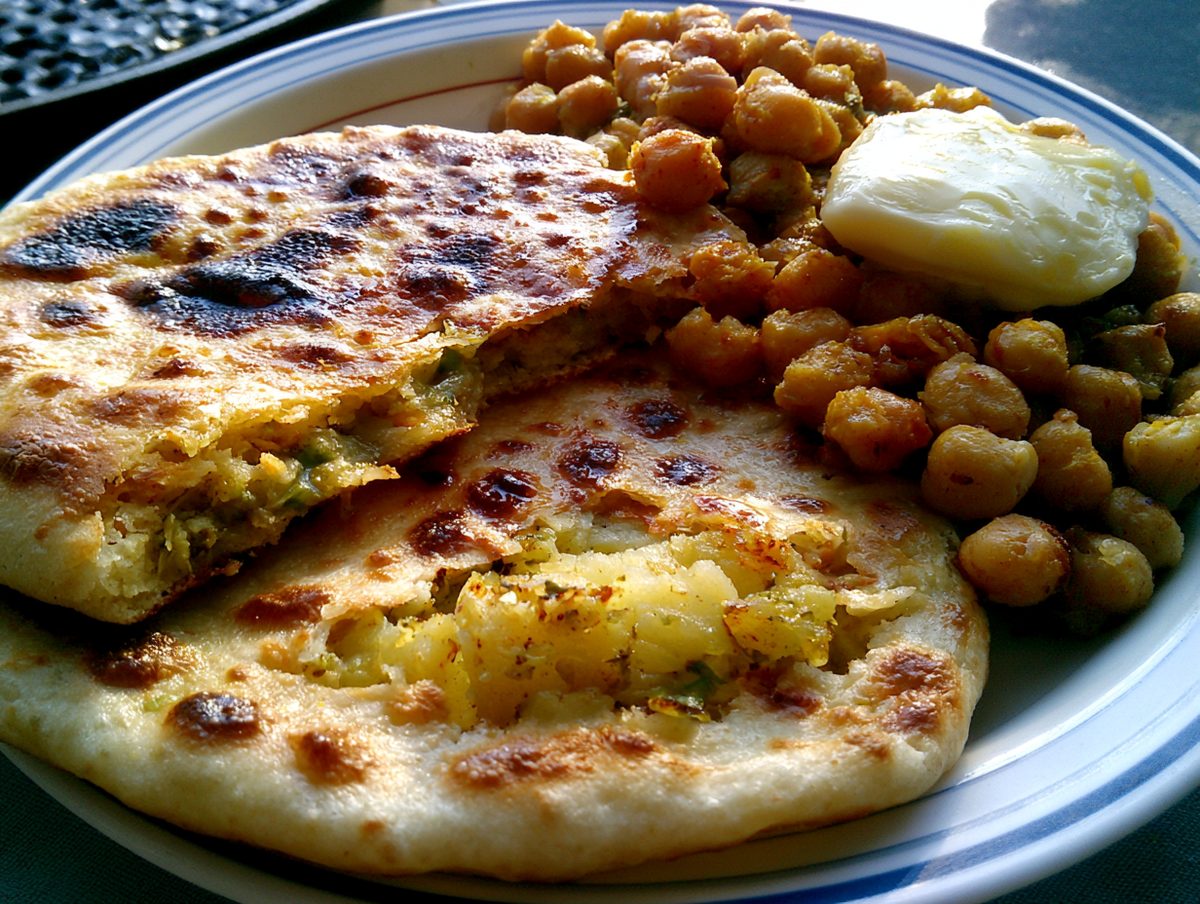
Amritsari Kulcha
Amritsari kulcha: a crisp, blistered maida flatbread stuffed with dry spiced potato, cooked on a tawa and buttered — served with Amritsari chole and onion.
-
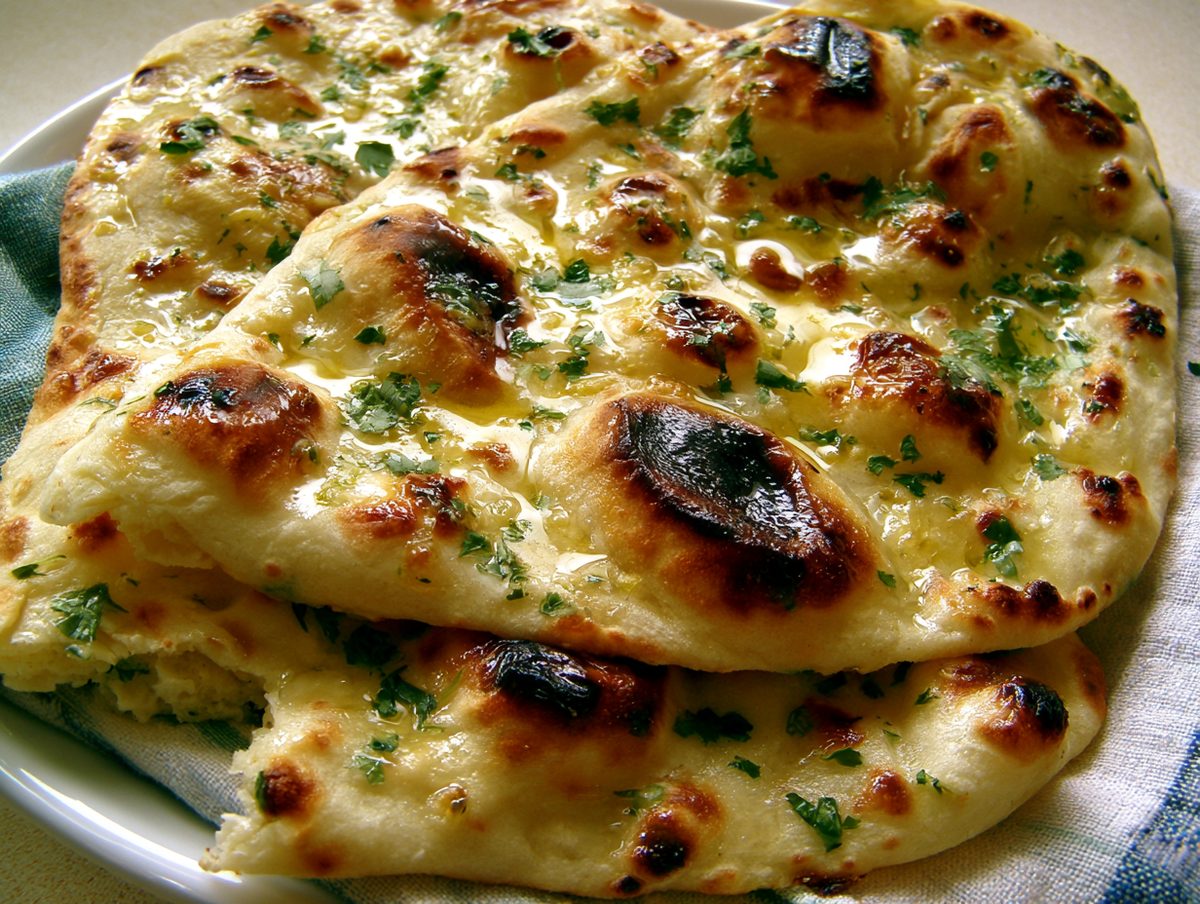
Garlic Naan
Garlic naan at home with no tandoor: a soft, yeasted yoghurt dough studded with garlic and coriander, cooked on a hot tawa and brushed with garlic butter.
-
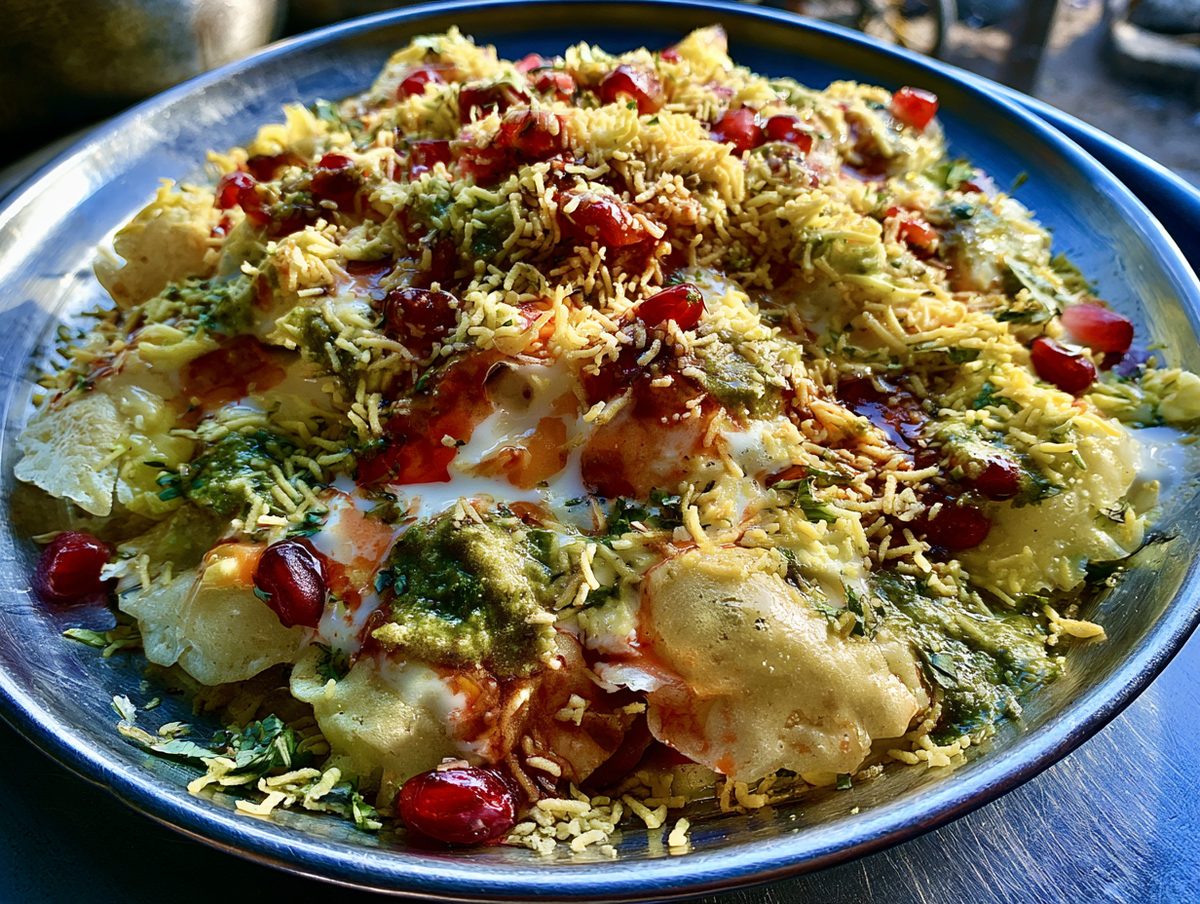
Papdi Chaat
Papdi chaat: crisp flour wafers piled with potato and chickpea, whisked yoghurt, tamarind and green chutney, sev and pomegranate — the quick Delhi street chaat.
-
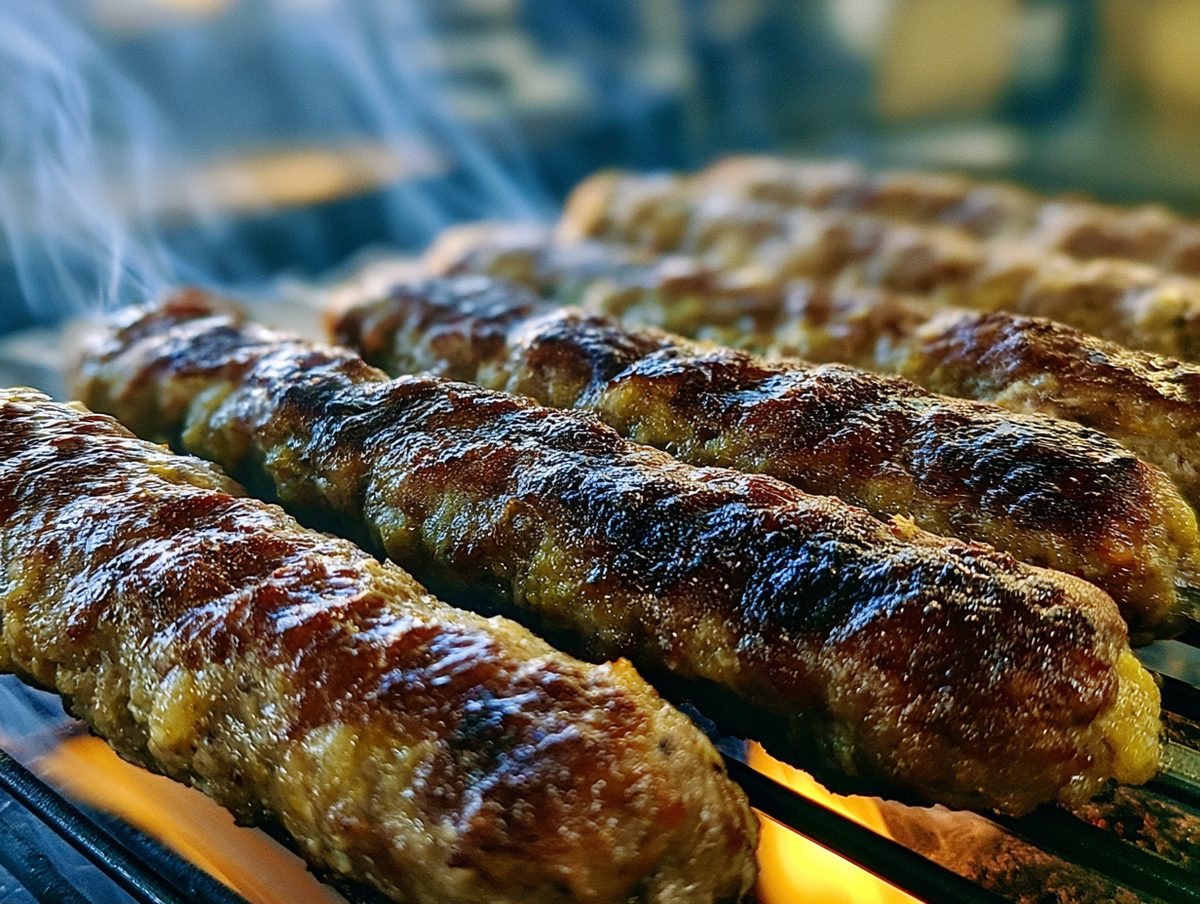
Seekh Kebab
Seekh kebab: spiced minced lamb kneaded onto skewers and charcoal-grilled until charred and juicy — the Awadhi-to-Old-Delhi street kebab.
-
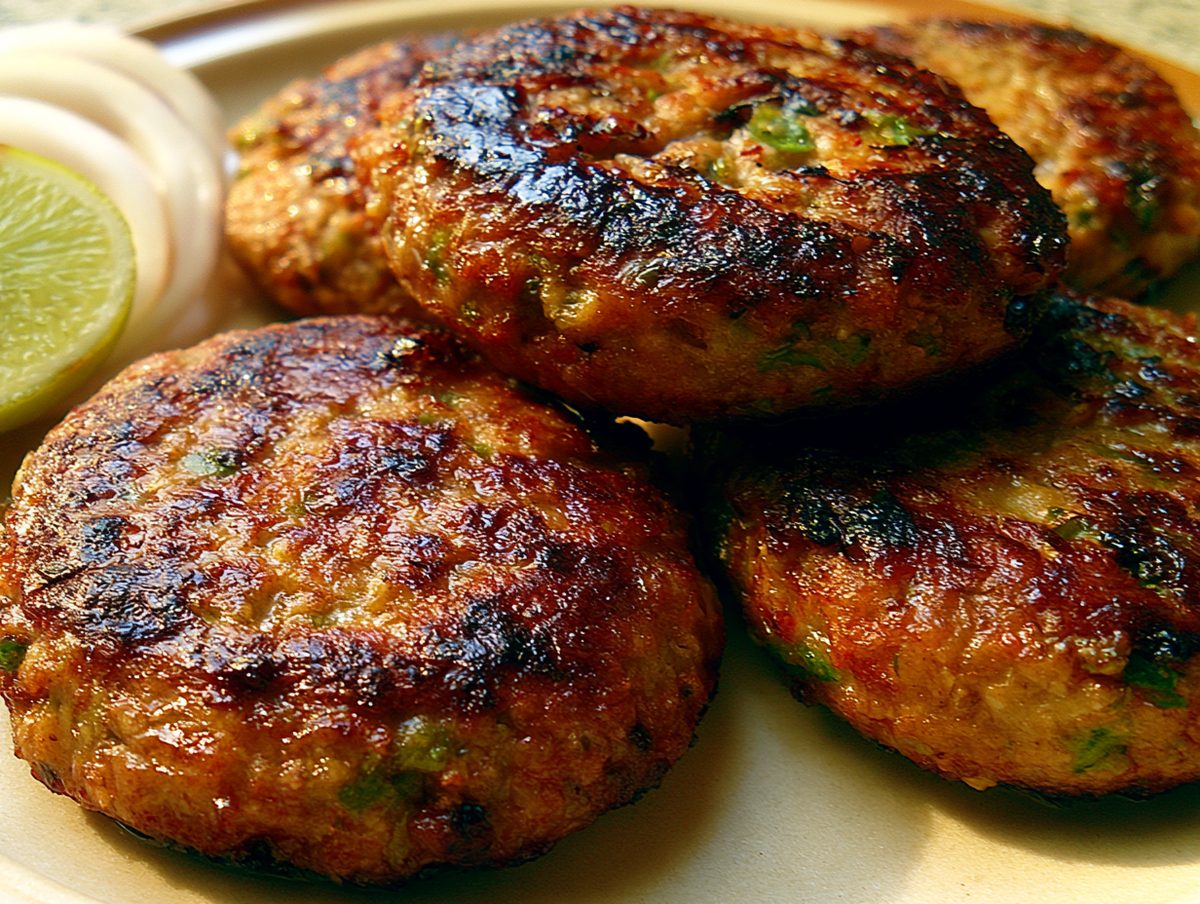
Shami Kebab
Shami kebab: minced lamb cooked with chana dal, ground smooth, bound with egg and fresh herbs, then fried — the firm Mughlai cousin of the galouti.
-
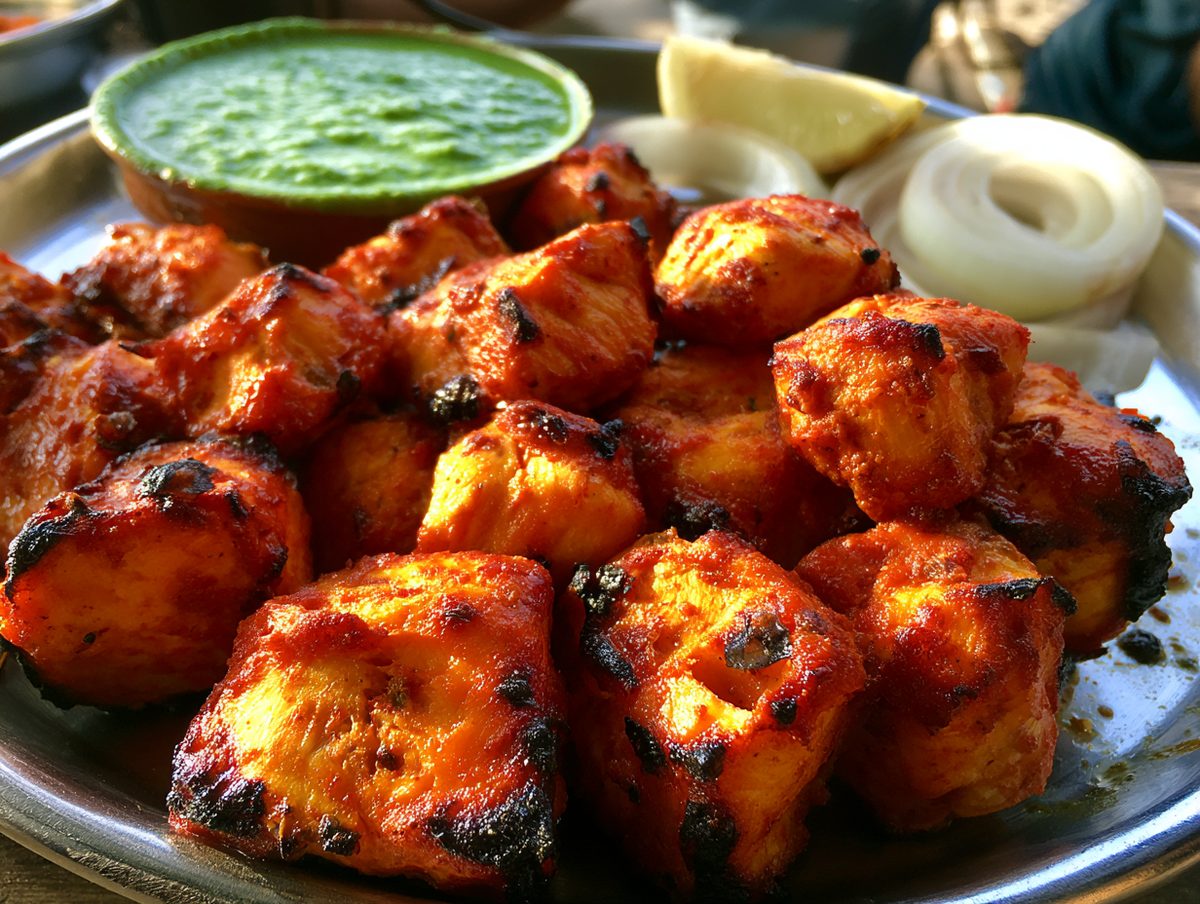
Chicken Tikka
Chicken tikka: boneless chicken cubes marinated in spiced yoghurt, skewered and charred over fierce heat — the boneless cousin of tandoori chicken.
-
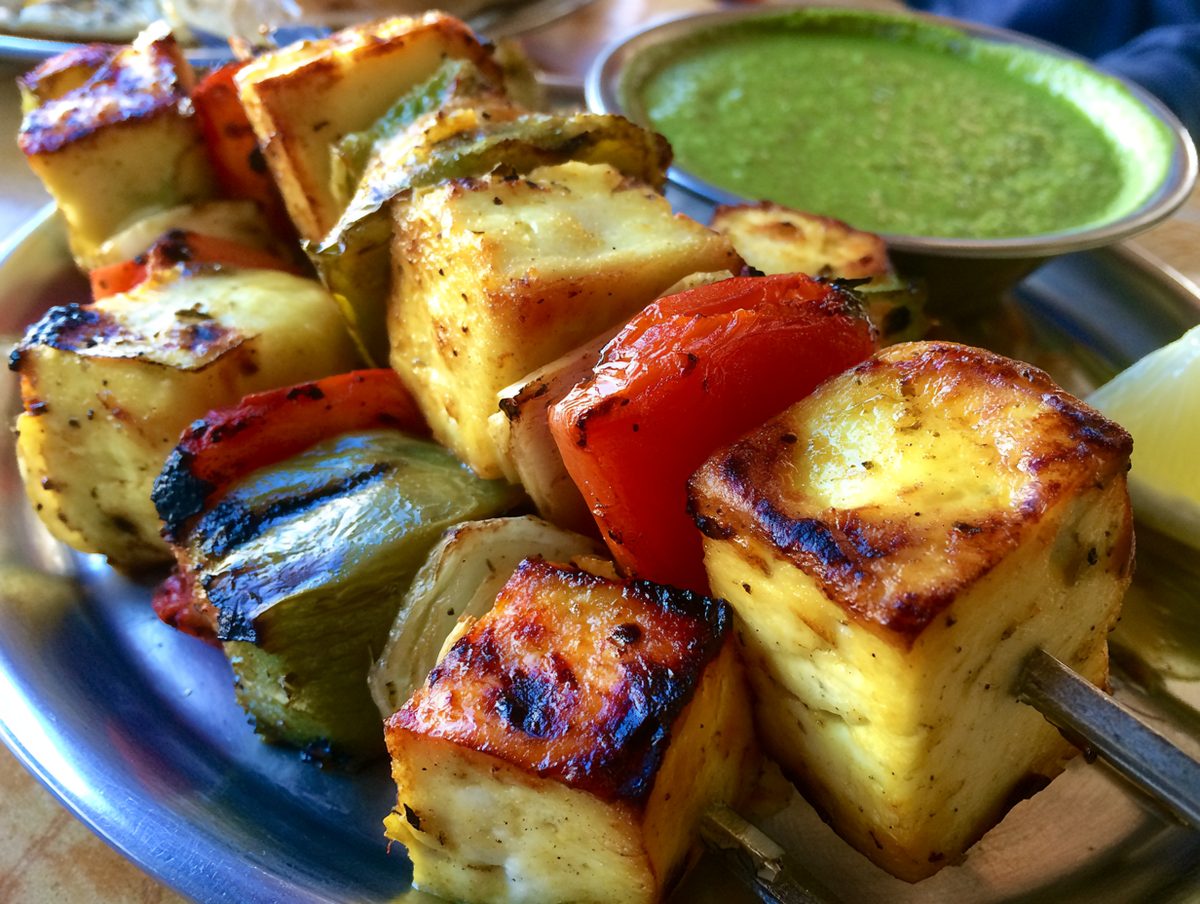
Paneer Tikka
Paneer tikka: cubes of paneer with pepper and onion marinated in spiced yoghurt and grilled until charred — the vegetarian tandoori skewer.
Sweets & Desserts
-
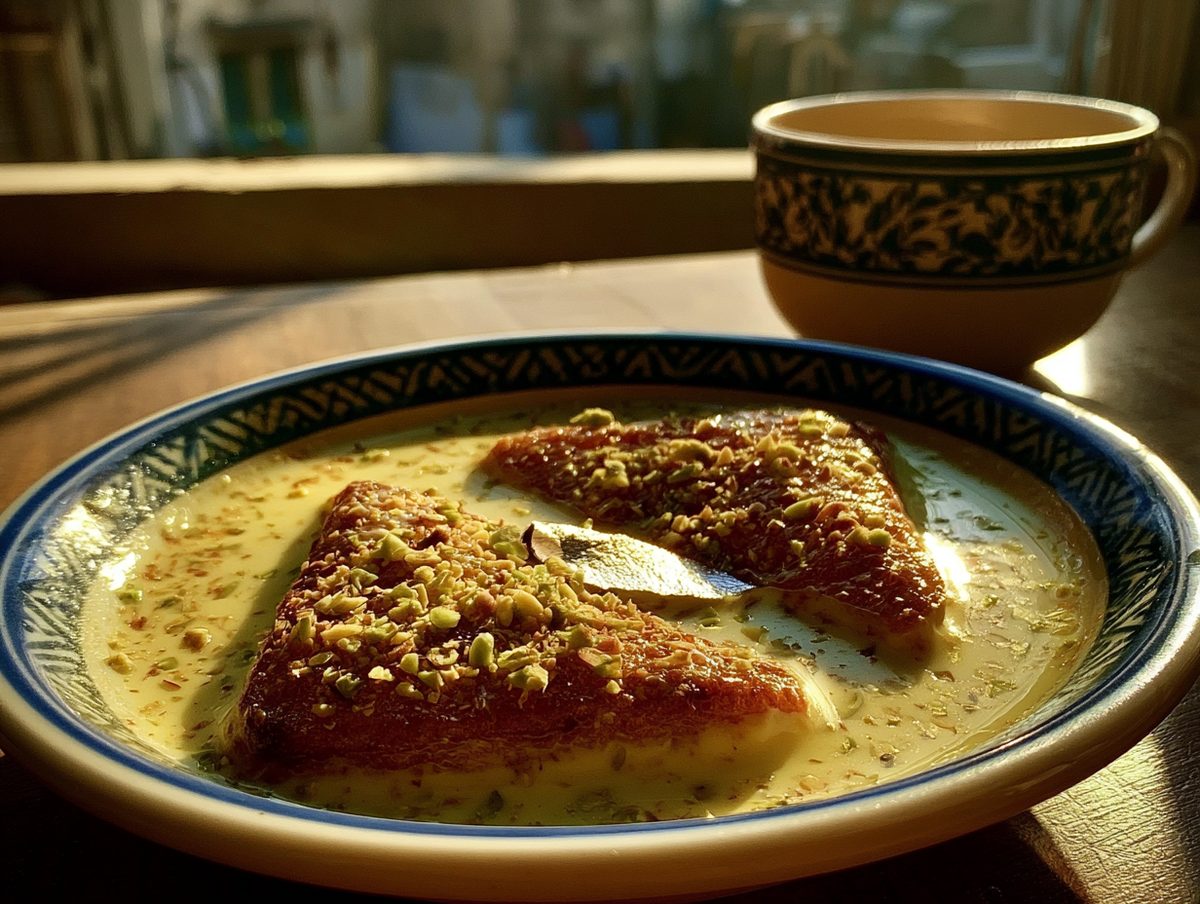
Shahi Tukda
Shahi tukda: the Mughlai royal sweet of ghee-fried bread soaked in cardamom syrup and thick saffron rabri — the Awadhi cousin of Hyderabadi double ka meetha.
-
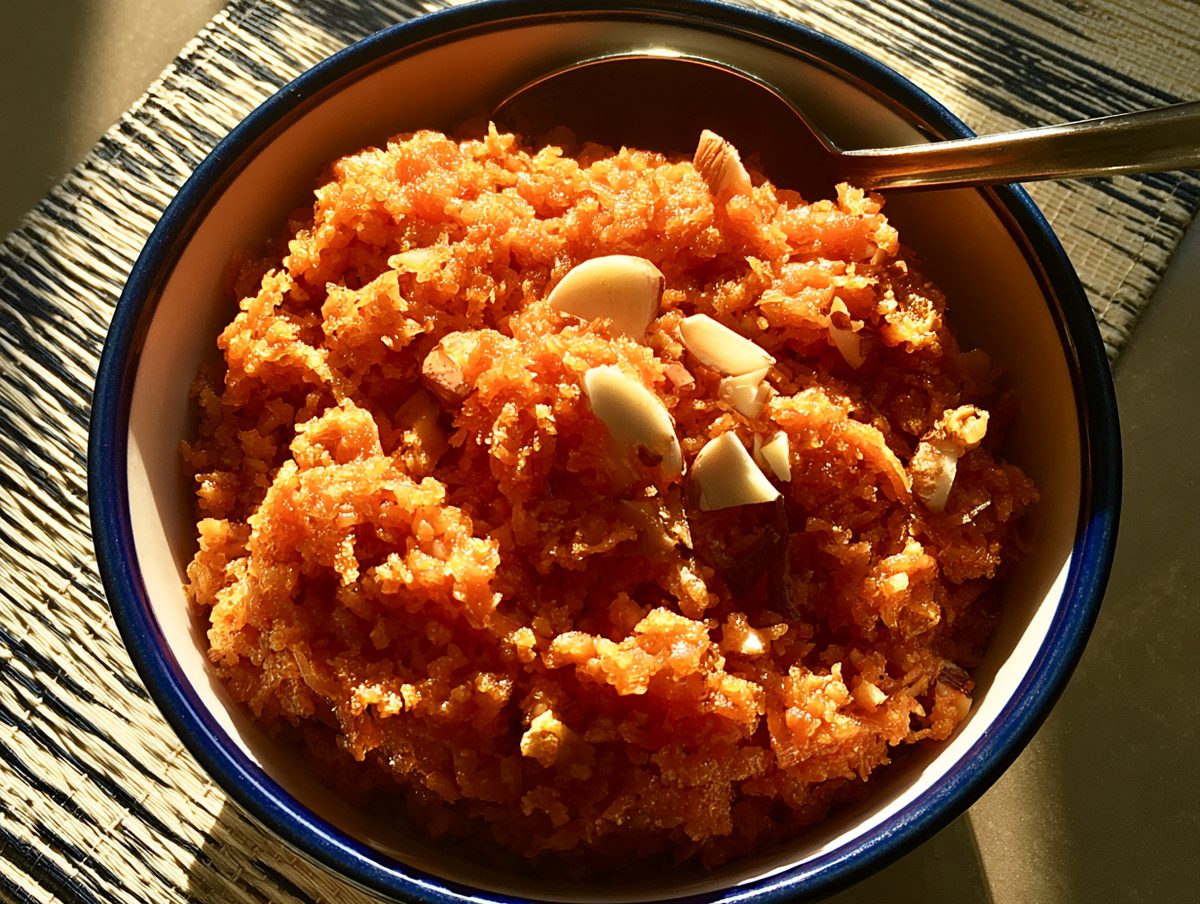
Gajar ka Halwa
Gajar ka halwa: red winter carrots slow-cooked in milk, ghee and khoya with cardamom and nuts — the Punjabi gajrela of weddings and Diwali.
-
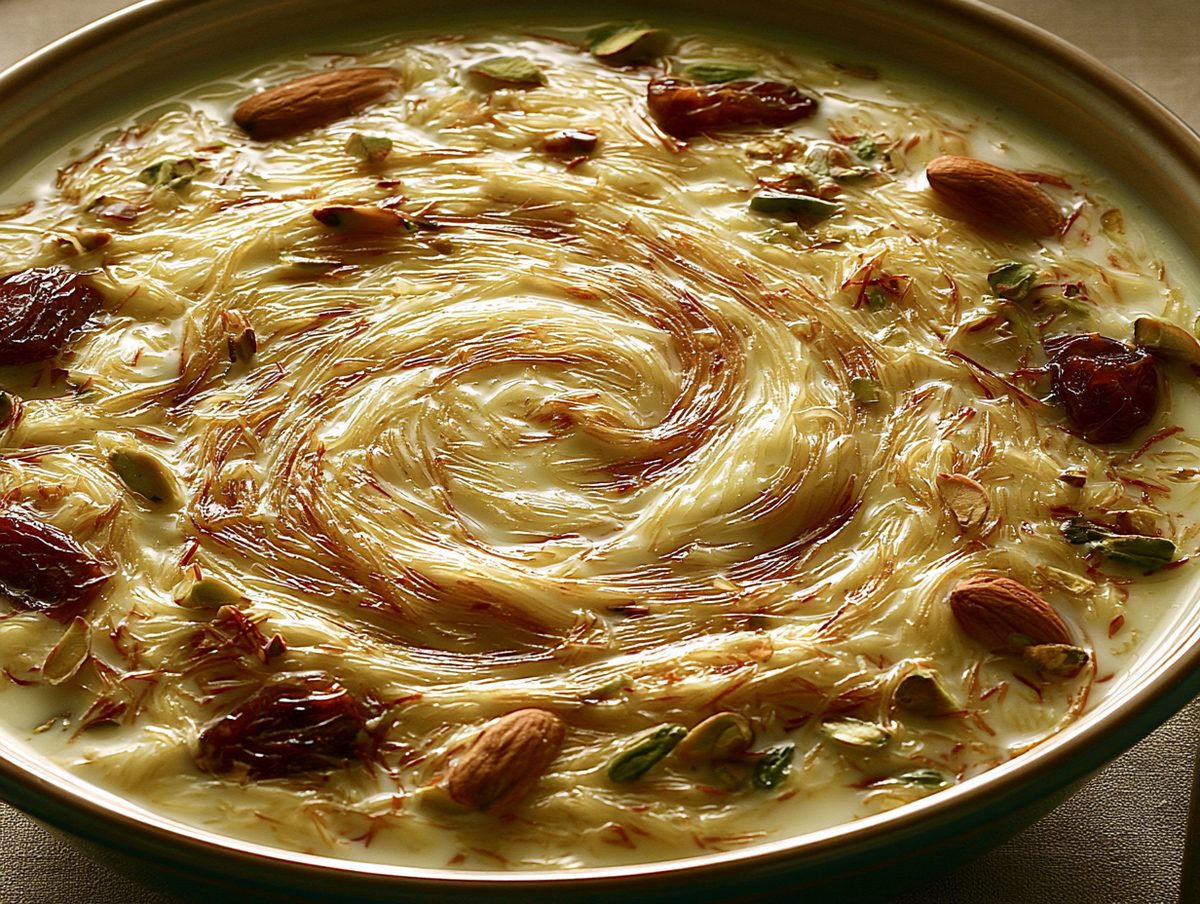
Sheer Khurma
Sheer khurma: fine vermicelli simmered in milk with dates, saffron and roasted nuts — the Persian-rooted Mughlai pudding eaten on Eid morning.
-
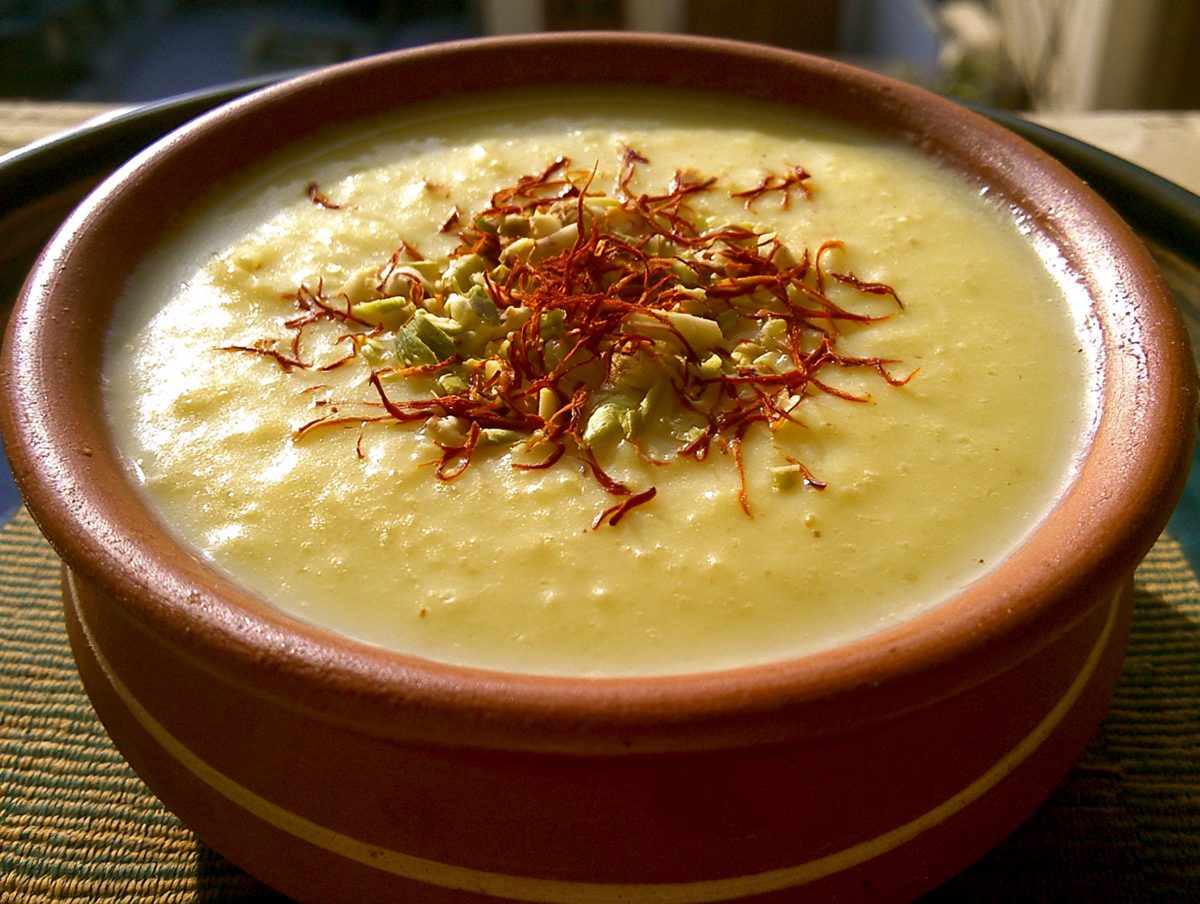
Phirni
Phirni: ground basmati simmered in saffron milk and set chilled in terracotta shikoras — the smooth Mughlai rice pudding of Delhi and Punjab.
-
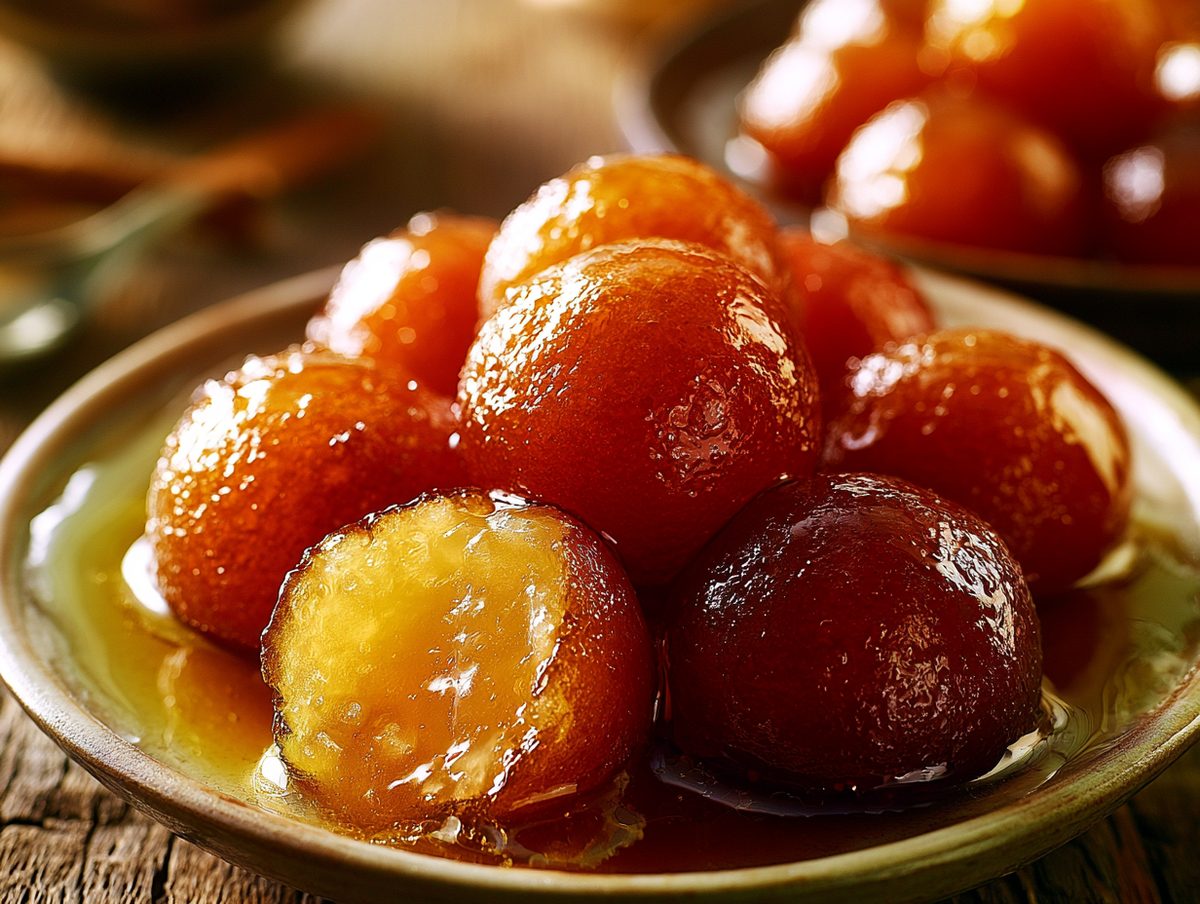
Gulab Jamun
Gulab jamun: soft khoya dumplings fried dark and soaked in rose-and-cardamom syrup — the Mughlai festival sweet of Diwali, Eid and every wedding.
-
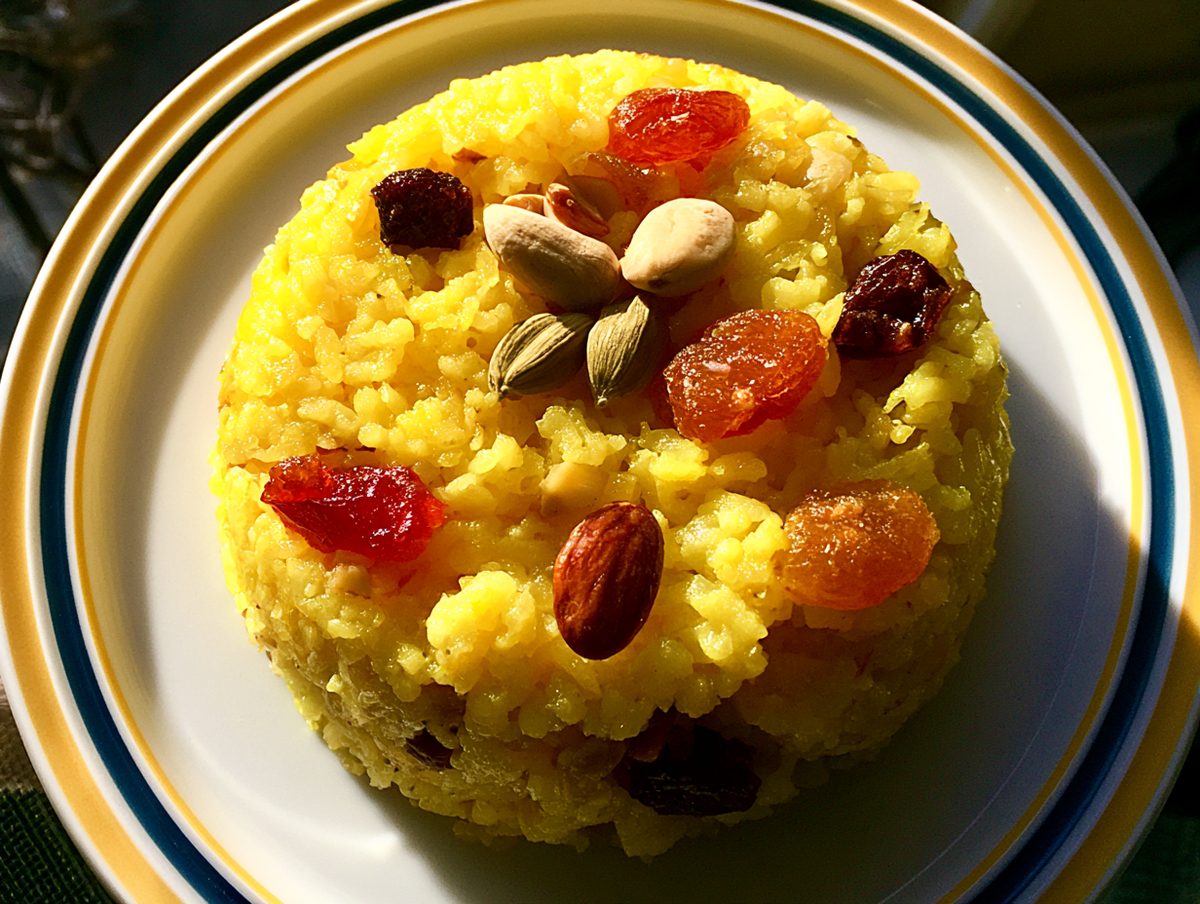
Zarda
Zarda: saffron-yellow sweet basmati layered with sugar, nuts, raisins and candied fruit and finished on dum — the Mughlai festive rice of Eid and weddings.
-
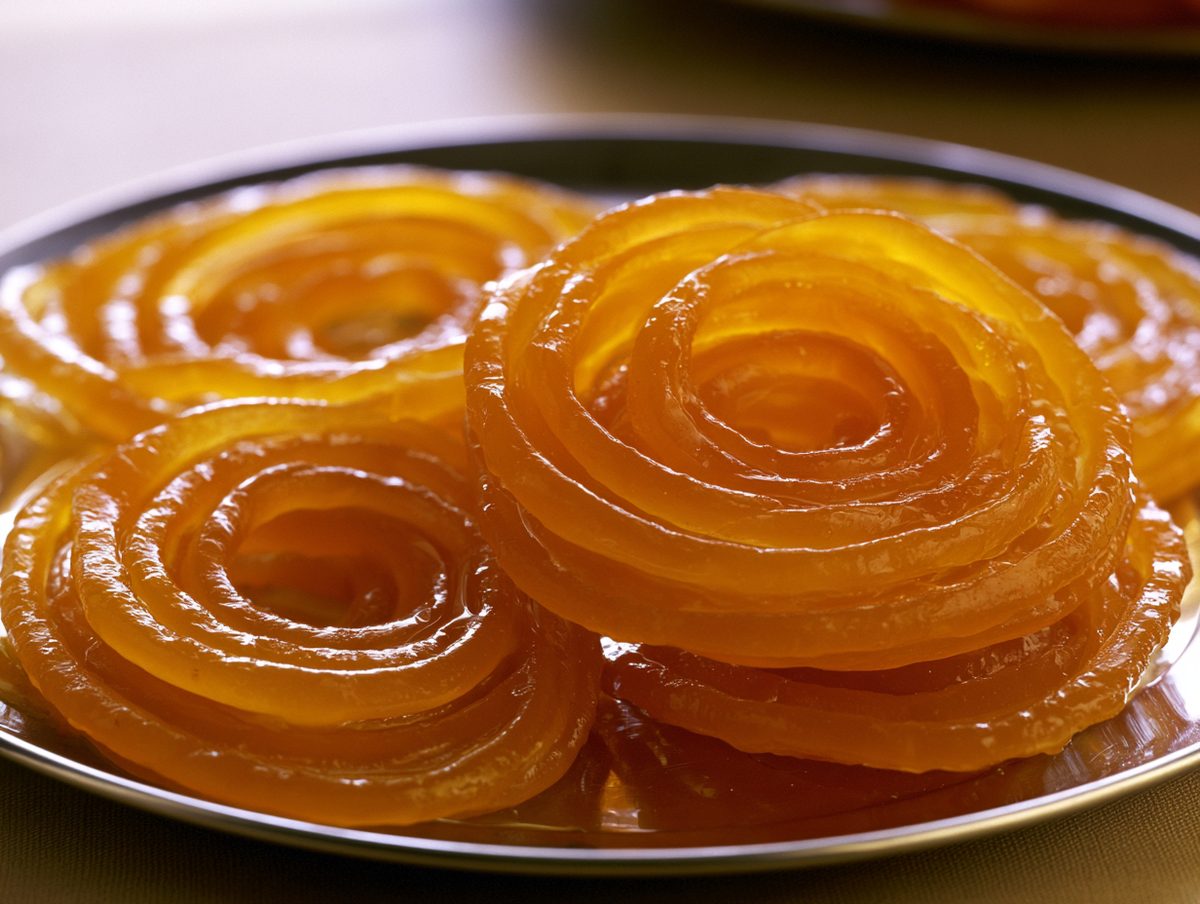
Jalebi
Jalebi: bright orange spirals of fermented batter fried crisp and soaked in warm saffron syrup — the North Indian street and festival sweet.
Drinks
-
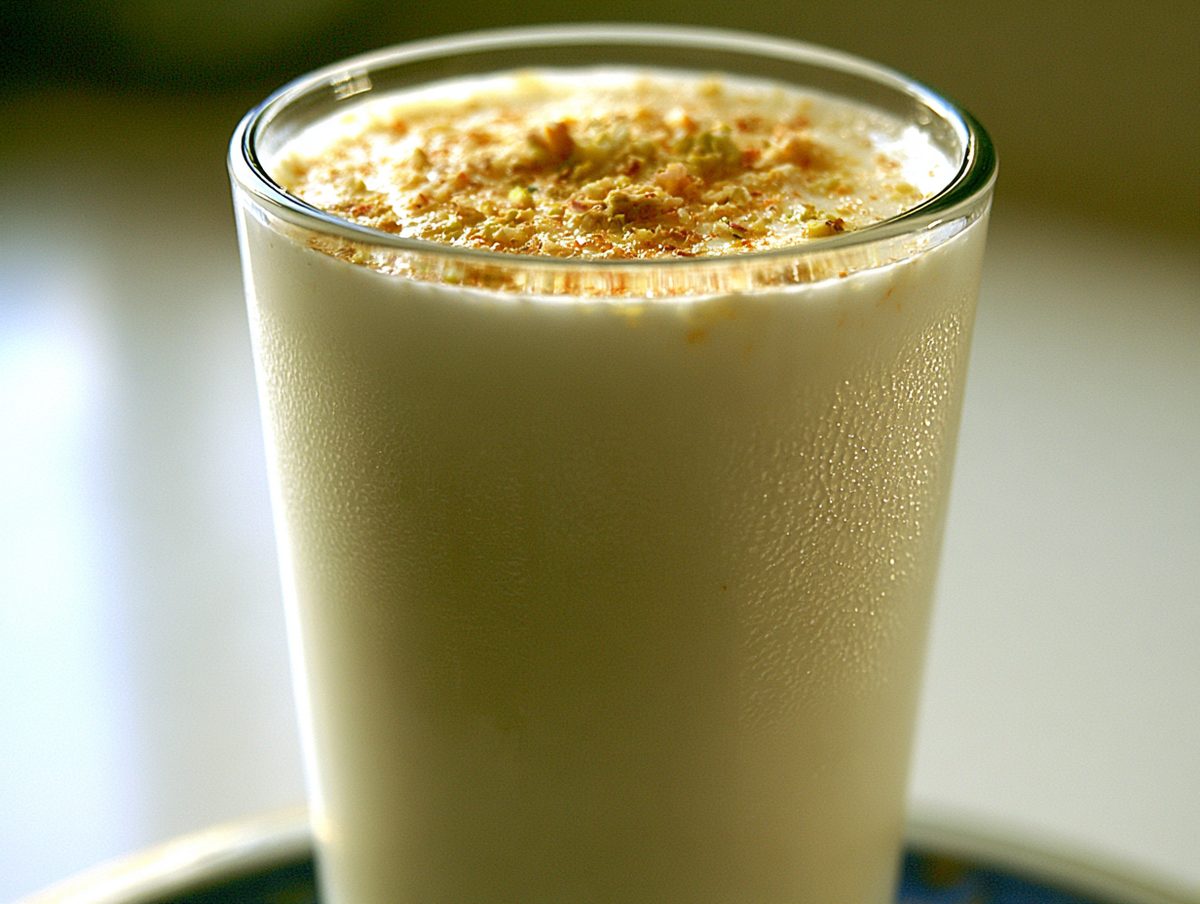
Sweet Lassi
Sweet lassi: thick full-fat dahi hand-churned frothy with sugar and cardamom, topped with malai and white butter — the Amritsari meethi lassi.
-
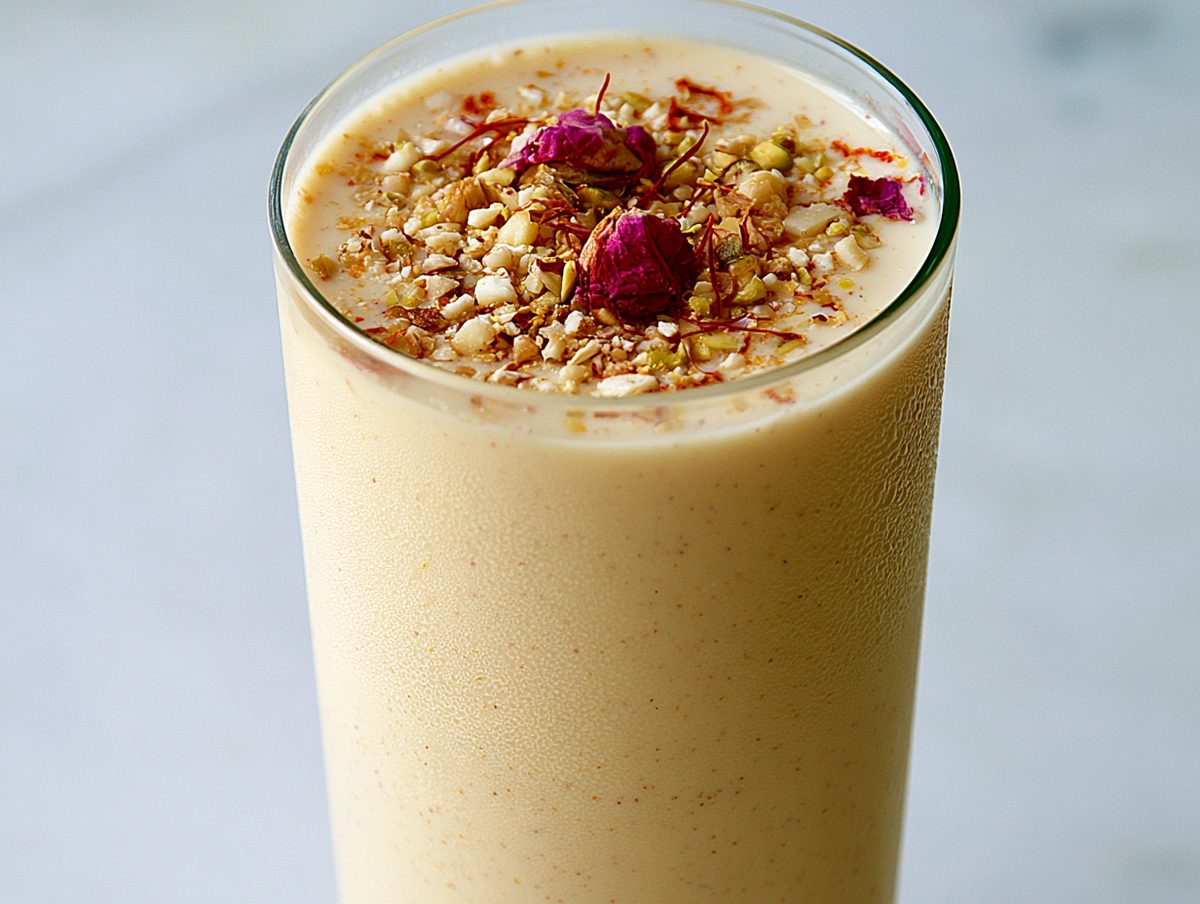
Thandai
Thandai: full-fat milk steeped with almonds, fennel, poppy and melon seeds, rose and saffron, then strained cold — the Holi drink of Delhi and Banaras.
Every dish in this atlas was found somewhere — a blog, a cookbook, a family. If there is a version that lives in your kitchen and nowhere else, it belongs here. Or if you think we are missing a dish that belongs, drop us a note using the link below.
Contribute →