Afghanistan and the Khyber cook from one larder. Lamb is the meat and its fat is the cooking medium. Bread comes out of the tandoor at every meal, rice is for guests, and raisins, carrots and pistachios go into the savoury food. Chilli is barely there. What seasons the table is cumin, coriander, black pepper and a bowl of garlic yoghurt with dried mint, and after the meal there is always green tea.
Why it cooks as one zone
The border between Afghanistan and Pakistan runs through the middle of this kitchen and changes nothing about it. Pashtun families on both sides grill the same salted lamb, fry the same flat chapli kebab and argue over which side of the Khyber invented it. Peshawar’s grill houses and Kabul’s kebab stalls are the same idea a day’s drive apart.
The zone sits where three cooking traditions met on the caravan roads. From Central Asia came the dumplings: mantu, steamed around raw minced lamb, belongs to a family that runs from Turkey to Mongolia. The rice is cooked the Persian way, parboiled and then steamed in stock under a cloth-wrapped lid until every grain stands apart. From the subcontinent came the karahi. The Silk Road stopped here, and the kitchen kept a little of everything it carried.
Restraint holds it together. A Shinwari karahi is lamb, salt, black pepper and green chilli and nothing else. Namak Mandi lamb is threaded between cubes of fat and seasoned with salt alone. Where sweetness enters a savoury dish it comes from fruit: carrot and raisin on kabuli pulao, sour cherry in a qorma, candied bitter orange on a wedding rice.
Dairy does the work that spice does elsewhere. Yoghurt is strained thick into chaka, or dried hard into qurut for winter, and turned into the garlic and mint sauce that dresses mantu, aushak, borani and half the table. The sweets lean on milk too: firnee set with cornflour, sheer yakh churned over ice, sheer pira cut into diamonds, all scented with cardamom and served with tea.
The pantry
The ingredients that make a dish belong to the Silk Road Table:
- Chaka and qurut. Yoghurt strained thick, and yoghurt dried hard to keep through winter. Garlic, salt and dried mint turn either one into the sauce that goes under dumplings and borani.
- Dried mint. Rubbed between the palms over yoghurt, soup and doogh, and used far more often than fresh.
- Lamb fat. Ghee or rendered tail fat, dumba in Pashto, is what karahi and chapli kebab are cooked in, and why both taste of lamb first.
- Gandana. A flat-leaved allium somewhere between a leek and a chive, the green in aushak and bolani. Abroad, spring onion, leek and garlic chives stand in.
- Kishmish. Long Afghan raisins, dark or green, in pulao, in haft mewa, and on the plate beside fresh cheese.
- Pistachios and almonds. Slivered over rice and milk puddings, ground into the green dust on gosh-e-fil and kulcha.
- Sella basmati. Parboiled basmati that survives a second steaming whole, which is what a palaw needs.
- Green tea and green cardamom. Qehwa after every meal; boiled dark and turned pink with milk for qymaq chai on occasions.
- Anardana. Dried pomegranate seed, the sour crunch in a Peshawar chapli kebab.
Where to find it
Most of this zone cooks from a supermarket and a good butcher. The rest is at an Afghan, Iranian or South Asian grocer.
In the UK, the Afghan grocers of Southall, Hounslow and Ilford carry kishmish, qurut and gandana when it is in. An Iranian grocer covers qurut as kashk, along with dried bitter orange peel and dried sour cherries. Any halal butcher will cut lamb on the bone for karahi and pulao, and most can find tail fat if asked; lamb dripping or ghee does the same job. South Asian grocers sell sella basmati, anardana, black cardamom and moong dal. For aushak, garlic chives and wonton wrappers come from Wing Yip or See Woo.
In the US, Afghan grocers in Northern Virginia, Fremont and Queens are the reliable source for gandana and qurut. Persian grocers carry kashk, dried bitter orange peel and Sadaf aush noodles. Patel Brothers covers sella basmati, anardana and moong dal, H Mart has garlic chives and wonton wrappers, and a halal butcher handles the lamb.
Two things are worth knowing before you start. Supermarket yoghurt is far milder than the yoghurt of an Afghan home, so several of these recipes add lemon to bring the sharpness back; taste and add more if it needs it. And rice here is judged on separate grains: drain parboiled rice while the centre is still firm, because it finishes cooking in the stock.
The recipes
Thirty-nine Silk Road Table recipes are live: the everyday cooking of Kabul, Herat and the Khyber, the rices and dumplings that mark Eid and a wedding, the kebabs and street snacks of Peshawar and Kabul, the milk sweets and Nowruz dishes, and the teas that close every meal.
Everyday & Weeknight
-
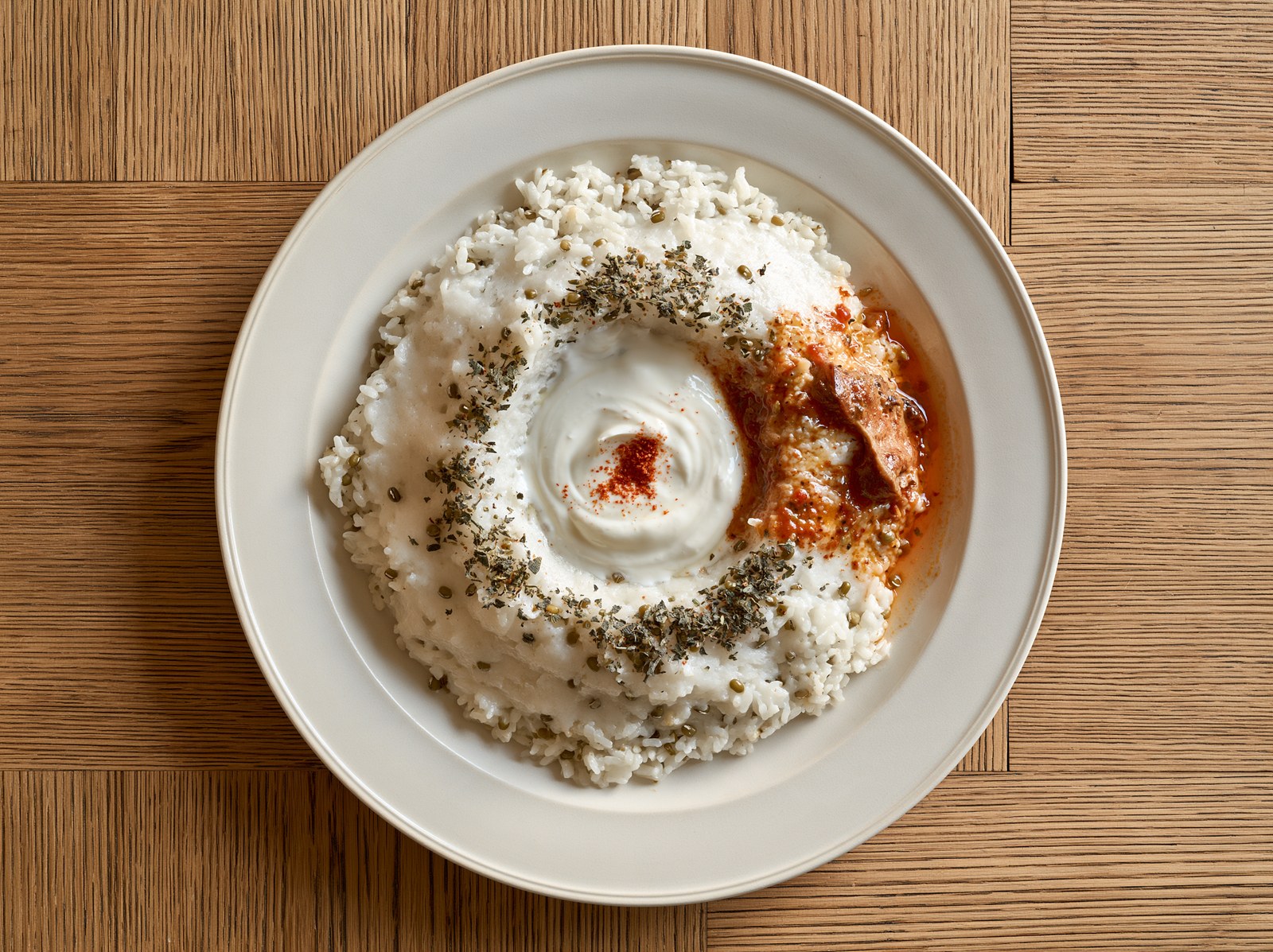
Kichiri Quroot
Kichiri quroot: short-grain rice and mung beans cooked soft and sticky, mounded around a well of garlic yoghurt with dried mint, served with Afghan meatballs.
-
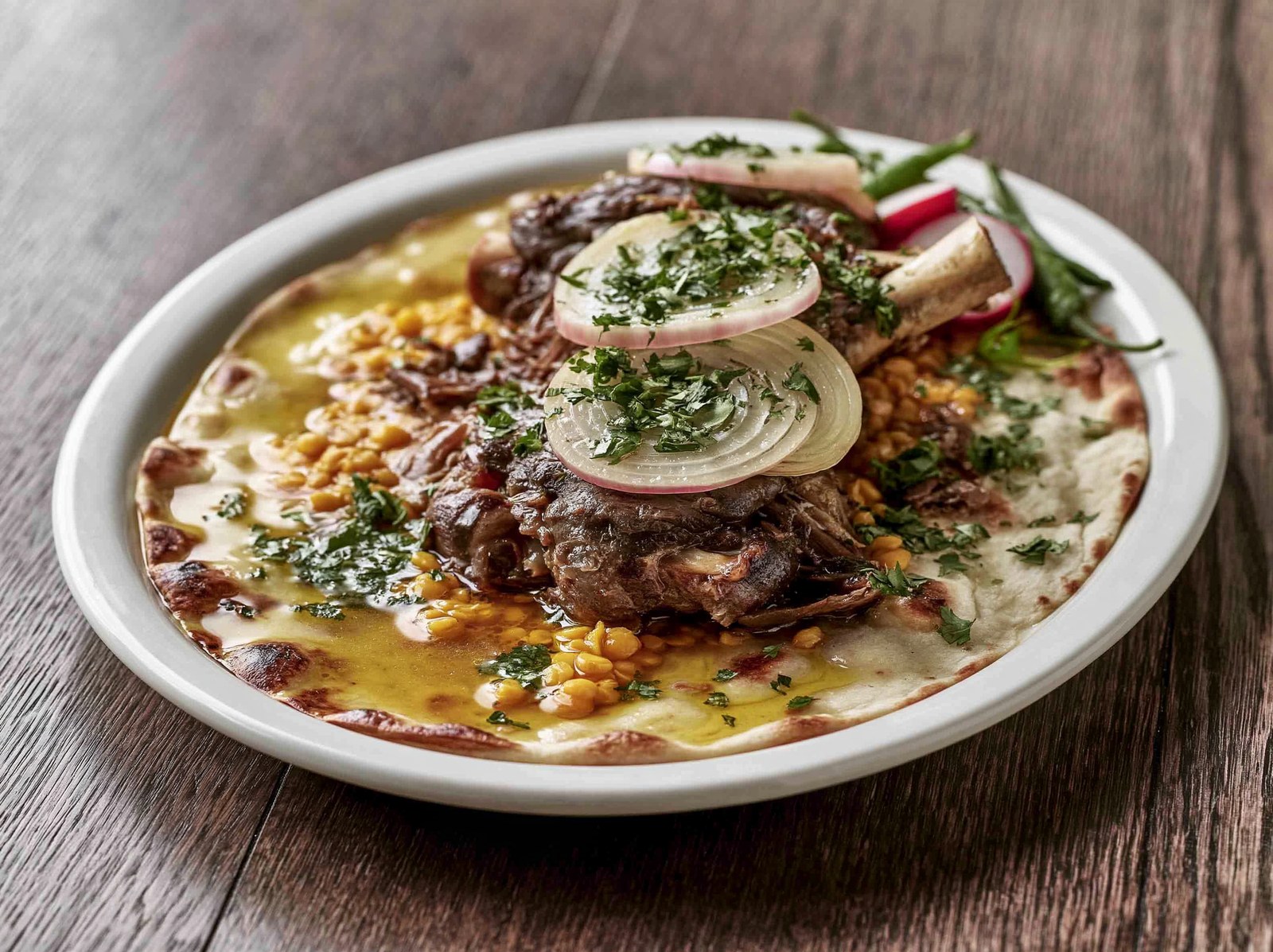
Dopiaza
Afghan do piyaza: lamb shanks simmered with onion, turmeric and coriander, finished with split peas and vinegar onions, ladled over flatbread. UK and US notes.
-
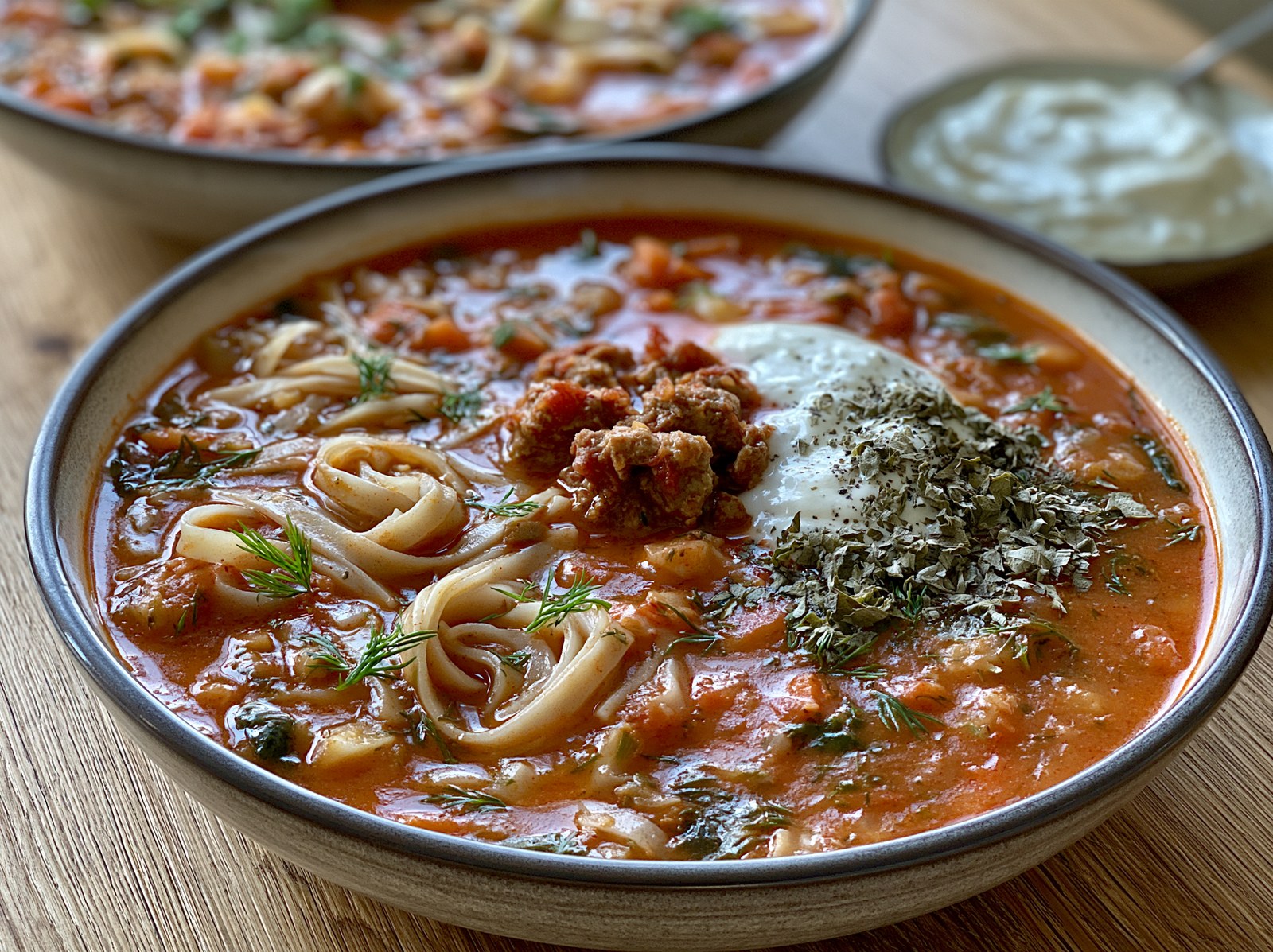
Aush
Aush, the Afghan cold-weather noodle soup: noodles cooked in a vegetable broth, topped with spiced lamb and beef sauce and sharp garlic yoghurt with mint.
-
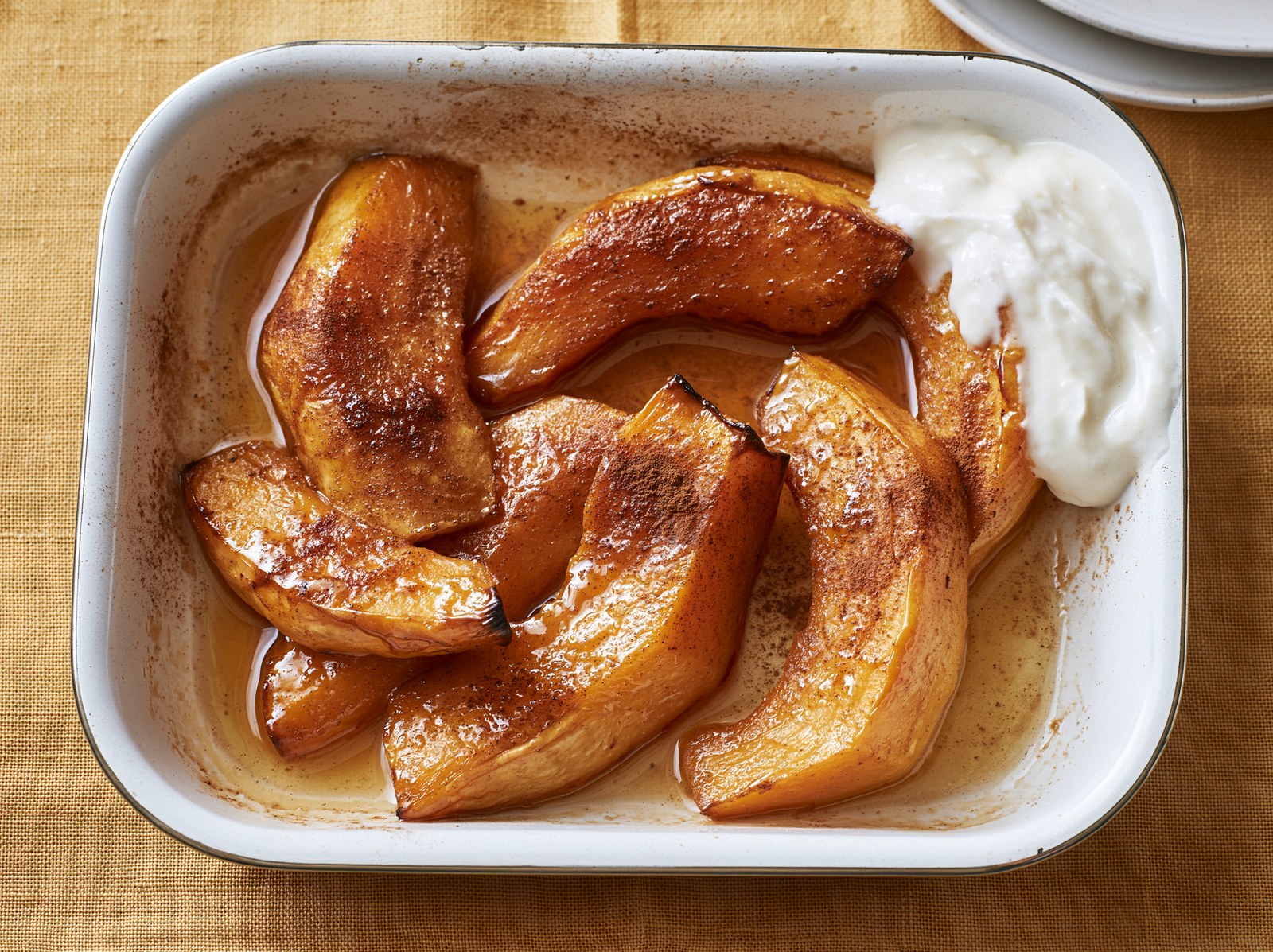
Kadu Borani
Kadu borani: pumpkin wedges fried, then baked soft under sugar and cinnamon and served warm on garlic yoghurt. The sweet member of the Afghan borani family.
-
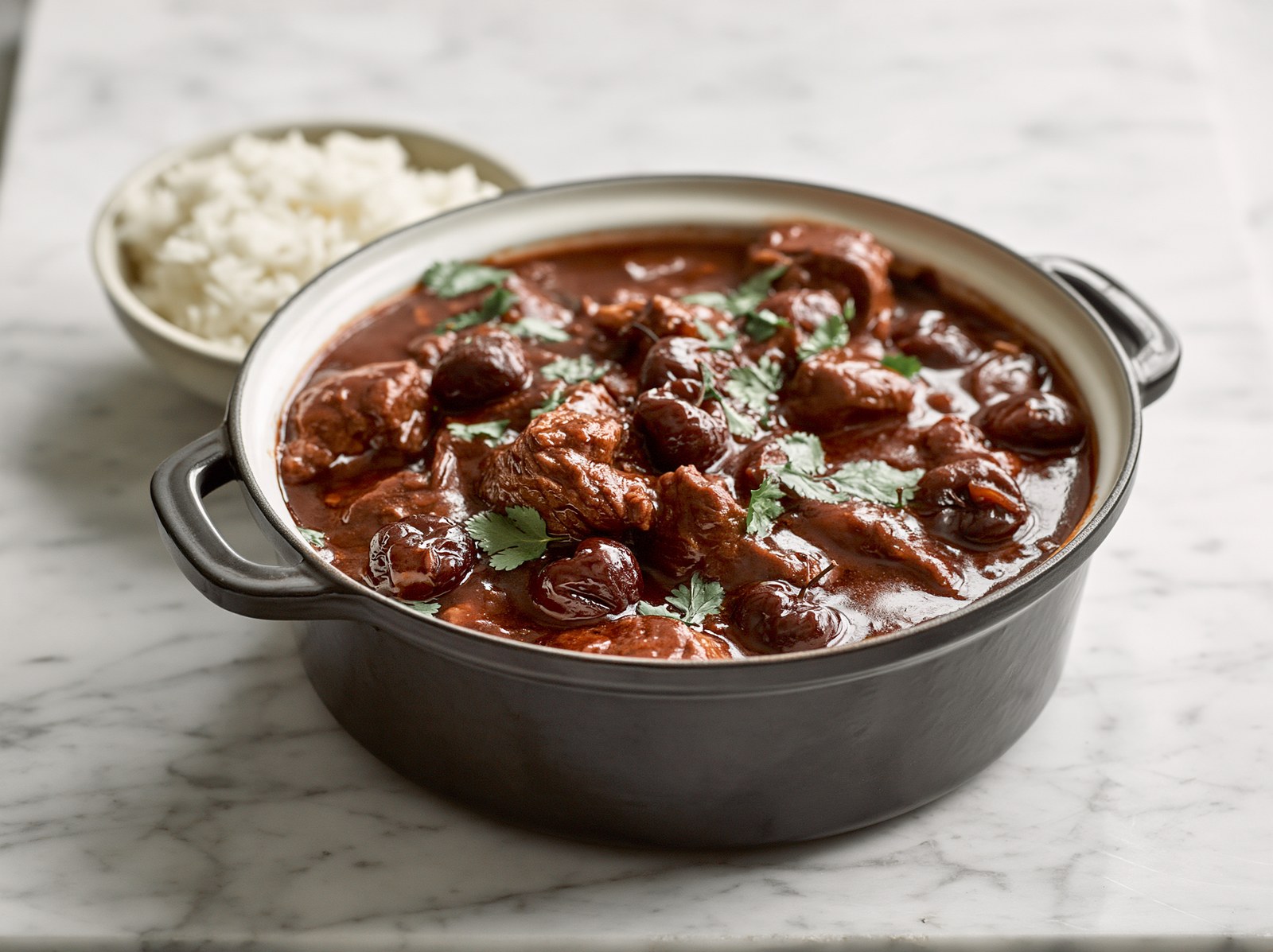
Qorma-e-Alu Balu
Qorma-e-alu balu, the Afghan cherry-season qorma: lamb braised with onion and coriander, finished with sour cherries and fresh coriander. UK and US notes.
-
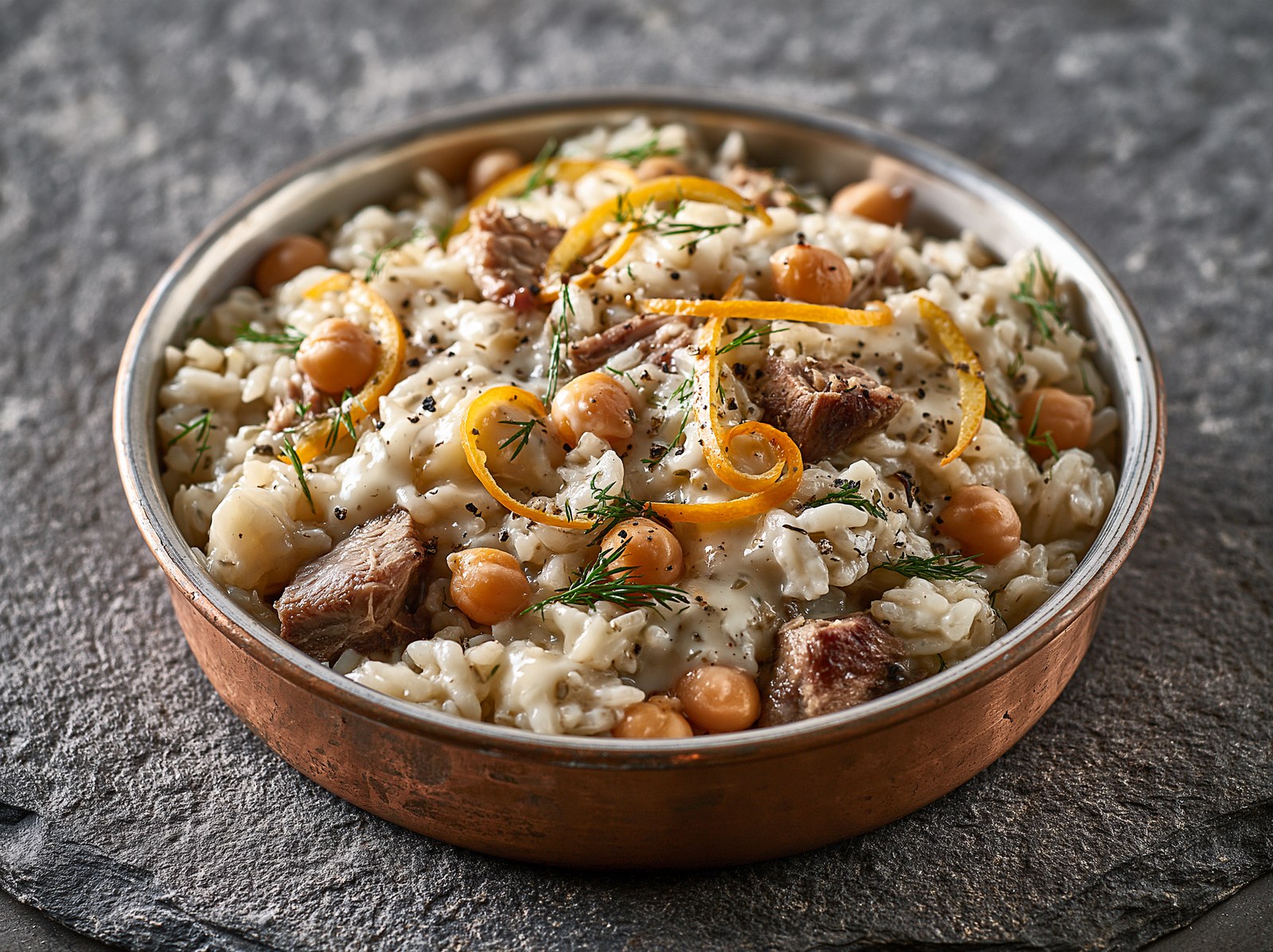
Mastawa
Mastawa, the Afghan winter rice: short-grain rice cooked in lamb broth with chickpeas, bitter orange peel, yoghurt, garlic and dill. UK and US notes.
-
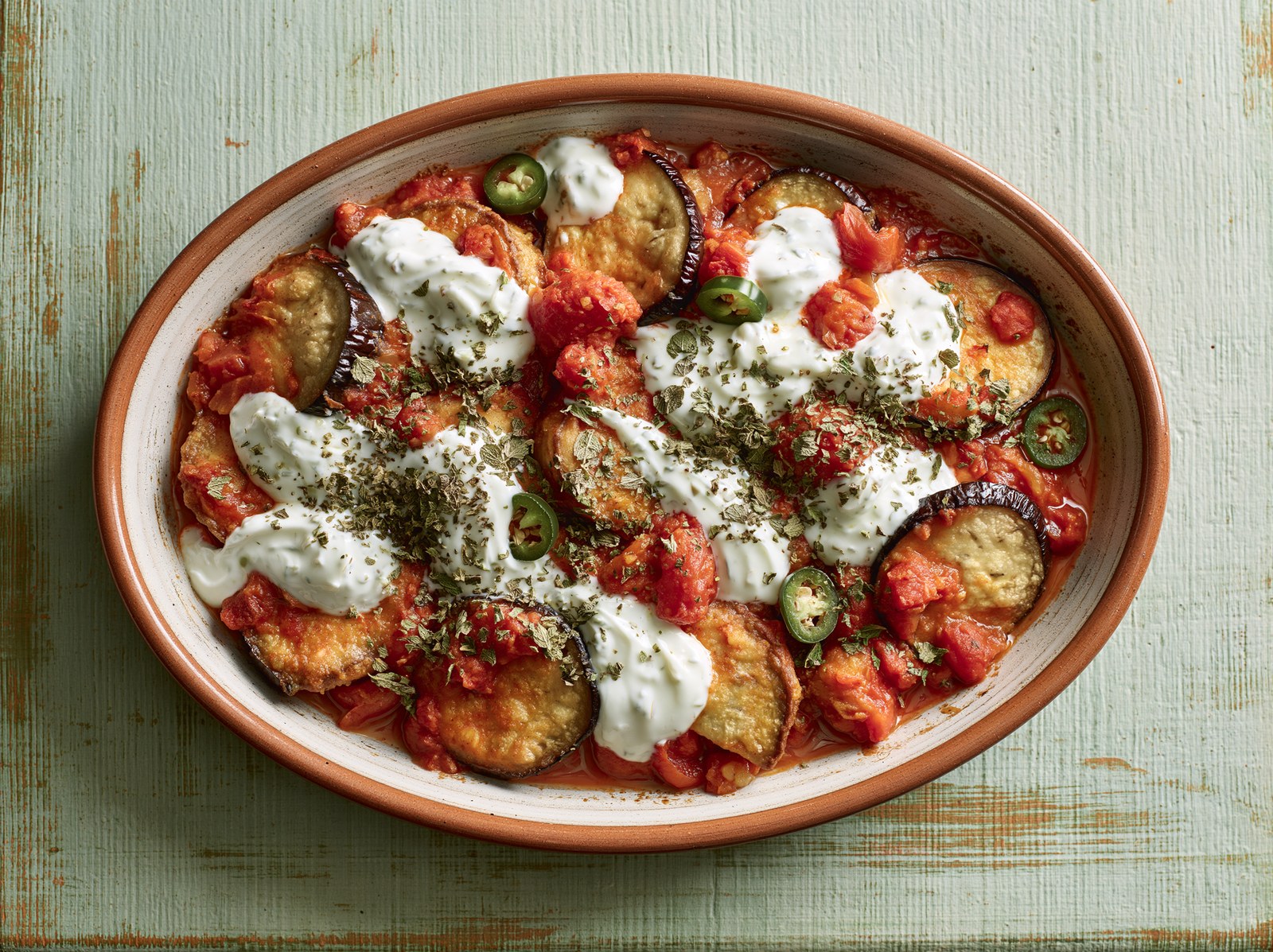
Borani Banjan
Borani banjan: salted, fried aubergine baked between layers of turmeric tomato, served warm on garlic yoghurt with dried mint. UK and US notes.
-
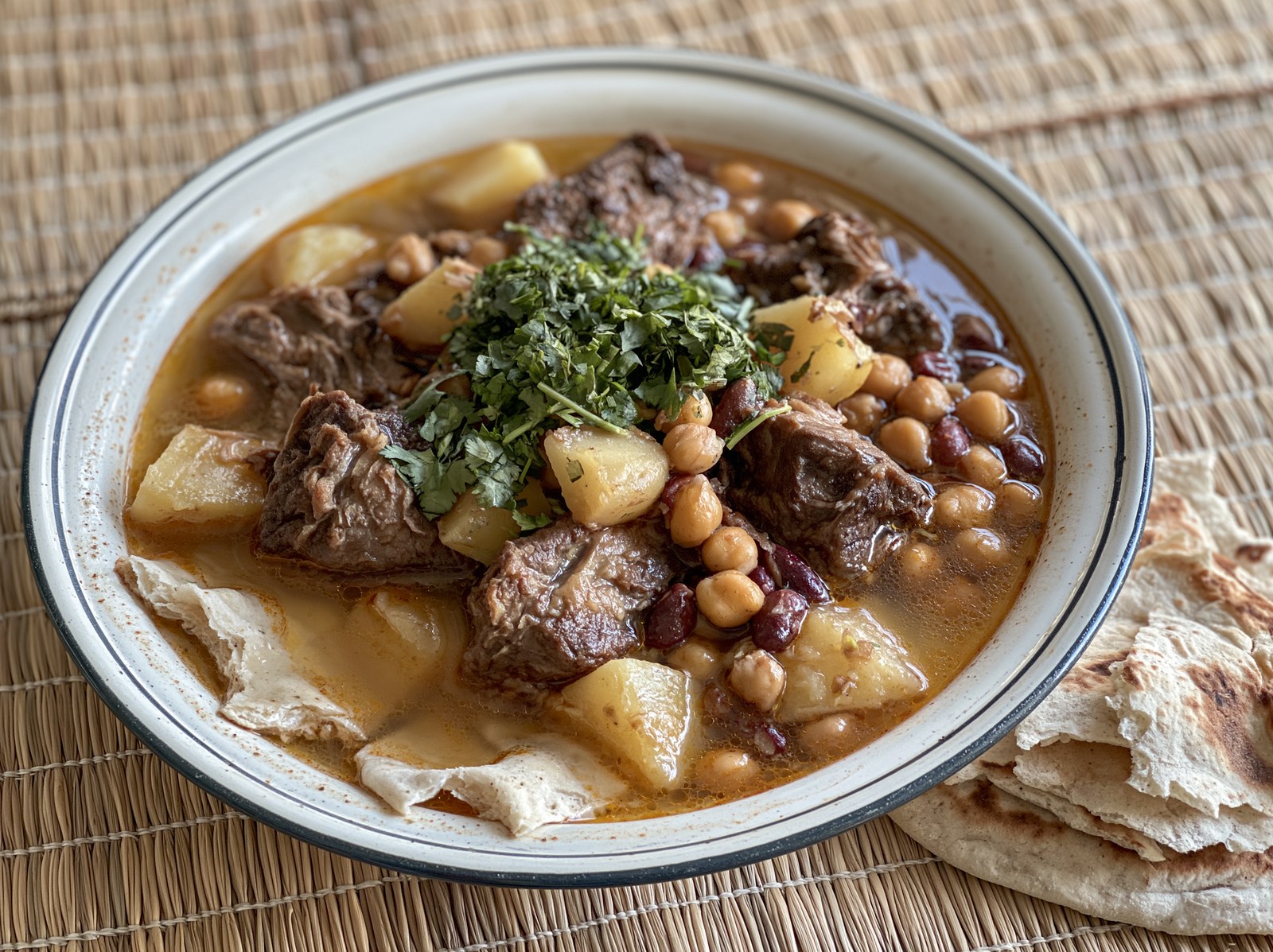
Shorwa
Afghan shorwa, the everyday soup of beef, tomato, turmeric and coriander with chickpeas, kidney beans and potato. Eaten Ghazni-style, with naan torn into the bowl.
-
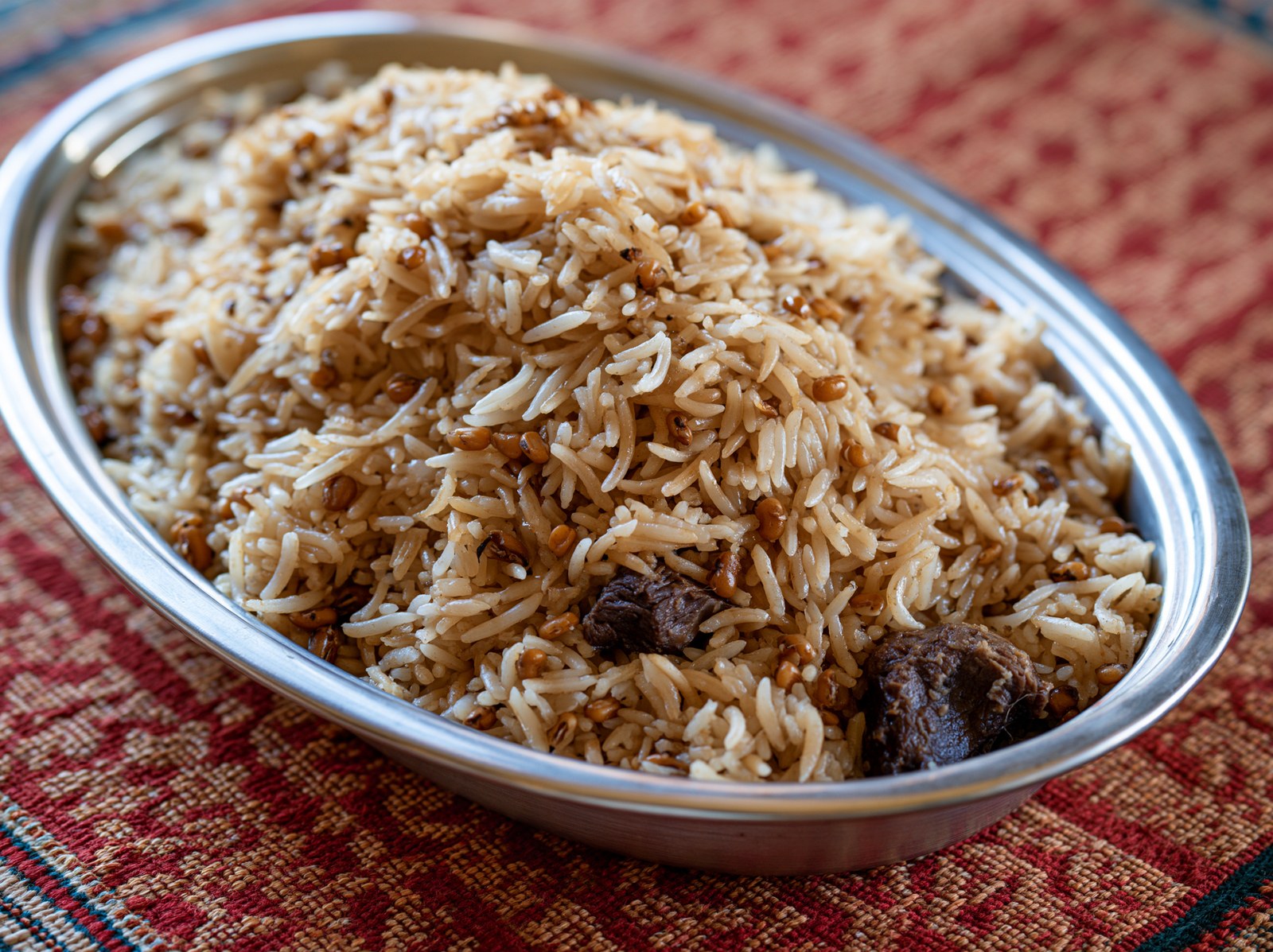
Kichiri Herati
Herati kichiri: fried mung dal and basmati cooked in a beef broth darkened with onion, black cardamom and cumin, piled over the braised beef. UK and US notes.
-
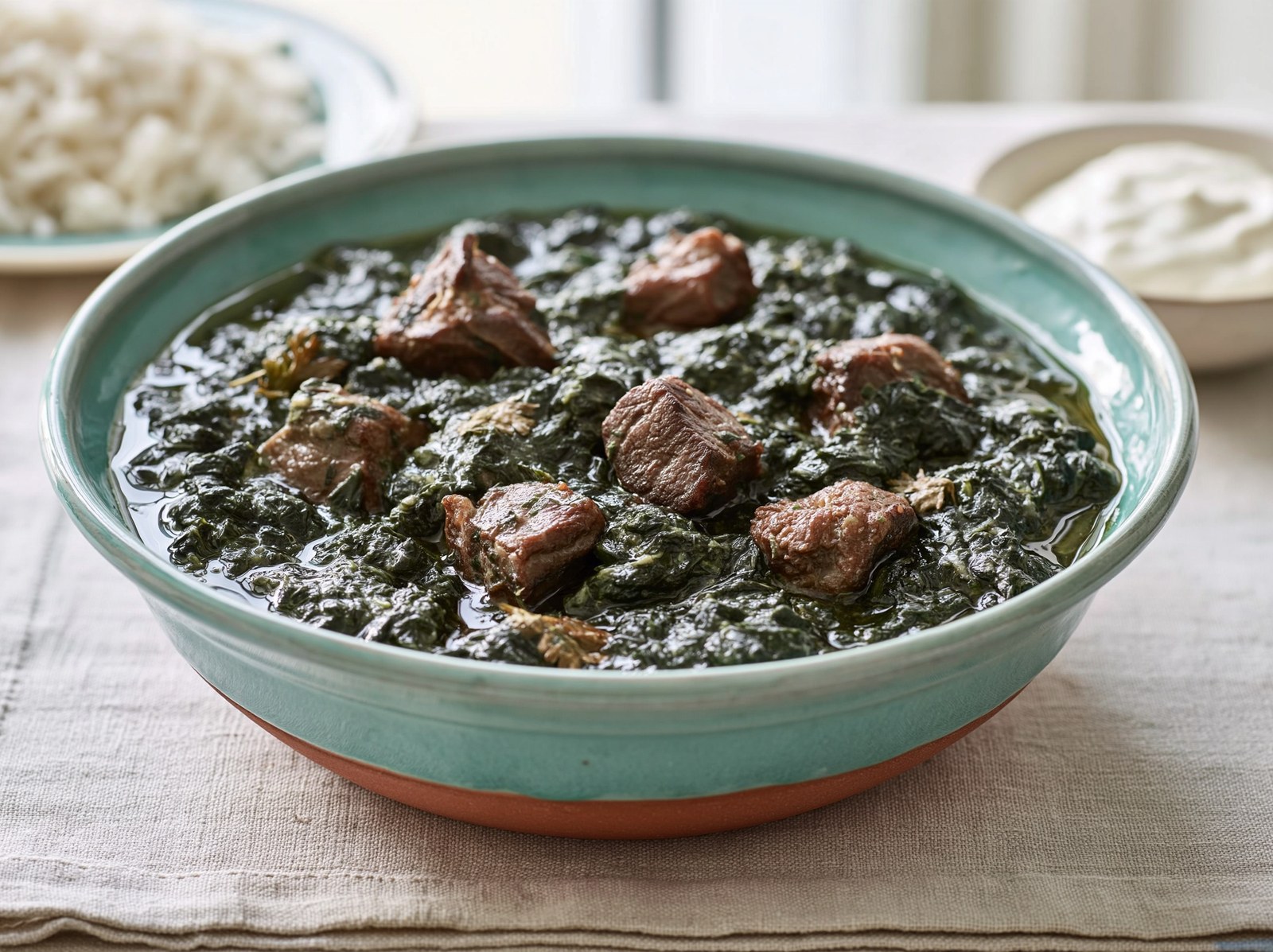
Qorma-e-Sabzi
Qorma-e-sabzi, the Afghan lamb and spinach qorma served at Nowruz: spinach cooked down dark and dense, lamb, coriander and garlic chives. UK and US swaps.
-
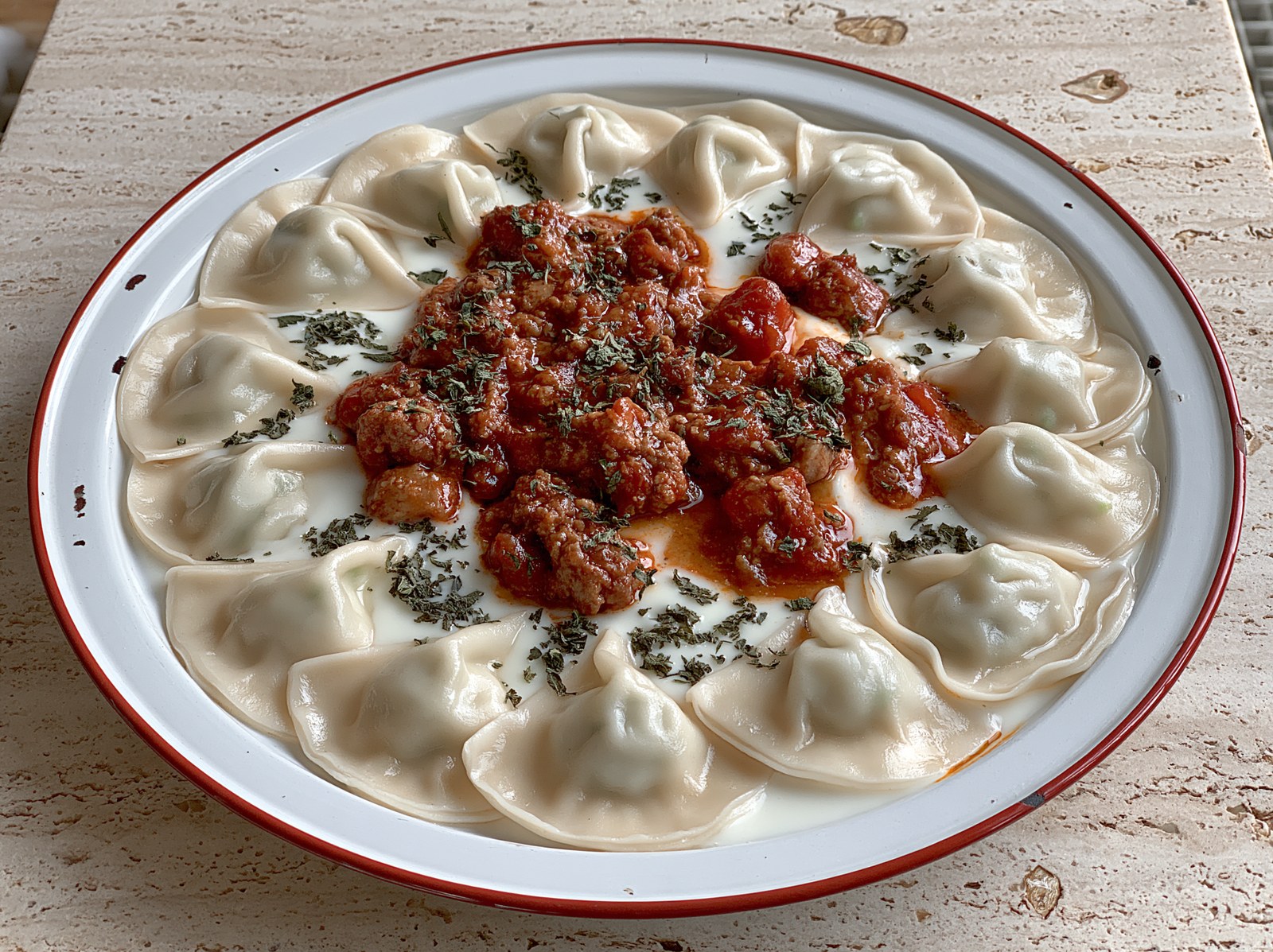
Aushak
Aushak, Afghanistan’s boiled green-filled dumplings, laid on garlic yoghurt under a lamb and tomato sauce with dried mint. UK and US swaps for gandana.
-
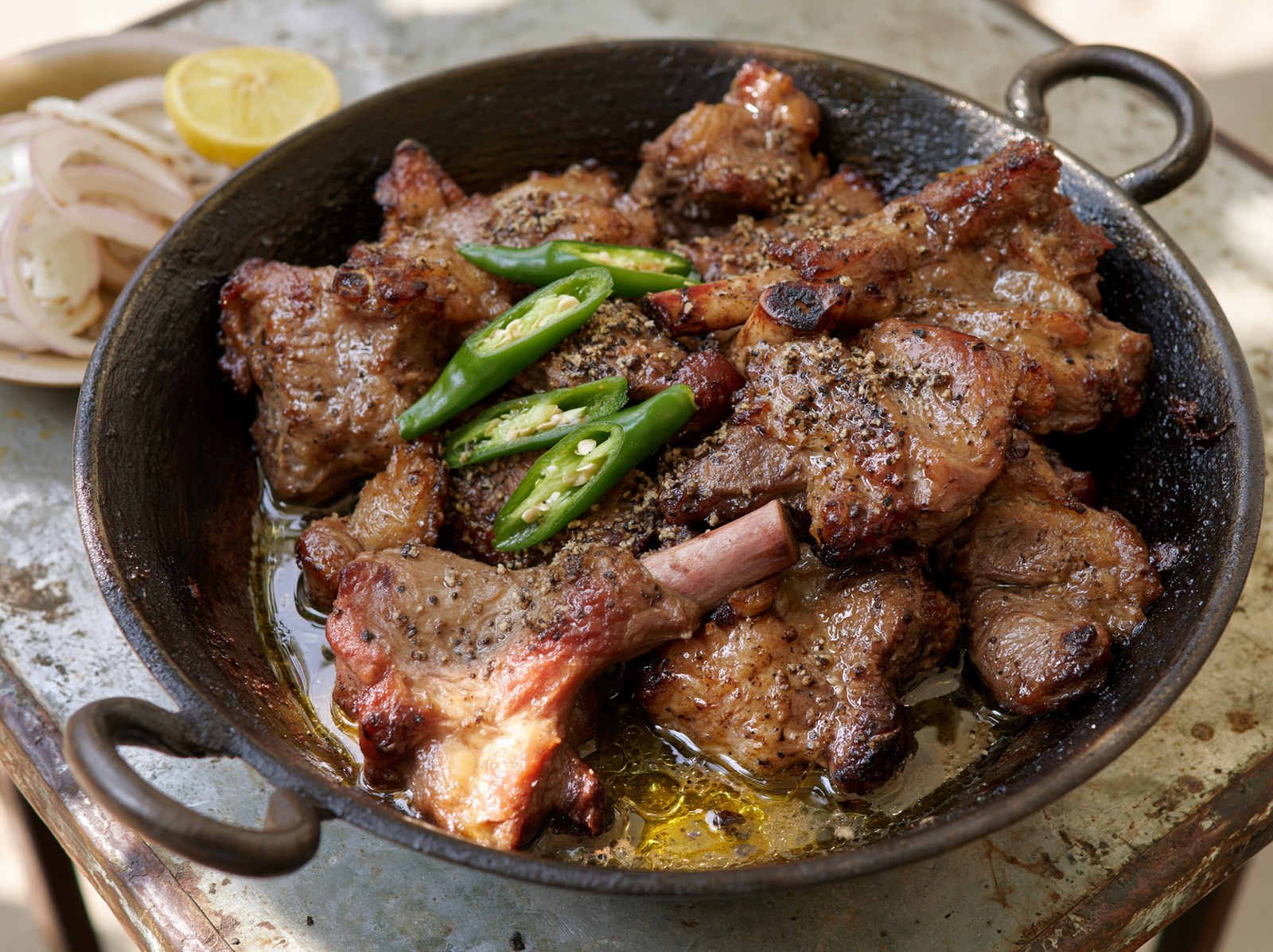
Shinwari Karahi
Shinwari karahi from the Khyber: lamb cooked in its own juices in ghee or tail fat, seasoned with salt, black pepper and green chilli. No onion, no ground spice.
-
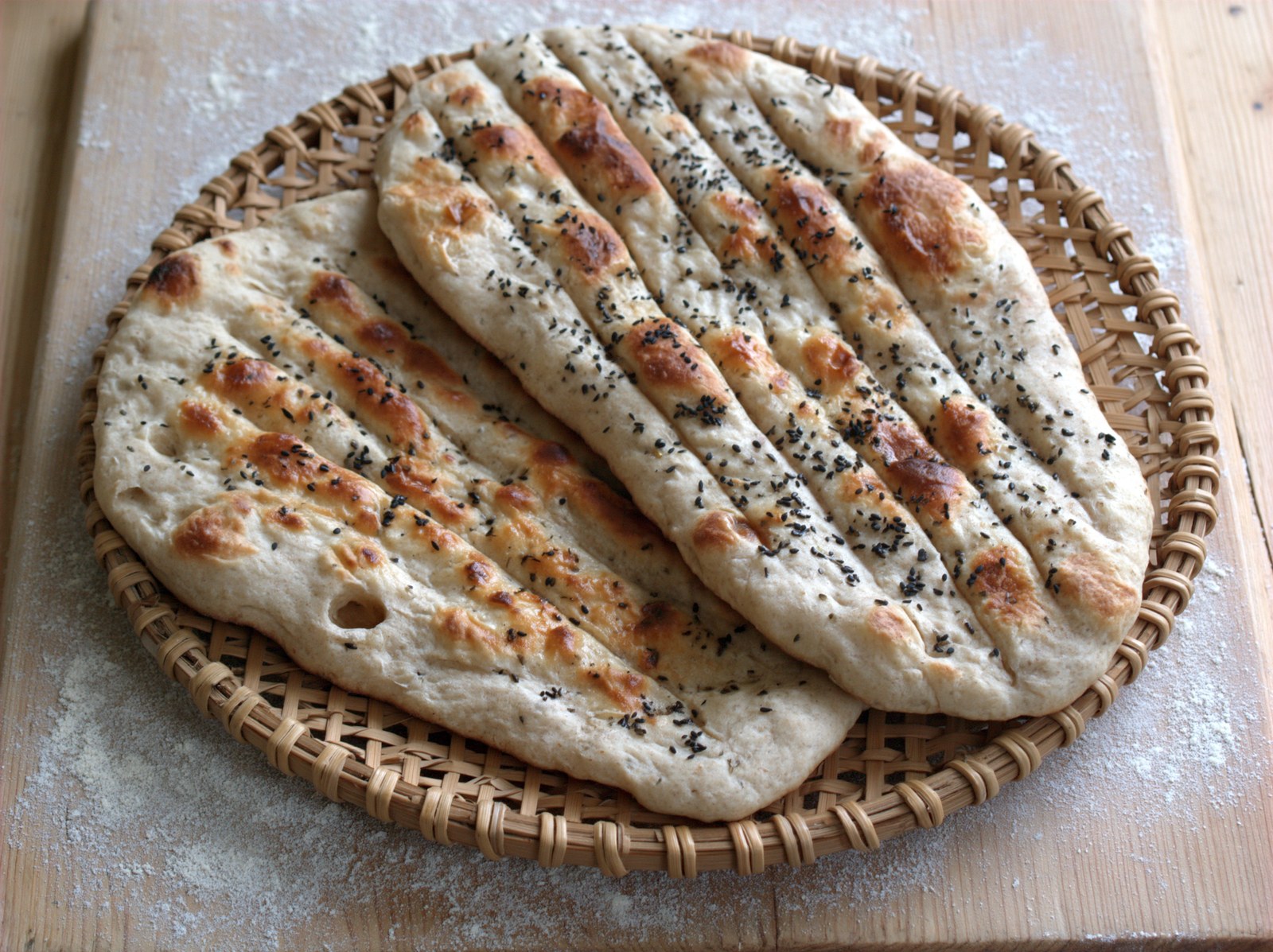
Naan-e-Afghani
Naan-e-Afghani, the long wholemeal bread of the Afghan table: a slow sponge, fingertip grooves and nigella, baked fast on a hot stone. UK and US notes.
Celebration & Occasion
-
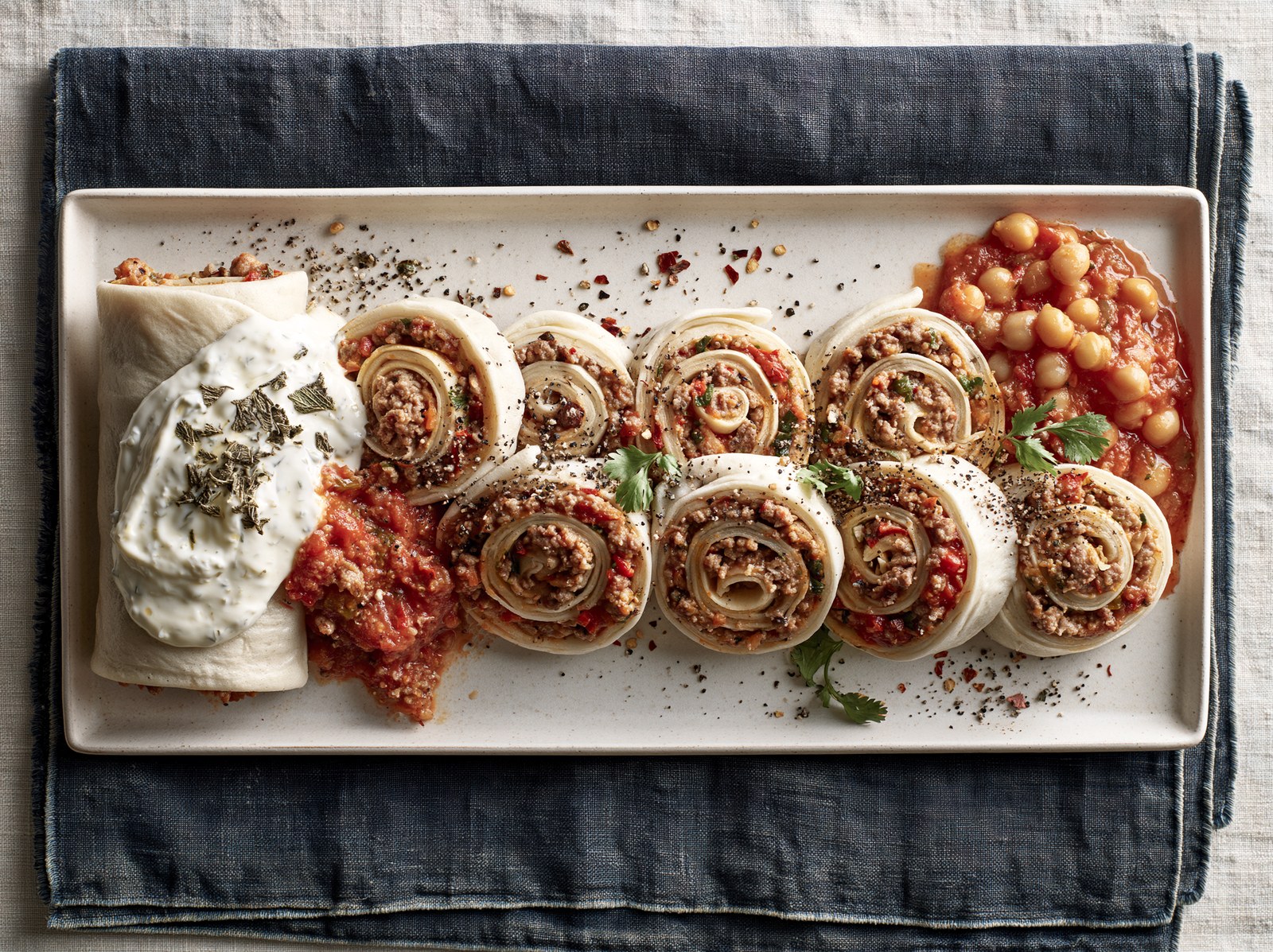
Aay Khanum
Aay khanum: thin egg dough rolled around spiced beef, peppers and coriander, steamed and served with garlic-mint yoghurt and a tomato chickpea sauce.
-
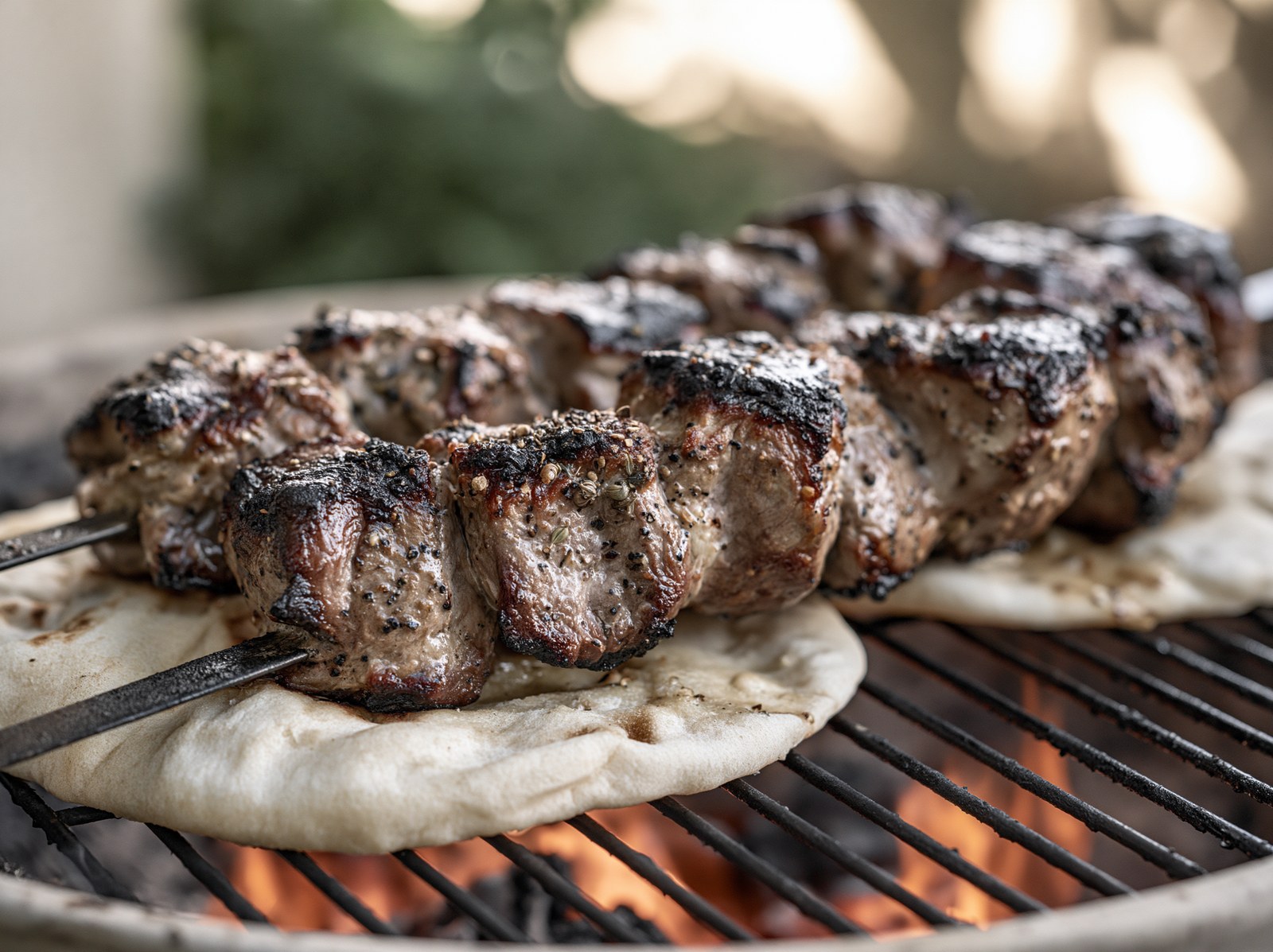
Kebab-e-Sikhi
Kebab-e-sikhi, the Afghan lamb skewers of Eid al-Adha: lamb marinated overnight in strained onion, chilli and garlic juice with coriander seed, grilled over charcoal.
-
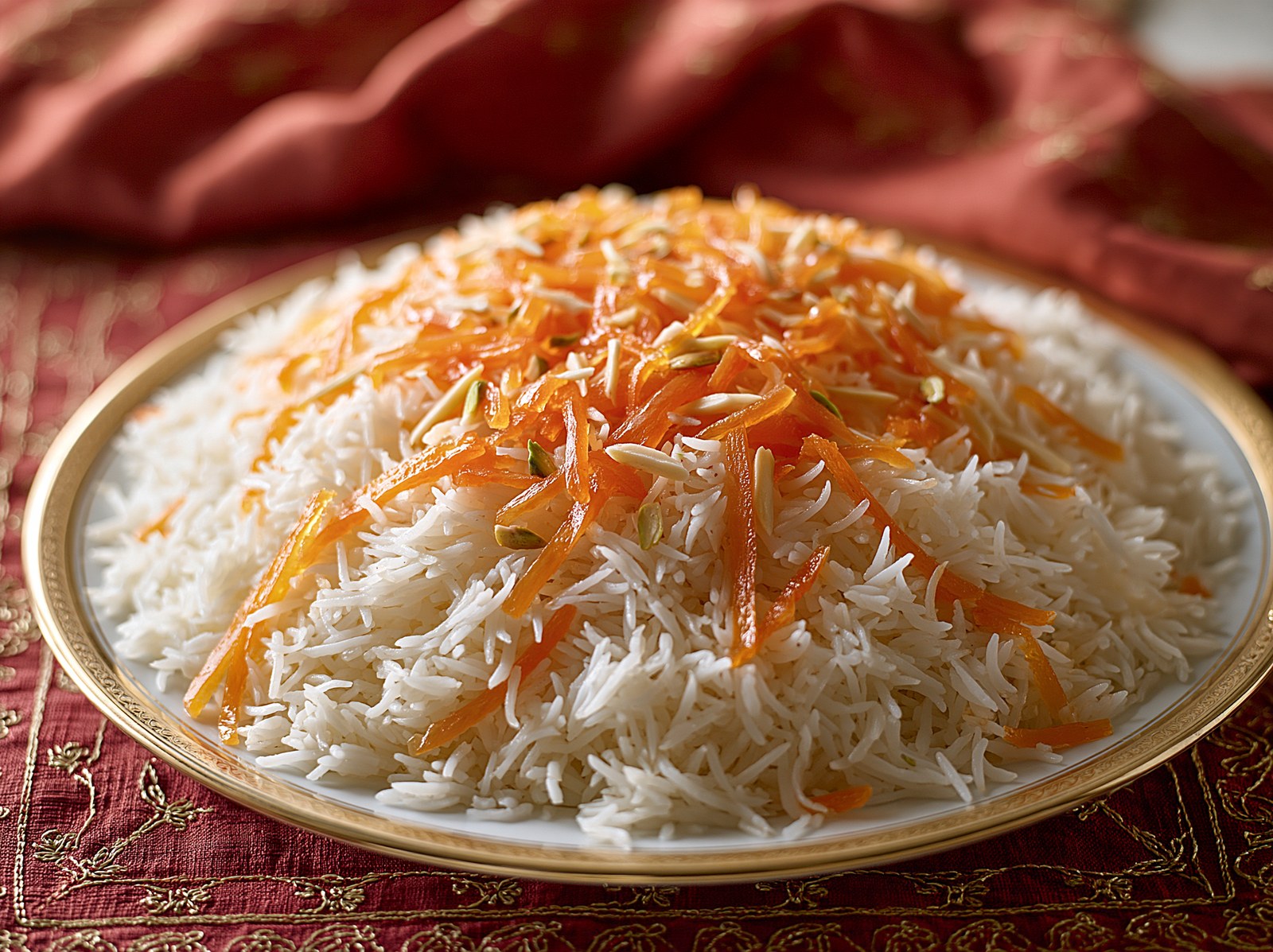
Narenj Palau
Narenj palau, the Afghan wedding rice: candied orange peel with saffron, pistachios, almonds and cardamom, steamed over basmati. UK and US notes.
-
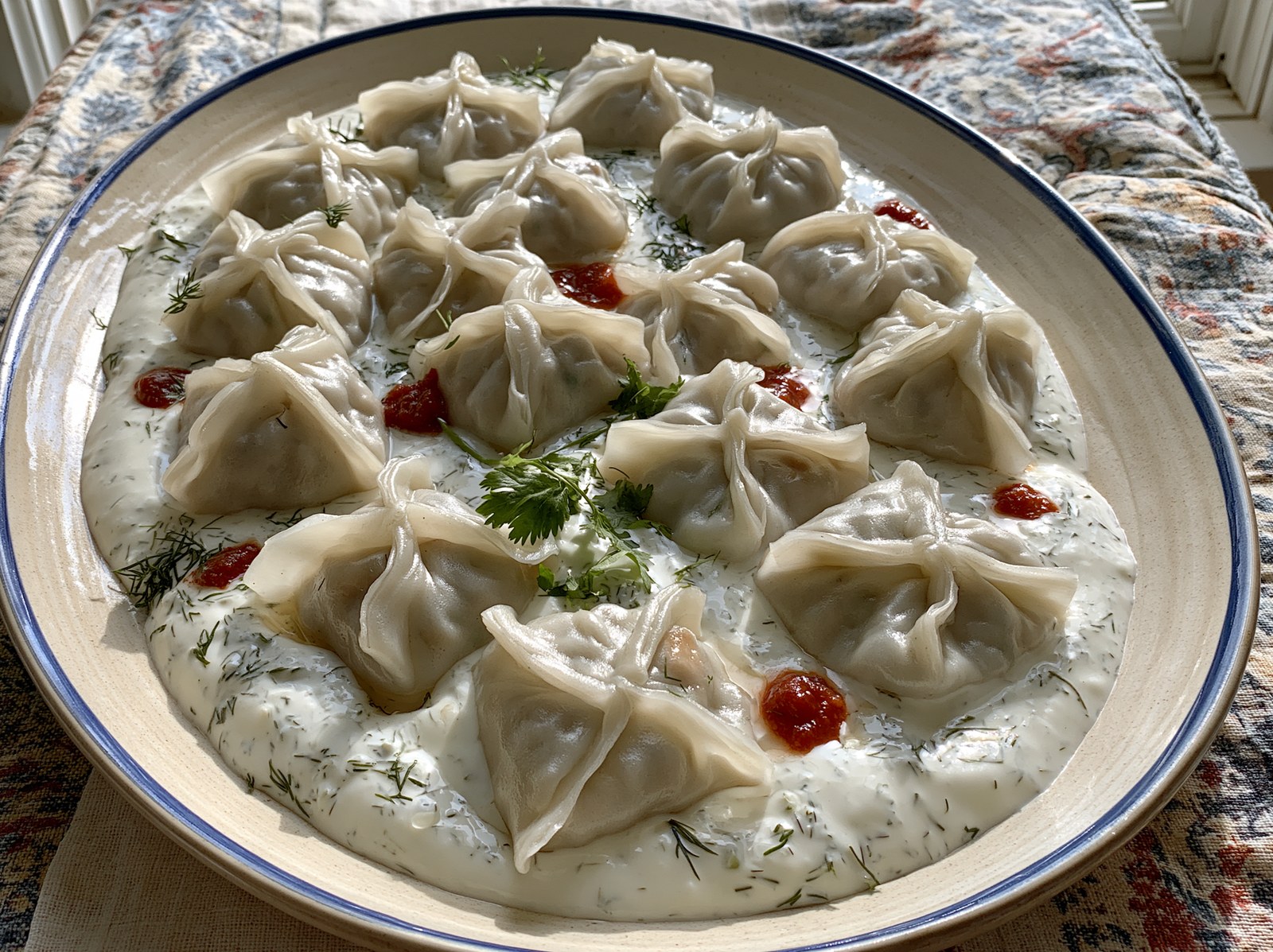
Mantu
Afghan mantu: raw lamb and onion dumplings steamed in hand-rolled dough, laid on lemon and garlic yoghurt under a sharp tomato sauce. UK and US swaps.
-
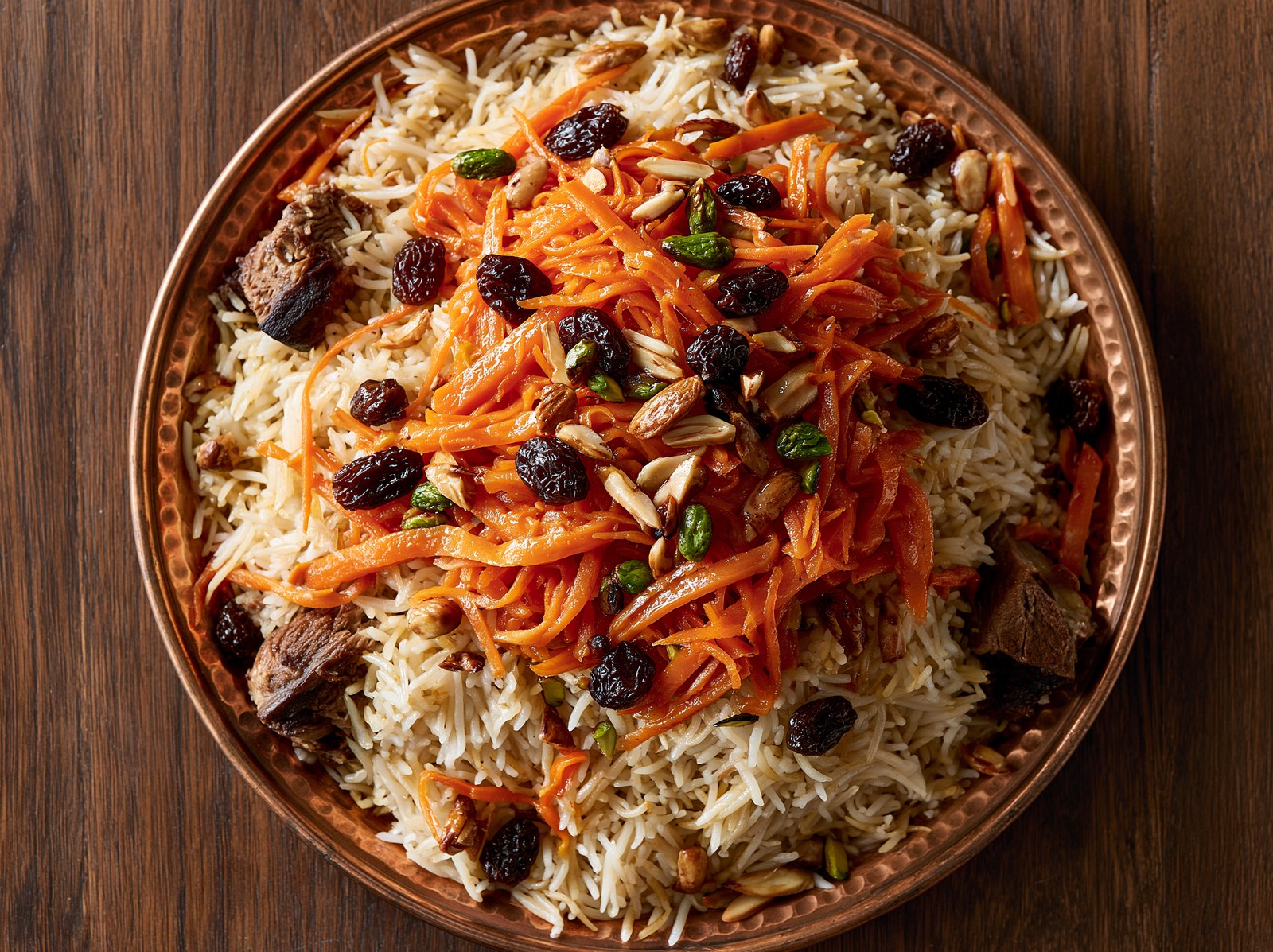
Kabuli Pulao
Kabuli pulao, Afghanistan’s national rice: lamb stock, sella basmati, cumin and cardamom, finished with fried carrot, raisins and pistachio. UK and US swaps.
Street Food & Snacks
-
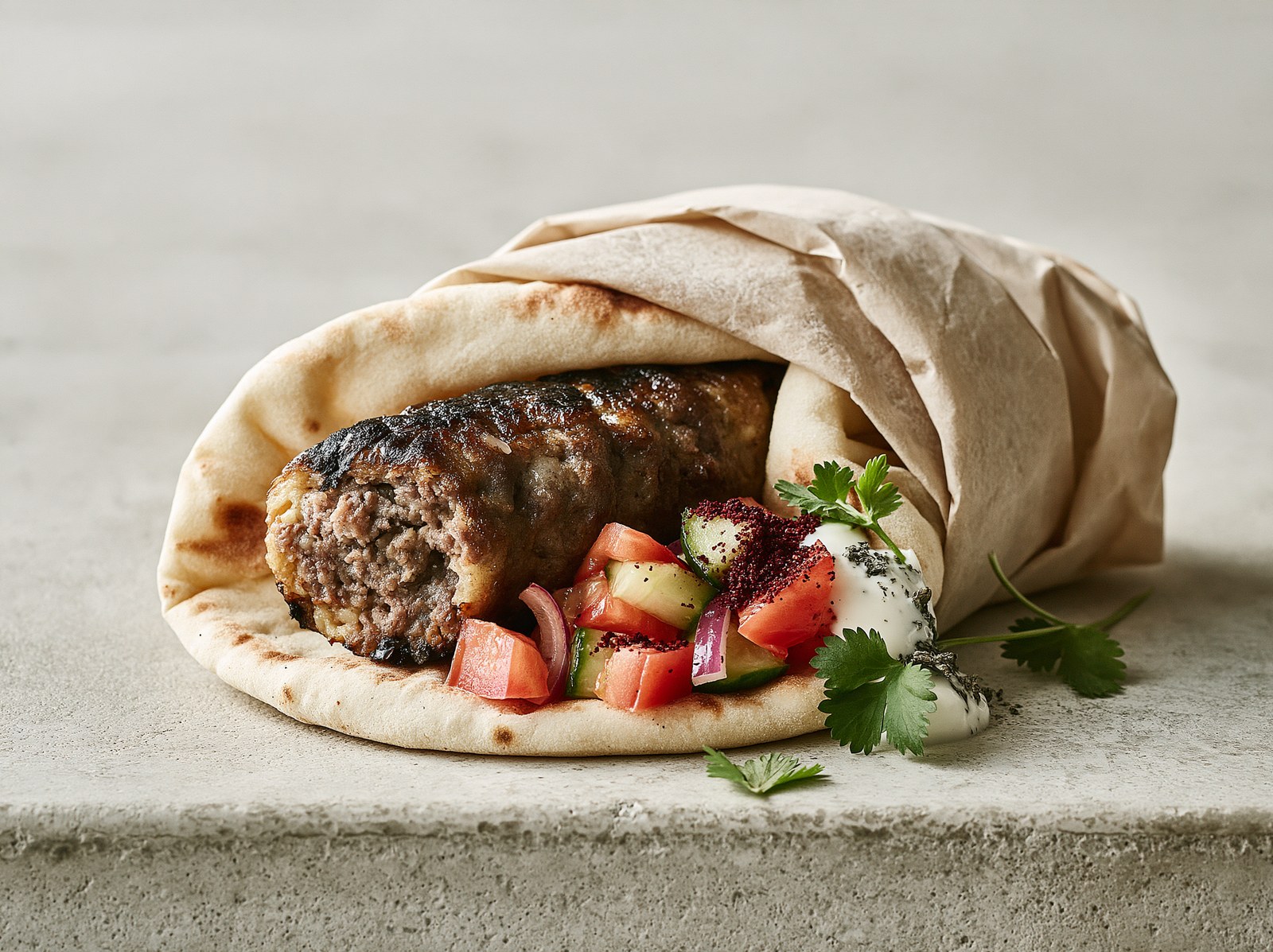
Shami Kebab
Afghan shami kebab: lamb mince blended with potato, egg and gram flour, shaped long and grilled over coals, with sumac salad and garlic-mint yoghurt.
-
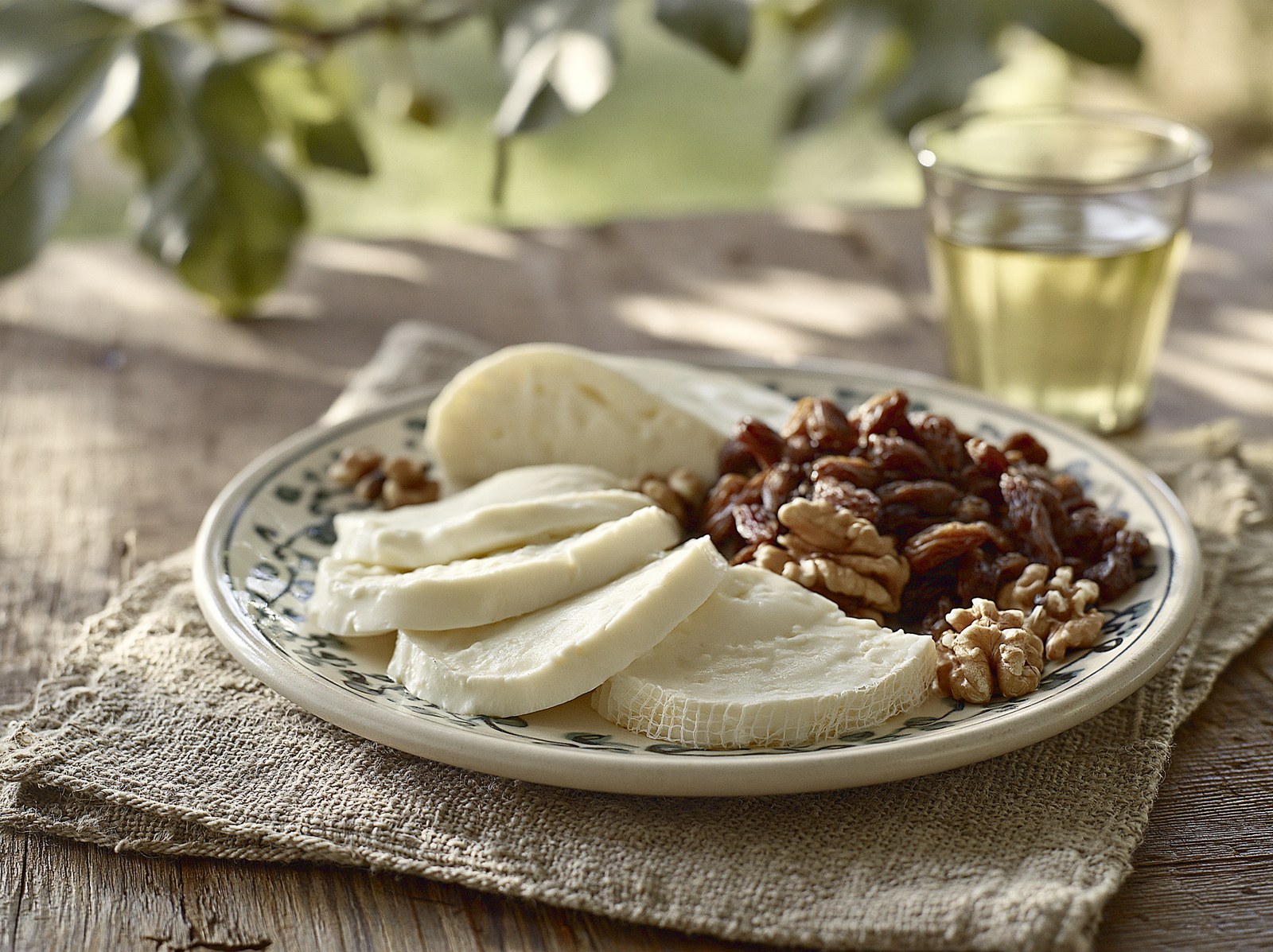
Kishmish Panir
Kishmish panir, the Afghan summer snack: fresh cheese made from milk and buttermilk, pressed in cloth and sliced, served with dark raisins, walnuts and green tea.
-
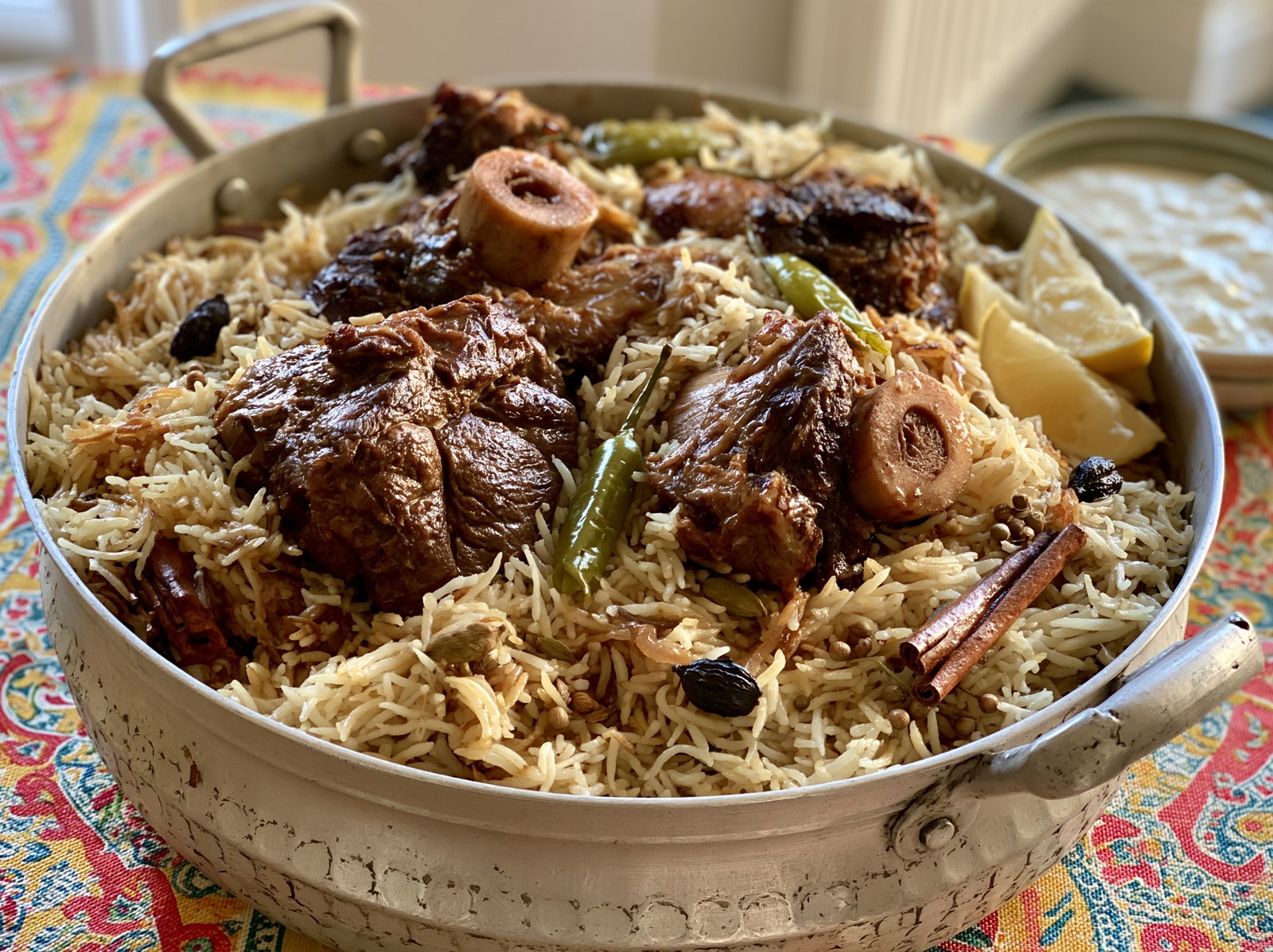
Bannu Beef Pulao
Bannu beef pulao: bone-in beef simmered with whole spices into a rich yakhni, basmati cooked in the broth, the beef piled on top. Translated from an Urdu recipe.
-
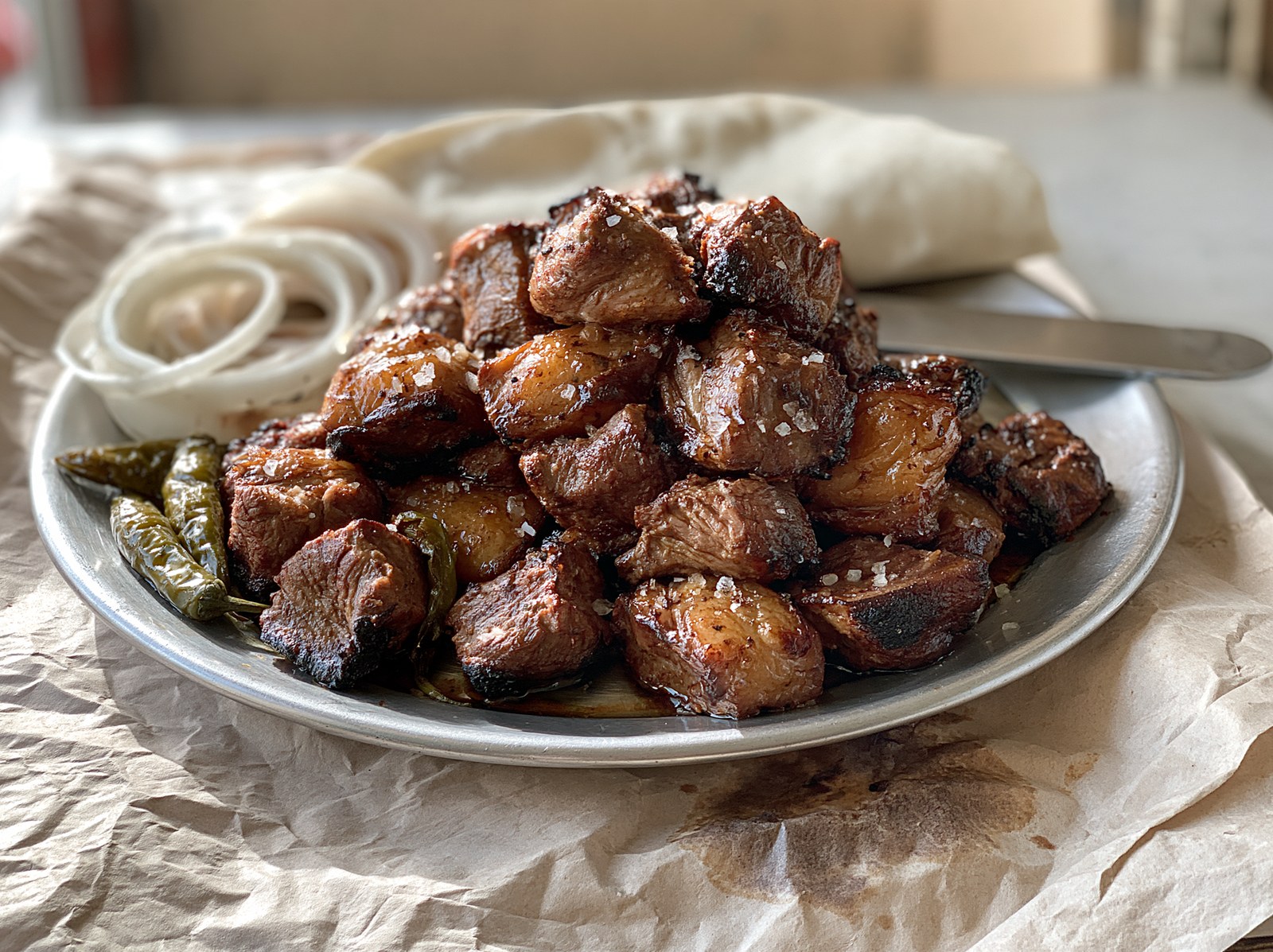
Namak Mandi Lamb Tikka
Lamb tikka the Namak Mandi way: lamb threaded between cubes of fat, seasoned with nothing but salt, cooked slowly over charcoal. Peshawar’s grill-house classic.
-
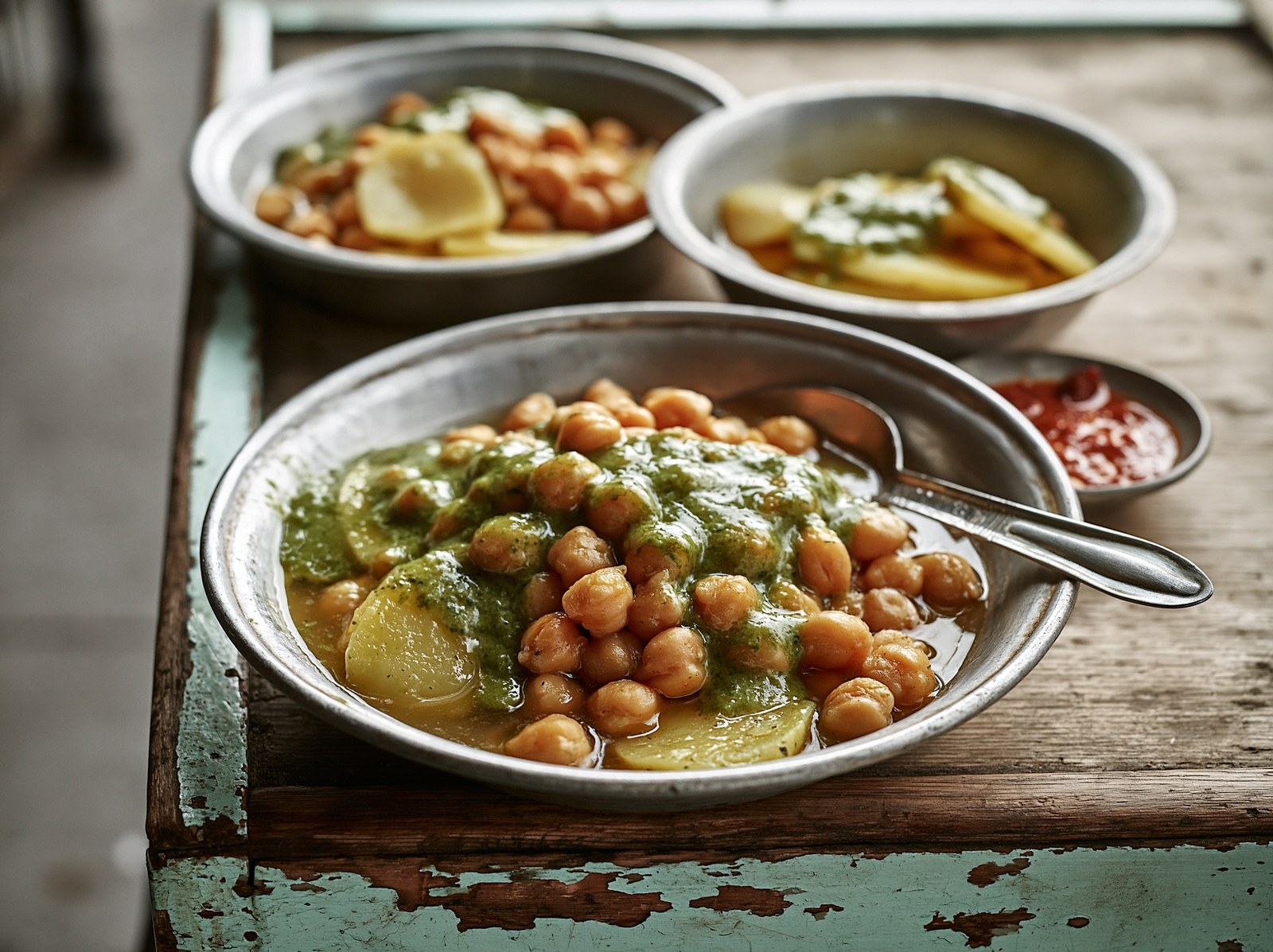
Shor Nakhod
Shor nakhod, the Afghan street-stall snack: warm chickpeas and potato tossed in a sharp coriander, garlic and vinegar sauce. Ready in ten minutes.
-
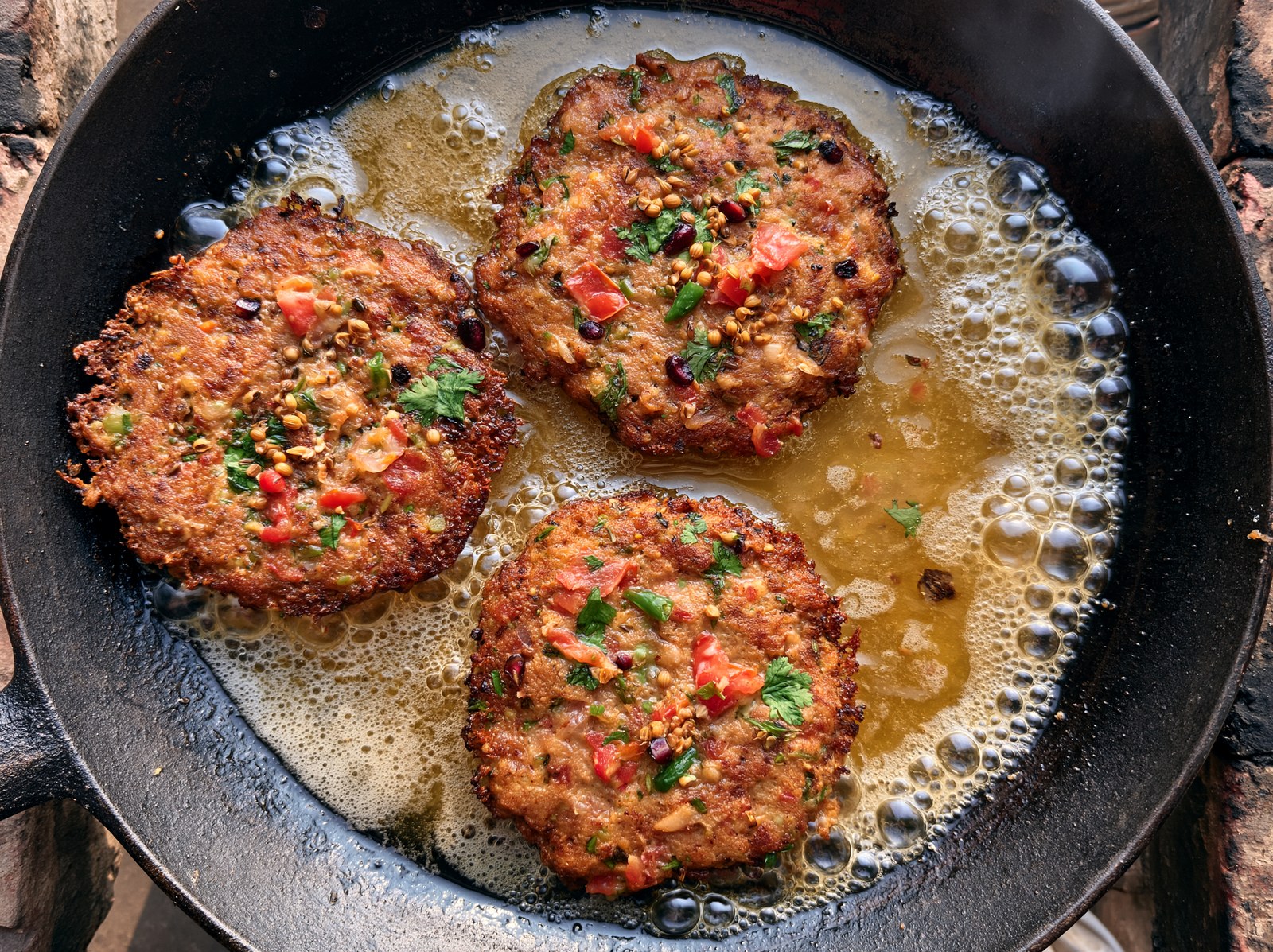
Chapli Kebab
Chapli kebab from a Peshawar family: flat patties of beef, wheat flour, tomato, coriander seed and dried pomegranate, fried crisp in fat. UK and US notes.
-
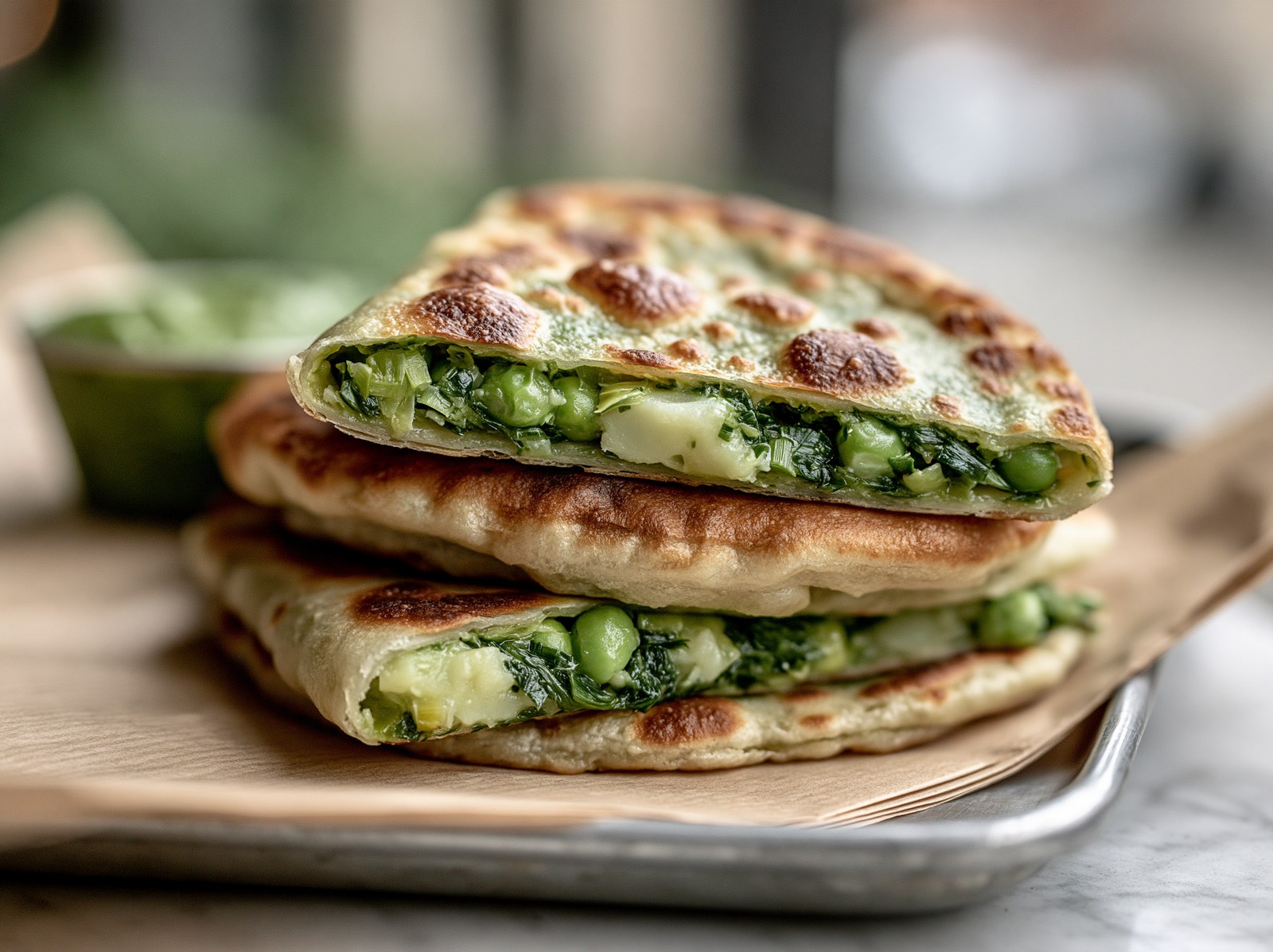
Bolani
Bolani from Ghazni’s Hazara highlands: thin dough folded around leek, garlic chives, green chilli and potato, fried golden. Gandana swaps for UK and US kitchens.
Sweets & Desserts
-
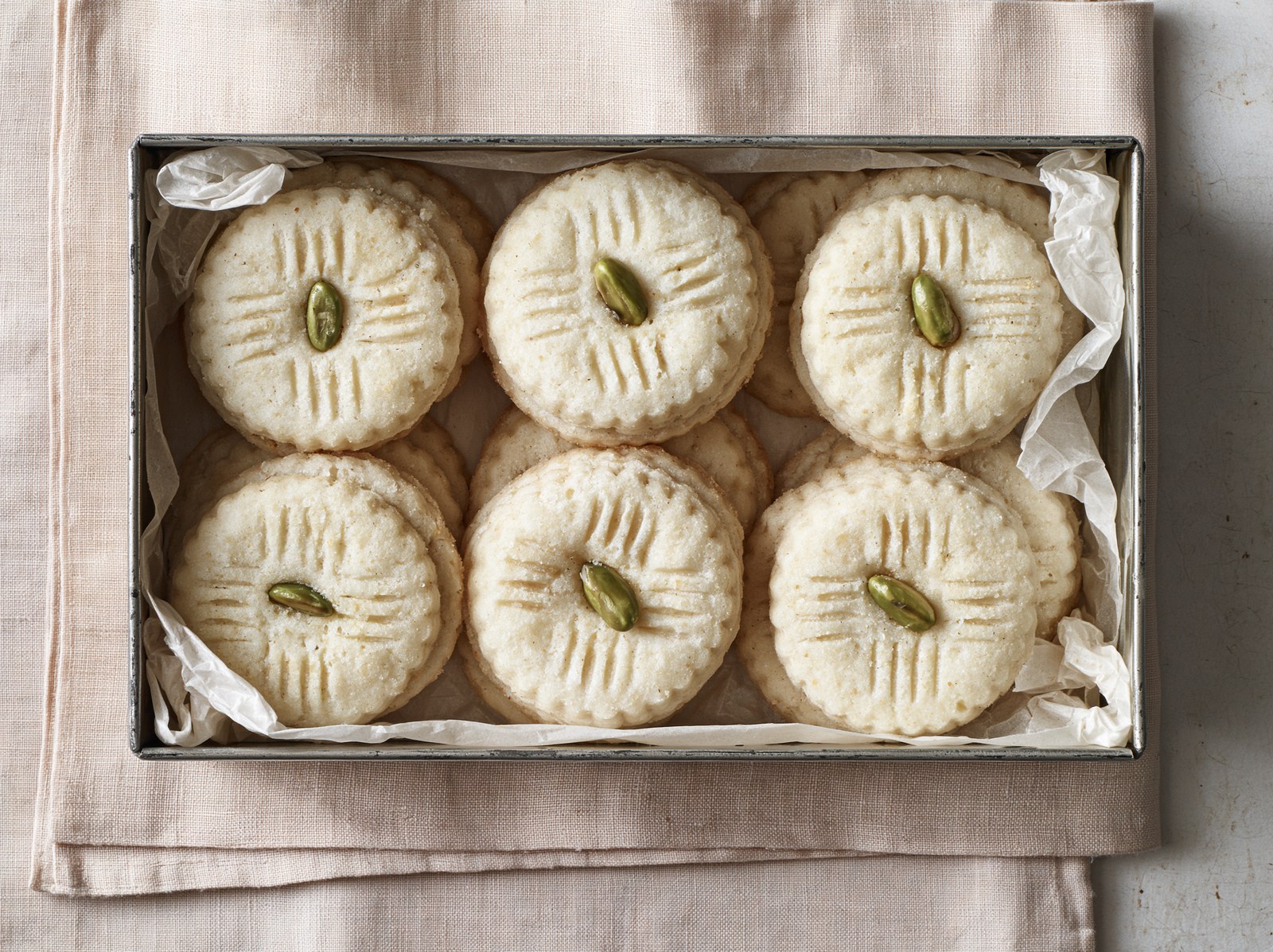
Kulcha-e-Birinji
Kulcha-e-birinji, Afghan rice-flour biscuits with cardamom and pistachio, made green-crossed for Nowruz and served with qymaq chai. Naturally gluten-free.
-
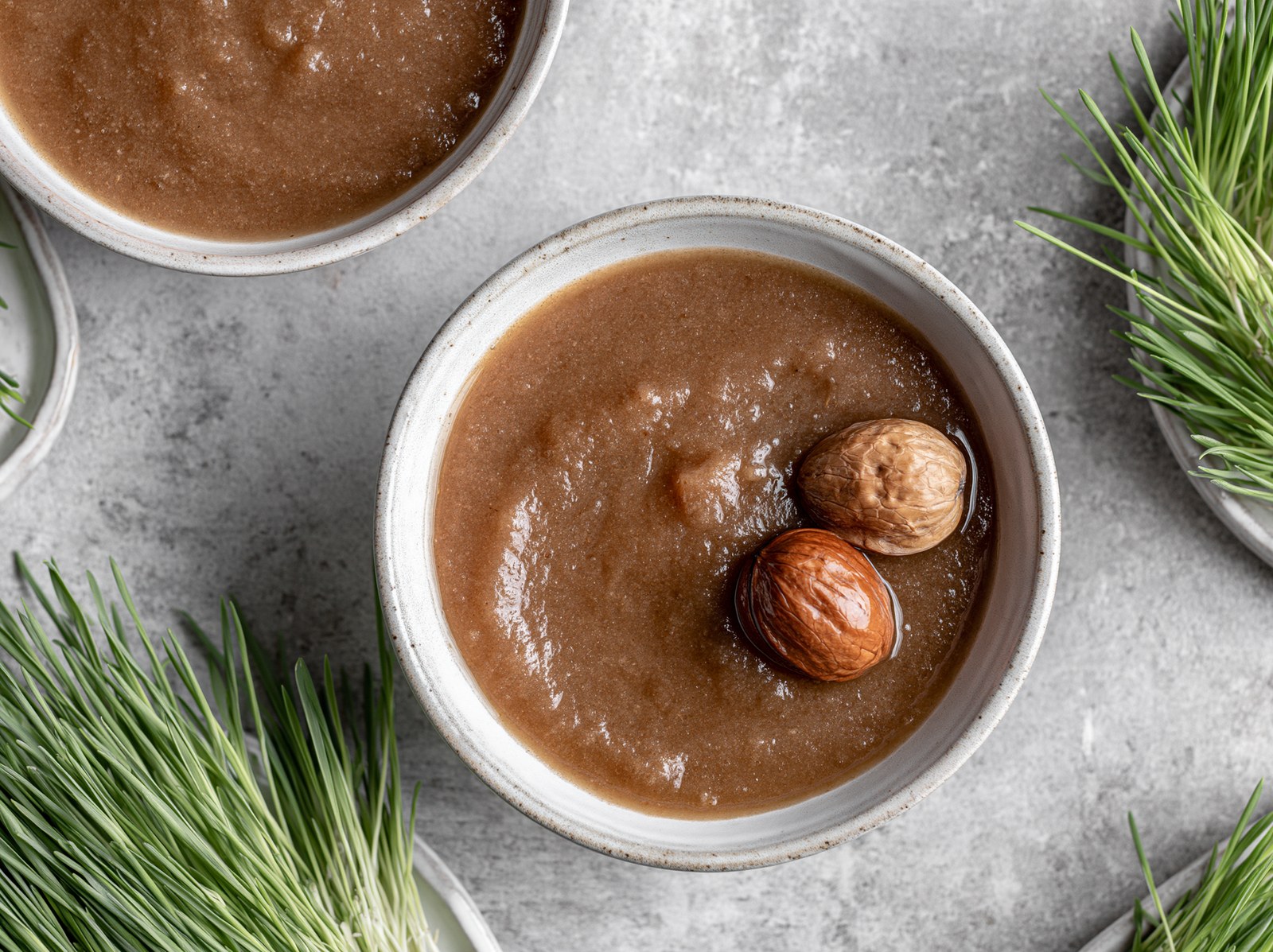
Samanak
Samanak, the Afghan Nowruz pudding: sprouted wheat ground, cooked with flour and stirred for hours until dark and naturally sweet, with no sugar added.
-
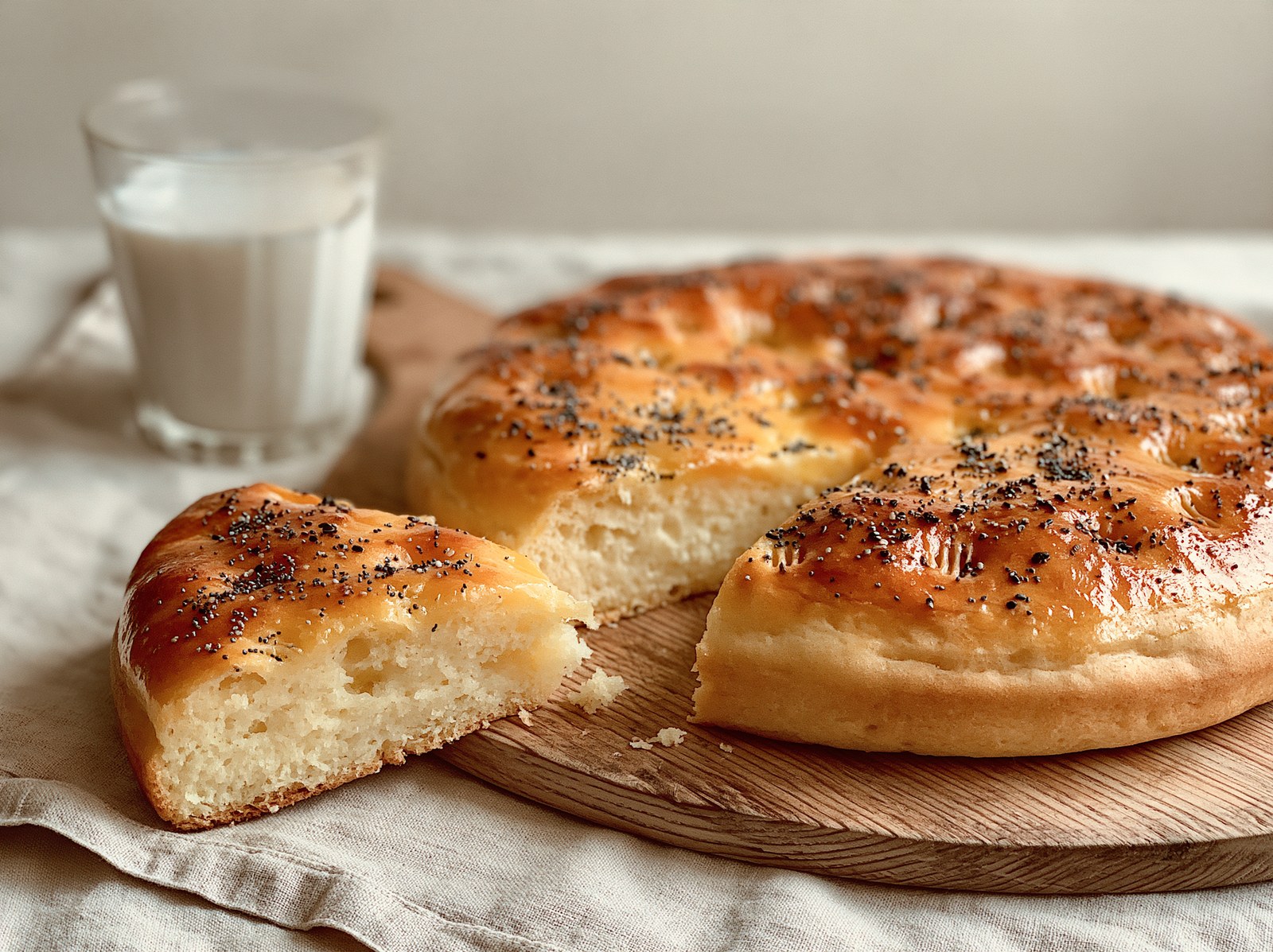
Roht
Roht, the Afghan sweet flat bread: butter, milk and sugar in a chapati-flour dough, glazed and seeded, eaten with tea and baked for a baby’s fortieth day.
-
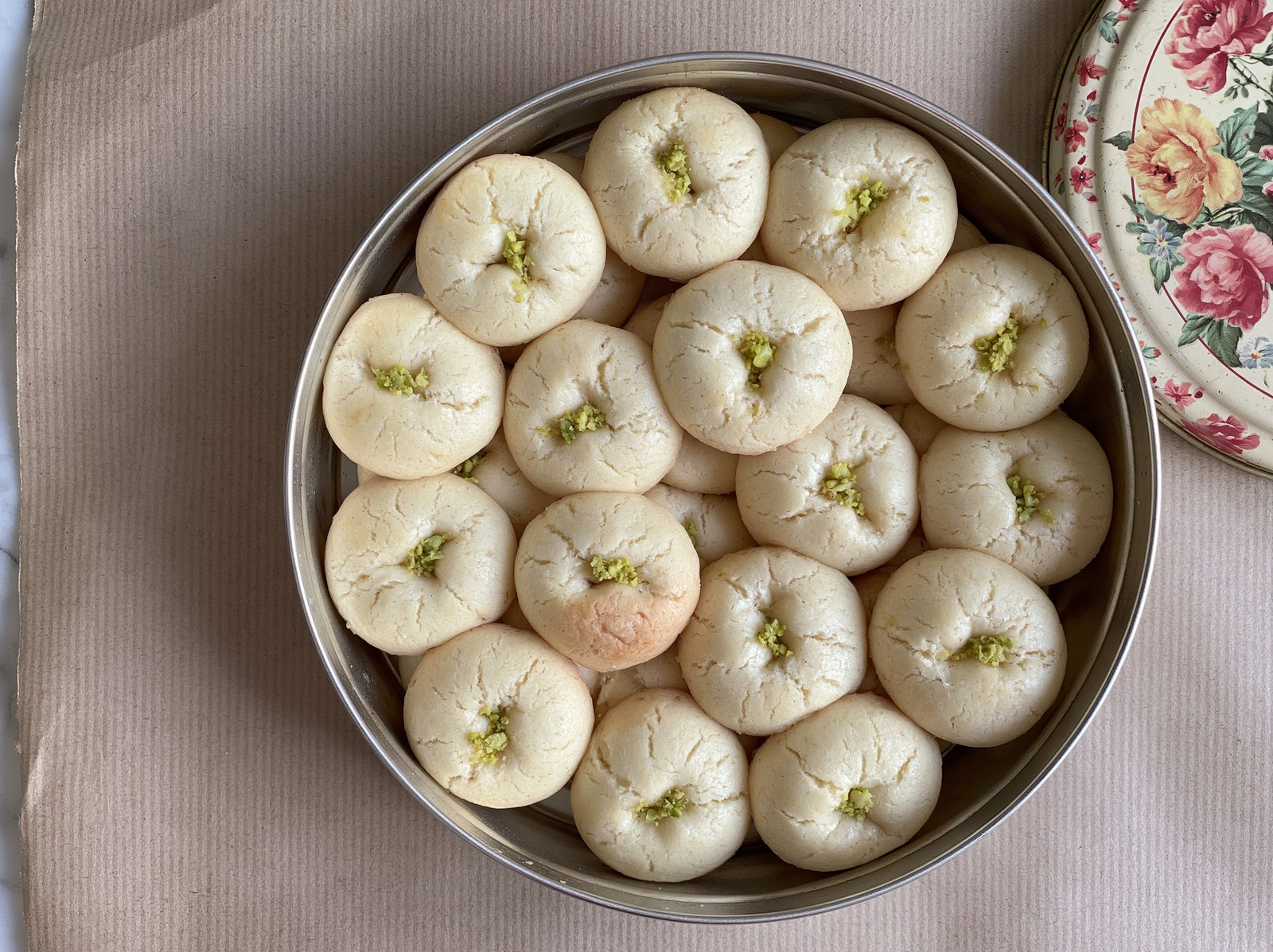
Kulcha-e-Khatayee
Kulcha-e-khatayee, the crumbly Afghan Eid biscuits: flour, milk powder, icing sugar and warm oil, baked pale with a dimple of ground pistachio.
-
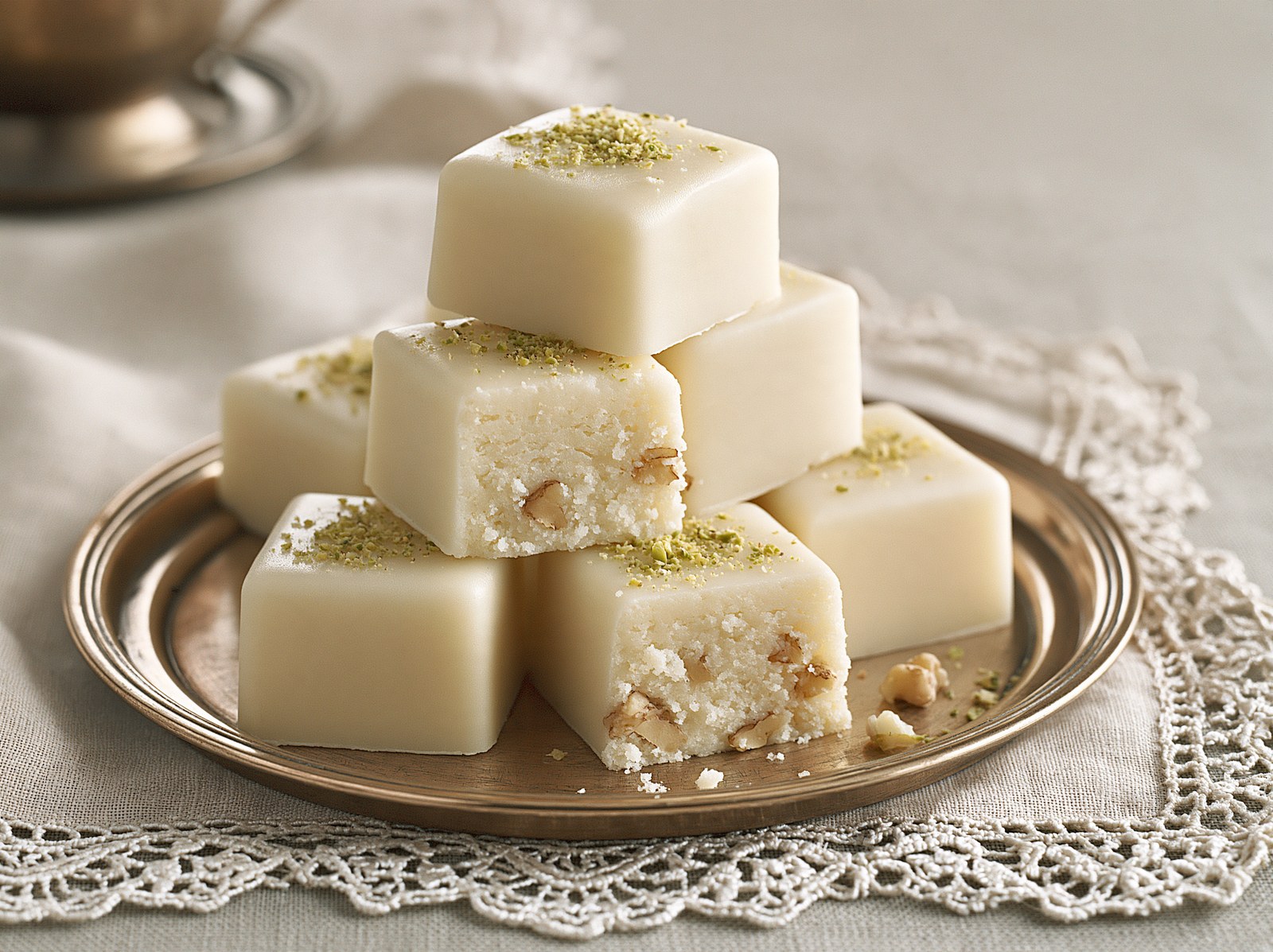
Sheer Pira
Sheer pira, the Afghan milk sweet: milk powder stirred into hot syrup with cardamom, rosewater and walnuts, set and cut into diamonds. Ready in half an hour.
-
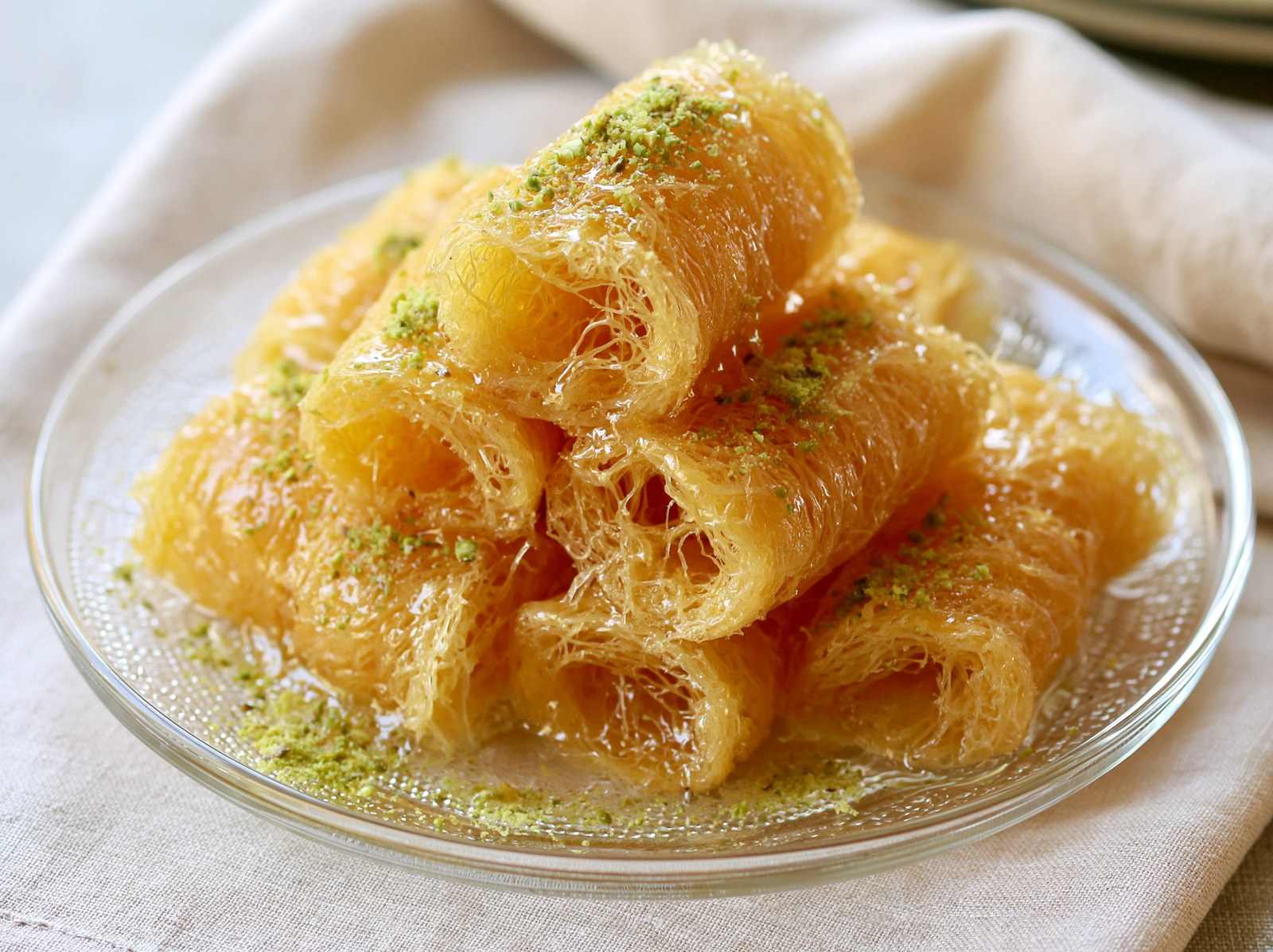
Abrashum Kebab
Abrashum kebab, the Afghan wedding sweet: egg flicked into silken threads over hot oil, rolled, soaked in cardamom syrup and dusted with pistachio.
-
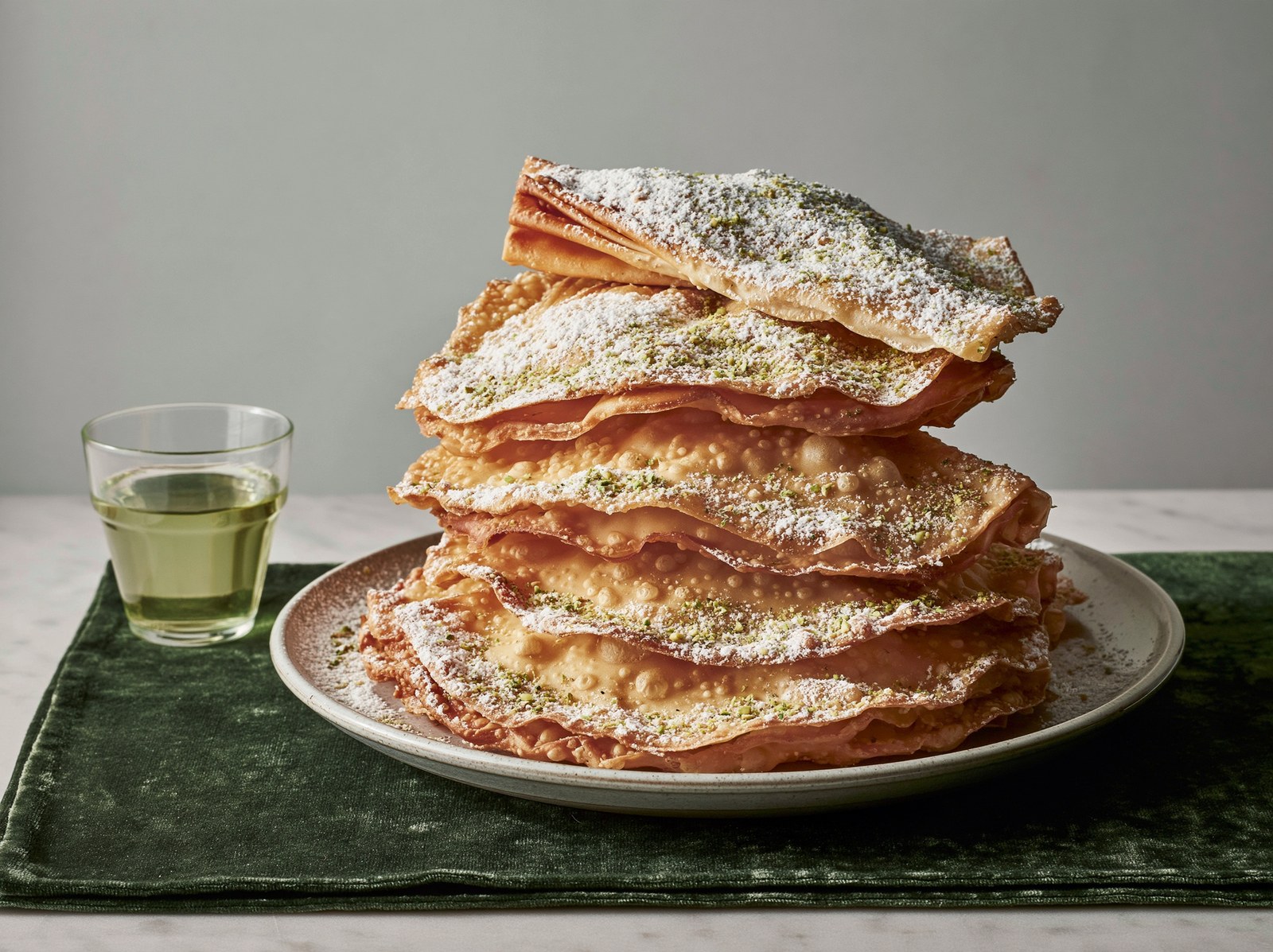
Gosh-e-Fil
Goash-e-feel, the Afghan elephant’s ear pastry: paper-thin dough pleated into an ear, fried crisp and bubbly, dusted with icing sugar and pistachio.
-
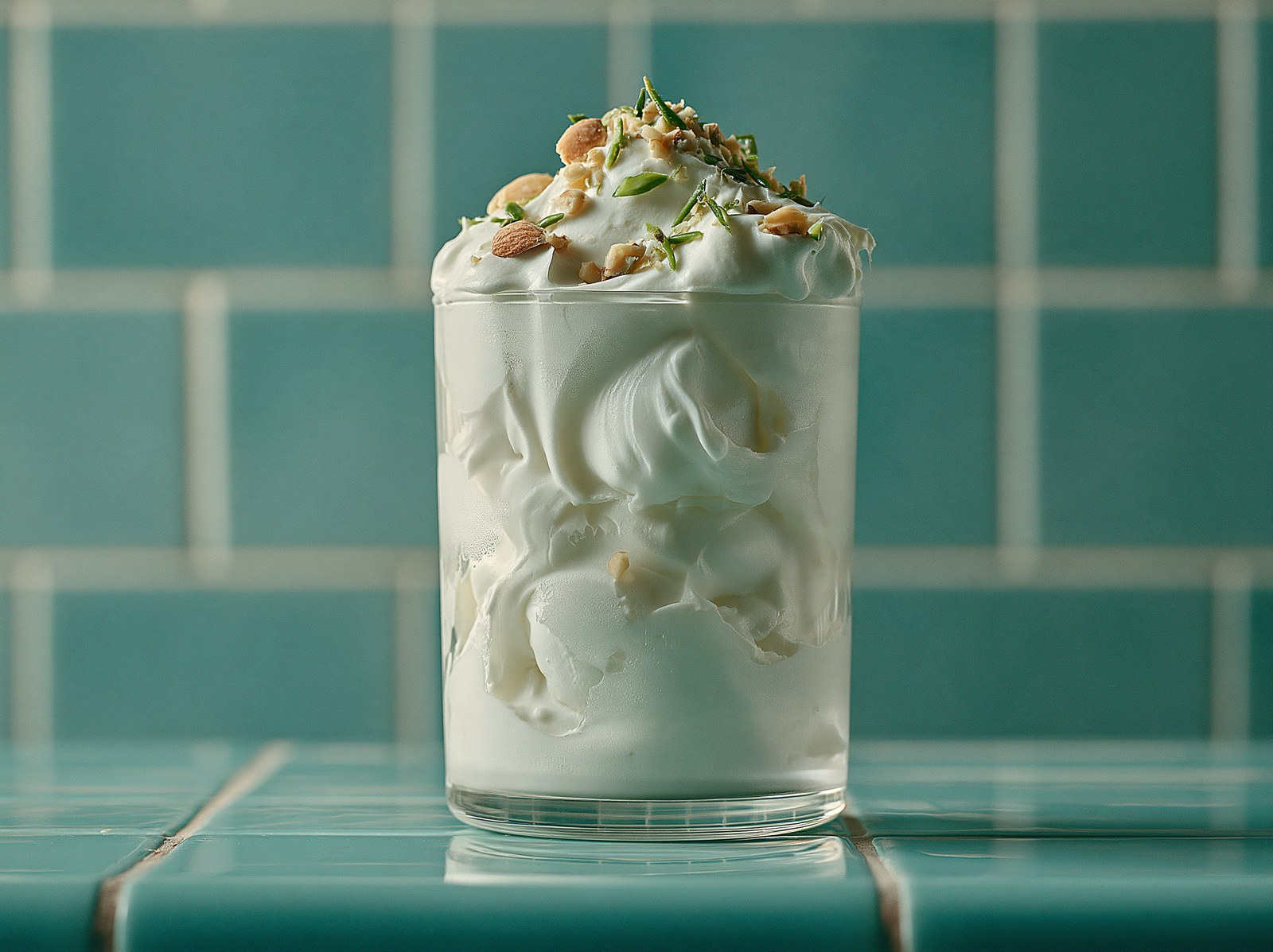
Sheer Yakh
Sheer yakh, the hand-churned ice cream of Kabul: milk, sugar and a hint of cardamom worked over ice and salt until dense and chewy, topped with crushed nuts.
-
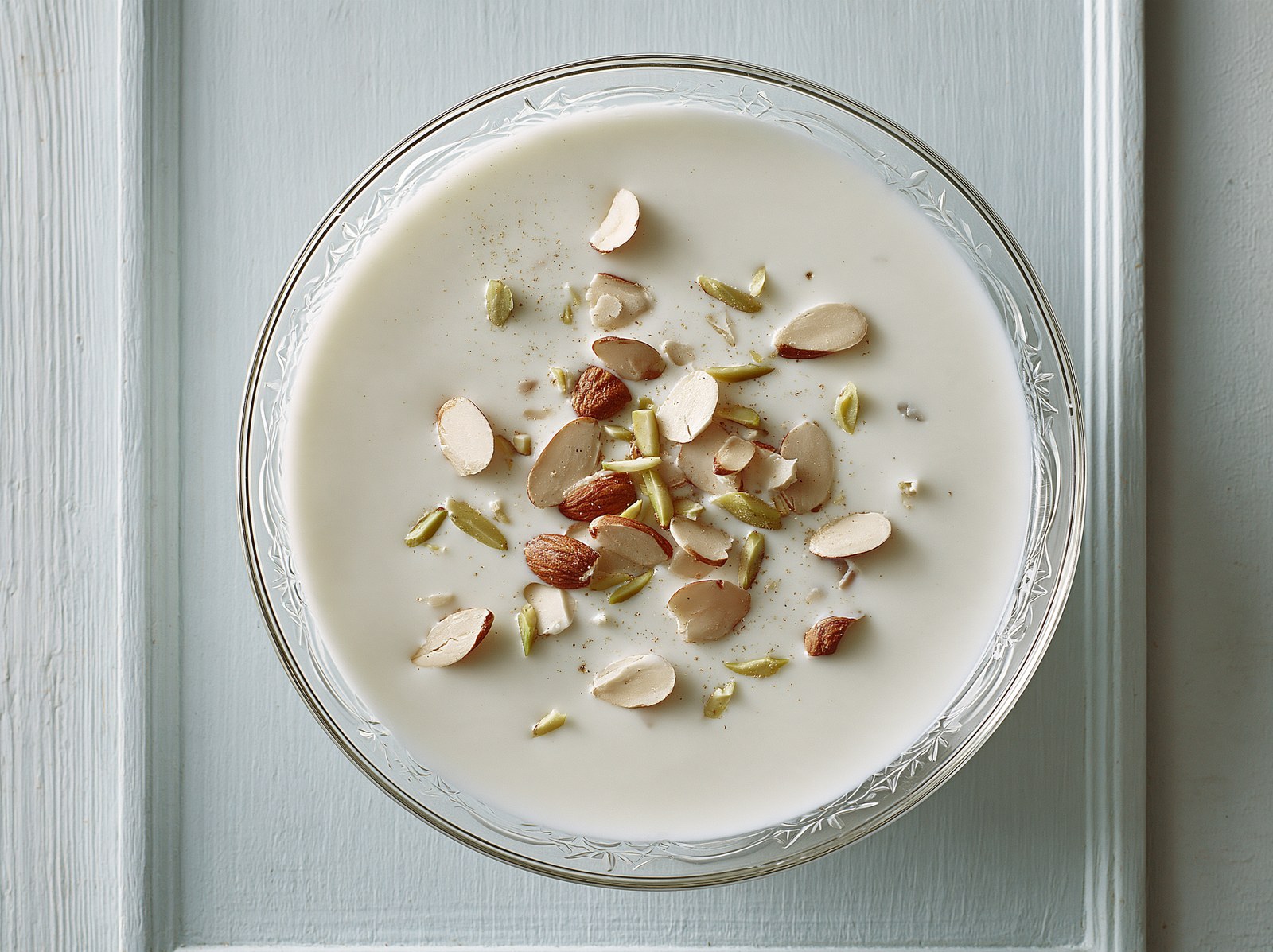
Firnee
Firnee, the Afghan milk pudding for iftar and Eid: whole milk set with cornflour, scented with cardamom and rosewater, topped with pistachios and almonds.
Drinks
-
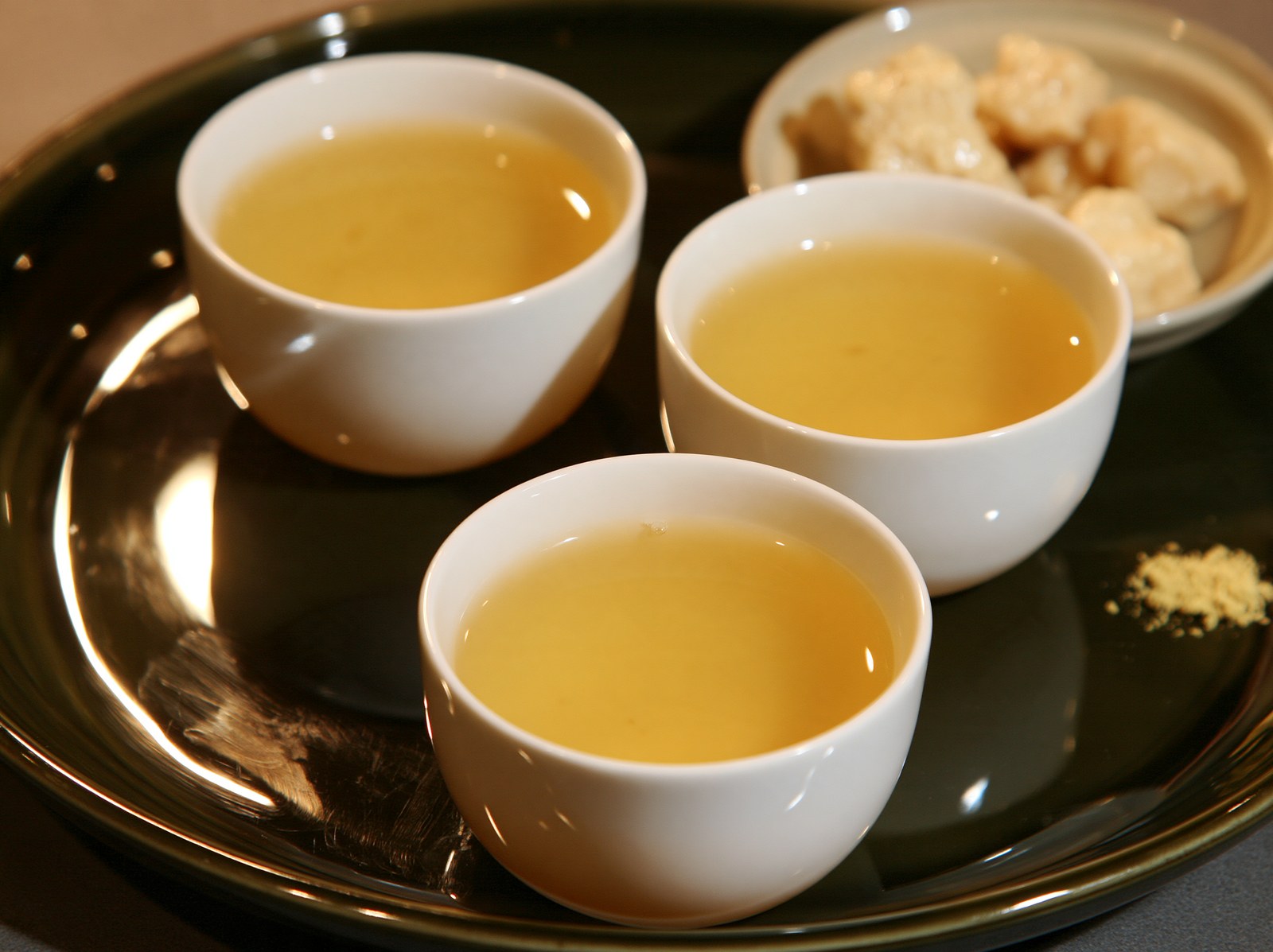
Chai-e-Zanjafeel
Chai-e-zanjafeel, the Afghan after-dinner ginger tea: green tea boiled with brown sugar, ground ginger and finely ground walnuts. Ready in ten minutes.
-
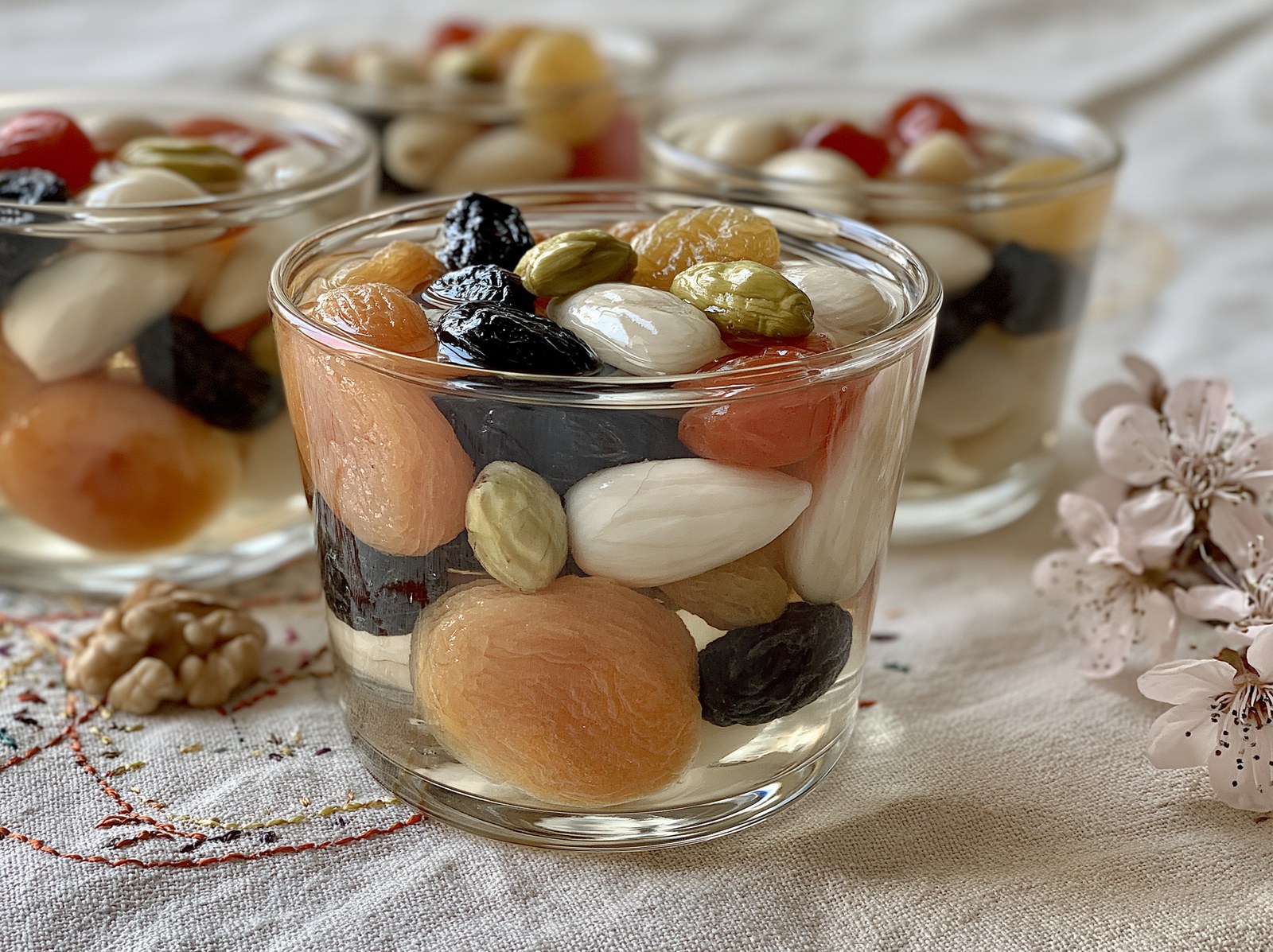
Haft Mewa
Haft mewa, the Afghan Nowruz seven-fruit soak: apricots, raisins, cherries and blanched nuts left in water for two days until it turns to a sweet syrup.
-
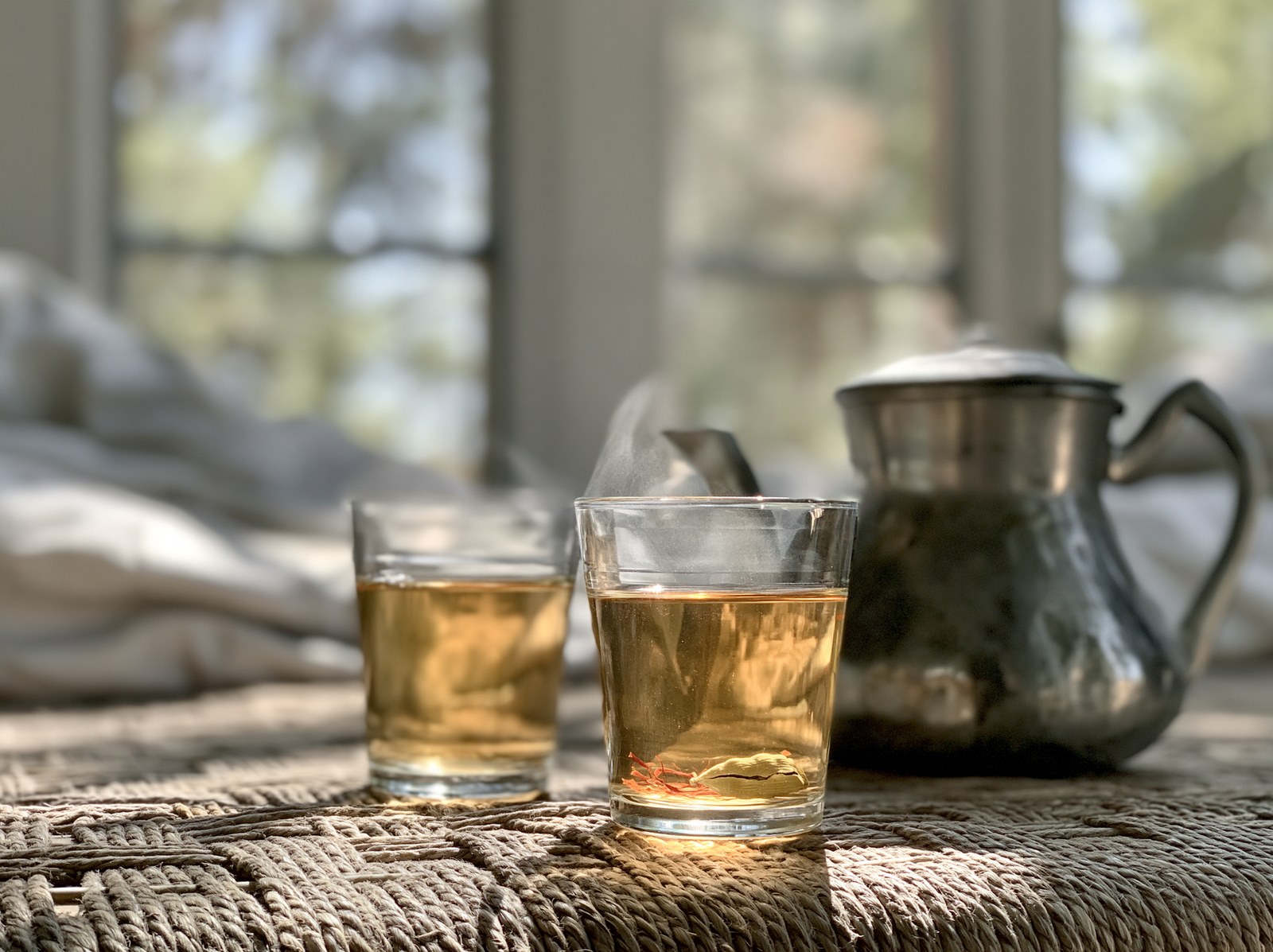
Qehwa
Qehwa, the green tea of Afghan homes and Peshawar’s tea houses: green tea brewed with cardamom, saffron and cinnamon, lightly sweetened.
-
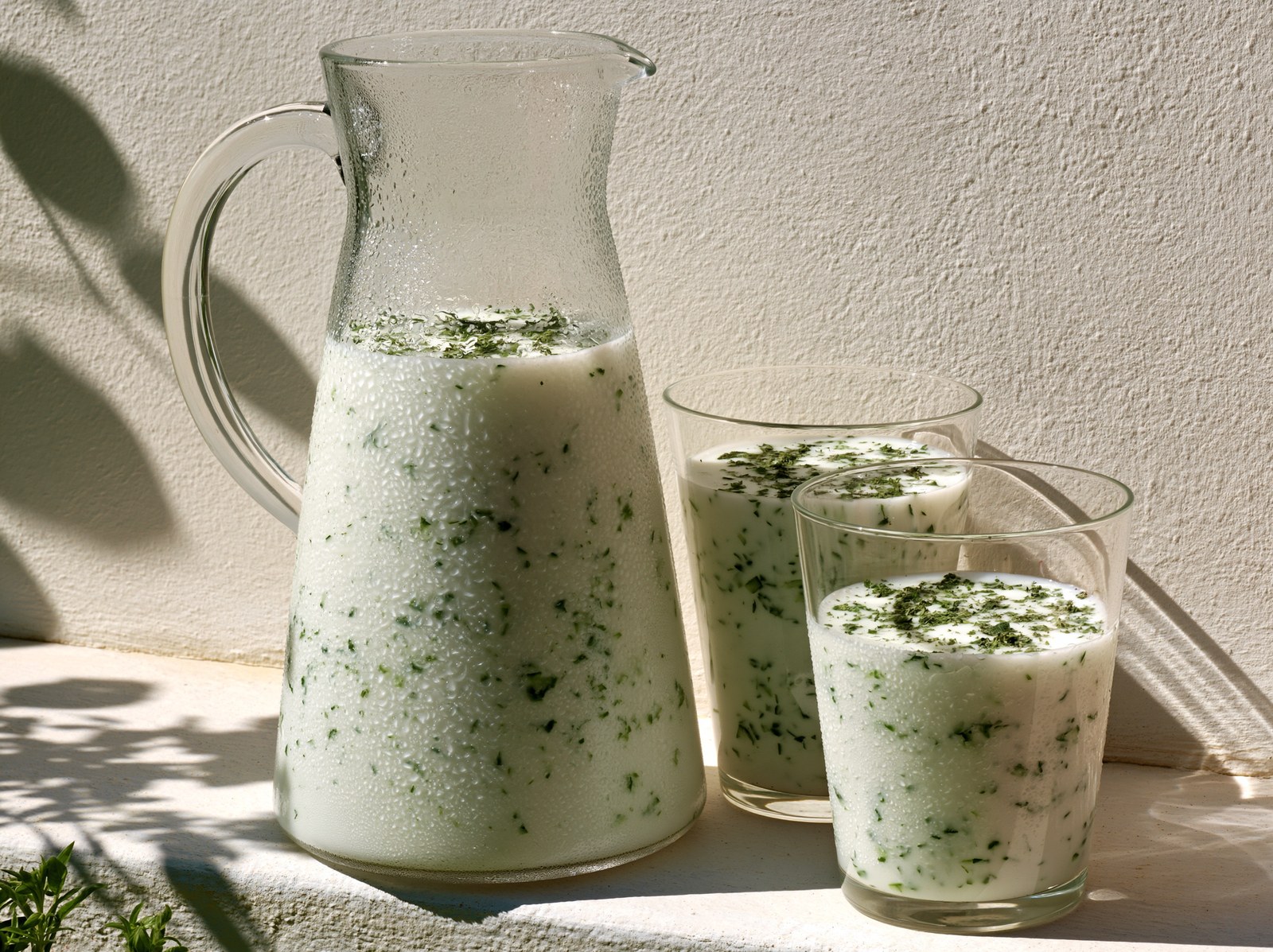
Doogh
Doogh, the Afghan summer yoghurt drink: yoghurt and cold water with salt, chopped cucumber and dried mint. Salty, sharp and served very cold.
-
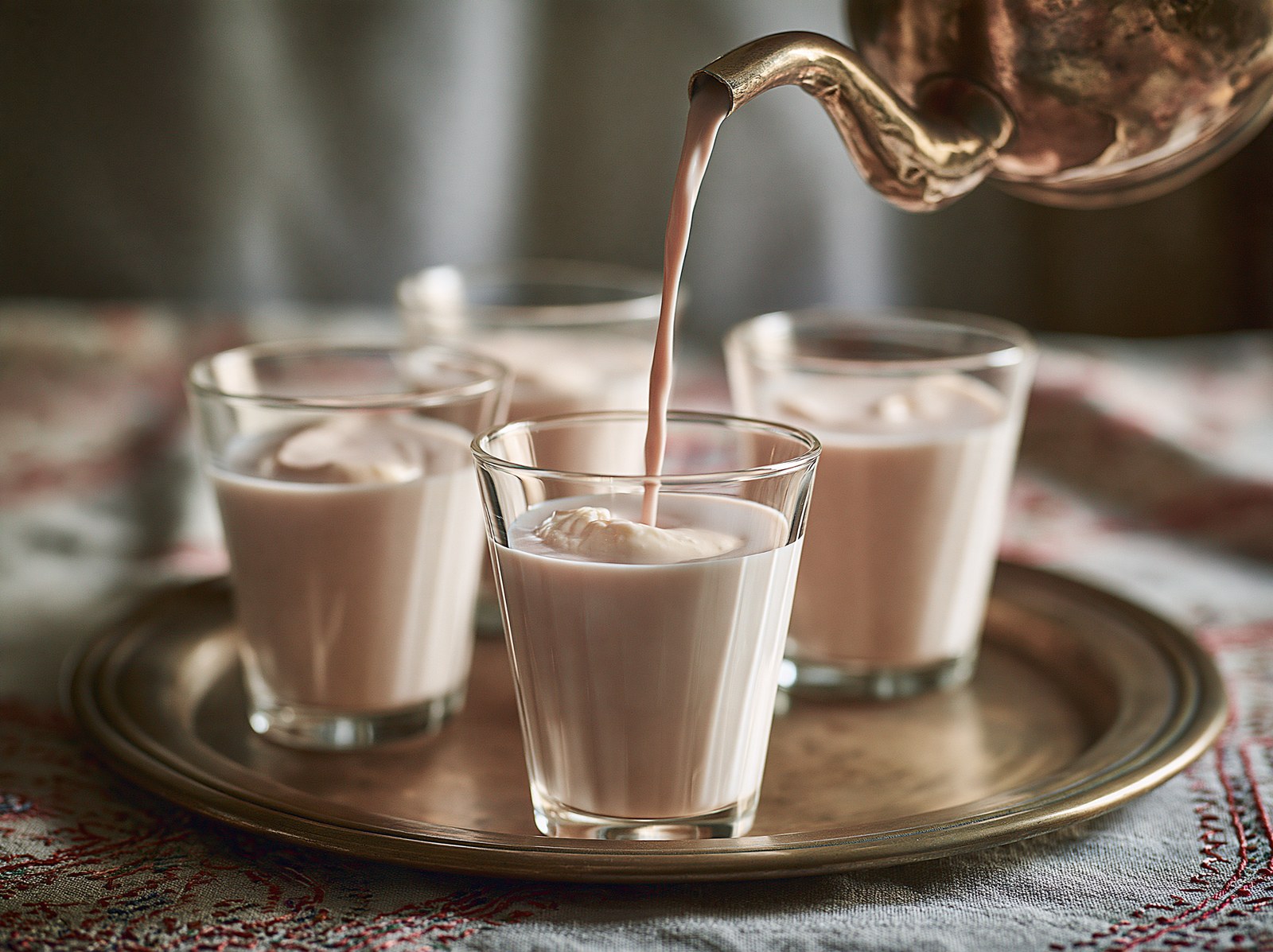
Qymaq Chai
Qymaq chai, the Afghan pink tea for special occasions: green tea aerated until red, turned pink with milk, finished with cardamom and clotted cream.
Every dish in this atlas was found somewhere: a blog, a cookbook, a family. If there is a version that lives in your kitchen and nowhere else, it belongs here. Or if you think we are missing a dish that belongs, drop us a note using the link below.
Contribute →