Sandesh
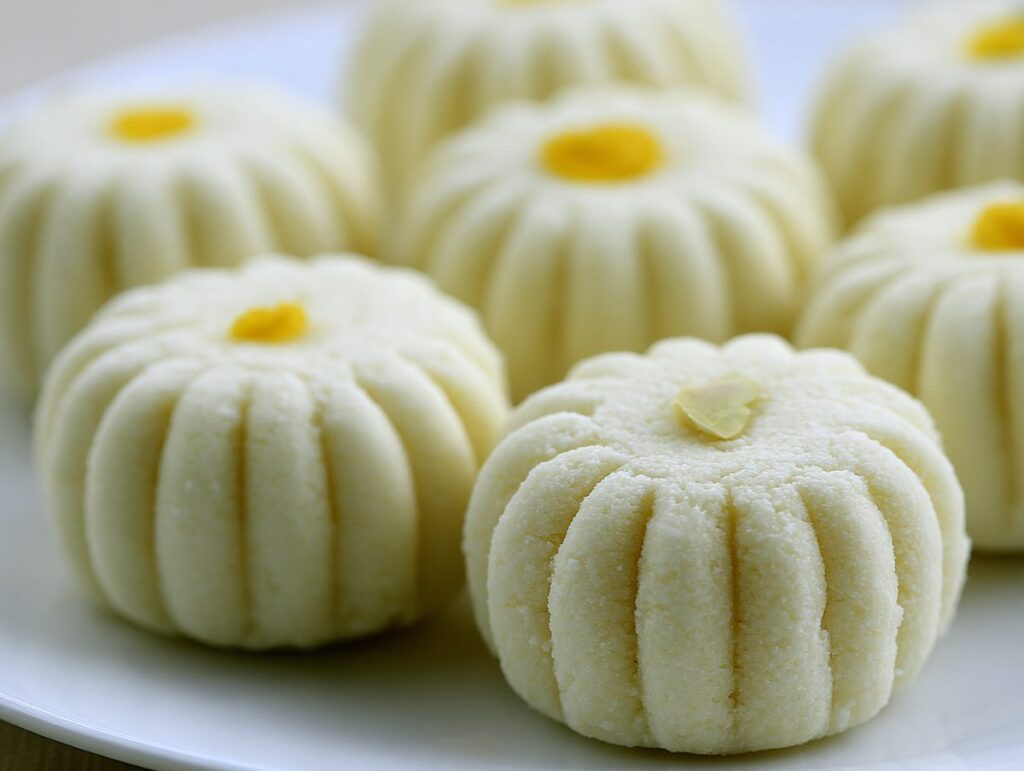
Fresh chhena kneaded with sugar and shaped by hand — the purest expression of Bengali sweet-making, and the one that separates the mishtir dokan that knows what it is doing from the one that doesn’t.

Fresh chhena kneaded with sugar and shaped by hand — the purest expression of Bengali sweet-making, and the one that separates the mishtir dokan that knows what it is doing from the one that doesn’t.
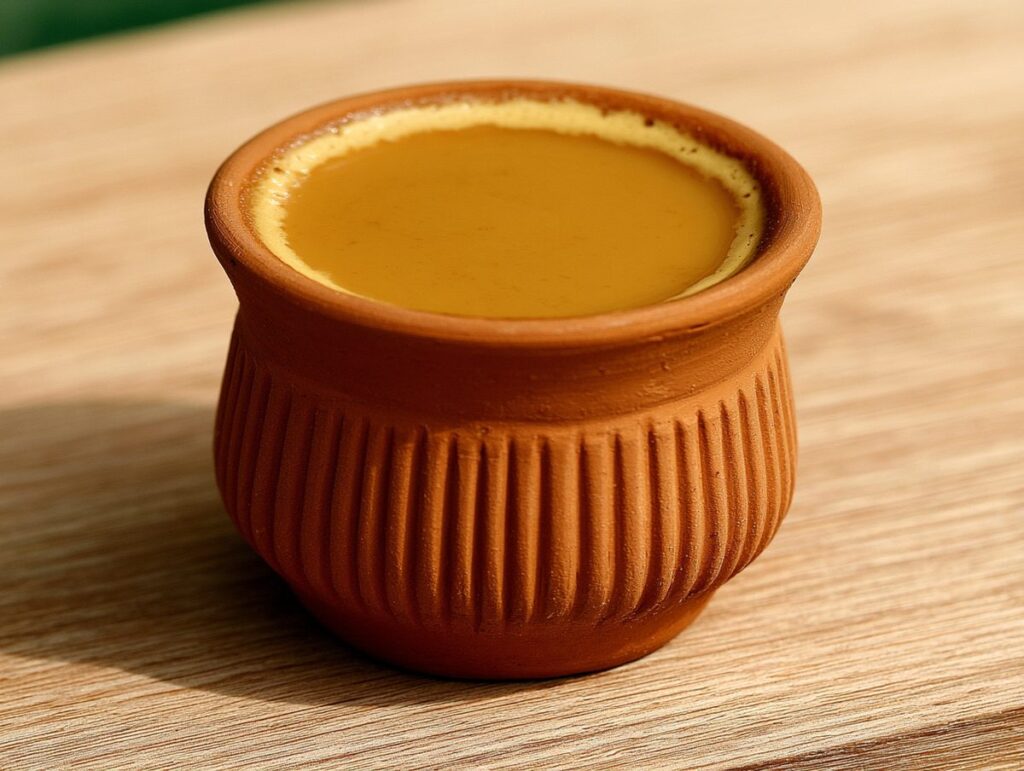
Bengali sweetened yogurt set in earthen pots with date palm jaggery — the dessert that ends every significant meal in the delta, and the one thing every Bengali in Britain is quietly homesick for.
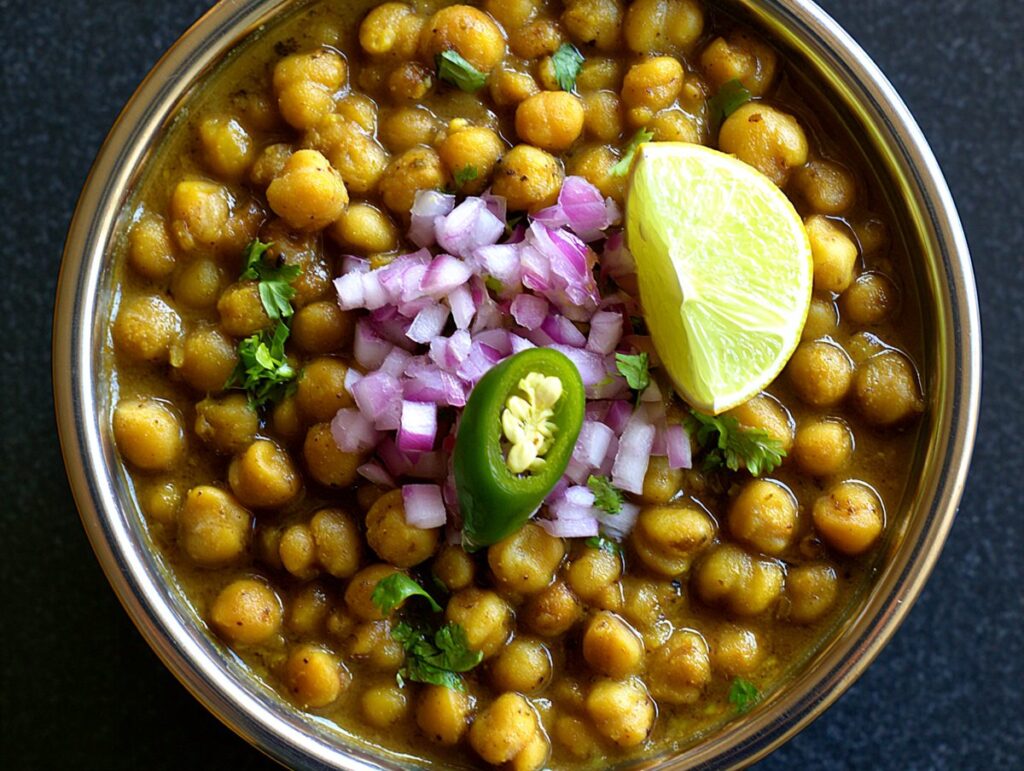
Dried yellow peas slow-cooked with ginger, green chilli, and panch phoron — the street snack that appears at every Kolkata railway platform, evening market, and neighbourhood corner.d
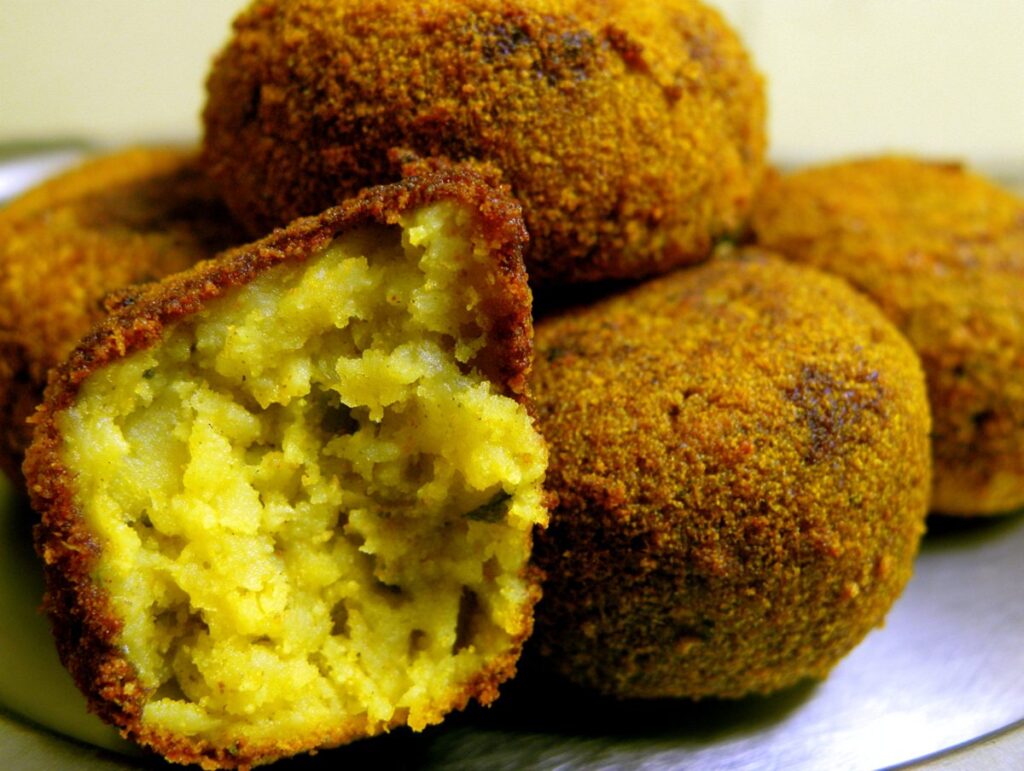
Spiced mashed potato encased in a thin chickpea batter and deep fried — the Bengali street snack that appears at every tea stall, every afternoon, without fail.
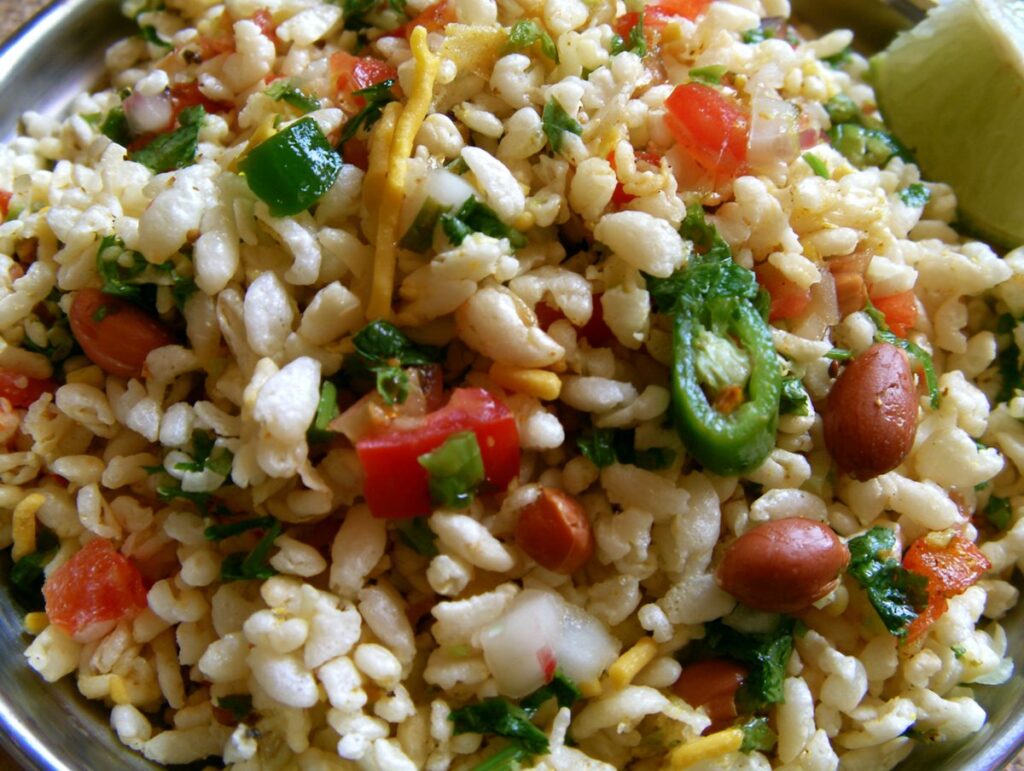
Puffed rice tossed with mustard oil, raw onion, green chilli, and whatever the vendor has to hand — Kolkata’s most democratic street food, made in thirty seconds and eaten in the same.
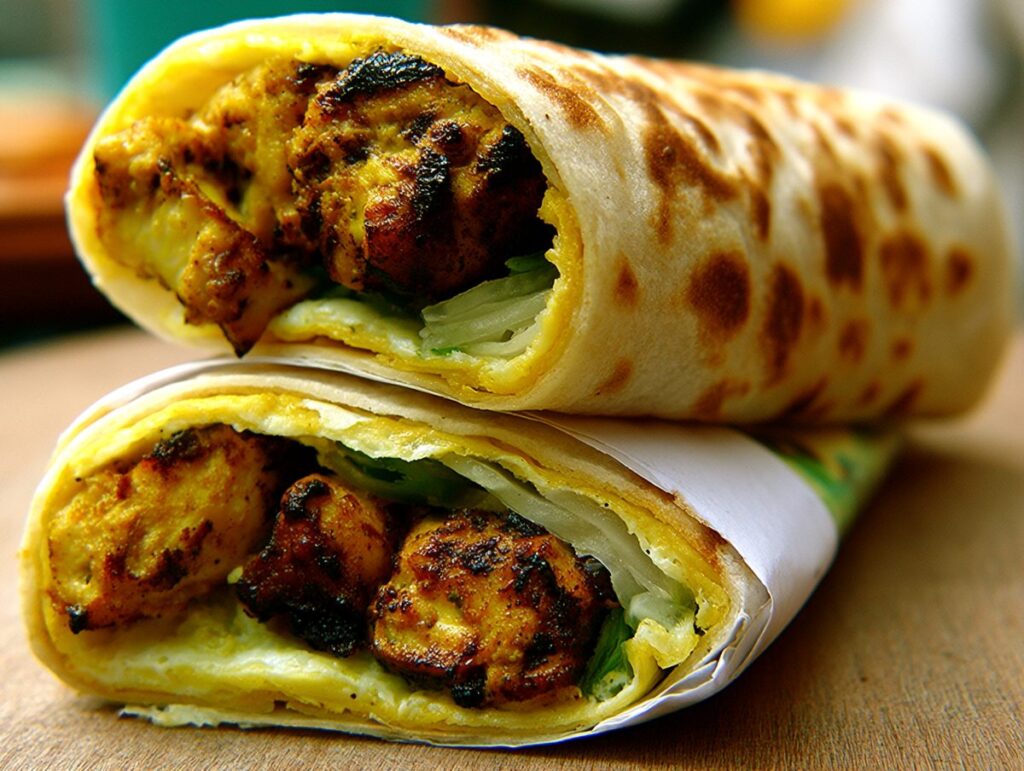
Spiced meat or egg wrapped in a flaky paratha — the Kolkata street food invented at Nizam’s restaurant in 1932 and copied everywhere since, never quite as well.
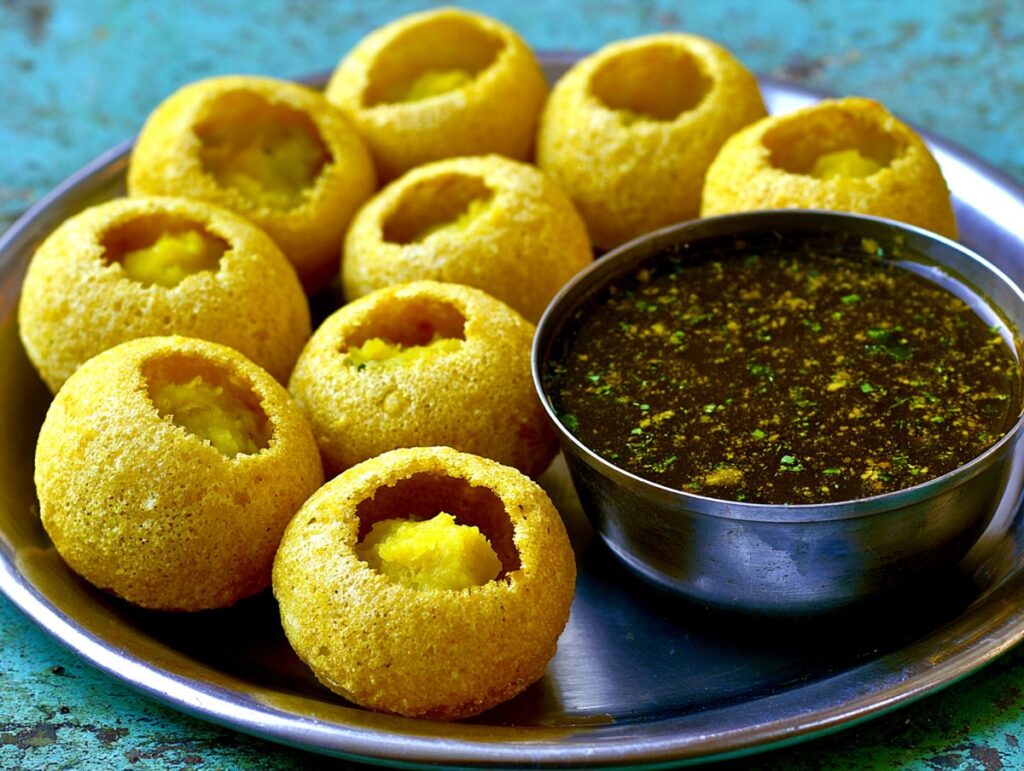
Kolkata’s street food obsession — crisp hollow shells filled with spiced mashed potato and tamarind water, eaten standing at a roadside stall in five seconds flat.
Bengali rice pudding slow-cooked in whole milk with date palm jaggery — the dish that ends every celebration in the delta, and the one Bengali mothers make when a child comes home.