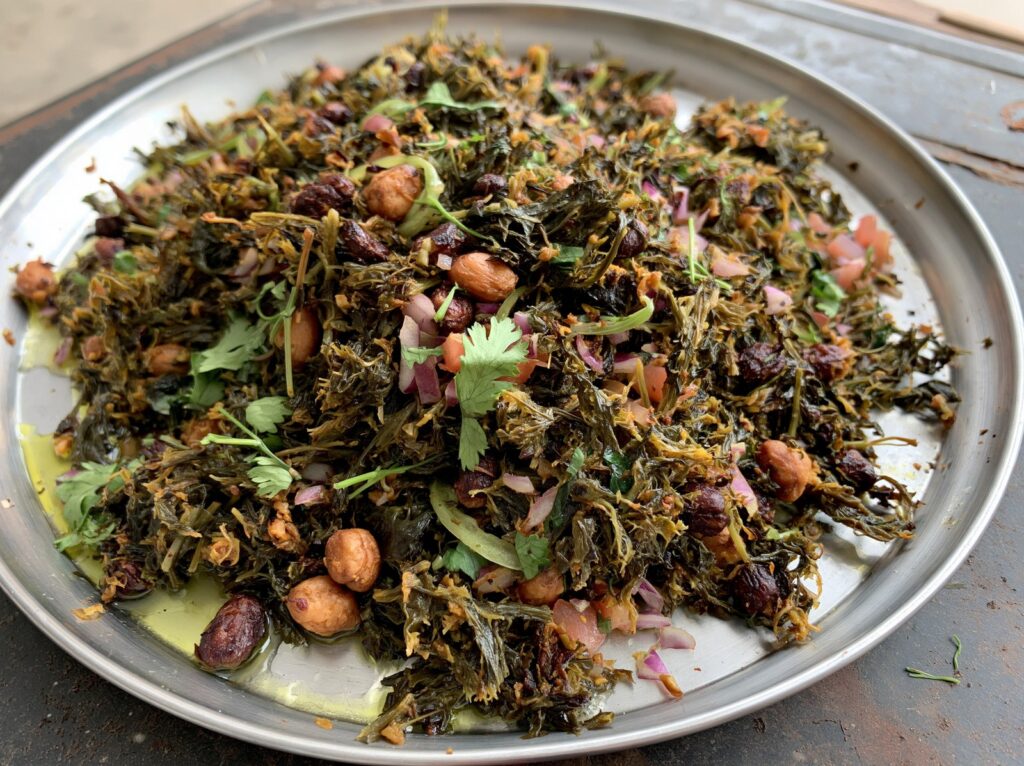
Gundruk Sadeko
Gundruk sadeko, the Nepali snack of fermented greens fried crisp and tossed warm with roasted black soybeans, raw onion, chilli, lemon and mustard oil.
Recipes from Nepal, Bhutan, Sikkim, and Ladakh. Fermented, preserved, and built for long winters – butter tea, barley flour, momo dumplings, and the fiery heat of timur pepper. Minimal spice by subcontinent standards, but nothing timid about it.
Gundruk sadeko, the Nepali snack of fermented greens fried crisp and tossed warm with roasted black soybeans, raw onion, chilli, lemon and mustard oil.
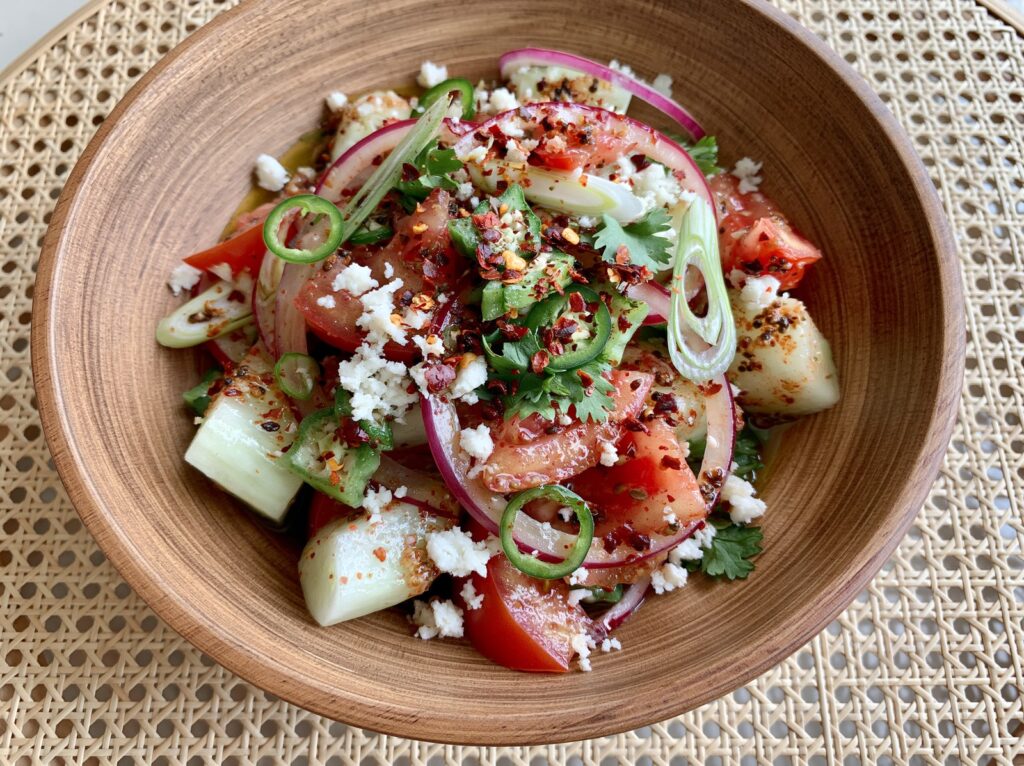
Goen hogay, the cold Bhutanese cucumber salad with tomato, onion and crumbled farm cheese, lifted by fresh chilli and ground Sichuan pepper.
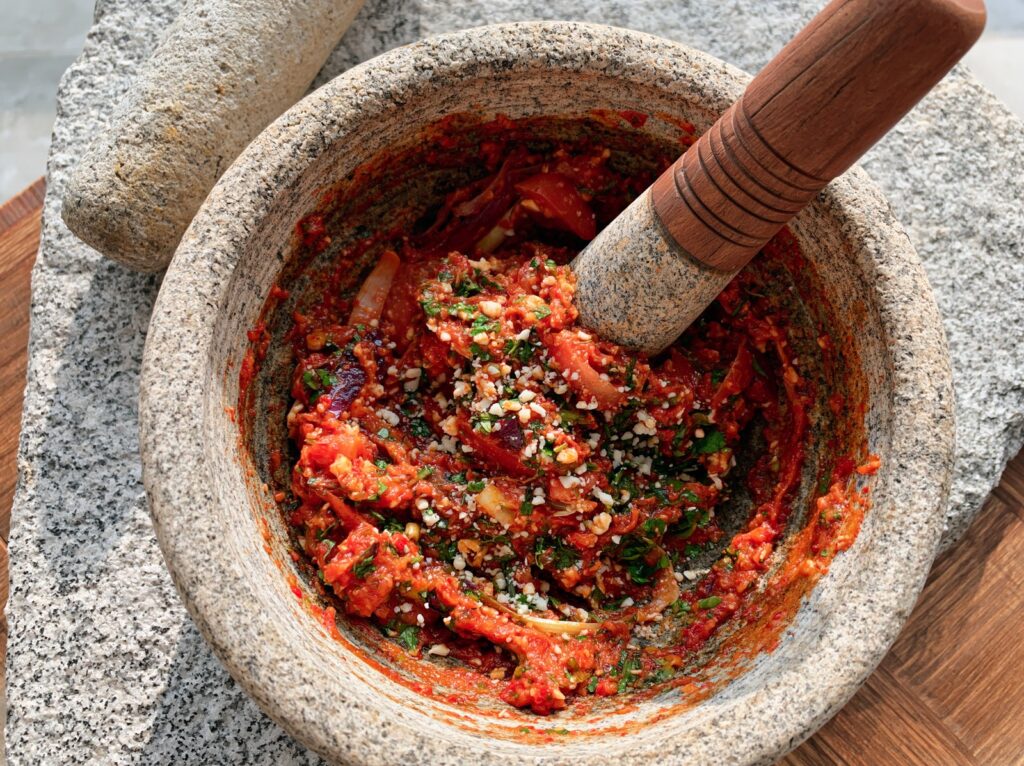
Ezay, the chilli paste that sits beside every Bhutanese meal. Dried chillies pounded with tomato, onion, garlic and fresh cheese into a rough, fiery relish.
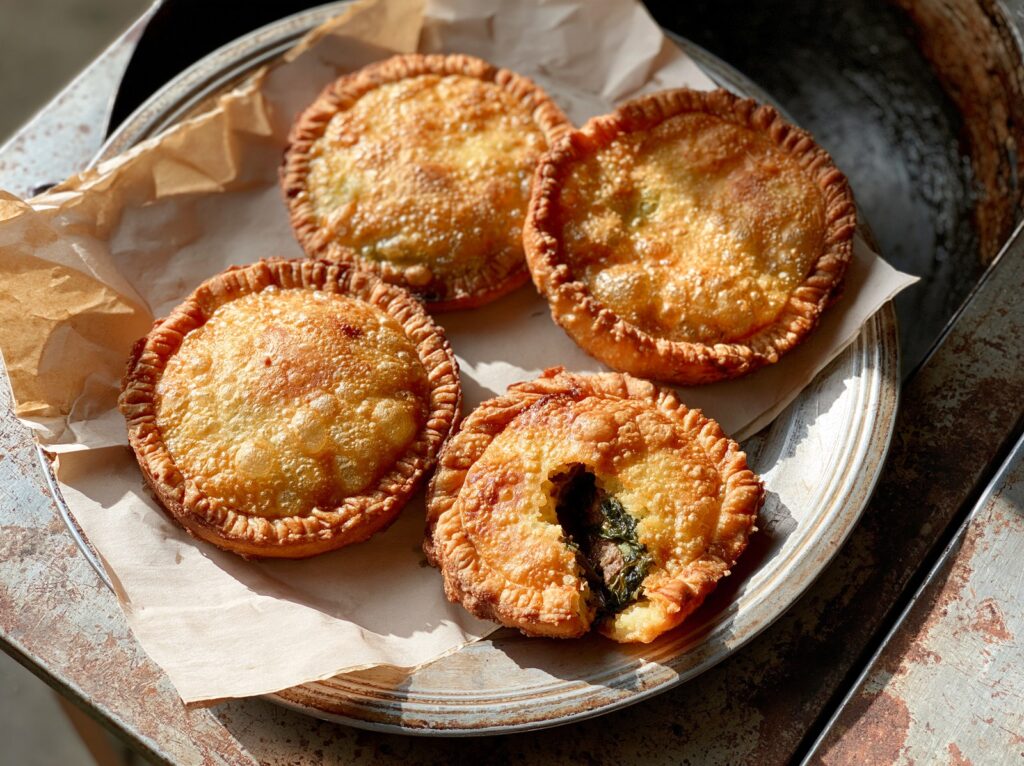
Sha phaley, the Tibetan fried meat bread. Spiced beef and greens sealed between two rounds of dough and fried until the crust blisters, eaten with soup.
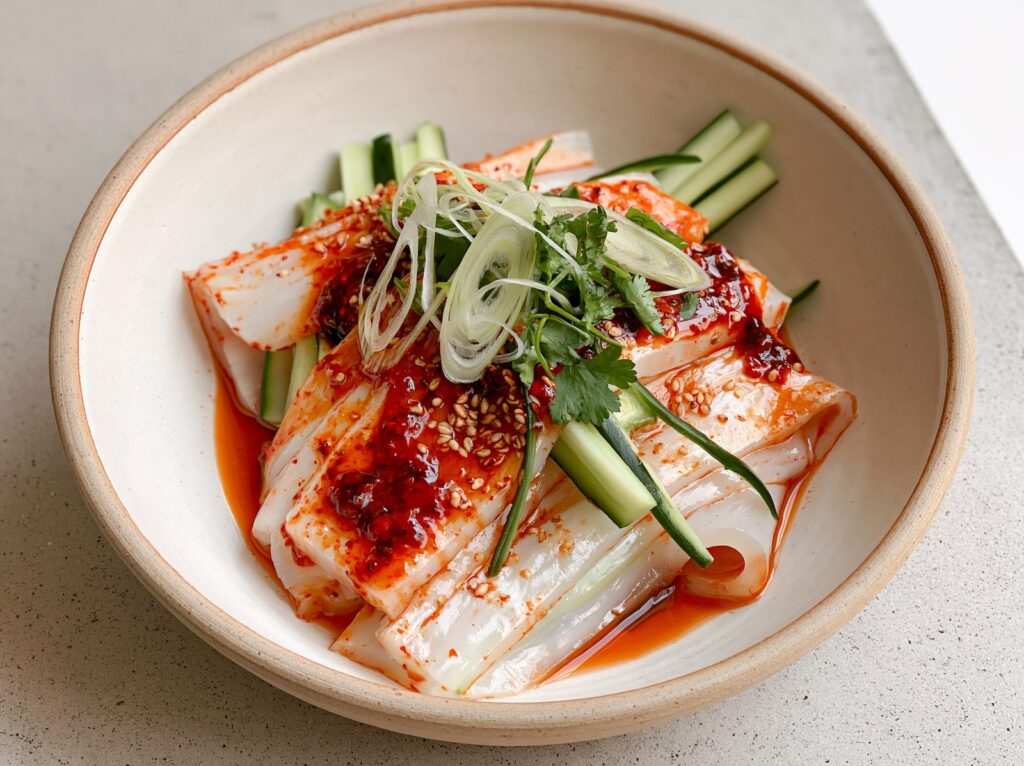
Laphing, the cold Lhasa street snack of mung bean starch set to a firm gel, cut into wide slippery sheets and drowned in chilli oil, garlic and vinegar.
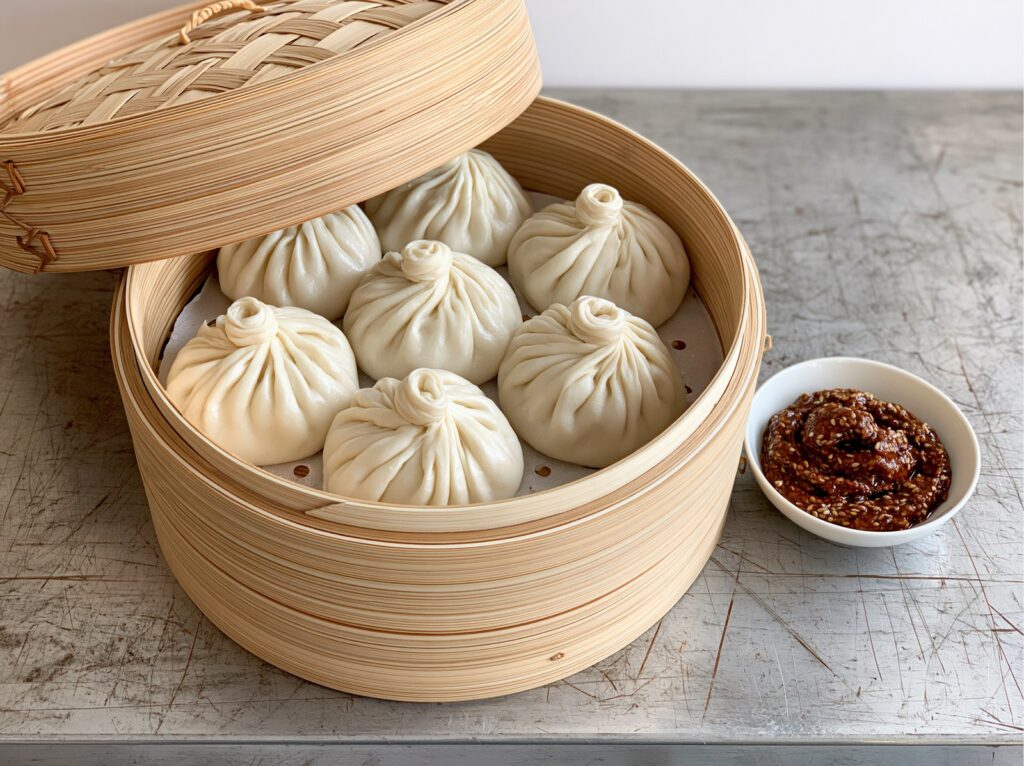
Momo, the steamed dumpling of Nepal and Tibet. Fatty spiced mince in a thin pleated wrapper, steamed until translucent and eaten with tomato sesame achar.
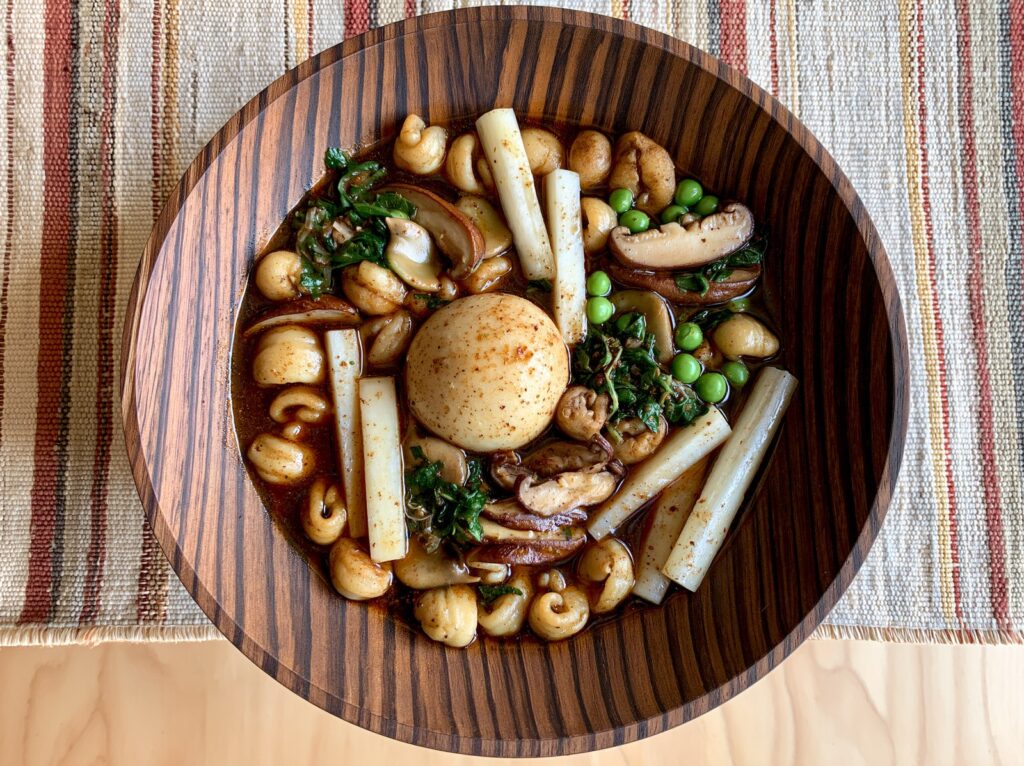
Guthuk, the Tibetan soup eaten once a year on Losar eve. Nine ingredients, pinched bhatsa noodles, and a fortune hidden in each diner’s dough ball.
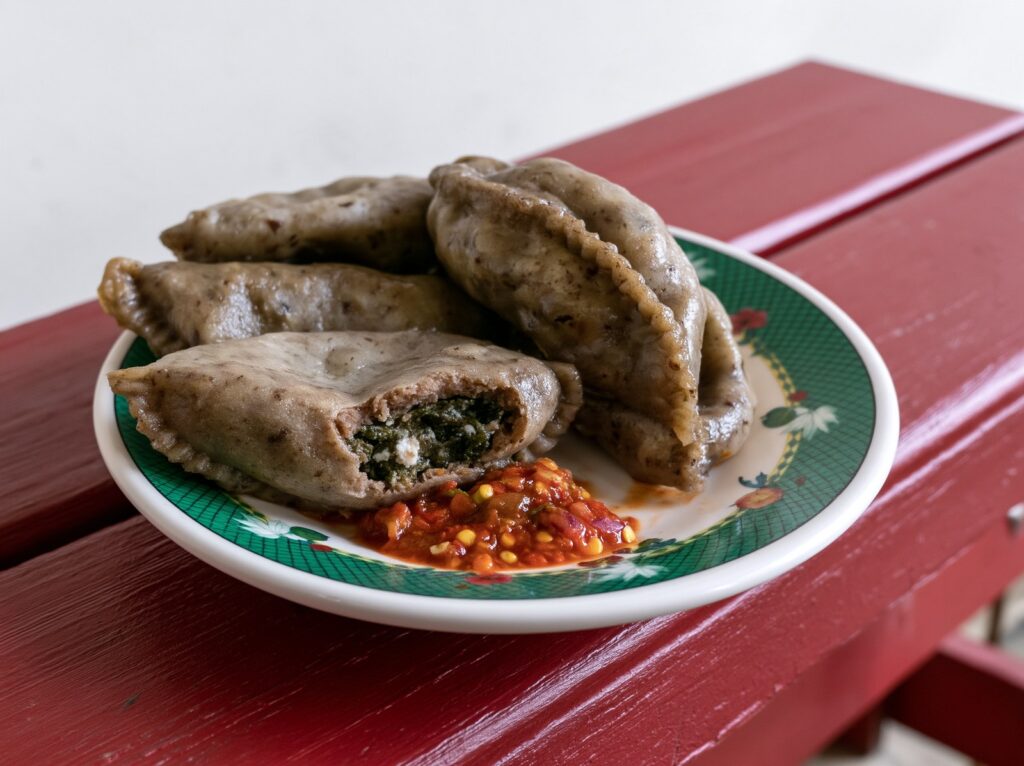
Hoentay, the buckwheat dumpling made once a year for Lomba in Bhutan’s Haa and Paro valleys, filled with turnip leaves, fresh cheese and amaranth seed.
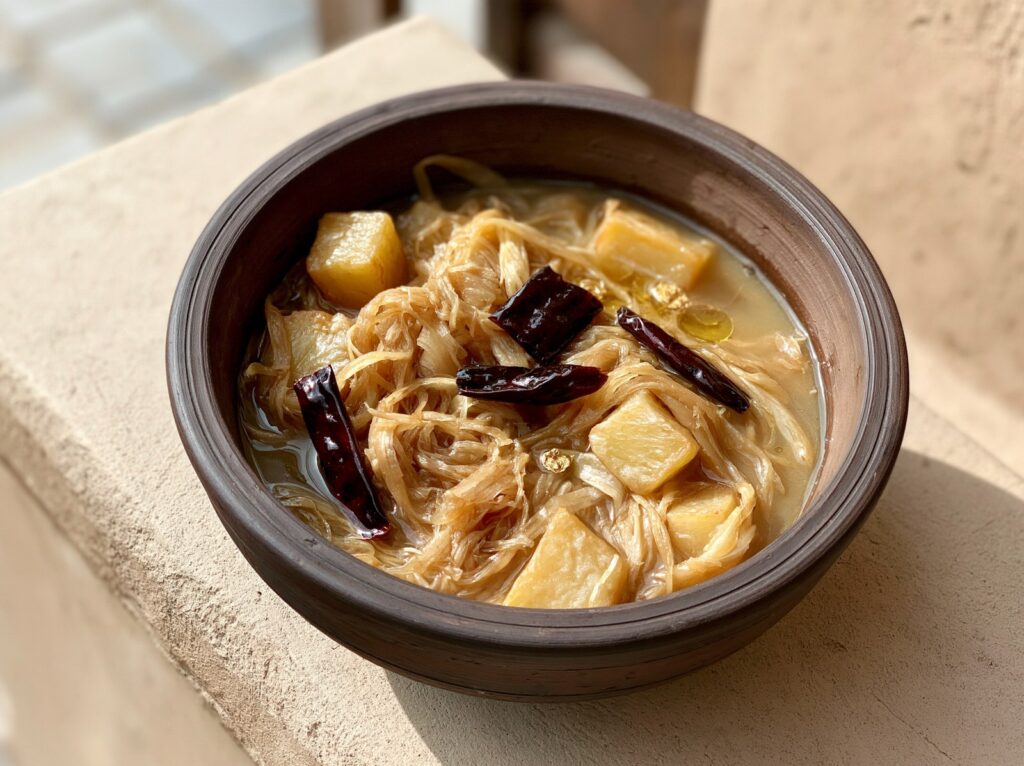
Sinki ko jhol, the thin sour Nepali broth of saltless fermented radish taproot, tempered with timur and dried chilli and eaten with rice and ghee.